judía
“judía” means “bean” in Spanish. It has 2 different meanings depending on context:
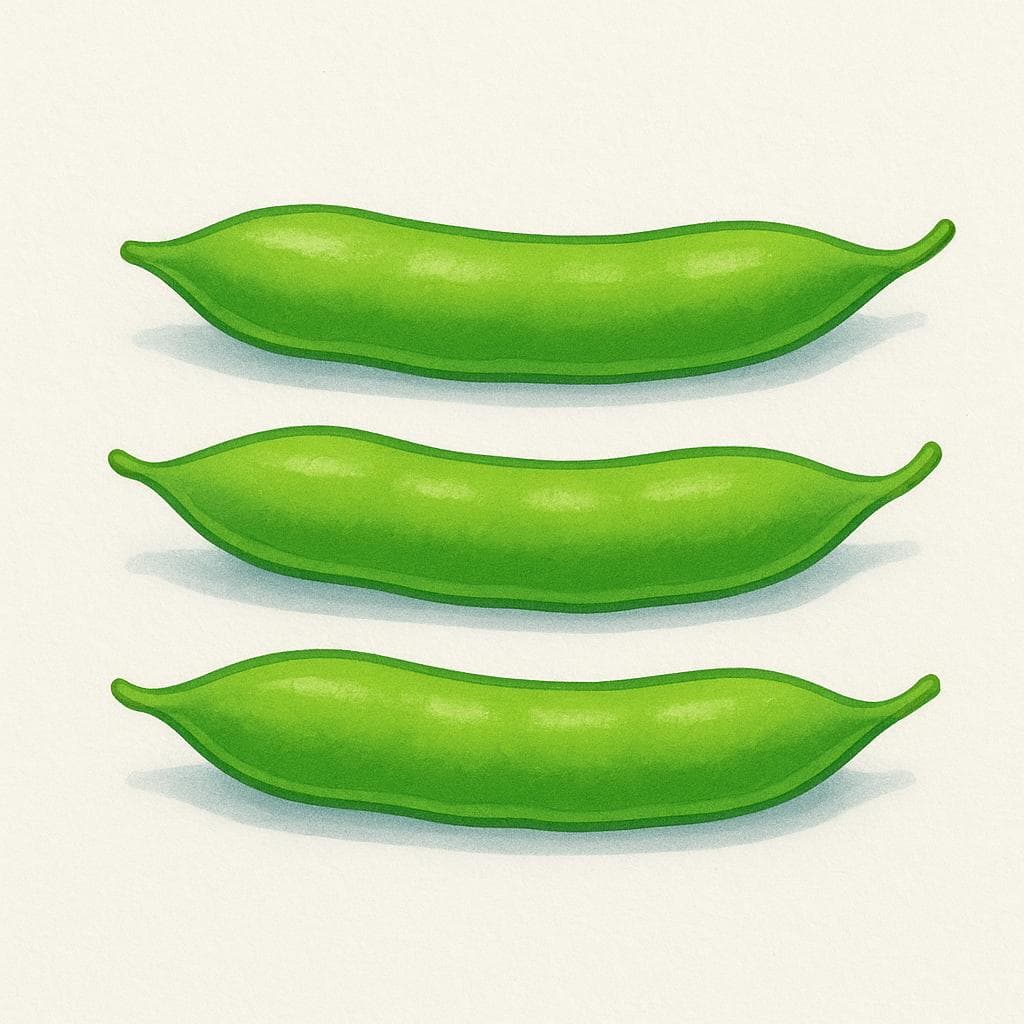

bean
Also: green bean, haricot bean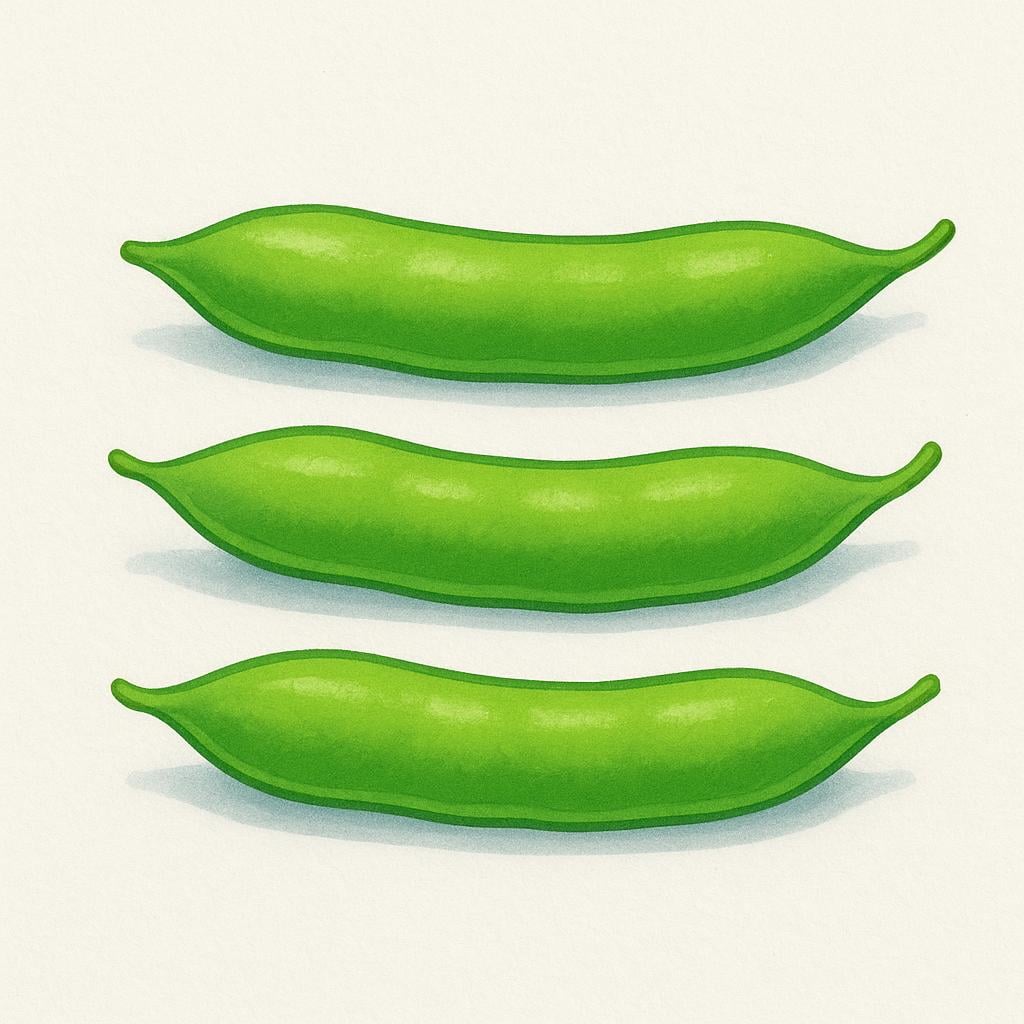
📝 In Action
Quiero un plato de pollo con judías verdes.
A1I want a plate of chicken with green beans.
Las judías secas se dejan en remojo antes de cocinarlas.
B1Dried beans are left to soak before cooking them.
Jewish woman
Also: Jewish
📝 In Action
Ella es una judía de ascendencia polaca.
B1She is a Jewish woman of Polish descent.
La comunidad judía local celebró el festival.
B2The local Jewish community celebrated the festival.
Vocabulary Collections
Translate to Spanish
✏️ Quick Practice
Quick Quiz: judía
Question 1 of 2
Which sentence uses 'judía' to refer to a food item?
📚 More Resources
👥 Word Family▼
📚 Etymology▼
Comes from the Latin word *Iudaeus*, meaning 'of Judea' (the ancient kingdom). This same root was used for the vegetable because it was believed to have been introduced to Europe from lands associated with the Jewish people or the Levant.
First recorded: Around the 13th century (in Romance languages)
Cognates (Related words)
💡 Master Spanish
Take your Spanish to the next level. Read 200+ illustrated and narrated Spanish stories tailored to your level with the Inklingo app!
Frequently Asked Questions
How can I tell if 'judía' means 'bean' or 'Jewish woman'?
Context is your guide! If it’s paired with food words (comer, plato, verde), it means 'bean'. If it's describing a person, a culture, or a religion (cultura, tradición, comunidad), it means 'Jewish' or 'Jewish woman'.
Is 'judía' the only word for 'bean'?
No, Spanish has many regional words! In most of Latin America, you should use words like 'frijol', 'habichuela', or 'poroto'. 'Judía' is dominant in Spain.