pepino
“pepino” means “cucumber” in Spanish. It has 2 different meanings depending on context:
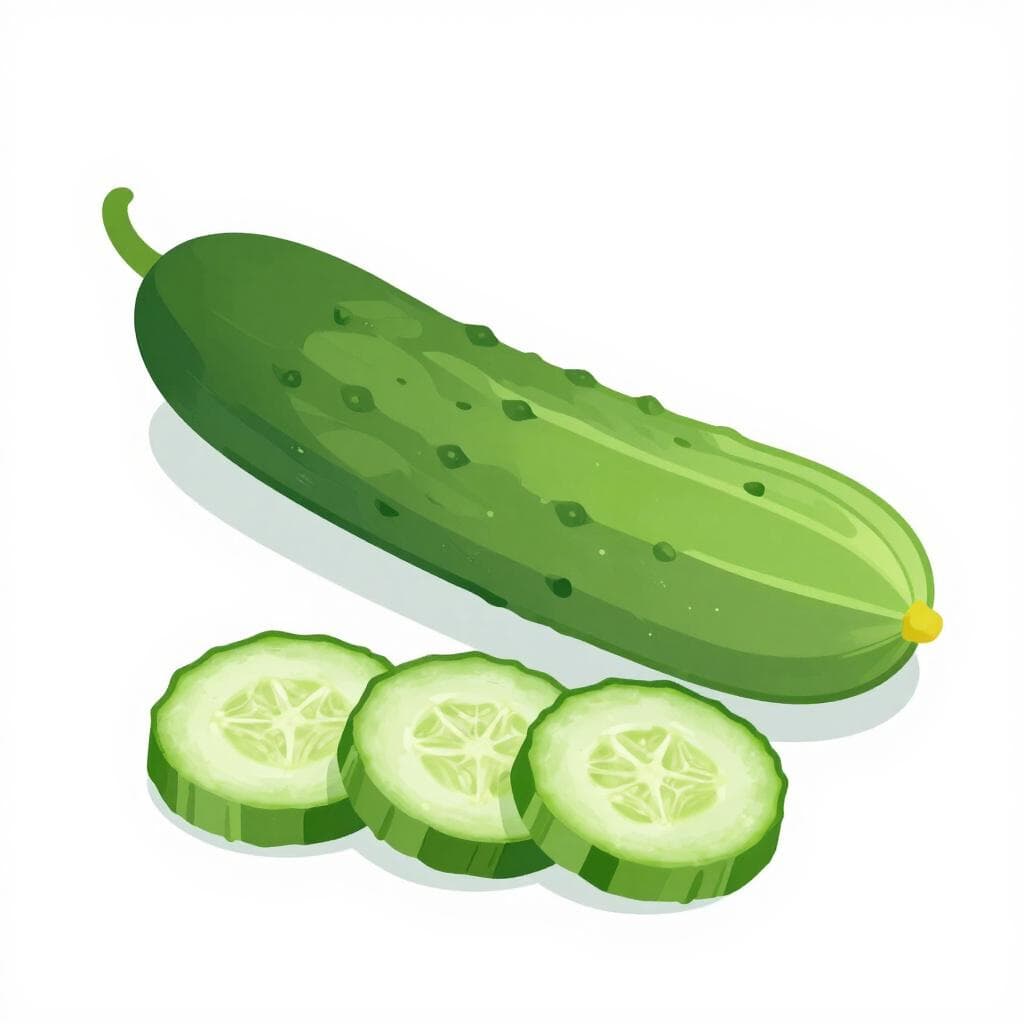

cucumber
Also: nothing / not a bit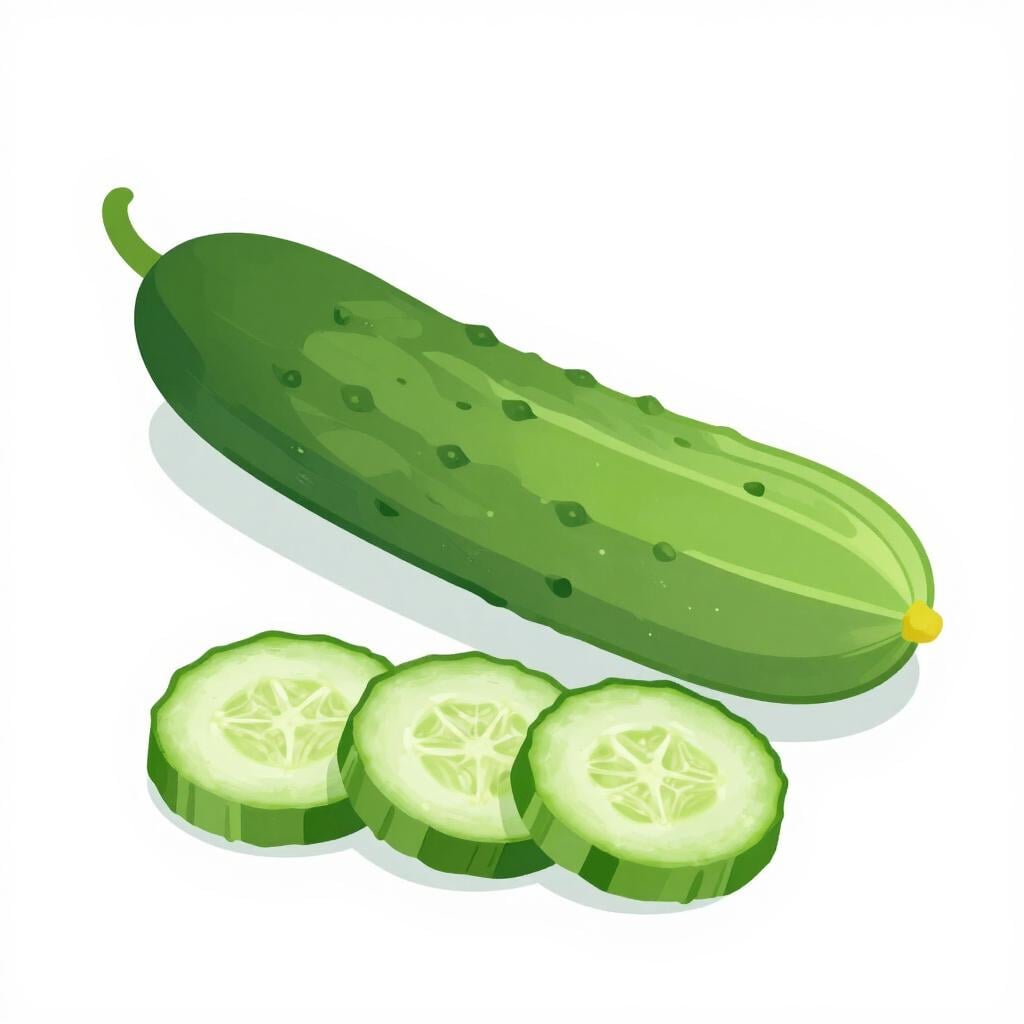
📝 In Action
Me gusta comer ensalada de pepino en verano.
A1I like to eat cucumber salad in the summer.
Tienes que pelar el pepino antes de cortarlo.
A2You have to peel the cucumber before cutting it.
Me importa un pepino lo que digan de mí.
B1I don't care a bit about what they say about me.
beast / masterpiece / beauty

📝 In Action
¡Vaya pepino de coche te has comprado!
B2What a beast of a car you've bought!
Este ordenador nuevo es un pepino, va súper rápido.
C1This new computer is amazing, it's super fast.
Su nueva raqueta es un pepino.
B2His new racket is top-of-the-line.
✏️ Quick Practice
Quick Quiz: pepino
Question 1 of 3
What does someone mean if they say 'Me importa un pepino'?
📚 More Resources
👥 Word Family▼
📚 Etymology▼
From the Latin word 'pepo', which referred to a type of large melon or gourd. Over time, the word evolved in Spanish to specifically mean the cucumber we know today.
First recorded: 13th century
Cognates (Related words)
💡 Master Spanish
Take your Spanish to the next level. Read 200+ illustrated and narrated Spanish stories tailored to your level with the Inklingo app!
Frequently Asked Questions
Is 'pepino' a fruit or a vegetable in Spanish?
Botanically it's a fruit, but in Spanish (just like in English), it is linguistically and culinarily treated as a 'verdura' (vegetable).
Can I use 'pepino' to mean a pickle?
Usually no. You should use 'pepinillo' for pickles. If you say 'pepino,' people will think of the long, fresh vegetable used in salads.
Is 'Me importa un pepino' rude?
It is informal and a bit blunt, but it's not considered a 'bad word' or a swear word. It's safe to use with friends and family.