col
“col” means “cabbage” in Spanish (generic term for the leafy green vegetable).
cabbage
Also: kale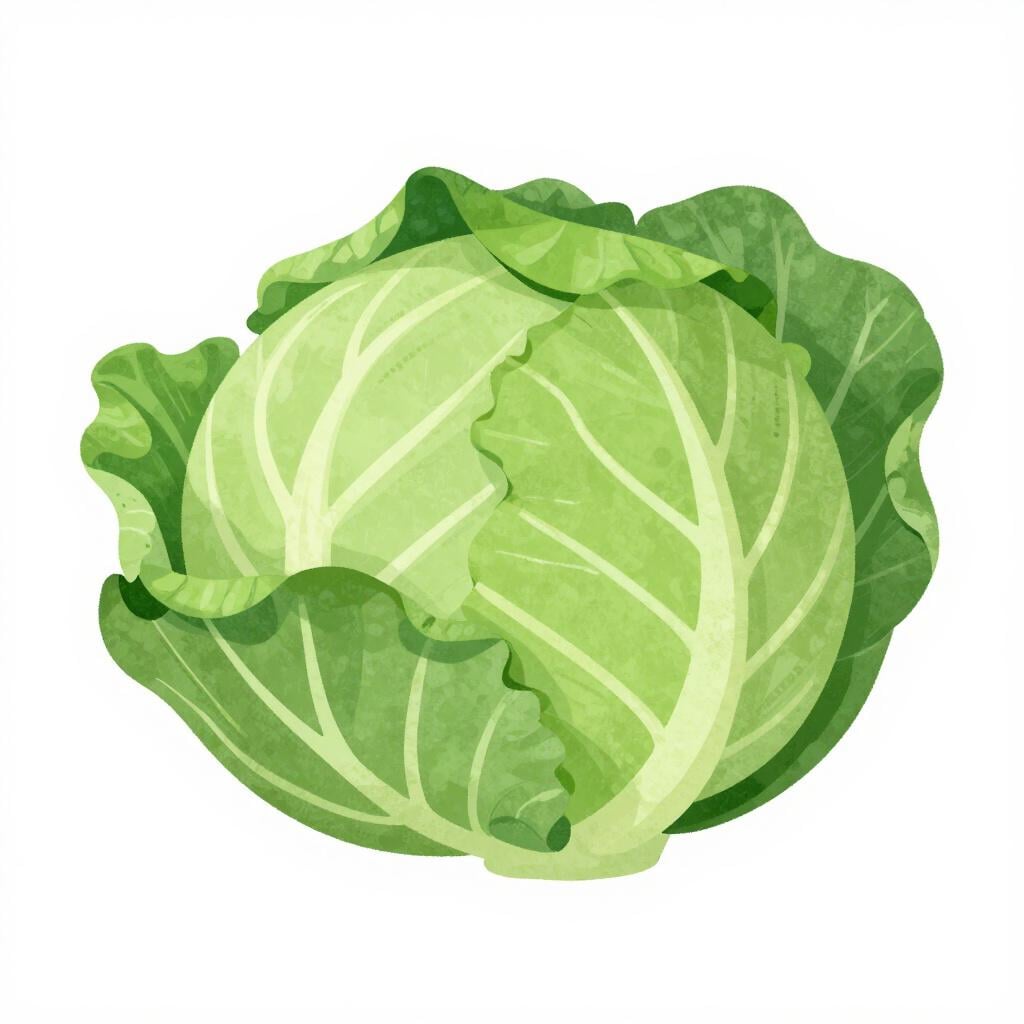
📝 In Action
La col es muy buena para la salud.
A1Cabbage is very good for your health.
Corta la col en trozos pequeños para la sopa.
A2Cut the cabbage into small pieces for the soup.
En esta región, es tradicional comer col lombarda en Navidad.
B1In this region, it is traditional to eat red cabbage at Christmas.
Vocabulary Collections
Translate to Spanish
🗣️ Practice in a Tongue Twister
✏️ Quick Practice
Quick Quiz: col
Question 1 of 3
Which article is correct for 'col'?
📚 More Resources
👥 Word Family▼
📚 Etymology▼
From the Latin word 'caulis', which simply means 'stalk' or 'stem'. Over time, it became the specific name for the cabbage plant because of its thick stalk.
First recorded: 13th century
Cognates (Related words)
💡 Master Spanish
Take your Spanish to the next level. Read 200+ illustrated and narrated Spanish stories tailored to your level with the Inklingo app!
Frequently Asked Questions
Is 'col' the same as 'repollo'?
Mostly, yes! 'Col' is a general family name for cabbages, while 'repollo' specifically refers to the round, tight head of cabbage. In Spain, people say 'col' more often, whereas in Latin America 'repollo' is more popular.
How do I know it's feminine?
While most feminine words end in 'a', 'col' is an exception you have to memorize. Think of 'la col' as a pair with 'la flor' (the flower).
Can 'col' mean a column in a spreadsheet?
No, that would be 'columna'. 'Col' is only used for the vegetable or as a very short abbreviation for 'colonia' (neighborhood) in some addresses.