maíz
“maíz” means “corn” in Spanish (The grain or crop).
corn
Also: maize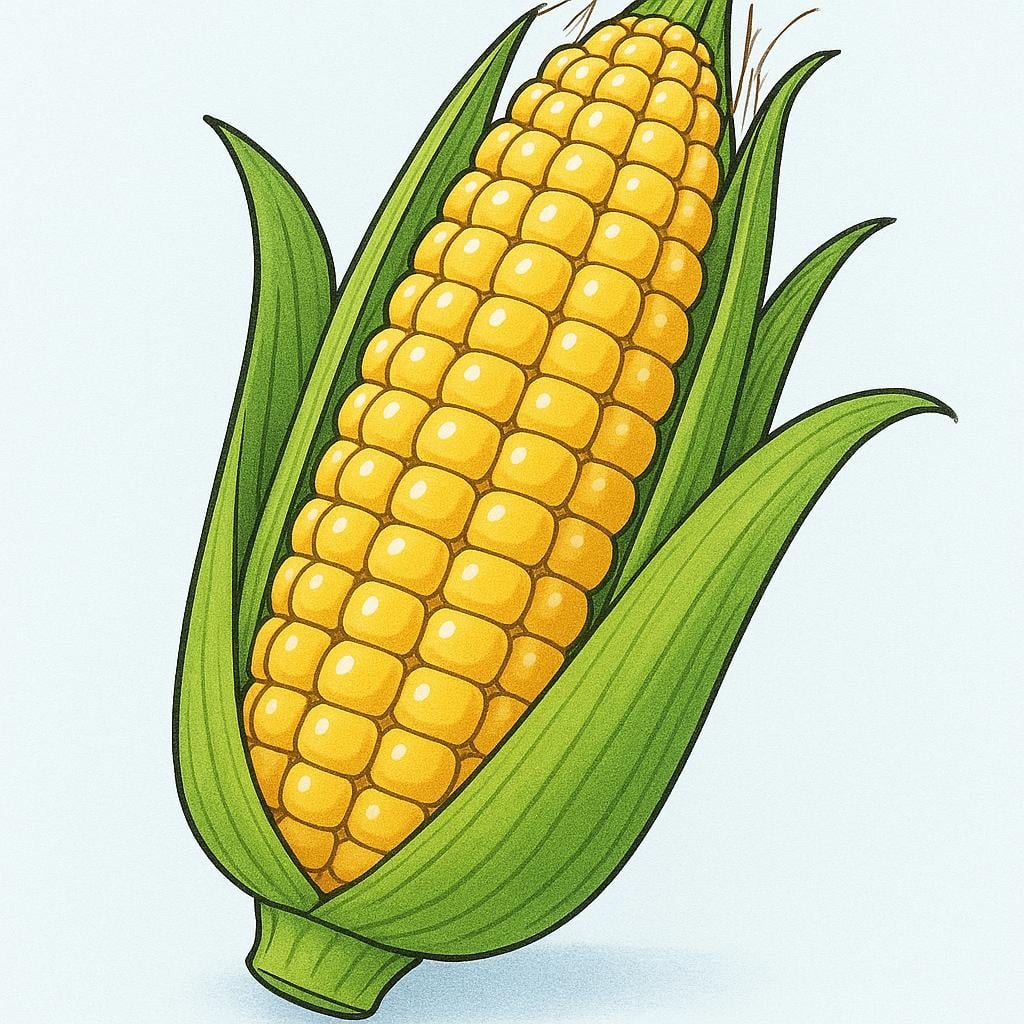
📝 In Action
En México, el maíz es la base de casi toda la comida.
A1In Mexico, corn is the base of almost all the food.
Necesitamos comprar una bolsa de maíz para hacer palomitas.
A2We need to buy a bag of corn to make popcorn.
Los agricultores cultivan maíz y frijoles en el campo.
B1The farmers grow maize and beans in the field.
Vocabulary Collections
Translate to Spanish
✏️ Quick Practice
Quick Quiz: maíz
Question 1 of 2
Which article must you use before 'maíz'?
📚 More Resources
👥 Word Family▼
🎵 Rhymes▼
📚 Etymology▼
The word 'maíz' did not come from Latin or Spanish roots! It was borrowed directly from the Taíno language (spoken by indigenous people of the Caribbean) after European contact, and then spread across the Spanish-speaking world because the crop was so important.
First recorded: 15th century (post-Columbus voyages)
Cognates (Related words)
💡 Master Spanish
Take your Spanish to the next level. Read 200+ illustrated and narrated Spanish stories tailored to your level with the Inklingo app!
Frequently Asked Questions
Why does 'maíz' have an accent mark?
The accent mark is there to tell you exactly where to put the stress. If it didn't have the accent, the stress would naturally fall on the first syllable (MA-iz), but Spanish speakers put the stress on the 'i' (ma-ÍZ), so the accent is necessary to show that unusual pronunciation.
Is 'maíz' countable or uncountable?
It is usually treated as an uncountable noun (like 'rice' or 'water') when referring to the grain in general ('Necesito maíz'). However, you can make it plural ('maíces') when referring to different types or varieties of corn.