melón
“melón” means “melon” in Spanish. It has 2 different meanings depending on context:
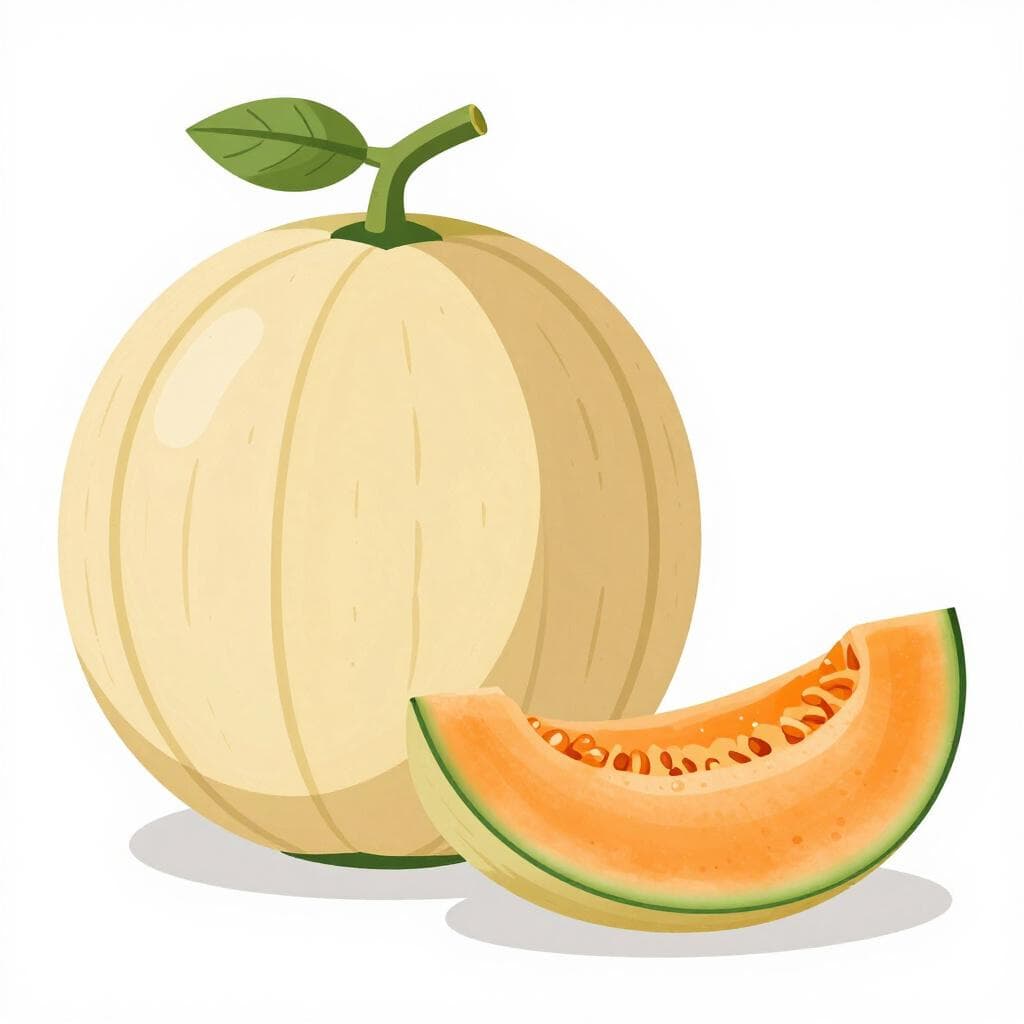

melon
Also: honeydew or cantaloupe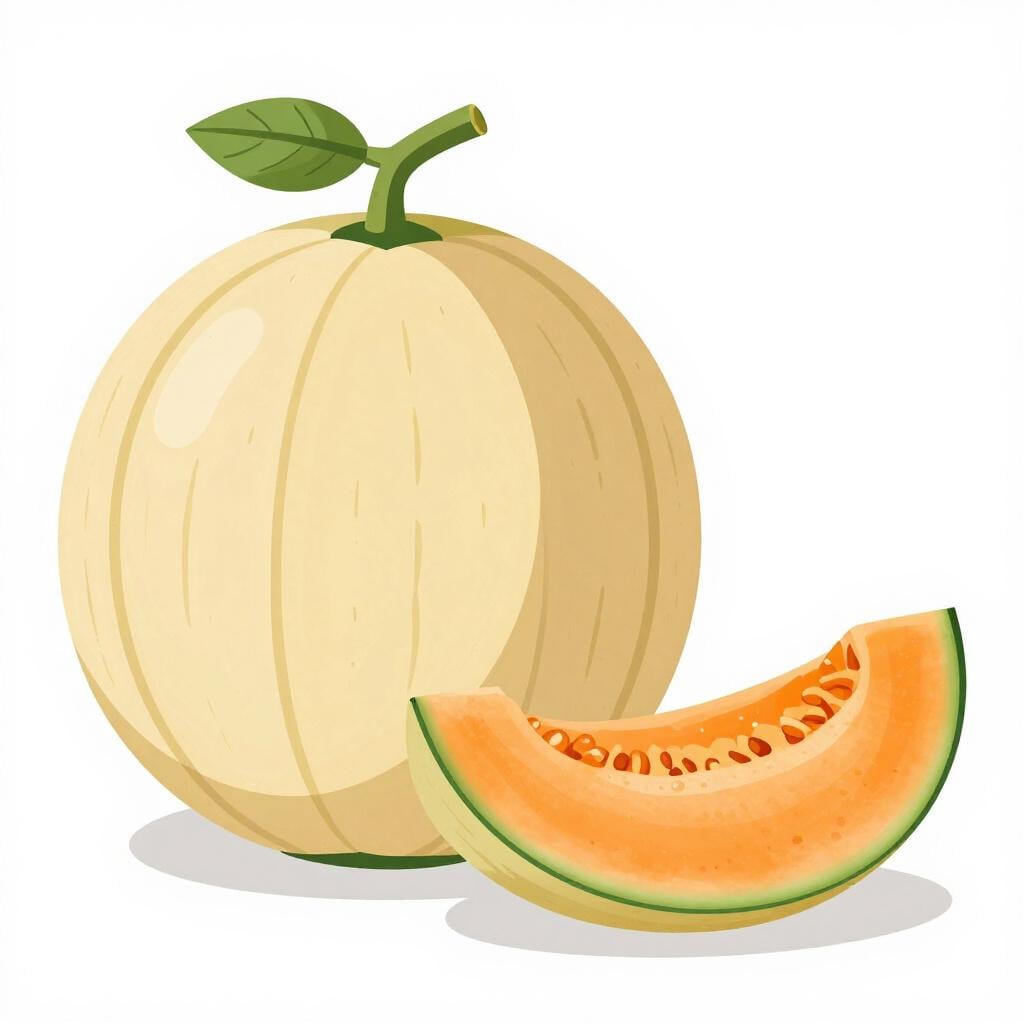
📝 In Action
El melón está muy dulce hoy.
A1The melon is very sweet today.
Prefiero desayunar una tajada de melón.
A2I prefer to have a slice of melon for breakfast.
En verano, el melón con jamón es un plato típico en España.
B1In summer, melon with ham is a typical dish in Spain.
dummy
Also: thick-headed
📝 In Action
¡No seas melón! La llave gira hacia el otro lado.
B1Don't be a dummy! The key turns the other way.
Mi hermano es un melón y siempre olvida su cartera.
B2My brother is a bit of a bonehead and always forgets his wallet.
Le expliqué la tarea tres veces, pero es un poco melón.
C1I explained the homework three times, but he's a bit slow.
Vocabulary Collections
Translate to Spanish
✏️ Quick Practice
Quick Quiz: melón
Question 1 of 3
What happens to the accent mark when you make 'melón' plural?
📚 More Resources
👥 Word Family▼
🎵 Rhymes▼
📚 Etymology▼
From the Latin 'melo,' which was a shortened version of 'melopepo.' This originally came from Greek words meaning 'apple' and 'gourd.'
First recorded: 13th century
Cognates (Related words)
💡 Master Spanish
Take your Spanish to the next level. Read 200+ illustrated and narrated Spanish stories tailored to your level with the Inklingo app!
Frequently Asked Questions
What is the difference between 'melón' and 'sandía'?
'Melón' refers to fruits like cantaloupe or honeydew (usually yellow or green inside). 'Sandía' is the Spanish word for watermelon (red inside).
Is 'melón' a bad insult?
Not usually. It is very mild. It's more like calling someone a 'silly billy' or a 'goofball.' However, always use it with caution around people you don't know.
How do I know if 'melón' is masculine or feminine?
It is always masculine ('el melón'). Even when using it to call a woman 'silly,' people often still use the masculine form, though 'melona' exists in very informal regional slang.