banana
“banana” means “banana” in Spanish (the yellow tropical fruit).
banana
Also: plantain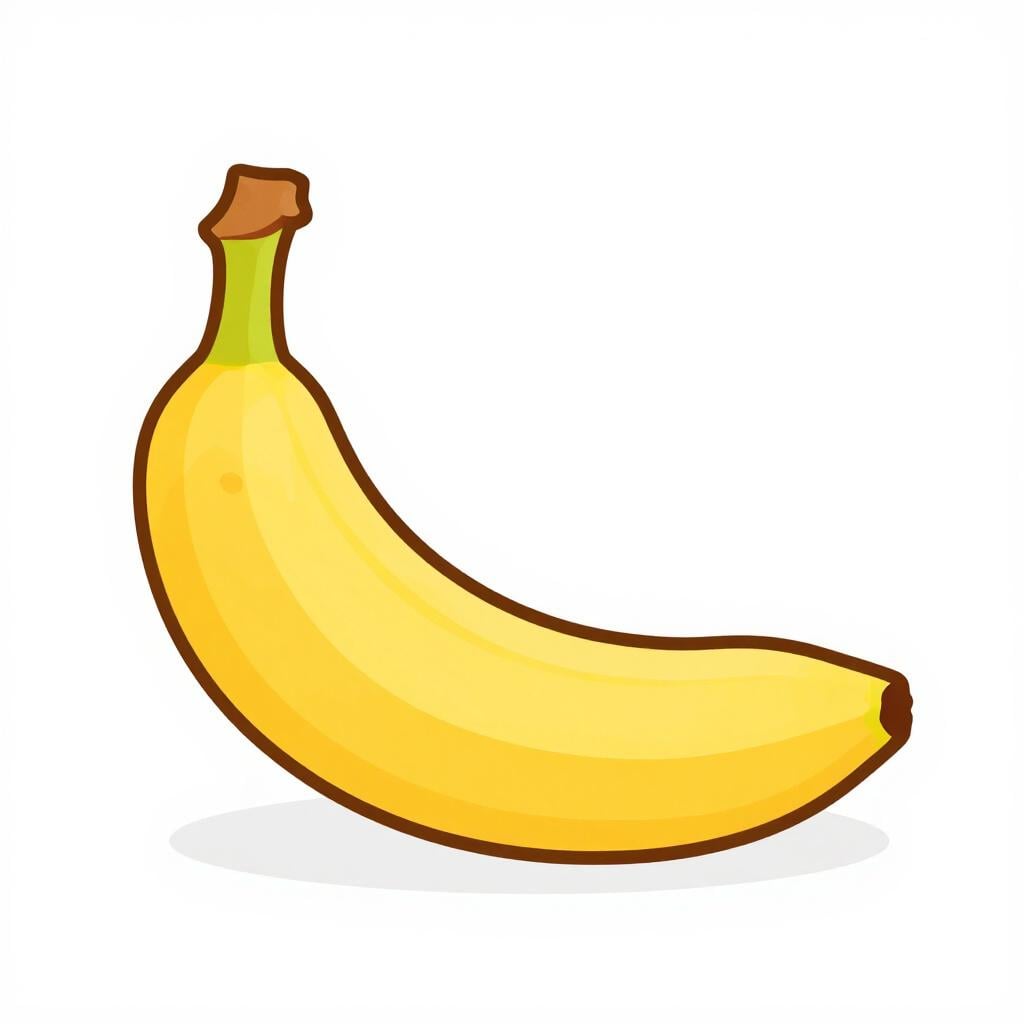
📝 In Action
Comí una banana en el desayuno.
A1I ate a banana for breakfast.
Me gusta el licuado de banana con leche.
A2I like the banana smoothie with milk.
Ten cuidado con la cáscara de la banana en el suelo.
B1Be careful with the banana peel on the floor.
Vocabulary Collections
Translate to Spanish
🗣️ Practice in a Tongue Twister
✏️ Quick Practice
Quick Quiz: banana
Question 1 of 3
Which word is most likely used for banana in Spain?
📚 More Resources
👥 Word Family▼
📚 Etymology▼
Likely from the Wolof word 'banaana' (West Africa), entering Spanish via Portuguese.
First recorded: 16th century
Cognates (Related words)
💡 Master Spanish
Take your Spanish to the next level. Read 200+ illustrated and narrated Spanish stories tailored to your level with the Inklingo app!
Frequently Asked Questions
Is 'banana' and 'plátano' the same thing?
Botanically, yes, but in cooking, 'plátano' often refers to the larger, starchier plantains that you fry, while 'banana' refers to the sweet fruit you eat raw. This varies greatly by country!
Why does my textbook say 'plátano' but my friend says 'banana'?
Textbooks often teach 'Standard Spanish' or 'Spain Spanish' (plátano), while 'banana' is the preferred term in many parts of the Americas.
Does 'banana' have an accent mark?
No. In Spanish, words ending in a vowel that are stressed on the second-to-last syllable do not need a written accent mark.