traten
“traten” means “try” in Spanish. It has 2 different meanings depending on context:
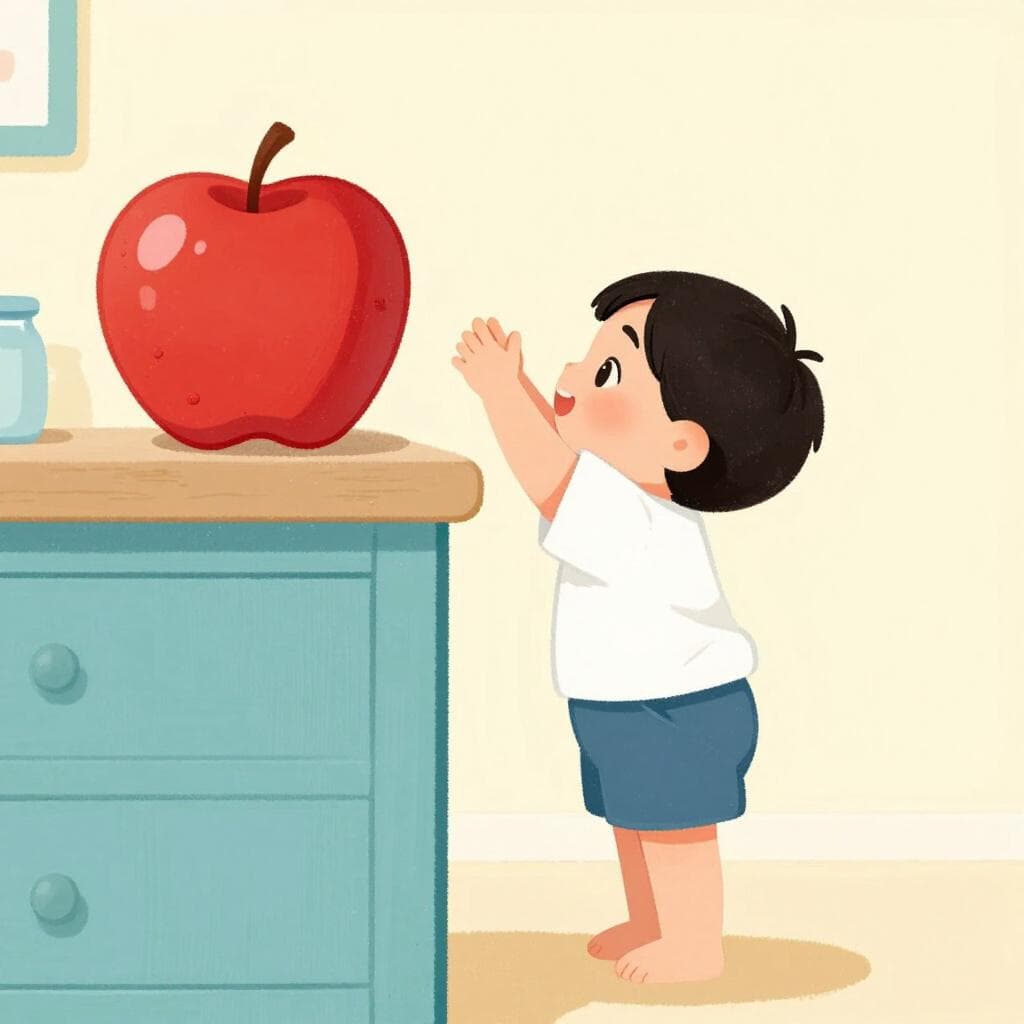

try
Also: attempt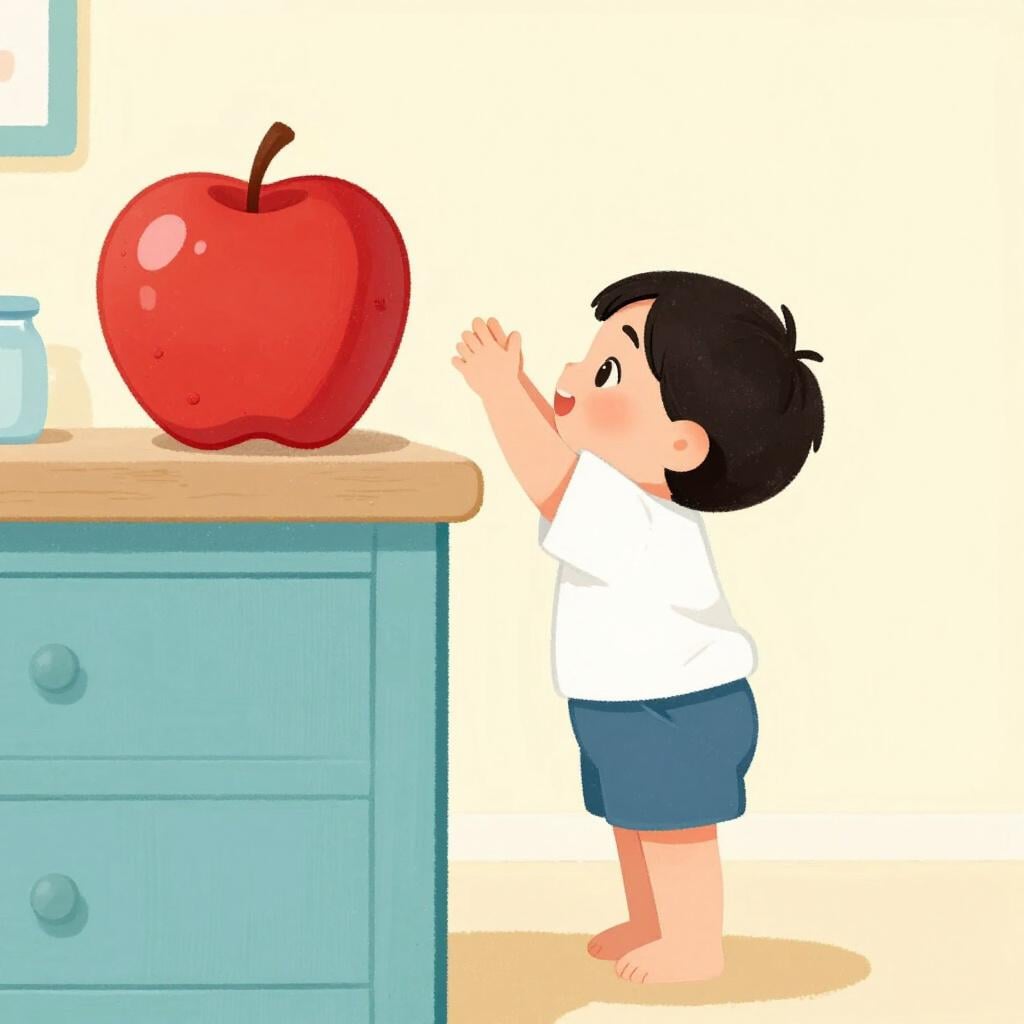
📝 In Action
Por favor, traten de llegar a tiempo.
A2Please, try to arrive on time.
Espero que traten de terminar la tarea hoy.
B1I hope they try to finish the homework today.
treat
Also: handle
📝 In Action
Espero que traten bien a la nueva empleada.
B1I hope they treat the new employee well.
No traten los libros con descuido.
B1Don't handle the books carelessly.
Subjunctive
Imperfect Subjunctive
Present Subjunctive
Indicative
Preterite
Imperfect
Present
✏️ Quick Practice
Quick Quiz: traten
Question 1 of 1
Which sentence uses 'traten' as a command to try something?
📚 More Resources
👥 Word Family▼
🎵 Rhymes▼
📚 Etymology▼
From the Latin word 'tractare', which meant to touch, handle, or manage something frequently.
First recorded: 12th century
Cognates (Related words)
💡 Master Spanish
Take your Spanish to the next level. Read 200+ illustrated and narrated Spanish stories tailored to your level with the Inklingo app!
Frequently Asked Questions
What is the difference between 'tratan' and 'traten'?
'Tratan' is a simple statement of fact (They try), while 'traten' is used for commands or when expressing wishes (Try! / I hope you all try).
Does 'traten' always need 'de'?
Only when you mean 'try to [do something]'. If you mean 'treat [someone]', you don't use 'de'.