How to Say "try" in Spanish
The most common Spanish word for “try” is “probar” — use 'probar' when you want to taste or sample food or drink, or to test something out.


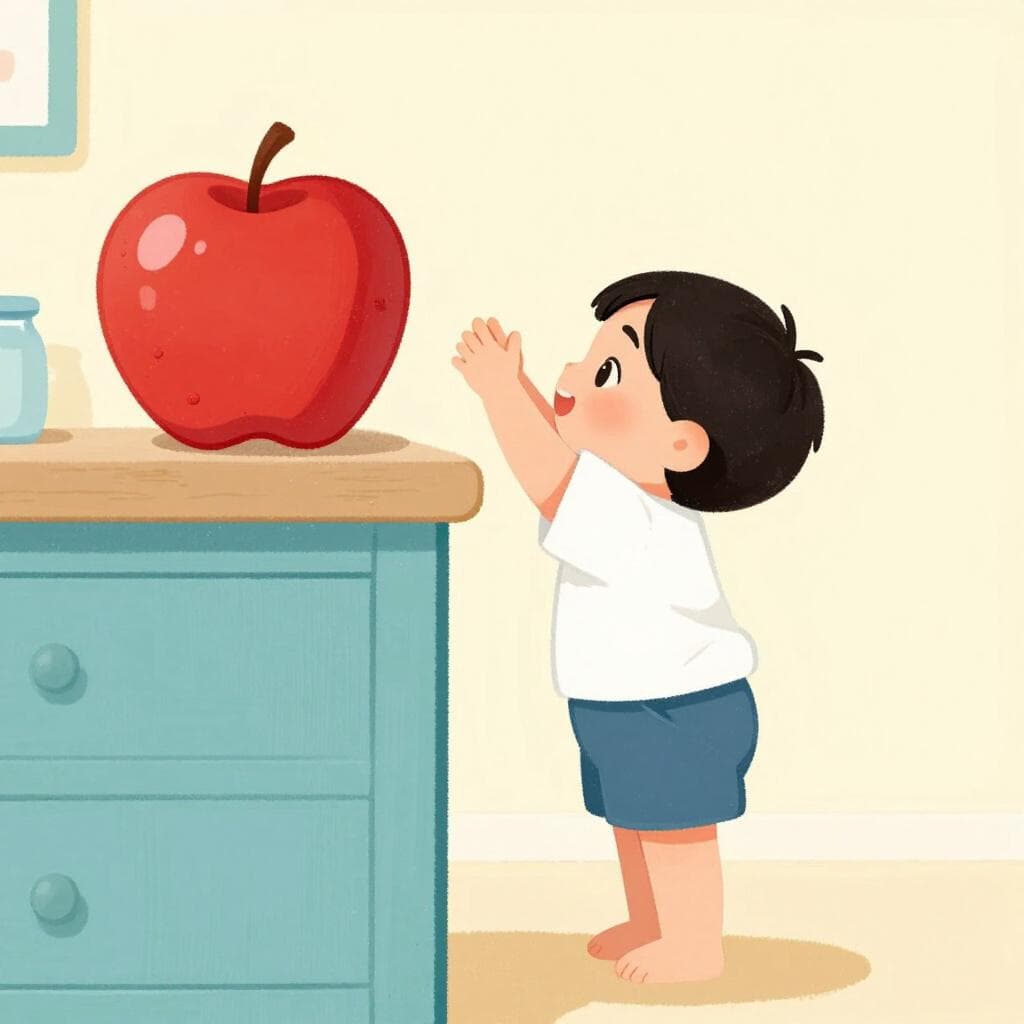


probar
proh-BAHRpɾoˈβaɾ

Examples
¿Quieres probar mi helado de mango?
Do you want to try my mango ice cream?
Probamos muchos platos típicos en el mercado.
We tasted many traditional dishes at the market.
Nunca pruebo el vino tinto, solo bebo blanco.
I never try red wine; I only drink white.
Stem Change Alert (o → ue)
The vowel 'o' changes to 'ue' whenever the stress falls on the root of the verb (yo, tú, él/ella, ellos/ellas). Remember, nosotros and vosotros are usually the exceptions: 'probamos', not 'pruebamos'.
Probar vs. Intentar
Mistake: “Using 'probar' when trying to perform an action (e.g., *Probar a abrir la puerta*).”
Correction: Use 'intentar' or 'tratar de' when you mean 'to attempt' an action: 'Intentar abrir la puerta' (To try to open the door).
intento
in-TEN-tohinˈtento

Examples
Después de varios intentos, finalmente lo logré.
After several attempts, I finally managed it.
Hizo un intento de llamar, pero nadie contestó.
He made an attempt to call, but nobody answered.
Vale la pena hacer el intento.
It's worth making the attempt / It's worth a try.
It's a Thing, Not an Action
Think of 'intento' as a 'thing' – specifically, 'an attempt'. Because it's a noun, you'll often see it with words like 'un' (a), 'el' (the), or 'varios' (several).
Paired with 'Hacer'
In Spanish, you don't 'give' a try, you 'make' one. The most common partner verb for 'intento' is 'hacer' (to make). For example, 'hacer un intento'.
Confusing it with the Verb
Mistake: “Hizo intento de abrir la puerta.”
Correction: Hizo un intento de abrir la puerta. (He made an attempt to open the door.) Since 'intento' here is a 'thing' (a noun), it needs an article like 'un' before it.
traten
TRAH-tehnˈtɾaten
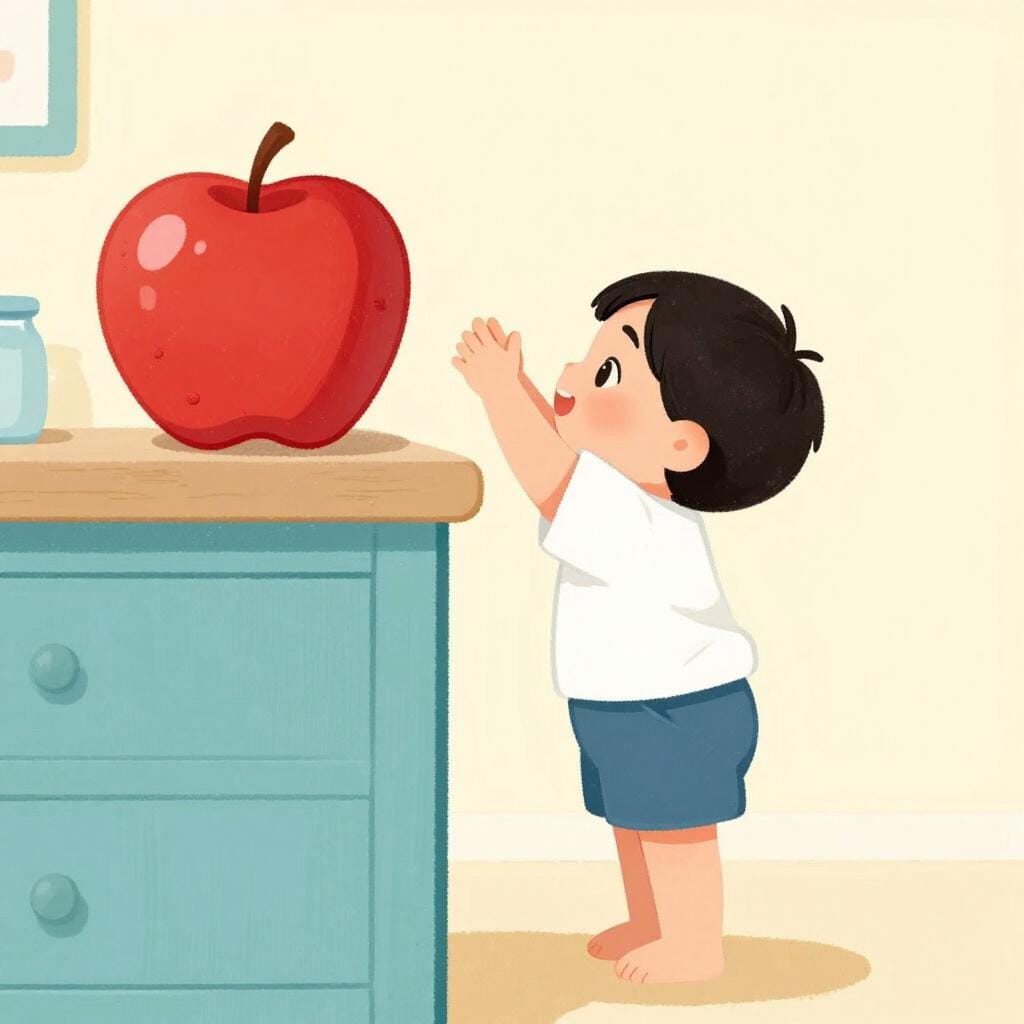
Examples
Por favor, traten de llegar a tiempo.
Please, try to arrive on time.
Espero que traten de terminar la tarea hoy.
I hope they try to finish the homework today.
Using 'Traten' as a Command
Use 'traten' when you are telling a group of people to do something directly (like 'You all, try!').
The 'De' Connection
When 'traten' means 'try to do something,' you must always put the word 'de' right after it before the next action.
Missing the 'De'
Mistake: “Traten comer más sano.”
Correction: Traten DE comer más sano. In Spanish, you always need the 'de' to link 'tratar' to the next action.
intente
een-TEN-tehinˈtente

Examples
Por favor, intente llegar a tiempo a la reunión.
Please, try to arrive at the meeting on time (formal command).
No estoy seguro de que él intente hacerlo.
I am not sure that he will try to do it.
Si yo intente hablar con el jefe, ¿me ayudaría?
If I try to speak with the boss, would you help me?
Formal Command (Usted)
When you want to give a polite, formal instruction or advice to one person (usted), you use 'intente'. It means 'Try!'
The Subjunctive Mood
'Intente' is also the special verb form (present subjunctive) used after expressions of hope, doubt, or necessity, often introduced by 'que' (that). For example: 'Es necesario que él intente...'
Confusing 'intente' and 'intenté'
Mistake: “Using 'intente' when you mean 'I tried' (which is 'intenté').”
Correction: 'Intenté' (with an accent) is the past tense for 'I tried'. 'Intente' is the present subjunctive or formal command.
pruebe
PRWEH-behˈpɾwe.βe

Examples
Señorita, pruebe un poco de esta salsa, es la especialidad de la casa.
Miss, please taste a little of this sauce; it's the house specialty. (Formal Command)
Mi madre insiste en que yo pruebe los vegetales nuevos.
My mother insists that I try the new vegetables. (Subjunctive: expressing influence/desire)
Formal Command
The form 'pruebe' is the polite way to tell one person (Usted) to do something. It comes directly from the 'yo' form of the present subjunctive.
Subjunctive Use
'Pruebe' is also the special verb form (subjunctive) used when you express desire, doubt, or necessity involving someone else: 'Dudo que pruebe el queso' (I doubt he tries the cheese).
Forgetting the Stem Change
Mistake: “Using 'probo' or 'proba' instead of 'pruebo' or 'pruebe'.”
Correction: Remember that the 'o' in the stem changes to 'ue' in most forms, including 'pruebe' and 'pruebo'.
Attempt vs. Taste
Related Translations
Learn Spanish with Inklingo
Interactive stories, personalized learning, and more.