How to Say "treat" in Spanish
The most common Spanish word for “treat” is “regalo” — use 'regalo' when 'treat' means a special gift you give to yourself, similar to receiving a present.




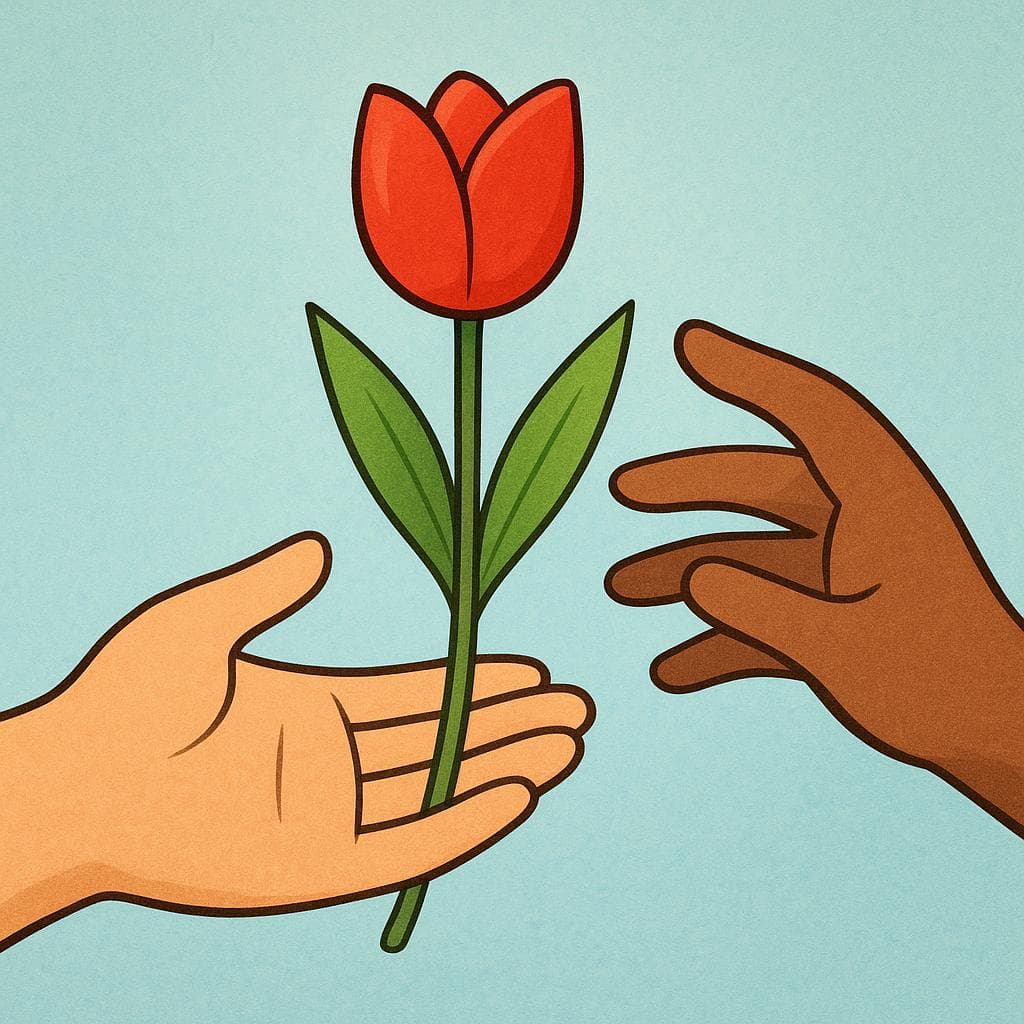



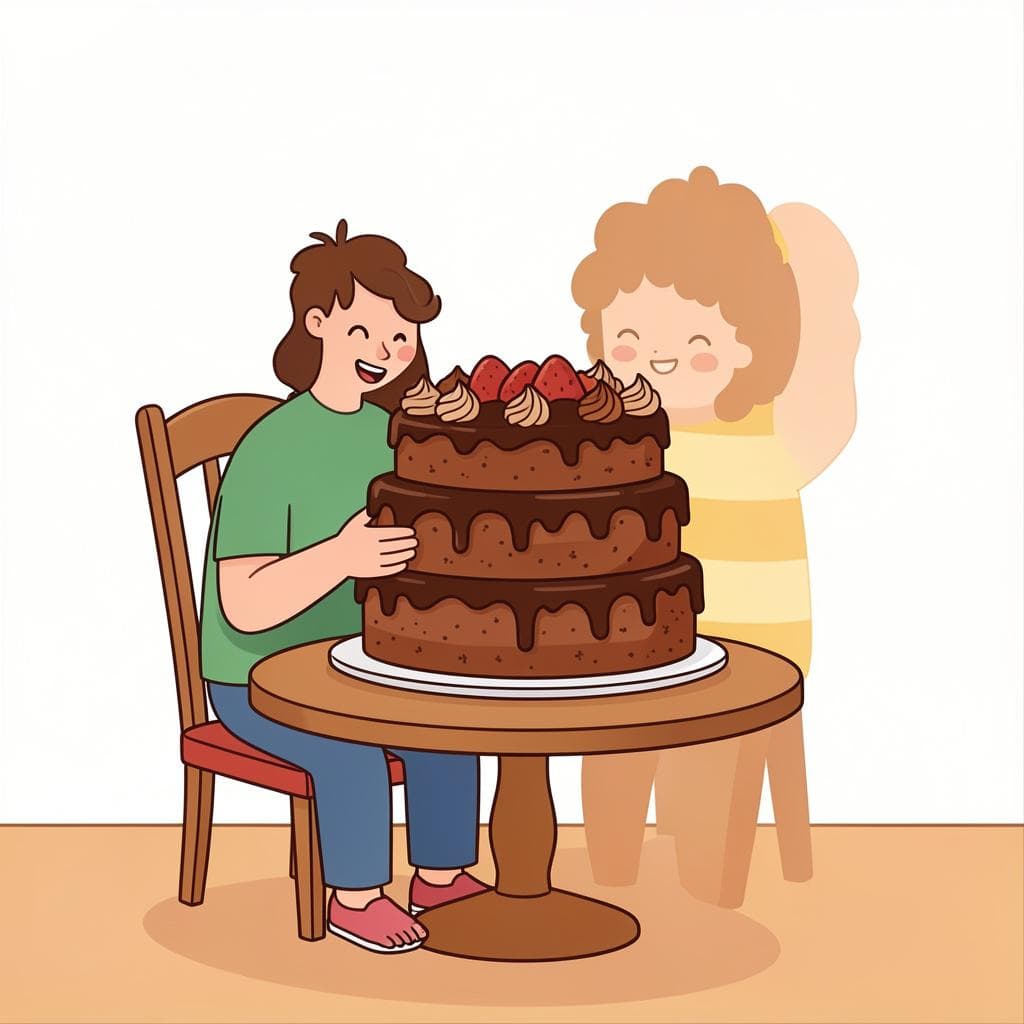
regalo
rreh-GAH-lohreˈɣa.lo

Examples
Me compré un libro nuevo como regalo.
I bought myself a new book as a treat.
Recibí un regalo muy bonito para mi cumpleaños.
I received a very nice gift for my birthday.
Gracias por el regalo, ¡me encanta!
Thanks for the present, I love it!
Este abrigo por veinte euros fue un verdadero regalo.
This coat for twenty euros was a real bargain.
It's a Masculine Word
Even though you give it to a man or a woman, the word 'regalo' itself is always masculine. So, you'll always say 'el regalo' (the gift) or 'un regalo' (a gift).
Describing the Gift
Mistake: “Compré una regalo bonita.”
Correction: Compré un regalo bonito. Because 'regalo' is masculine, any word that describes it (like 'bonito' for 'pretty') also needs to be in its masculine form.
delicia
deh-LEE-syahdeˈlisja

Examples
Este helado es una verdadera delicia.
This ice cream is a real treat.
Este pastel es una delicia.
This cake is a delight.
Fue una delicia escucharte tocar el piano.
It was a pleasure to hear you play the piano.
Viajar por Italia es una delicia para los sentidos.
Traveling through Italy is a delight for the senses.
It's a Noun, Not an Adjective
Remember that 'delicia' is a naming word (noun). If you want to describe something, use 'delicioso' (tasty/delicious). You can't say 'comida delicia,' say 'esta comida es una delicia' (this food is a delight).
Always Feminine
This word always uses feminine markers like 'la' or 'una', regardless of whether you are talking about a man's performance or a neutral event.
Confusing 'Delicia' with 'Delicioso'
Mistake: “La cena fue delicia.”
Correction: La cena fue una delicia (The dinner was a delight) or La cena estuvo deliciosa (The dinner was delicious). Use the noun version with 'una'.
trata
tra-taˈtɾata

Examples
Trata bien a tu perro.
Treat your dog well.
Mi hermana me trata como a un niño.
My sister treats me like a child.
La película trata de un viaje a la luna.
The movie is about a trip to the moon.
Él trata de aprender español todos los días.
He tries to learn Spanish every day.
Two Meanings with 'de'
Pay close attention to what comes after 'trata de'. If it's another action (like 'correr', to run), it means 'tries to'. If it's a topic (like 'la guerra', the war), it means 'is about'.
Spot the 'se'
You'll often hear 'se trata de...'. This is a super useful phrase that means 'it's about...' or 'it's a matter of...'. For example, 'Se trata de ser honesto' means 'It's a matter of being honest'.
Trying Food vs. Trying to Do Something
Mistake: “Voy a tratar la paella.”
Correction: Voy a probar la paella. For trying food, drinks, or clothes, use the verb 'probar'. Use 'tratar de' when you're talking about making an attempt to do an action.
trate
TRAY-tehˈtɾate

Examples
Espero que me trate con amabilidad.
I hope he/she treats me kindly.
Exijo que me trate con más respeto.
I demand that he/she treat me with more respect.
Trate a sus clientes como si fueran familia.
Treat your clients as if they were family. (Formal command)
Ella quiere que el doctor trate su herida con cuidado.
She wants the doctor to treat her wound carefully.
Treating People
When 'tratar' means 'to treat someone,' you almost always need the little word 'a' before the person who is receiving the treatment: 'Trate bien a su jefe' (Treat your boss well).
detalle
deh-TAH-yehdeˈtaʎe
Examples
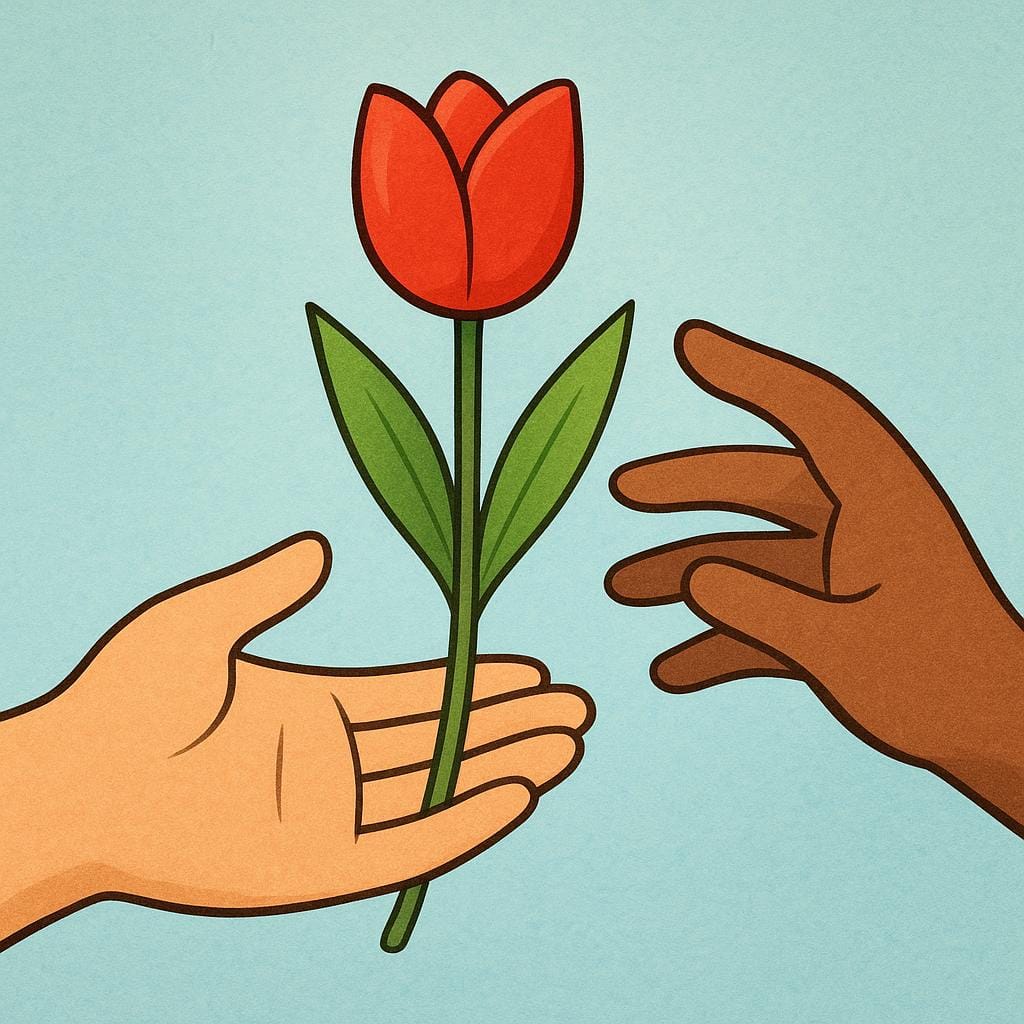
Me trajo flores, ¡qué detalle!
He brought me flowers, what a treat!
Tuvo un bonito detalle al traerme flores.
He made a lovely gesture by bringing me flowers.
Es un detalle, no tenías que molestarte.
It's just a small treat, you didn't have to bother.
Valoramos mucho esos pequeños detalles de hospitalidad.
We really value those little acts of hospitality.
Using 'Tener' with Detalle
Use the verb 'tener' (to have) with 'detalle' to express that someone performed a thoughtful act: 'Tuvo un detalle conmigo' (He had a thoughtful act with me = He did something nice for me).
lujo
LOO-hoˈluxo

Examples
Tomarme un día libre es un lujo que necesito.
Taking a day off is a treat I need.
Para un escritor, el silencio es un lujo.
For a writer, silence is a luxury/privilege.
Me di el lujo de dormir hasta tarde hoy.
I gave myself the treat/indulgence of sleeping in late today.
¿Trabajar cuatro días a la semana? ¡Qué lujo!
Working four days a week? What a privilege!
Using 'darse el lujo'
The phrase 'darse el lujo de...' means 'to allow yourself the treat of...' or 'to indulge in...'. The verb following 'de' is always in the base form (infinitive).
capricho
ka-PREE-chokaˈpɾitʃo

Examples
Compré ese bolso por capricho.
I bought that bag as a treat (on a whim).
Me compré estos zapatos por capricho.
I bought these shoes on a whim.
Hoy me voy a dar un capricho y comeré fuera.
Today I'm going to treat myself and eat out.
No es una necesidad, es solo un capricho del niño.
It's not a necessity; it's just a whim of the child.
Using 'Por' for Reasons
When you do something 'on a whim,' use the word 'por.' It explains the 'why' behind your action: 'Lo hice por capricho' (I did it because of a whim).
The 'Give Yourself' Pattern
To say you are 'treating yourself,' Spanish uses 'darse' (to give oneself). You'll usually see it as 'Me doy un capricho' (I give myself a treat).
Confusing with 'Caprice'
Mistake: “Using 'capricho' only for fancy artistic things.”
Correction: While related, 'capricho' is used daily for simple things like buying a chocolate bar or a new shirt. Don't be afraid to use it for small, everyday treats!
traten
TRAH-tehnˈtɾaten

Examples
Por favor, traten bien a los invitados.
Please, treat the guests well.
Espero que traten bien a la nueva empleada.
I hope they treat the new employee well.
No traten los libros con descuido.
Don't handle the books carelessly.
Subjunctive for Wishes
We use 'traten' (the special form) after words like 'espero que' (I hope that) to show what we want others to do.
banquete
bahn-KEH-tehbaŋˈkete
Examples
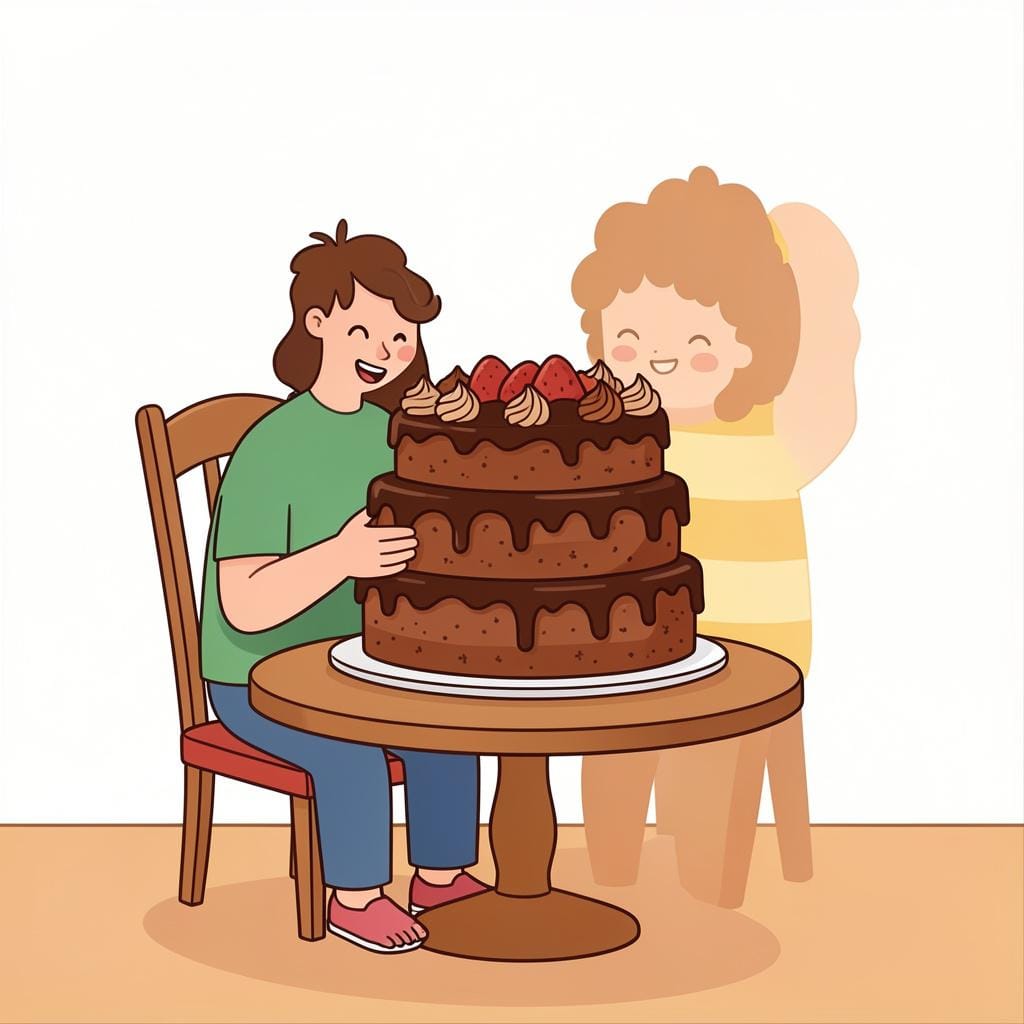
Este fin de semana me di un banquete de chocolate.
This weekend I had a chocolate treat (feast).
Me di un banquete de lectura este fin de semana.
I had a reading feast this weekend (I read a lot).
Reflexive use
When you use the phrase 'darse un banquete,' you are saying you 'gave yourself' a feast.
Treating vs. A Treat
Related Translations
Learn Spanish with Inklingo
Interactive stories, personalized learning, and more.