How to Say "cape" in Spanish
The most common Spanish word for “cape” is “capa” — use 'capa' when referring to a garment worn over the shoulders, like a cloak or mantle.
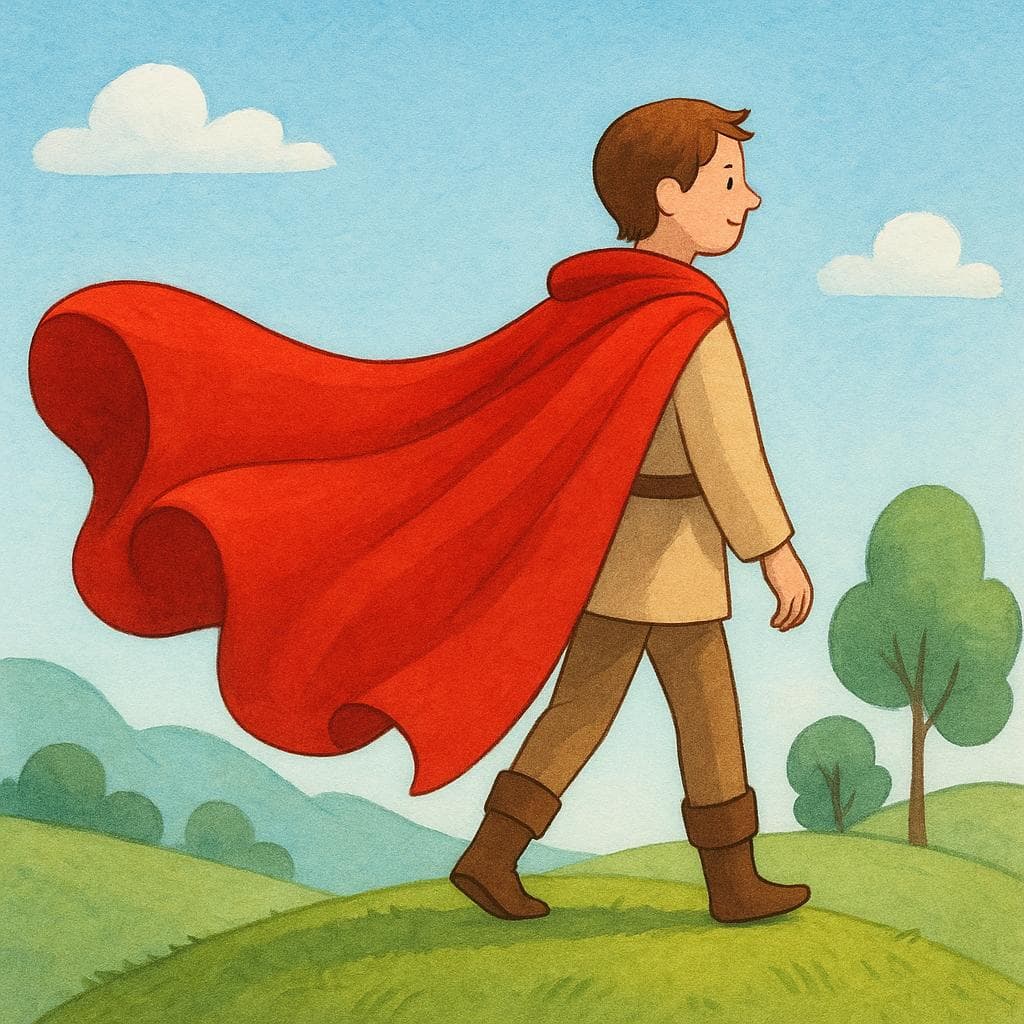
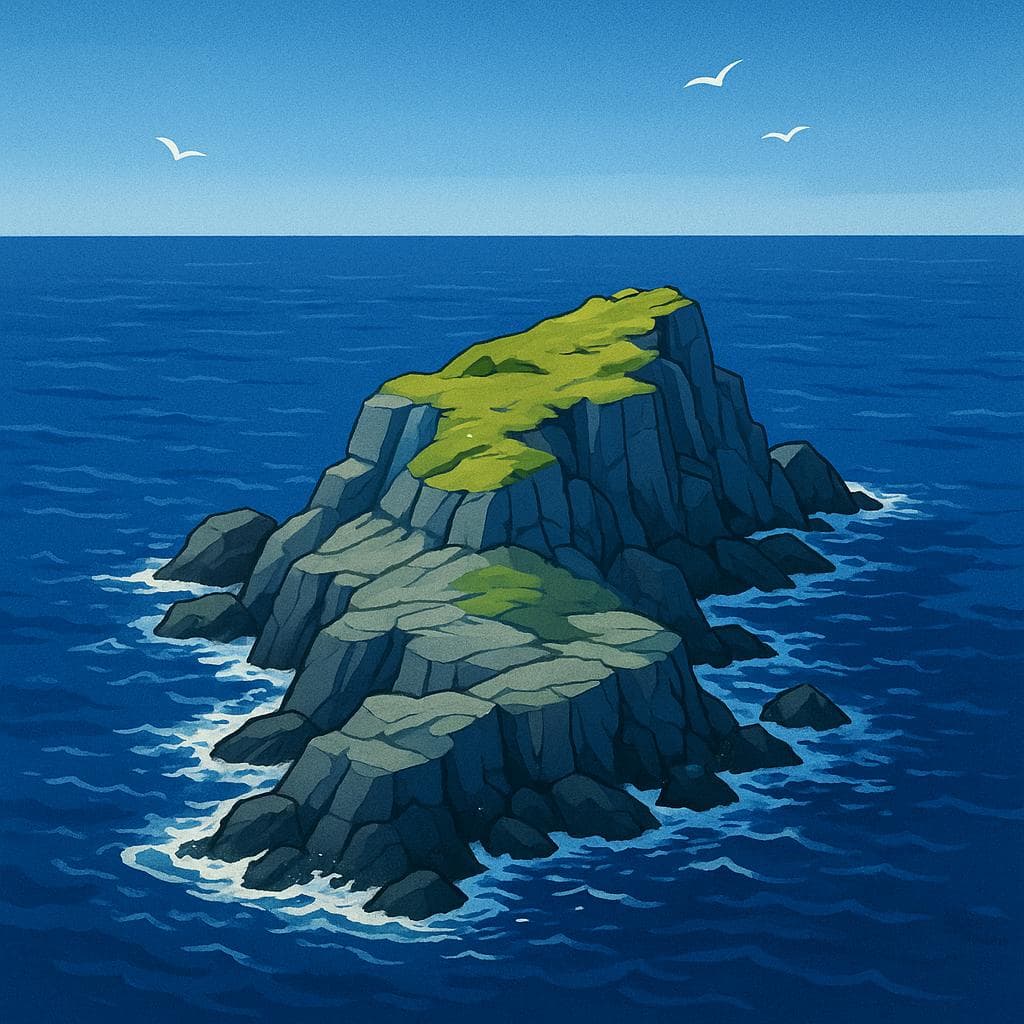
capa
KAH-pahˈkapa
Examples
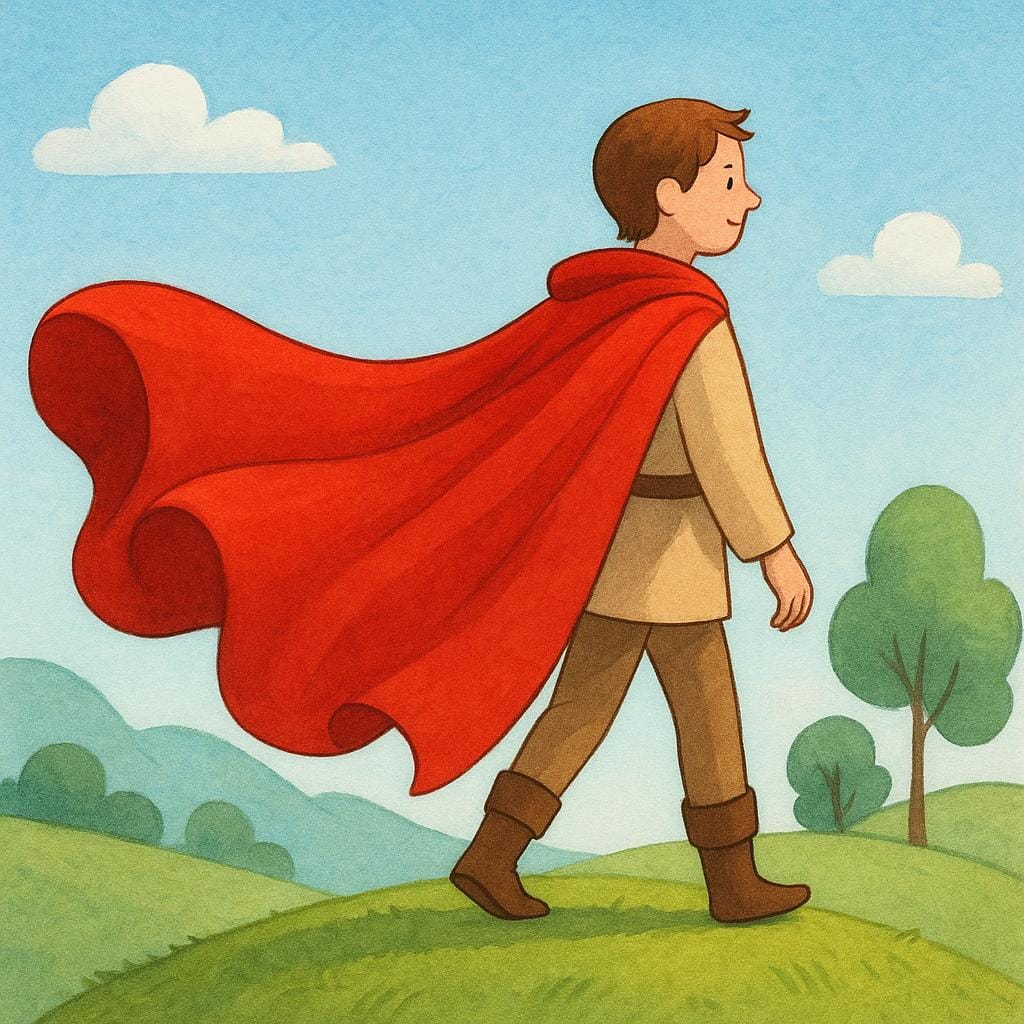
El mago llevaba una capa negra muy larga.
The magician was wearing a very long black cape.
Necesitas ponerte una capa si hace mucho frío.
You need to put on a cloak if it's very cold.
Gender Reminder
Even though it ends in '-a', remember 'capa' is always feminine: 'la capa' (the cape).
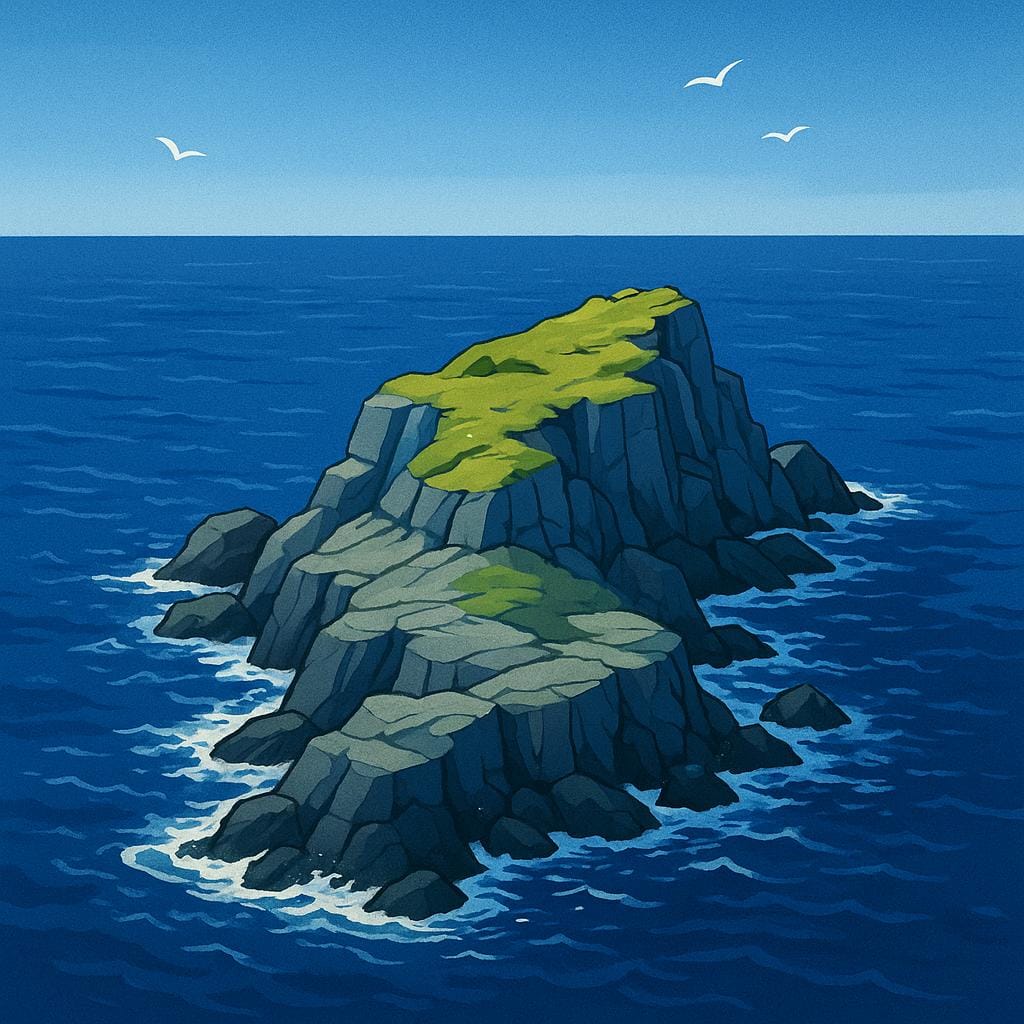
cabo
KAH-bohˈkaβo
Examples
El Cabo de Hornos es famoso por sus vientos fuertes.
Cape Horn is famous for its strong winds.
Desde aquí se puede ver el cabo en la distancia.
From here you can see the headland in the distance.
punta
POON-tahˈpunta
Examples
La Punta Cana es un destino turístico muy famoso.
Punta Cana is a very famous tourist destination (referring to the cape/headland).
Nos encontramos en la punta de la calle.
We met at the end of the street.
Geographical Use
When referring to a geographical feature like a cape, 'punta' is often part of a proper noun (e.g., Punta del Este).
Clothing vs. Geography
Learn Spanish with Inklingo
Interactive stories, personalized learning, and more.