How to Say "cloak" in Spanish
The most common Spanish word for “cloak” is “capa” — use 'capa' for a general-purpose cloak, often worn for warmth, protection, or as part of a costume (like a magician's cloak).
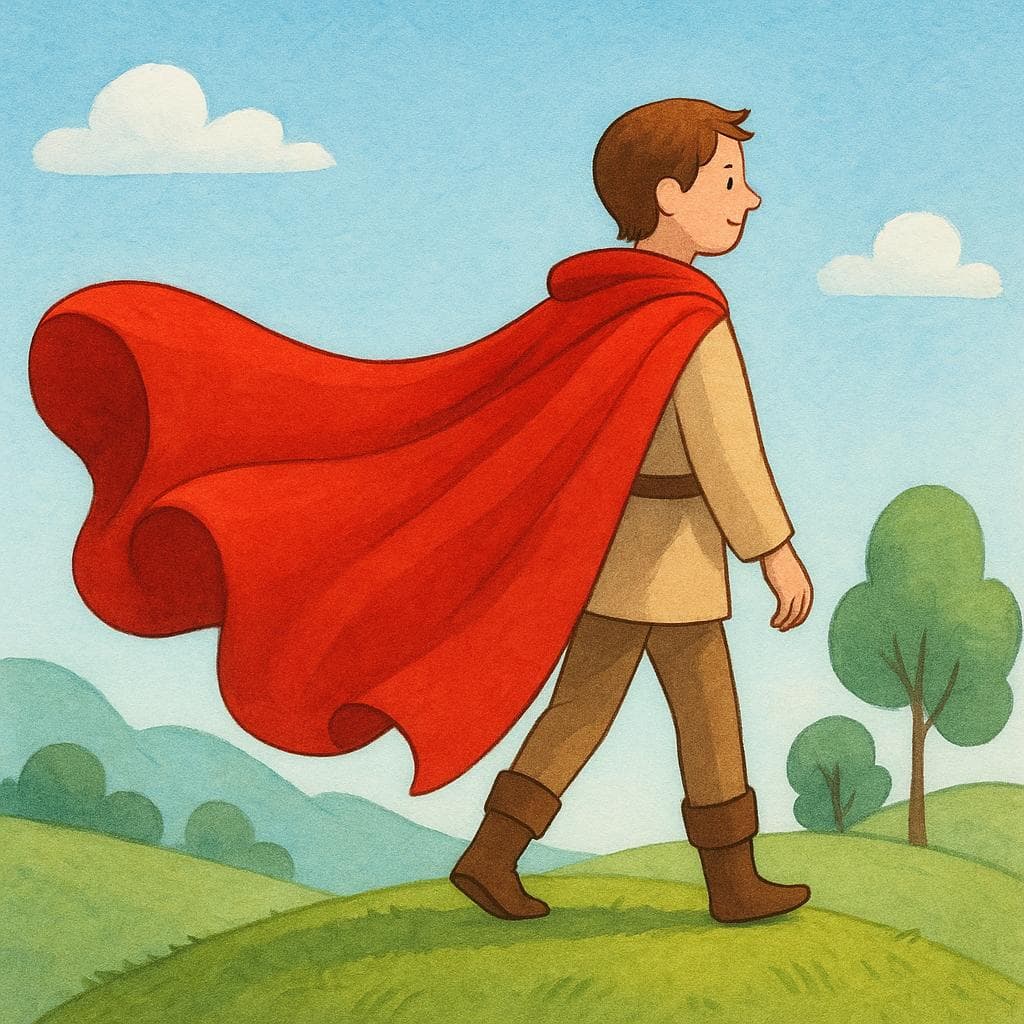
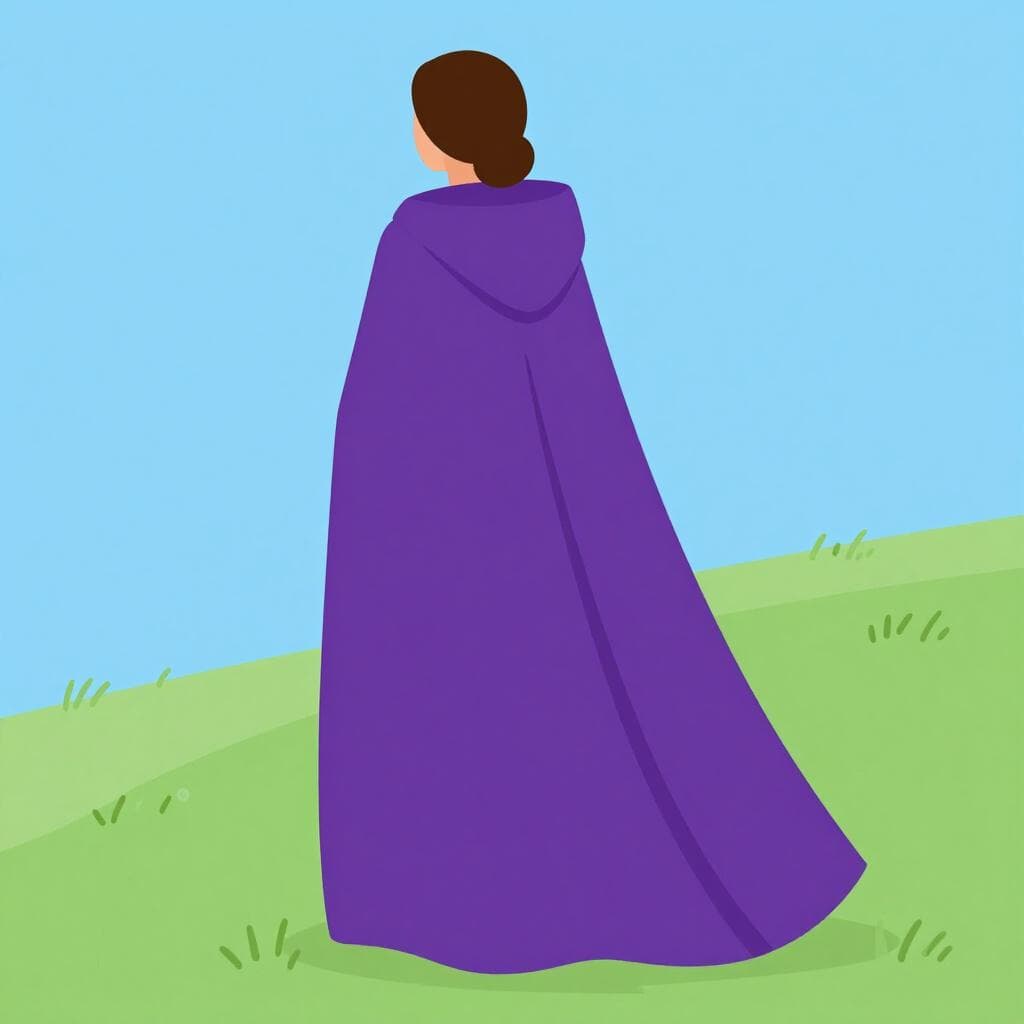
capa
KAH-pahˈkapa
Examples
El detective se cubrió con su capa para protegerse de la lluvia.
The detective covered himself with his cloak to protect himself from the rain.
El mago llevaba una capa negra muy larga.
The magician was wearing a very long black cape.
Necesitas ponerte una capa si hace mucho frío.
You need to put on a cloak if it's very cold.
Gender Reminder
Even though it ends in '-a', remember 'capa' is always feminine: 'la capa' (the cape).
manto
mahn-tohˈmanto

Examples
La reina usó un manto de armiño en la ceremonia de investidura.
The queen wore an ermine cloak at the investiture ceremony.
El rey llevaba un manto de terciopelo rojo durante la coronación.
The king wore a red velvet cloak during the coronation.
La estatua de la virgen tiene un manto bordado en oro.
The statue of the virgin has a cloak embroidered in gold.
En la obra de teatro, el villano se escondía tras su manto.
In the play, the villain hid behind his cloak.
Always Masculine
Even though it ends in 'o' like most masculine words, remember it always uses 'el' or 'un'. It doesn't change if a woman is wearing it.
Manto vs. Mantel
Mistake: “Using 'manto' to mean 'tablecloth'.”
Correction: Use 'mantel' for a tablecloth. 'Manto' is for clothing or covers.
Capa vs. Manto
Learn Spanish with Inklingo
Interactive stories, personalized learning, and more.