How to Say "shroud" in Spanish
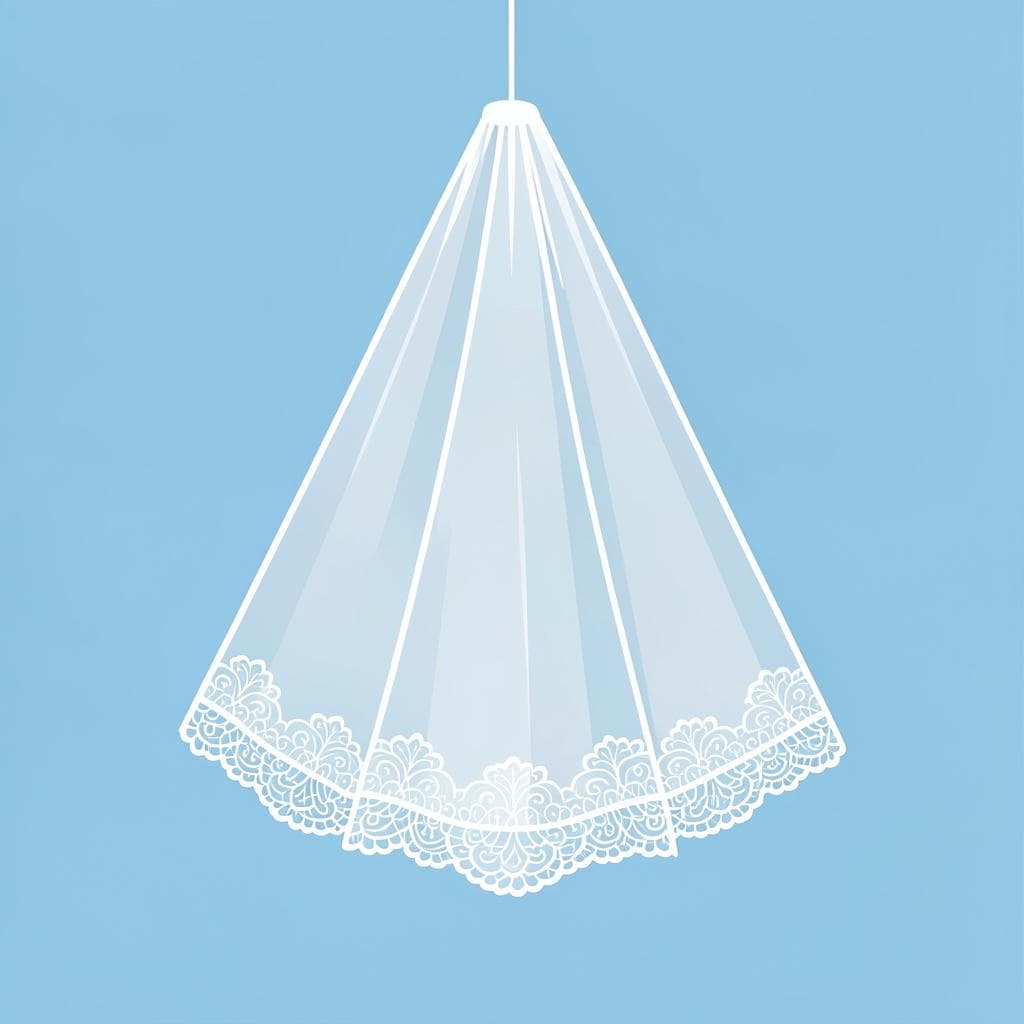
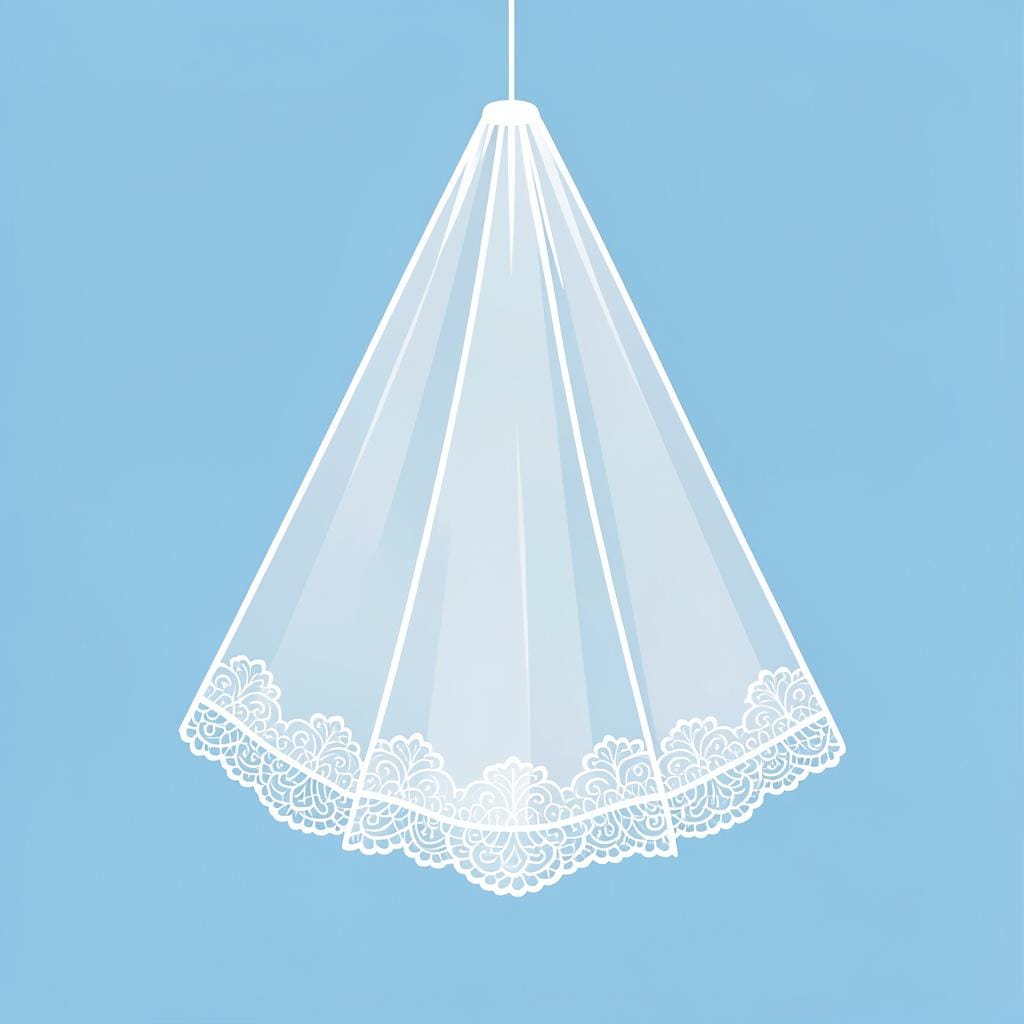
The most common Spanish word for “shroud” is “velo” — use 'velo' when referring to a literal veil, often made of fabric, that covers the face or head, such as a bride's veil.

velo
beh-lohˈbelo
Examples
La novia lució un velo de encaje que caía hasta sus hombros.
The bride wore a lace veil that fell to her shoulders.
La novia eligió un velo de encaje muy largo.
The bride chose a very long lace veil.
Ella se cubrió con un velo por respeto.
She covered herself with a veil out of respect.
Gender Check
Even though it ends in 'o', it's a masculine noun, so always use 'el' or 'un' with it.
Velo vs. Vela
Mistake: “Using 'la velo' to mean candle.”
Correction: Say 'la vela' for candle and 'el velo' for veil. They are different words!
manto
mahn-tohˈmanto

Examples
Un manto de niebla cubría el valle al amanecer.
A shroud of mist covered the valley at dawn.
Un manto de nieve cubrió toda la ciudad durante la noche.
A blanket of snow covered the whole city during the night.
El manto terrestre es la capa más gruesa del planeta.
The Earth's mantle is the thickest layer of the planet.
La ciudad quedó oculta bajo un manto de neblina.
The city remained hidden under a shroud of mist.
Describing Layers
When you want to say something is 'covered in' a layer of something else, use the structure 'manto de' + [the material].
Confusing Science Terms
Mistake: “Saying 'el mantel de la Tierra'.”
Correction: Say 'el manto de la Tierra'. A 'mantel' is what you put on a dinner table!
sábana
Examples
Una sábana de hielo cubría el lago, impidiendo la navegación.
A shroud of ice covered the lake, preventing navigation.
telón
Examples
El escándalo actuó como un telón que ocultaba la verdadera corrupción.
The scandal acted as a shroud hiding the true corruption.
Confusing Natural Coverings
Learn Spanish with Inklingo
Interactive stories, personalized learning, and more.