How to Say "coat" in Spanish
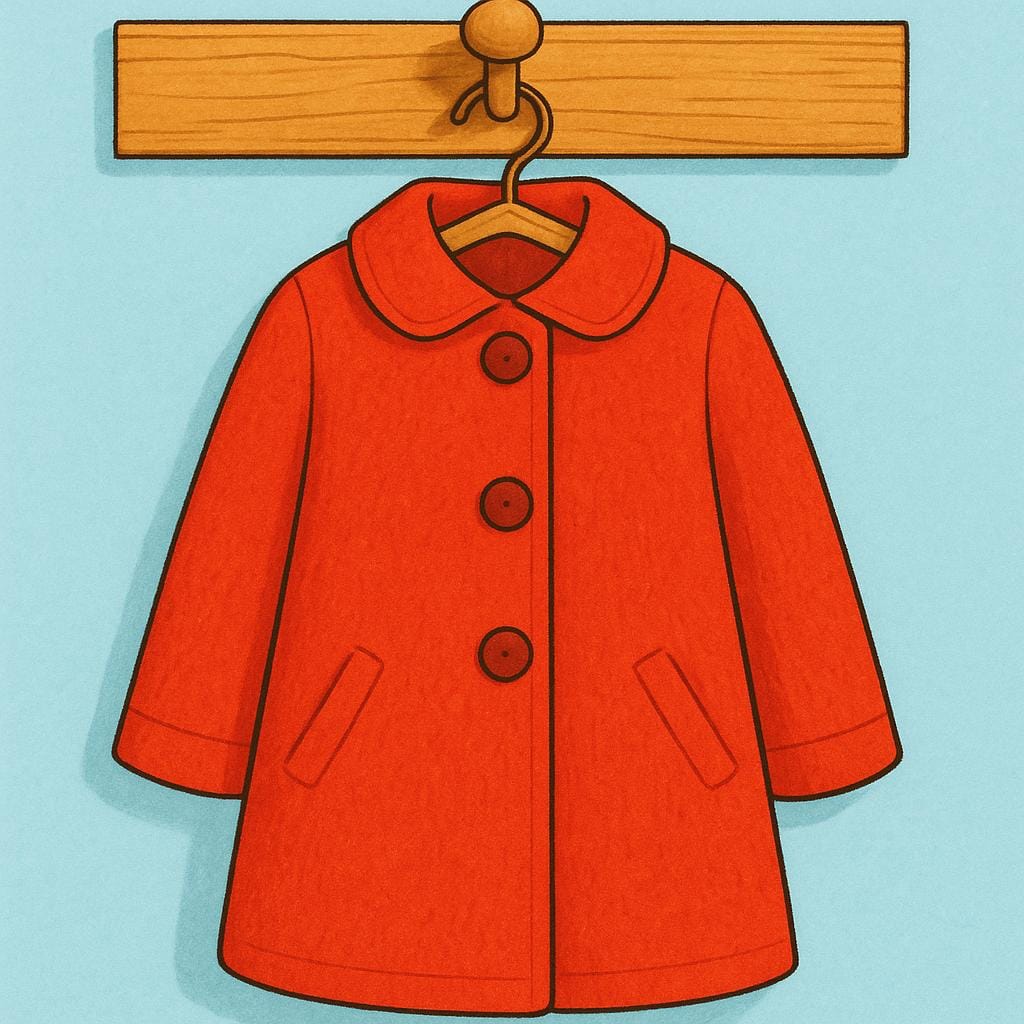
The most common Spanish word for “coat” is “abrigo” — use 'abrigo' for a heavy, warm outer garment worn for protection against the cold.
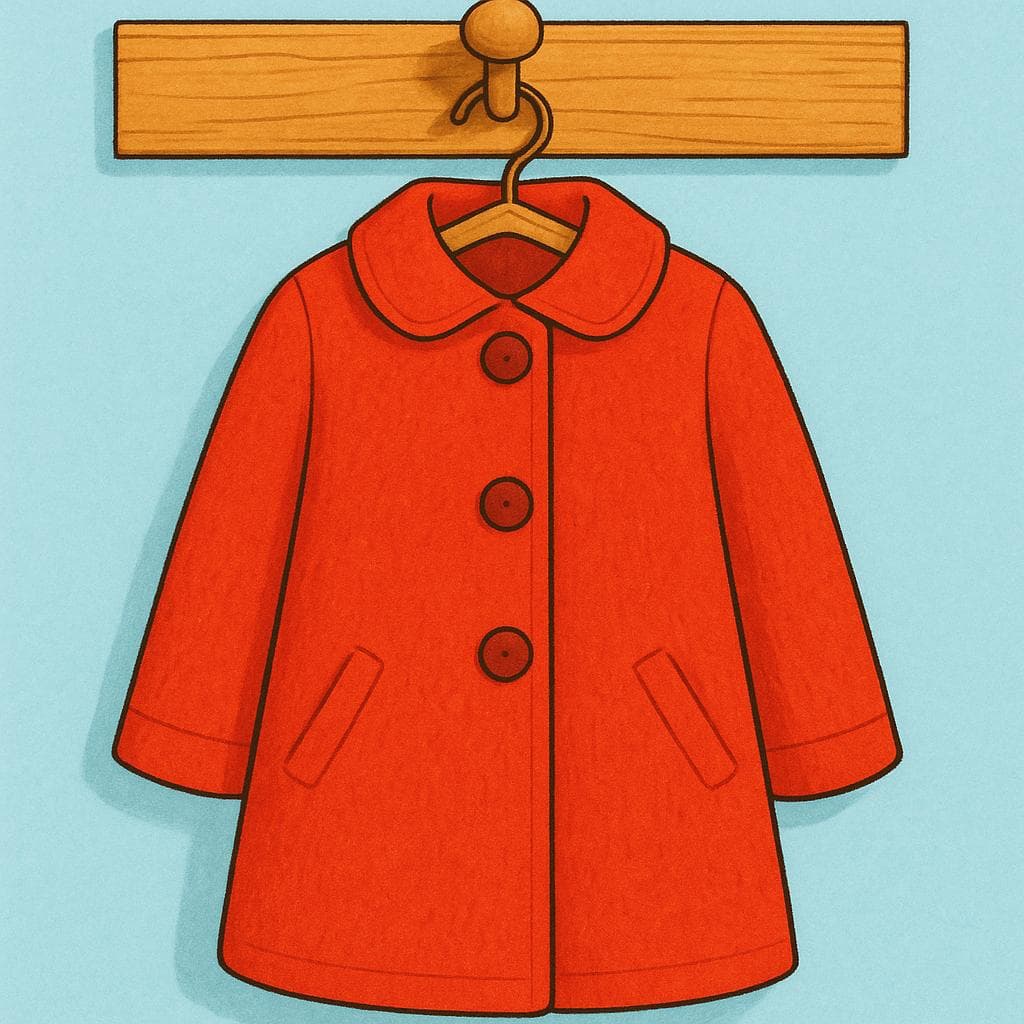
abrigo
ah-BREE-gohaˈβɾi.ɣo
Examples
Necesito un abrigo nuevo para el invierno.
I need a new coat for the winter.
Dejé mi abrigo olvidado en el restaurante.
I left my coat forgotten in the restaurant.
Este abrigo de lana es muy calentito.
This wool coat is very warm.
Gender Rule
Since 'abrigo' is a masculine noun, remember to use masculine articles and adjectives with it (el abrigo, un abrigo, abrigos grandes).
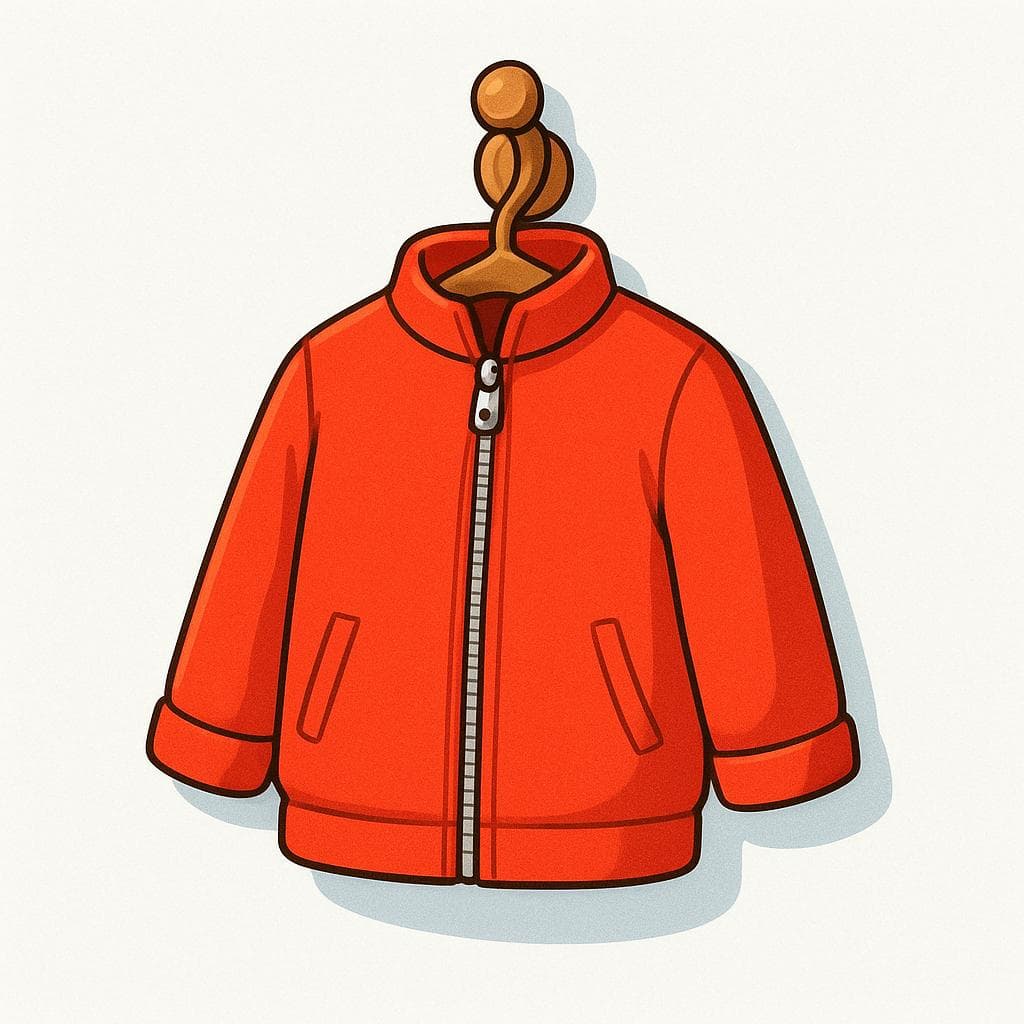
chaqueta
cha-KAY-tahtʃaˈketa
Examples
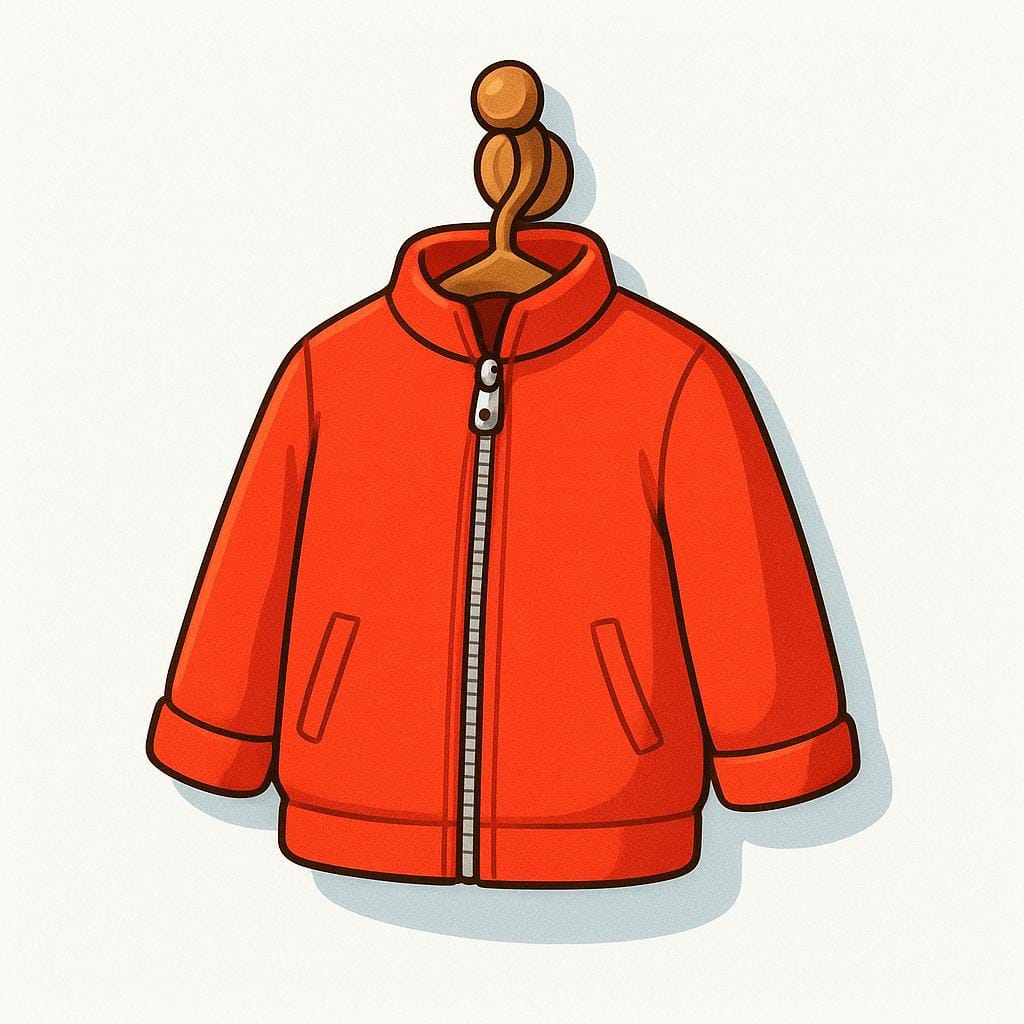
Ponte la chaqueta antes de salir, hace mucho viento.
Put on your jacket before going out, it's very windy.
Olvidé mi chaqueta en el restaurante, es de lana.
I forgot my jacket in the restaurant, it's wool.
El uniforme incluye una chaqueta gris y pantalones oscuros.
The uniform includes a gray blazer and dark pants.
Gender Check
Even though it ends in '-a,' remember that 'chaqueta' is always a feminine noun. You must use 'la' or 'una' before it.
Confusing Jacket and Coat
Mistake: “Using 'chaqueta' for a very heavy winter coat.”
Correction: For a long, heavy winter coat, the word 'abrigo' is usually better. 'Chaqueta' is typically shorter and lighter.
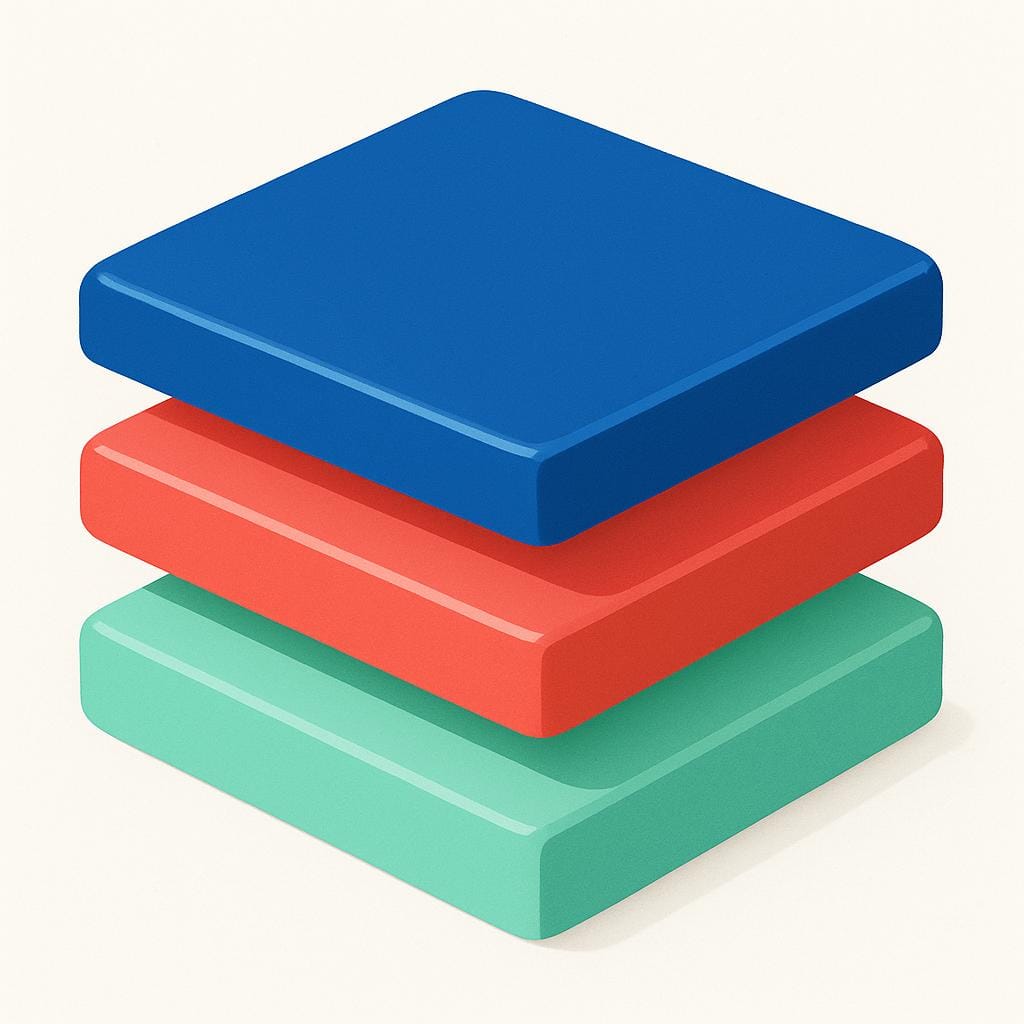
capa
KAH-pahˈkapa
Examples
Hay una capa de polvo muy gruesa sobre la mesa.
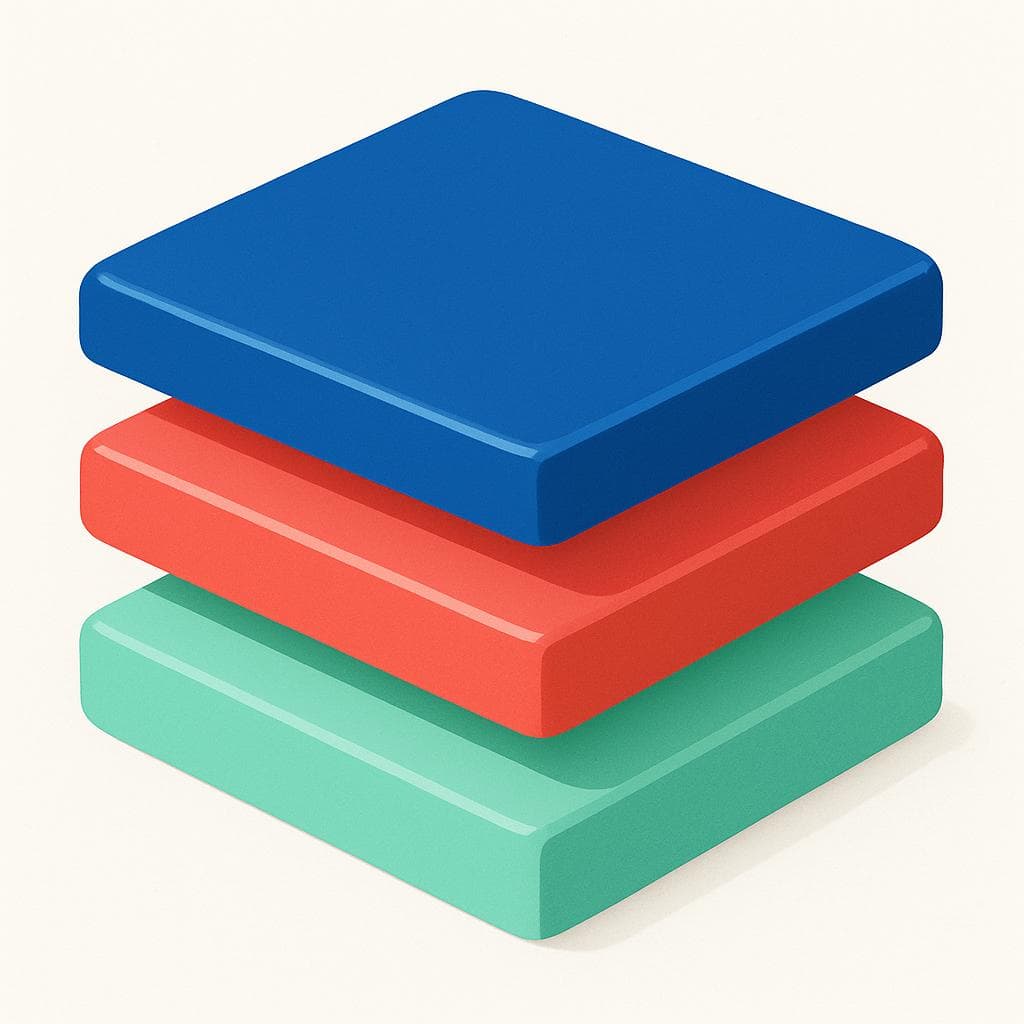
There is a very thick layer of dust on the table.
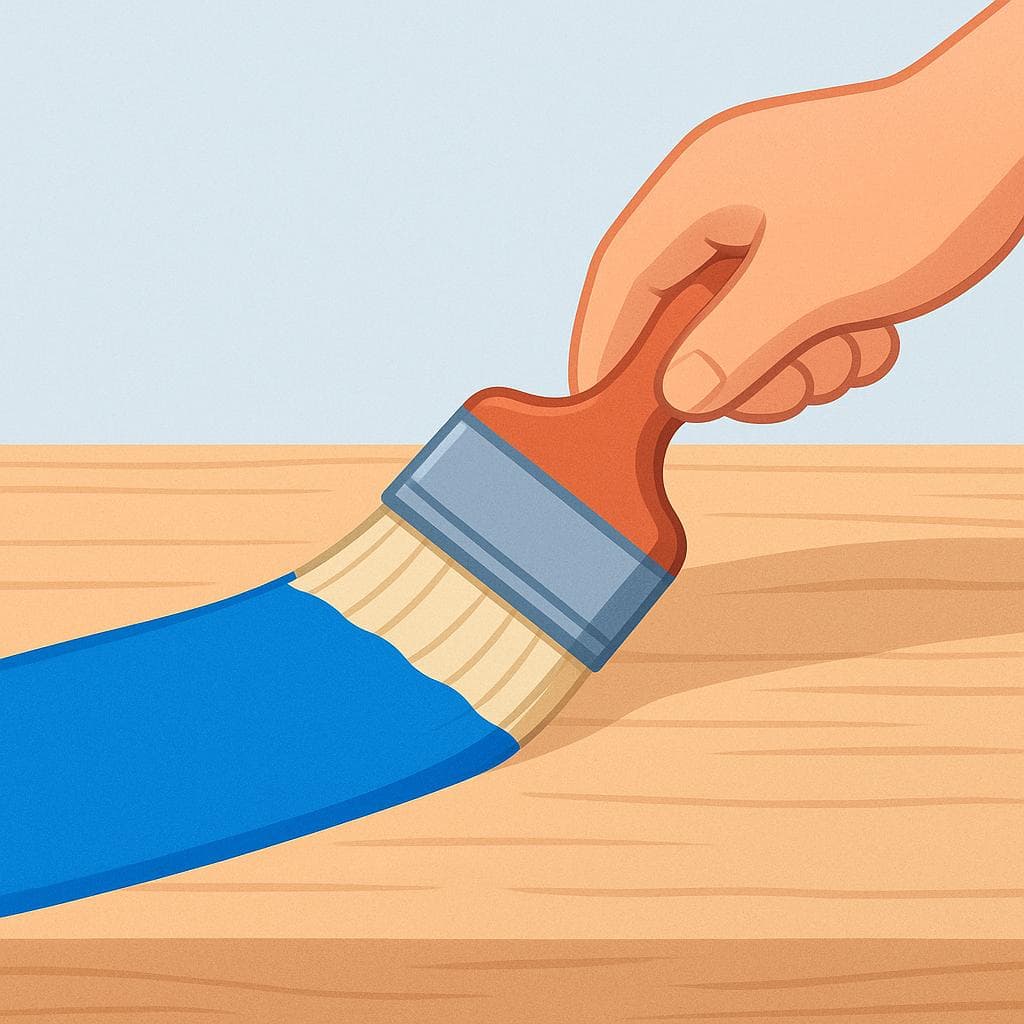
Necesitamos aplicar otra capa de pintura para que quede bien.
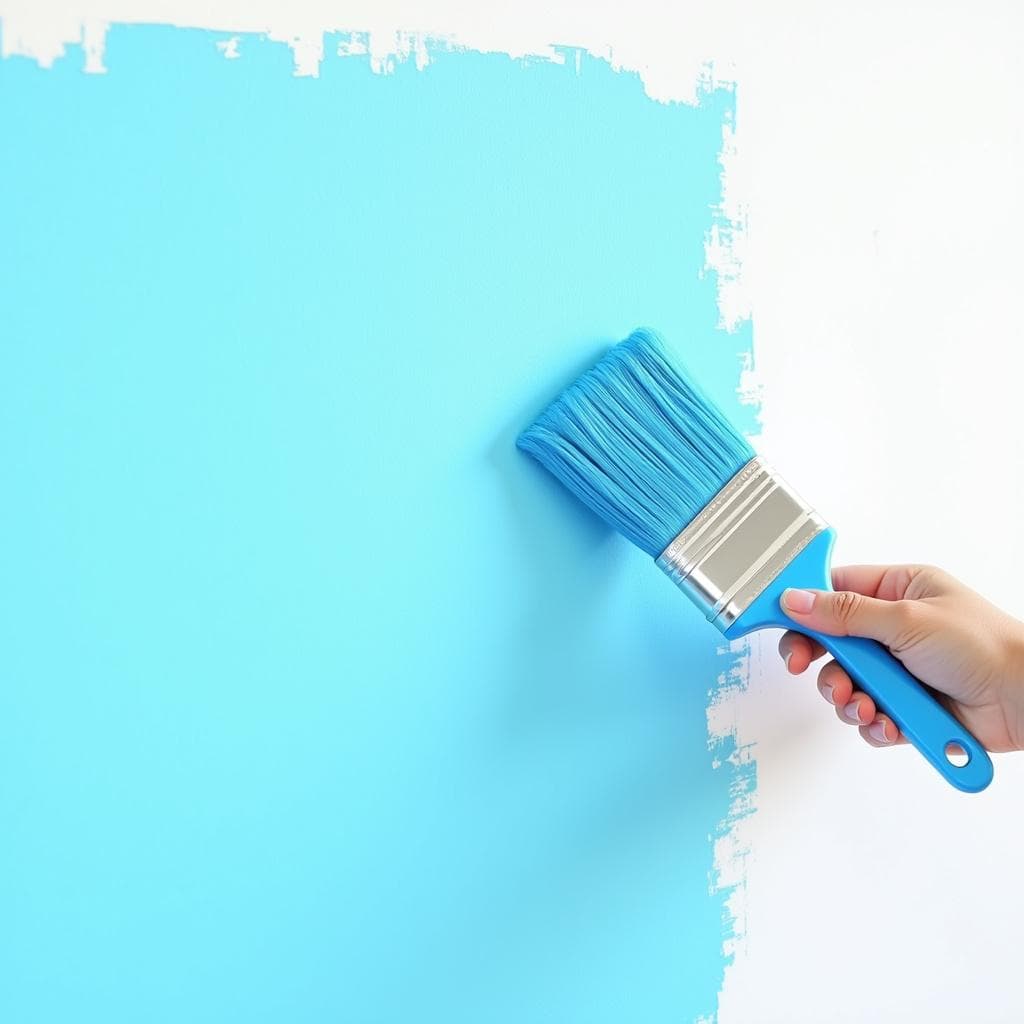
We need to apply another coat of paint so that it looks good.
La Tierra tiene varias capas, incluyendo la atmósfera.
The Earth has several layers, including the atmosphere.
Describing Thickness
To talk about how thick a layer is, use adjectives like 'gruesa' (thick) or 'fina' (thin), agreeing in gender: 'una capa fina'.
mano
mah-nohˈma.no
Examples
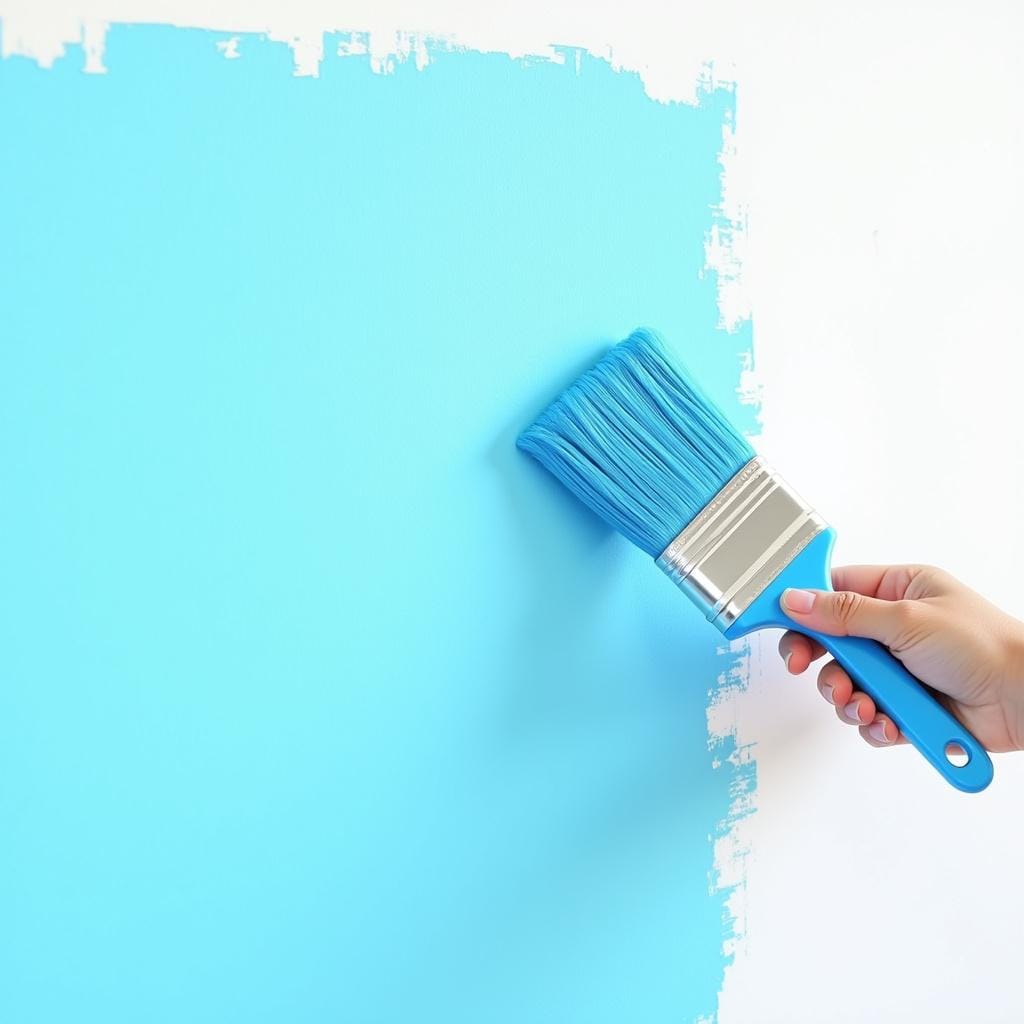
La pared necesita una segunda mano de pintura.
The wall needs a second coat of paint.
Con una mano de barniz será suficiente.
One coat of varnish will be enough.
pasada
pah-SAH-dahpaˈsaða
Examples
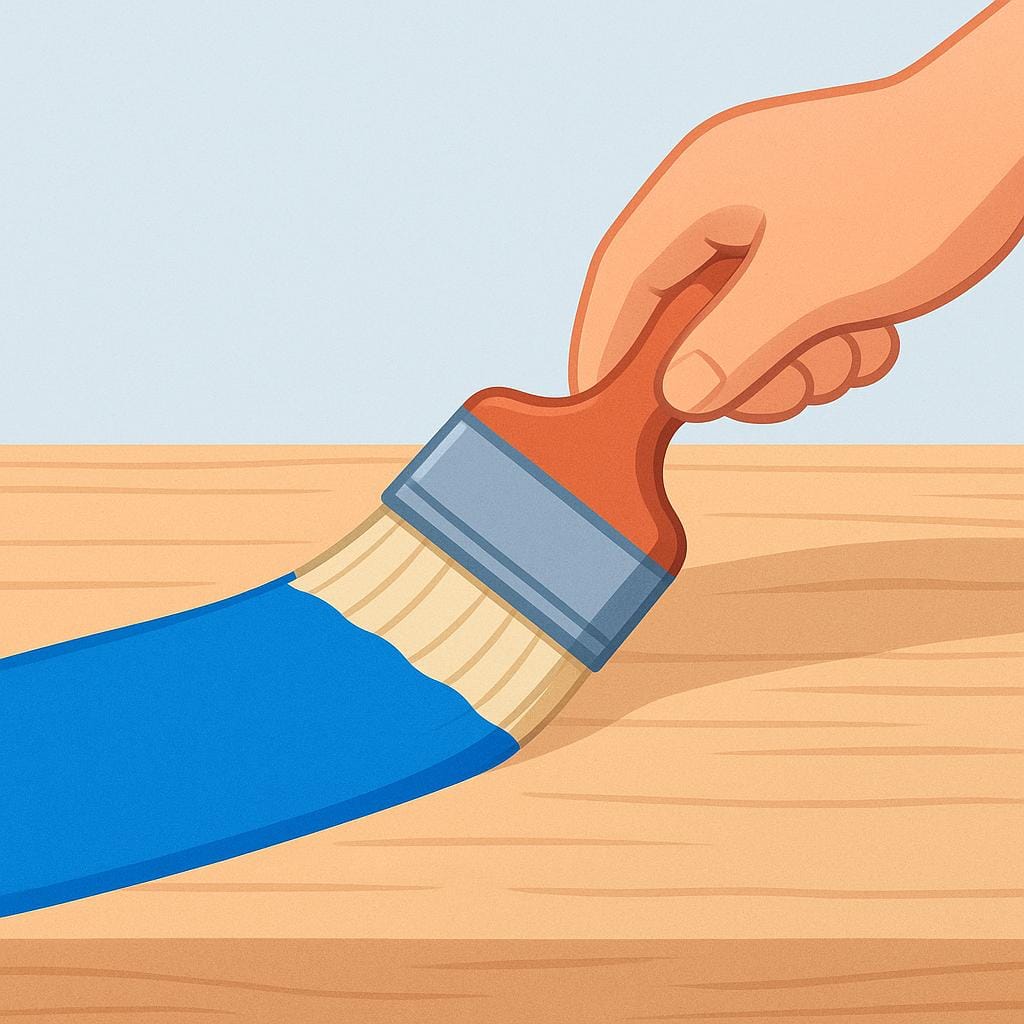
Esta pared necesita una segunda pasada de pintura blanca.
This wall needs a second coat of white paint.
Con una pasada de la plancha, la camisa quedó perfecta.
With one stroke of the iron, the shirt was perfect.
Counting Layers
When talking about layers, use ordinal numbers (primera, segunda) or cardinal numbers (una, dos, tres) before 'pasada': 'la tercera pasada de barniz' (the third coat of varnish).
saco
SAH-kohˈsa.ko
Examples
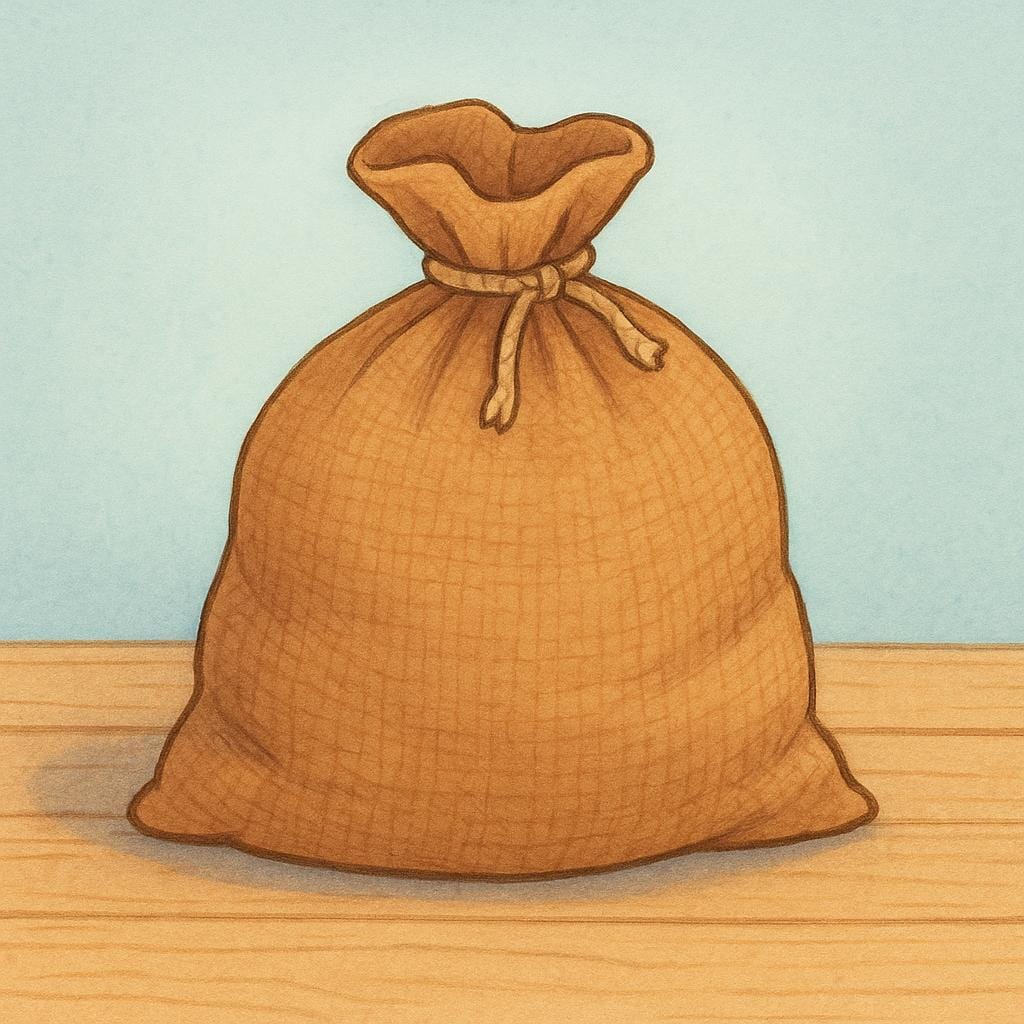
El granjero llenó el saco de papas.
The farmer filled the sack of potatoes.
Lleva un saco elegante para la reunión.
He is wearing a smart jacket for the meeting.
Necesito un saco de dormir para acampar.
I need a sleeping bag for camping.
Masculine Noun
Even though it ends in 'o,' remember to use the masculine articles: 'el saco' or 'un saco'.
túnica
Examples
La túnica externa del ojo se llama esclerótica.
The outer layer of the eye is called the sclera.
Clothing vs. Layers
Related Translations
Learn Spanish with Inklingo
Interactive stories, personalized learning, and more.