saco
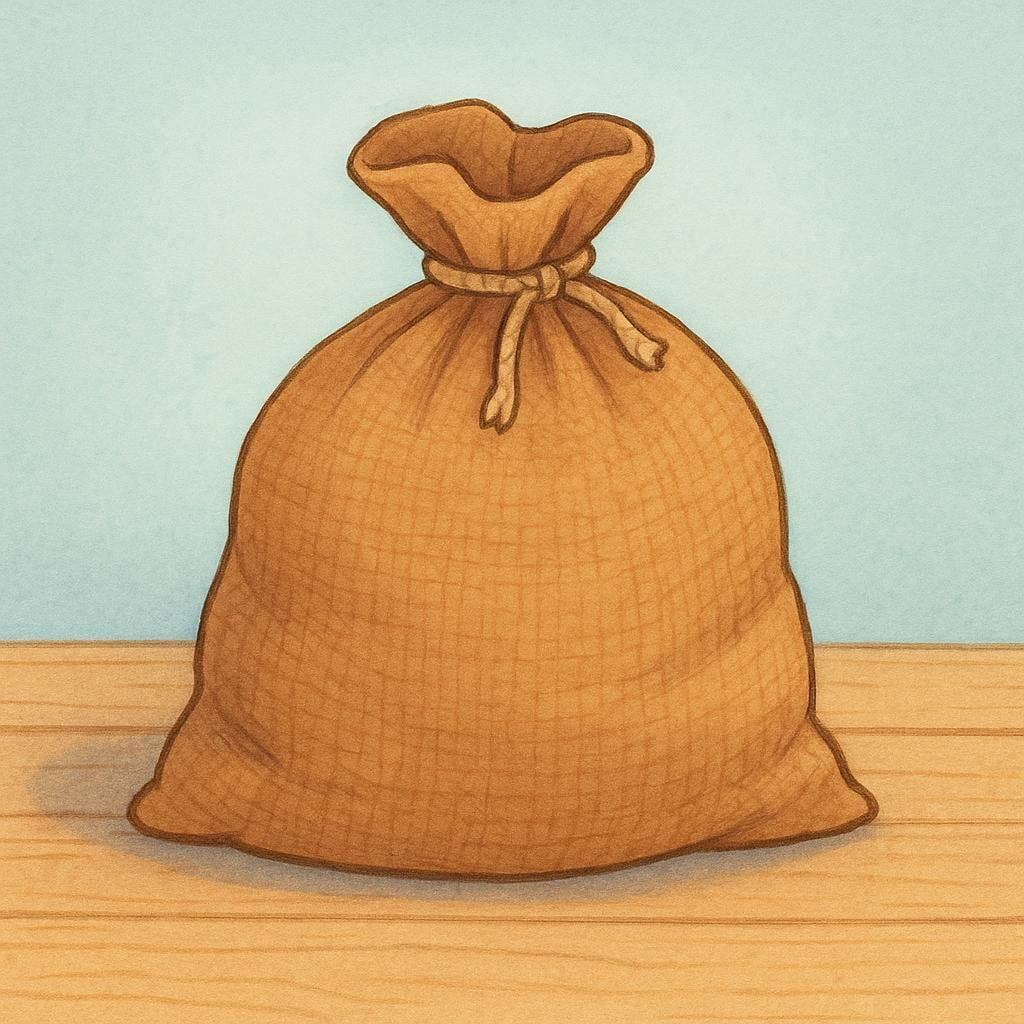
“saco” means “sack” in Spanish. It has 2 different meanings depending on context:


sack, bagAlso: jacket, coat
📝 In Action
El granjero llenó el saco de papas.
A1The farmer filled the sack of potatoes.
Lleva un saco elegante para la reunión.
A2He is wearing a smart jacket for the meeting.
Necesito un saco de dormir para acampar.
B1I need a sleeping bag for camping.
Word Connections
I take out, I pull outAlso: I get, I remove

📝 In Action
Saco mi cartera del bolsillo.
A1I take my wallet out of my pocket.
Saco muy buenas fotos con esta cámara.
A2I get very good photos with this camera.
Si saco tiempo, te ayudo con la mudanza.
B1If I find time, I will help you with the move.
Word Connections
Indicative
Present
Imperfect
Preterite
Subjunctive
Present Subjunctive
Imperfect Subjunctive
Translate to Spanish
✏️ Quick Practice
Quick Quiz: saco
Question 1 of 2
Which sentence uses 'saco' as a piece of clothing?
📚 More Resources
👥 Word Family
🎵 Rhymes
📚 Etymology
The noun 'saco' comes from the Latin word *saccus*, which itself was borrowed from Greek, meaning 'bag made of coarse cloth.' The verb form 'saco' comes from the verb *sacar*, which evolved from a combination of Latin roots related to extracting things from a sack.
First recorded: Around the 11th or 12th century in early Spanish texts.
Cognates (Related words)
💡 Master Spanish
Take your Spanish to the next level. Read 200+ illustrated and narrated Spanish stories tailored to your level with the Inklingo app!
Frequently Asked Questions
How do I know if 'saco' means 'bag' or 'I take out'?
You can tell by the words around it. If it has 'el' or 'un' before it (el saco), it's the noun ('the bag/jacket'). If it's used at the start of a sentence or before an object (Saco la llave), it's the verb form ('I take out').
Is 'saco' a hard verb to conjugate?
Not at all! The base verb 'sacar' is regular in most forms. You only need to remember the small spelling change from 'c' to 'qu' in the past tense 'yo' form (saqué) and in the special verb forms (like 'saque') to keep the sound consistent.