oreja
“oreja” means “ear (external part)” in Spanish. It has 3 different meanings depending on context:


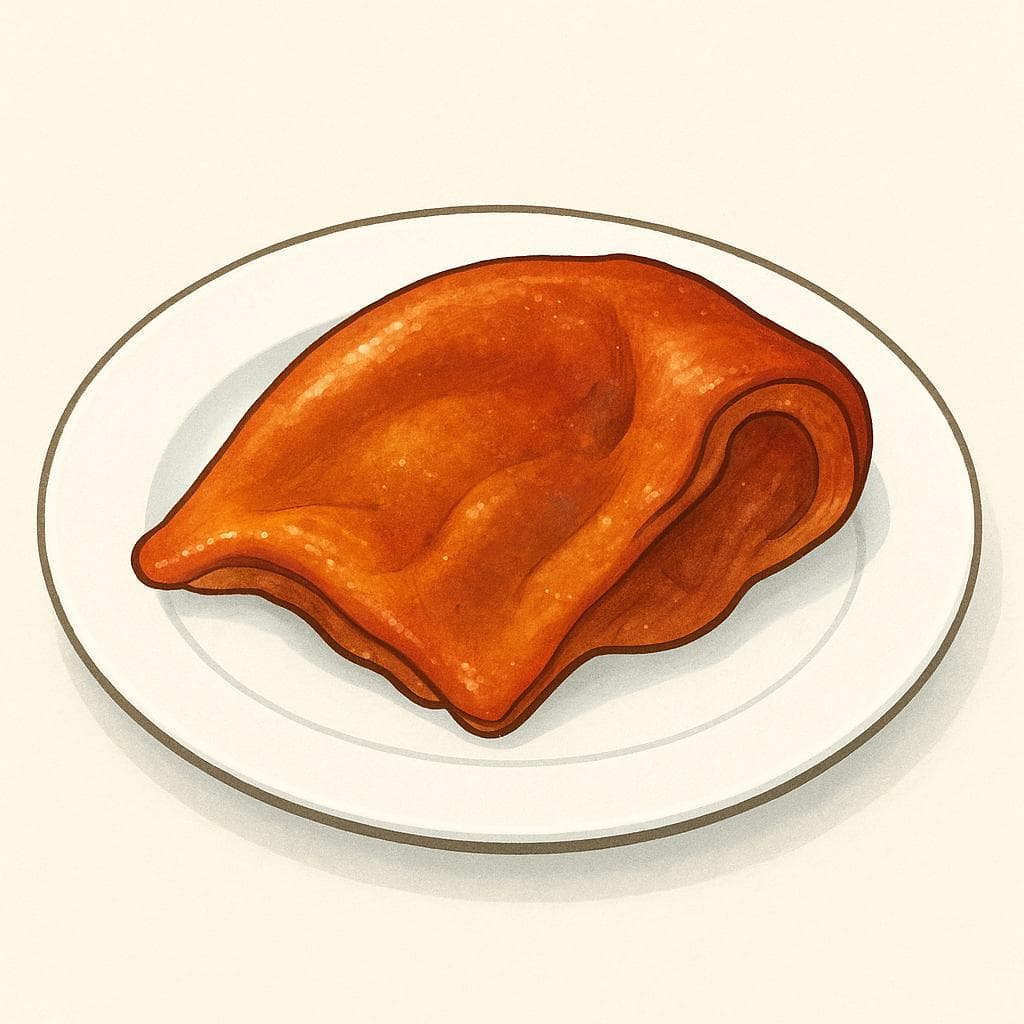
ear (external part)

📝 In Action
Me duele la oreja después de nadar en la piscina.
A1My ear hurts after swimming in the pool.
Tiene las orejas pequeñas y redondas.
A2She has small, round ears.
Word Connections
handleAlso: lug

📝 In Action
Se me rompió la oreja de la taza de café.
B1The handle of my coffee cup broke off.
Las cestas tienen una oreja fuerte para colgarlas.
B2The baskets have a strong loop/handle to hang them up.
Word Connections
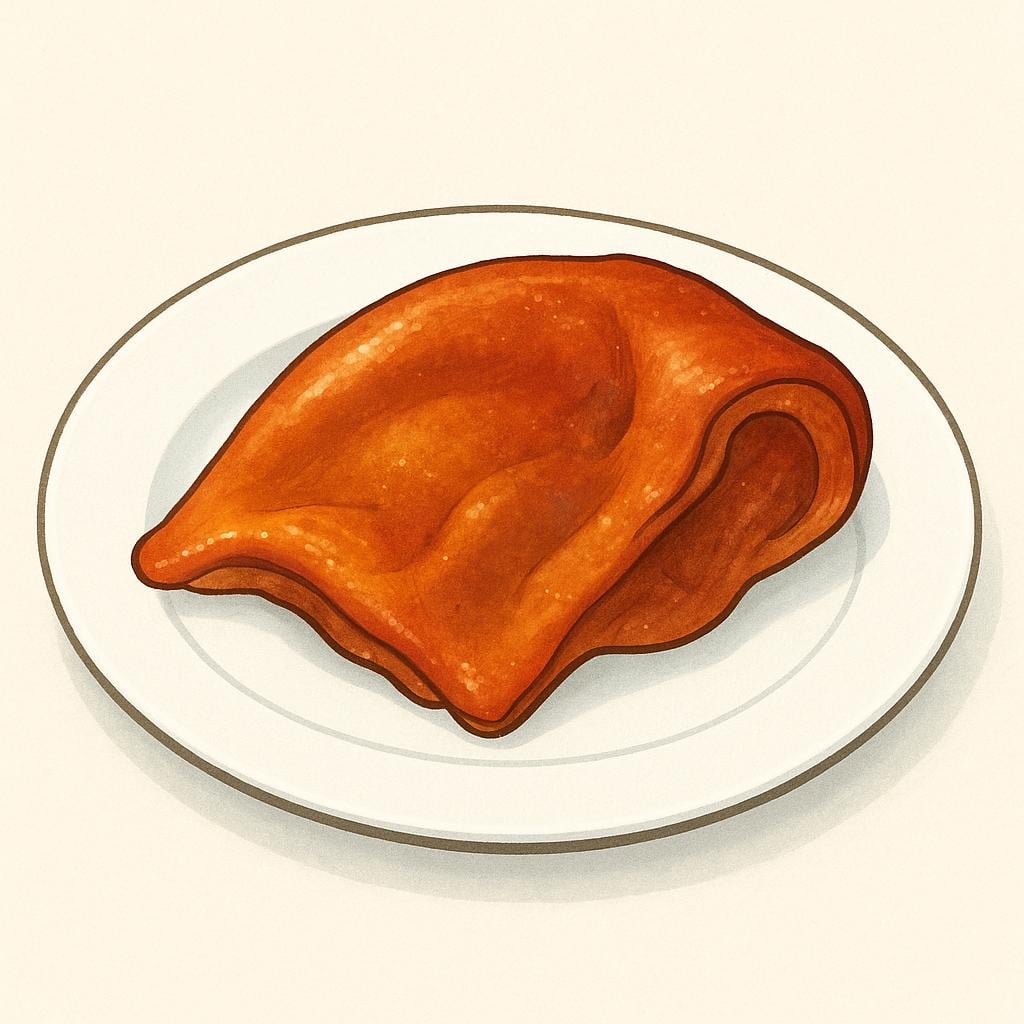
pig's earAlso: pastry (shaped like an ear)
📝 In Action
En Galicia es común comer oreja de cerdo en invierno.
B2In Galicia, it is common to eat pig's ear in winter.
Quiero una oreja con azúcar y canela para el postre.
C1I want an 'oreja' pastry with sugar and cinnamon for dessert.
✏️ Quick Practice
Quick Quiz: oreja
Question 1 of 2
Which sentence uses 'oreja' in its figurative meaning?
📚 More Resources
👥 Word Family
📚 Etymology
Comes from the Latin word *auricula*, which was a diminutive form of *auris* (meaning 'ear'). The ending changed over time from the Latin diminutive, giving us the modern Spanish word.
First recorded: Medieval Latin period
Cognates (Related words)
💡 Master Spanish
Take your Spanish to the next level. Read 200+ illustrated and narrated Spanish stories tailored to your level with the Inklingo app!
Frequently Asked Questions
What is the difference between 'oreja' and 'oído'?
'Oreja' is the external, visible flap of the ear (what you wear earrings on). 'Oído' refers to the internal parts of the ear and the actual sense of hearing itself.
Is 'oreja' only used for human ears?
No, 'oreja' is used for the external ears of both humans and animals (like dogs or elephants). However, the smaller, internal parts are usually referred to as 'oído'.