How to Say "rim" in Spanish
The most common Spanish word for “rim” is “aro” — use 'aro' for the metal hoop of a basketball goal.





aro
AH-rohˈa.ɾo

Examples
El jugador lanzó la pelota y pasó justo por el aro.
The player threw the ball, and it went right through the hoop.
Me encantan esos aros de plata que llevas puestos.
I love those silver hoop earrings you are wearing.
Para esta receta, necesitas cortar la cebolla en aros finos.
For this recipe, you need to cut the onion into thin rings.
Aro vs. Anillo
Use 'anillo' for rings you wear on your fingers. Use 'aro' for larger hoops, circular objects, or hoop-shaped earrings.
Plural Form
To make it plural, just add an 's' to get 'aros'. It follows the standard pattern for words ending in a vowel.
Wedding Rings
Mistake: “Me puse mi aro de matrimonio.”
Correction: Me puse mi anillo de matrimonio.
borde
BOAR-dehˈboɾ.ðe

Examples
Ten cuidado de no caerte del borde de la piscina.
Be careful not to fall off the edge of the pool.
El borde del plato estaba decorado con oro.
The rim of the plate was decorated with gold.
Estábamos al borde de la desesperación.
We were on the verge of desperation.
Masculine Noun Rule
'Borde' is always a masculine noun, so you must use 'el' or 'un' before it.
Confusing 'Borde' and 'Esquina'
Mistake: “Using 'borde' when you mean 'corner' (esquina).”
Correction: Use 'borde' for the length of an edge, and 'esquina' for where two edges meet.
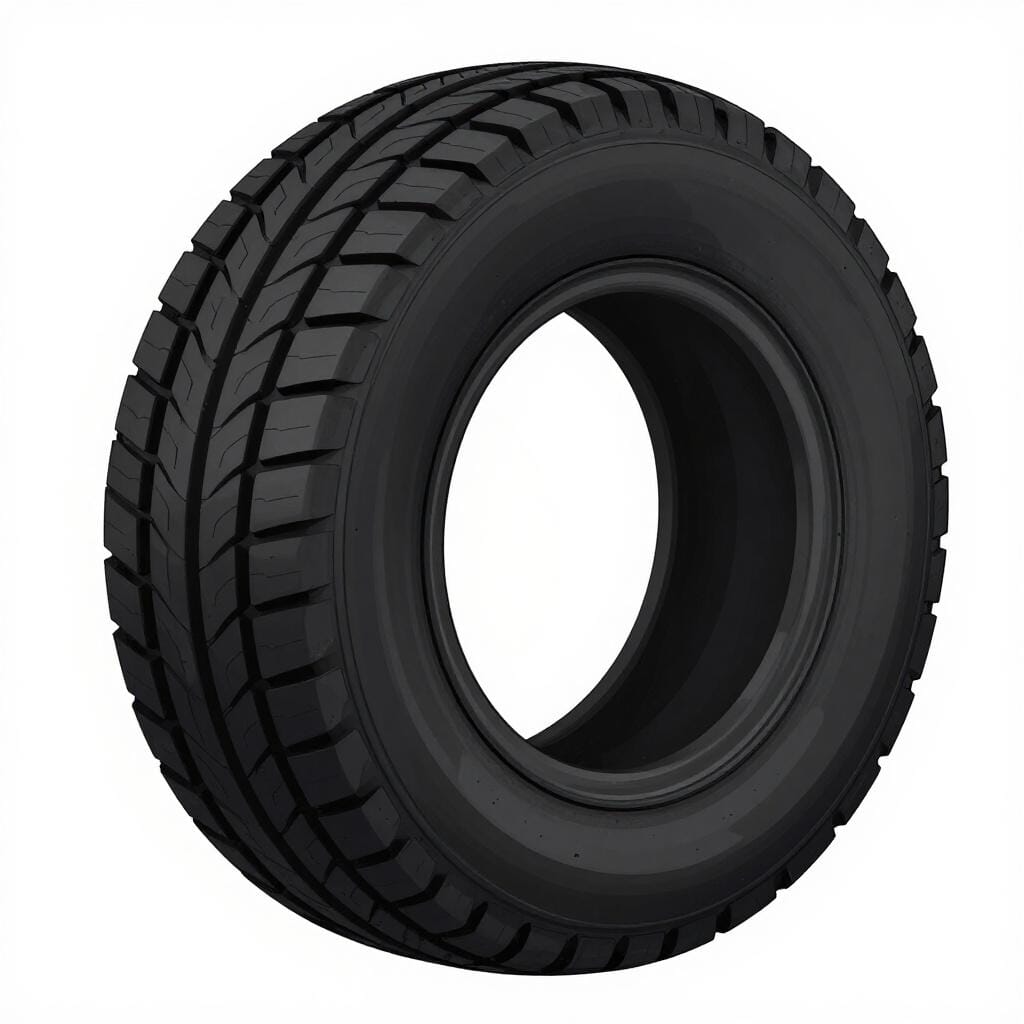
llanta
yan-tahˈʝanta
Examples
Tengo una llanta pinchada y no puedo conducir.
I have a flat tire and I can't drive.
Debes revisar la presión de las llantas antes de un viaje largo.
You should check the tire pressure before a long trip.
Ese coche deportivo tiene unas llantas de aleación muy brillantes.
That sports car has very shiny alloy rims.
A 'Female' Word
Since this word ends in 'a', it is feminine. Use 'la llanta' for one and 'las llantas' for more than one.
Llanta vs. Rueda
While 'rueda' is the whole wheel assembly, 'llanta' specifically refers to the rubber tire in Latin America or the metal rim in Spain.
Confusing it with the Steering Wheel
Mistake: “Using 'llanta' to mean the wheel you hold while driving.”
Correction: Use 'volante' for the steering wheel. 'Llanta' only refers to the wheels on the ground.
bordo
BOR-dohˈboɾ.ðo

Examples
El carpintero lijó el bordo de la mesa para suavizarlo.
The carpenter sanded the edge of the table to smooth it.
Todos los pasajeros están a bordo del avión.
All the passengers are on board the plane.
El capitán miró por encima del bordo del barco.
The captain looked over the side of the boat.
La policía revisó la documentación a bordo del vehículo.
The police checked the documentation inside the vehicle.
The fixed phrase 'a bordo'
When talking about being 'on' a vehicle (ship, plane, train), Spanish uses the fixed phrase 'a bordo' (on board). Even though 'a' usually means 'to,' here it acts like 'on' or 'at'.
Using 'en' instead of 'a'
Mistake: “Estamos en bordo del barco.”
Correction: Estamos a bordo del barco. Always use 'a' with 'bordo' in this context.
cerco
SER-kohˈθeɾko

Examples
El granjero construyó un cerco de madera para proteger a sus ovejas.
The farmer built a wooden fence to protect his sheep.
La policía estableció un cerco alrededor del edificio para que nadie escapara.
The police set up a perimeter around the building so that no one would escape.
Había un cerco de luz alrededor de la luna anoche.
There was a halo of light around the moon last night.
Cerco vs. Cerca
While both mean 'fence', 'cerco' is often used for larger enclosures or strategic perimeters, while 'cerca' is the standard word for a backyard fence.
Using 'estrechar el cerco'
This phrase is used figuratively to mean that a mystery is being solved or a criminal is about to be caught.
Confusing with 'Cerca'
Mistake: “Estoy cerco de la casa.”
Correction: Estoy cerca de la casa. Use 'cerca' for 'near' and 'cerco' for 'fence/siege'.
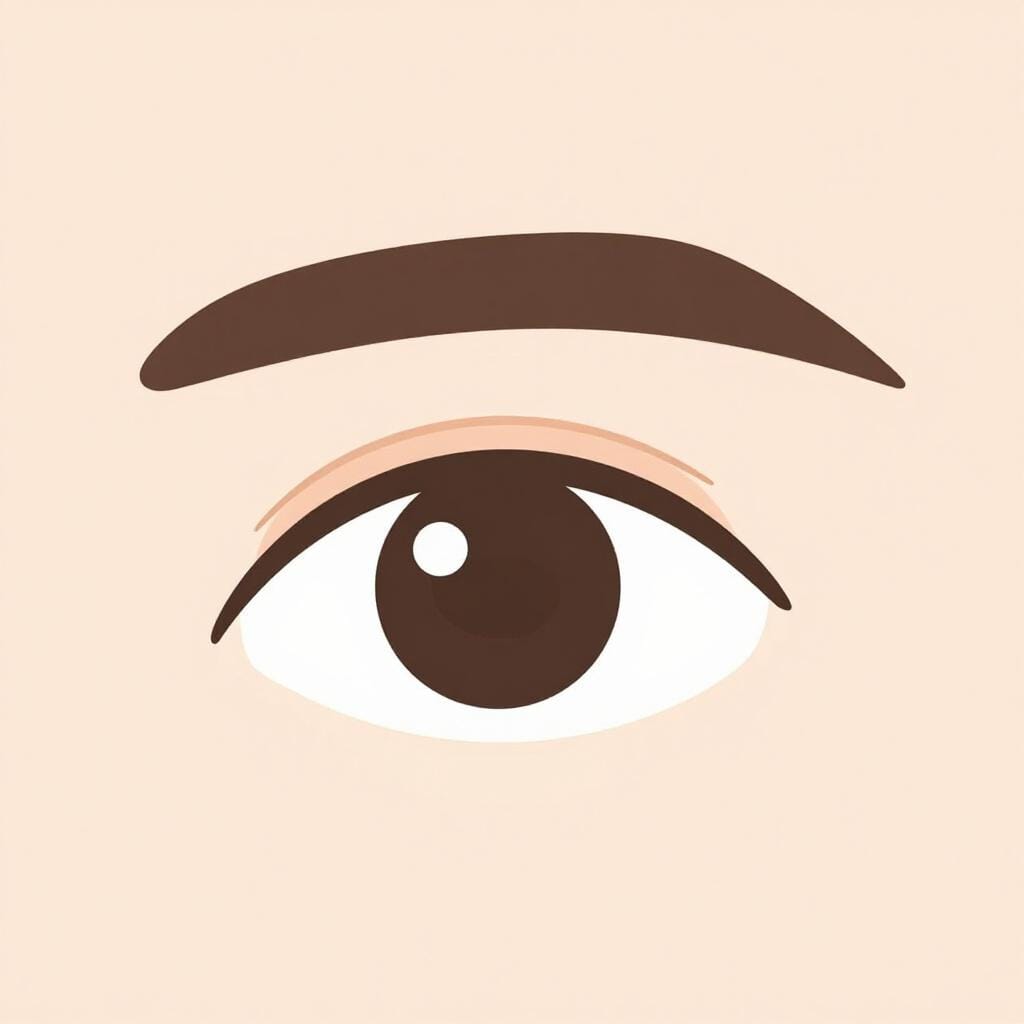
ceja
SEH-hahˈθexa
Examples
La caravana acampó en la ceja de la montaña.
The caravan camped on the brow of the mountain.
Ella tiene las cejas muy oscuras.
She has very dark eyebrows.
Me duele la cicatriz que tengo sobre la ceja.
The scar I have above my eyebrow hurts.
Él levantó una ceja con sorpresa cuando escuchó el precio.
He raised an eyebrow in surprise when he heard the price.
Using 'the' instead of 'my'
In Spanish, when talking about body parts like 'cejas', we use 'las' (the) instead of 'mis' (my). For example, say 'Me depilo las cejas' rather than 'Me depilo mis cejas'.
Gender and Number
Ceja is a feminine word. Since most people have two, you will almost always see it used in the plural form: 'las cejas'.
Don't confuse with eyelashes
Mistake: “Me puse rímel en las cejas.”
Correction: Me puse rímel en las pestañas. 'Ceja' is the eyebrow (above the eye), while 'pestaña' is the eyelash (on the eyelid).
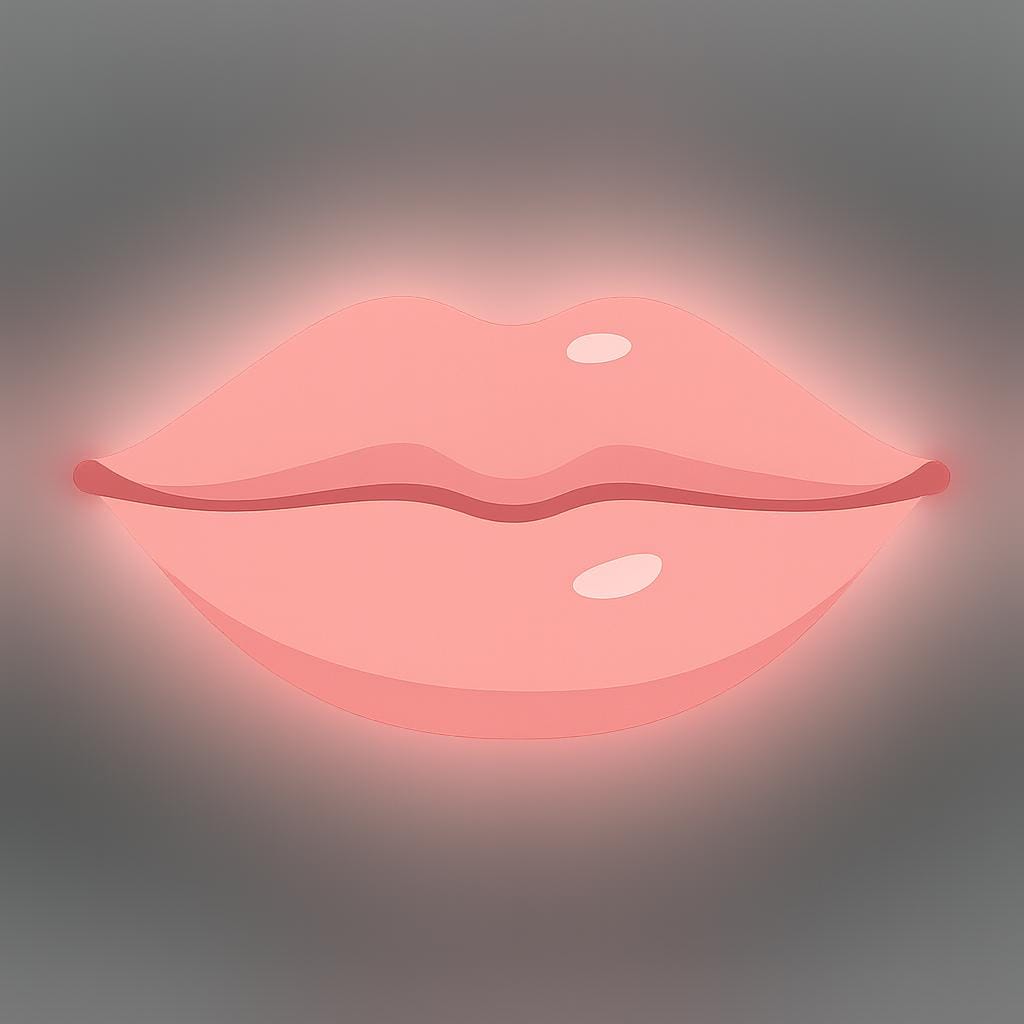
labios
LAH-byosˈla.βjos
Examples
Ella se pinta los labios de color rojo intenso.
She paints her lips a deep red color.
Por favor, no te muerdas los labios cuando estés nerviosa.
Please don't bite your lips when you are nervous.
El silencio en sus labios indicaba que no quería hablar del tema.
The silence on his lips indicated that he didn't want to talk about the subject.
Using 'The' for Body Parts
When talking about your own body parts or those of someone else, Spanish often uses 'el/la/los/las' (the) instead of 'mi/tu/su' (my/your/his/her). For example: 'Me lavo los labios' (I wash my lips).
Using Possessive Adjectives
Mistake: “Me duelen mis labios.”
Correction: Me duelen los labios. (The action verb 'doler' already tells us who owns the lips, making 'mis' unnecessary and awkward.)
Borde vs. Bordo
Learn Spanish with Inklingo
Interactive stories, personalized learning, and more.