llanta
“llanta” means “tire” in Spanish. It has 2 different meanings depending on context:
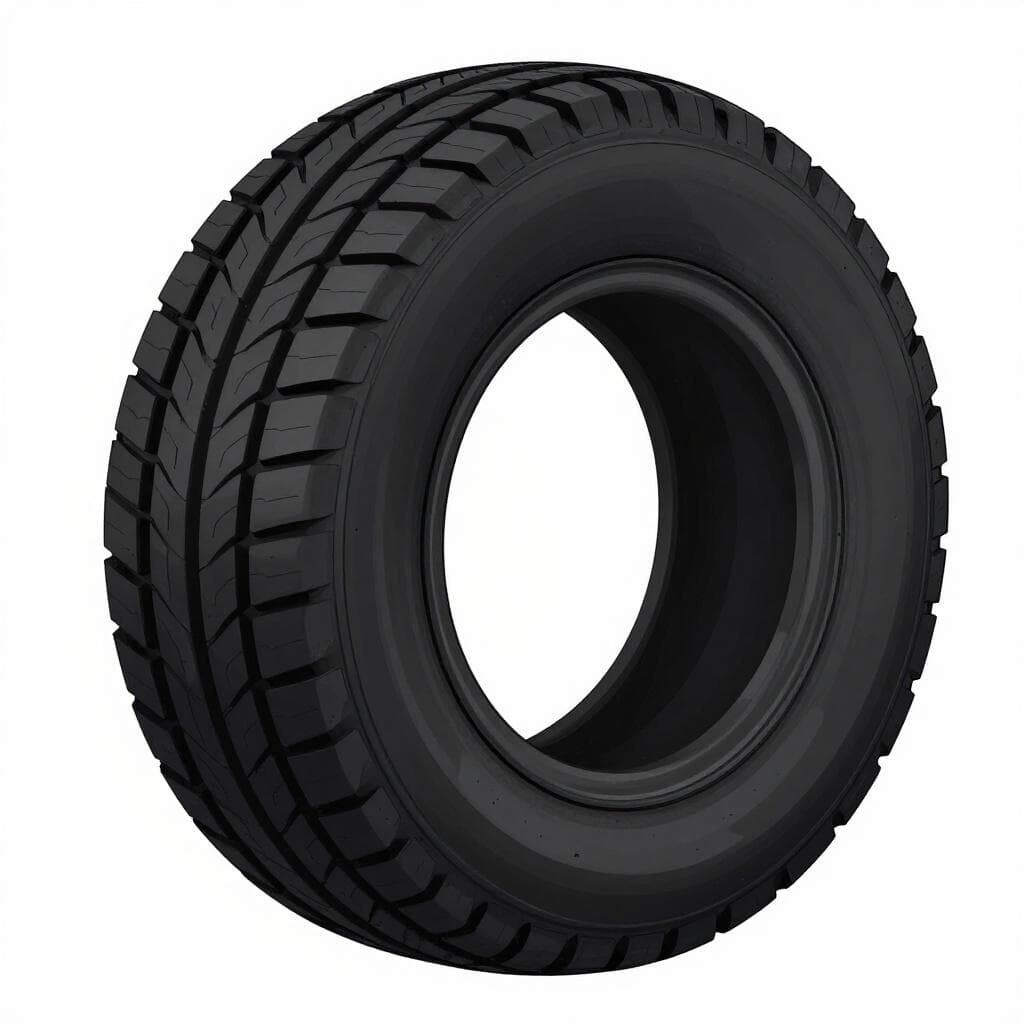

tire
Also: rim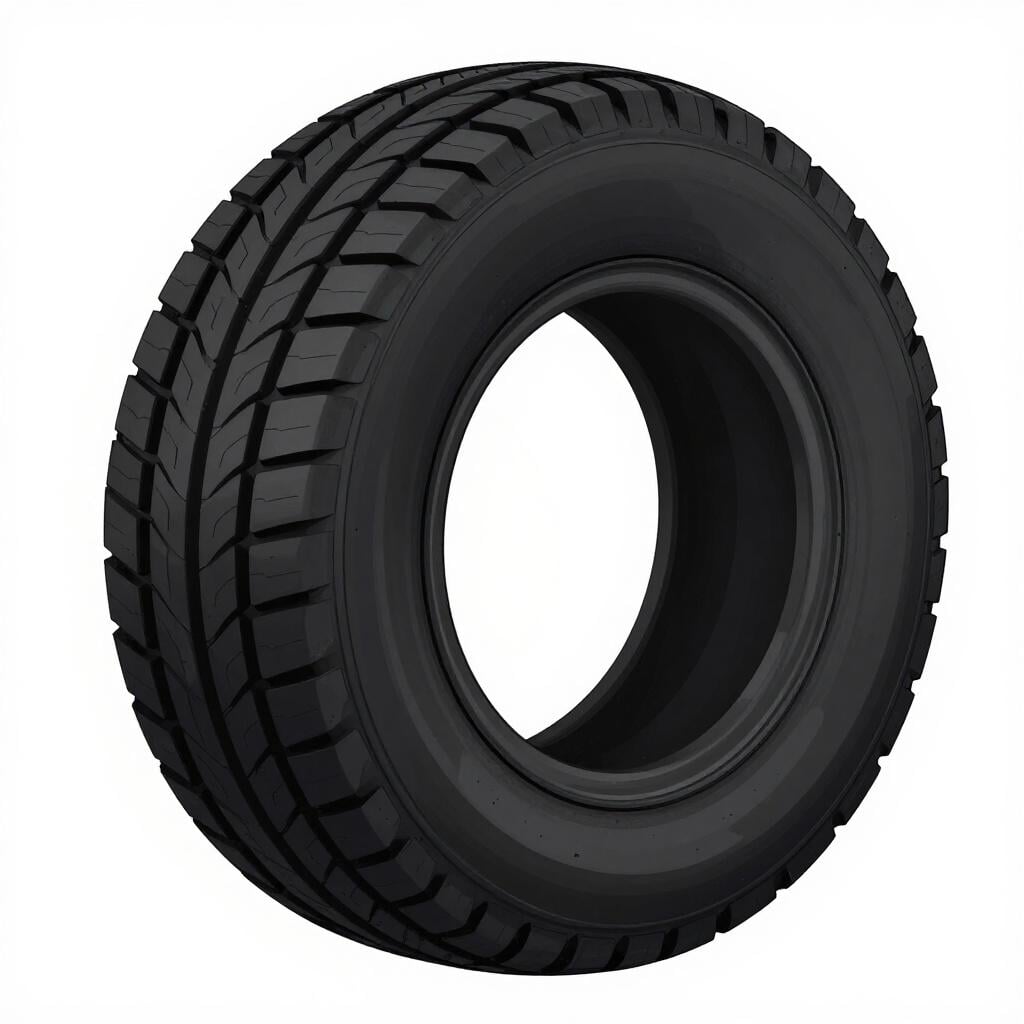
📝 In Action
Tengo una llanta pinchada y no puedo conducir.
A2I have a flat tire and I can't drive.
Debes revisar la presión de las llantas antes de un viaje largo.
B1You should check the tire pressure before a long trip.
Ese coche deportivo tiene unas llantas de aleación muy brillantes.
B2That sports car has very shiny alloy rims.
spare tire
Also: love handles
📝 In Action
Después de las vacaciones, me salieron unas llantitas.
B2After the holidays, I got some little fat rolls.
Translate to Spanish
✏️ Quick Practice
Quick Quiz: llanta
Question 1 of 3
If you are in Mexico and your car has a flat tire, what would you ask for?
📚 More Resources
👥 Word Family▼
📚 Etymology▼
From the Latin word 'canthus', which meant the iron ring or rim of a wheel, likely influenced by older Celtic languages.
First recorded: 13th century
Cognates (Related words)
💡 Master Spanish
Take your Spanish to the next level. Read 200+ illustrated and narrated Spanish stories tailored to your level with the Inklingo app!
Frequently Asked Questions
What is the difference between 'llanta' and 'neumático'?
In Latin America, they are often used interchangeably for the rubber tire, though 'neumático' is more formal. In Spain, 'neumático' is the rubber and 'llanta' is the metal rim.
How do you say 'flat tire' in Spanish?
You can say 'llanta pinchada' or, in Mexico, 'llanta ponchada'.
Can 'llanta' be a verb?
No, 'llanta' is only a noun. To describe the action of putting a tire on, you would use the verb 'enllantar'.