How to Say "tire" in Spanish
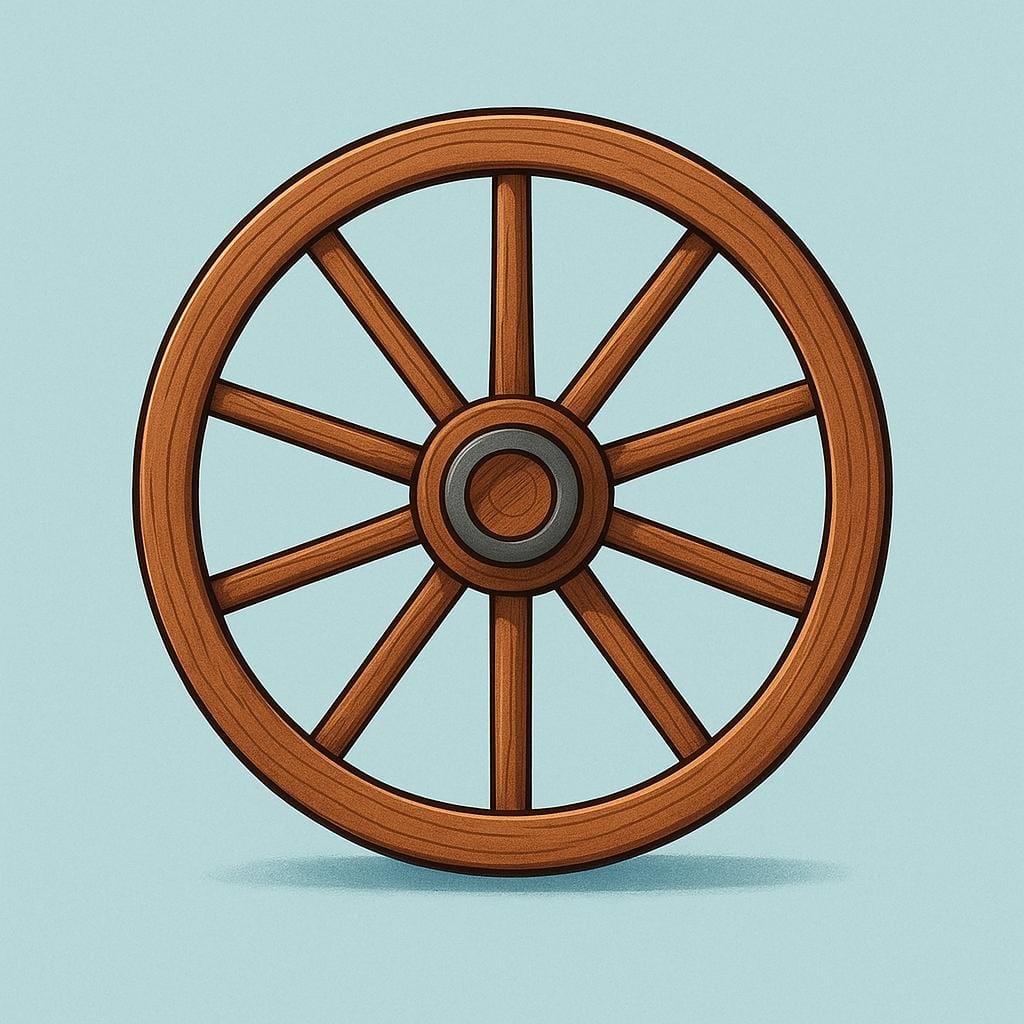
The most common Spanish word for “tire” is “rueda” — use this term when referring to the entire wheel assembly, including the tire and rim, especially when discussing a flat or needing a replacement.
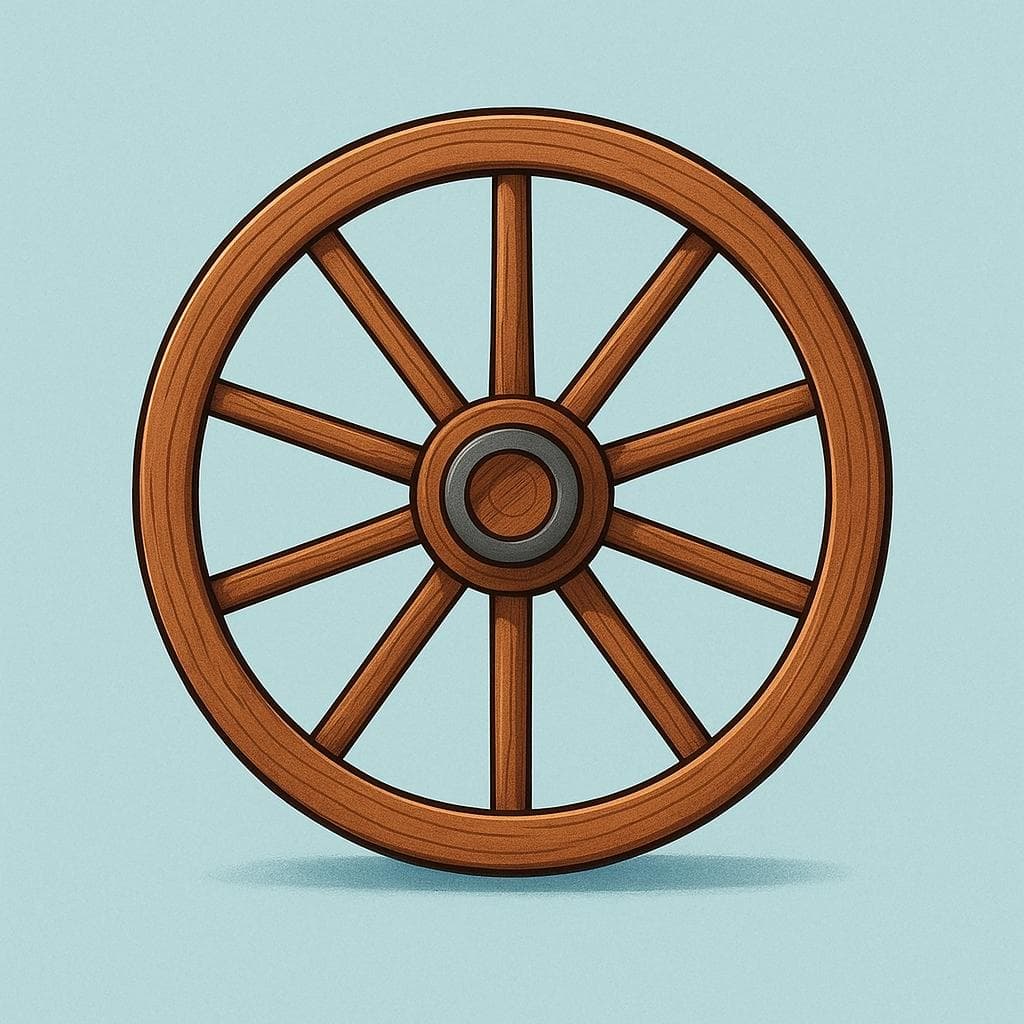
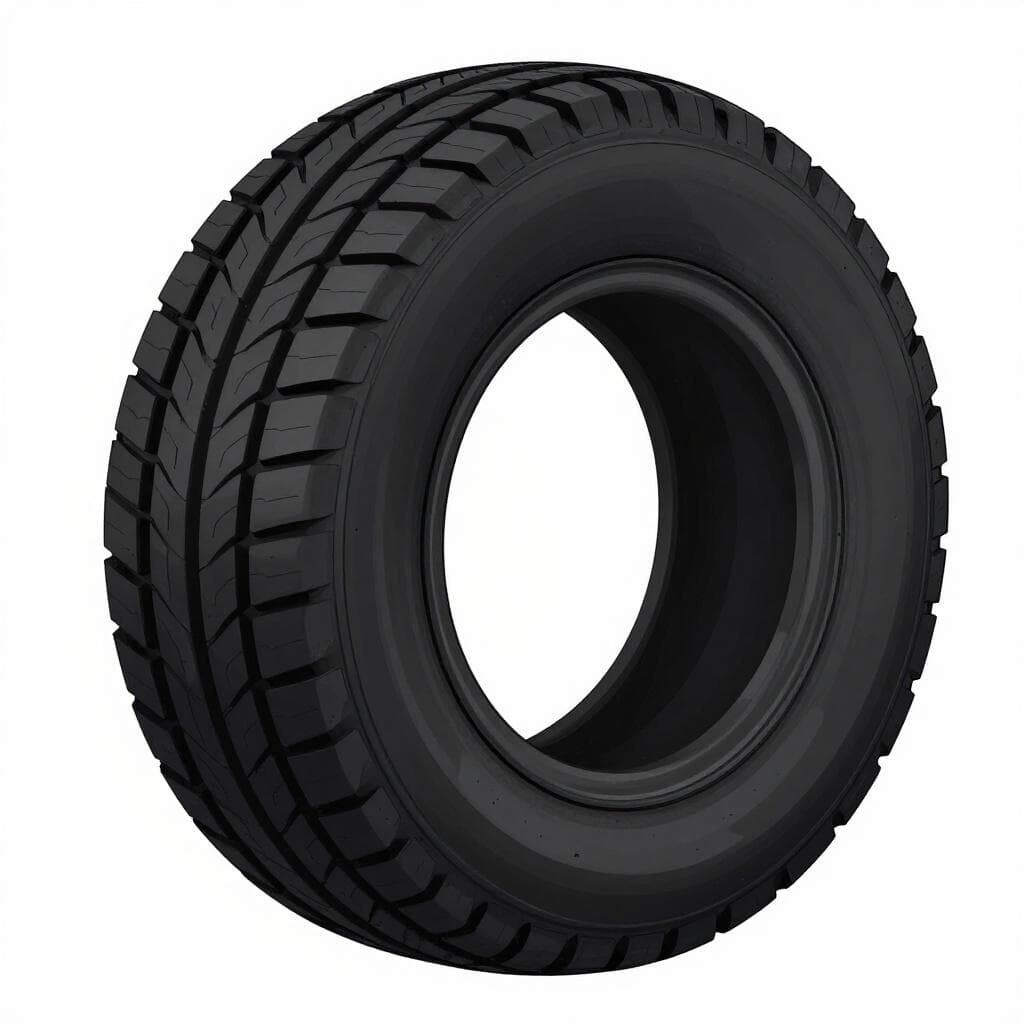
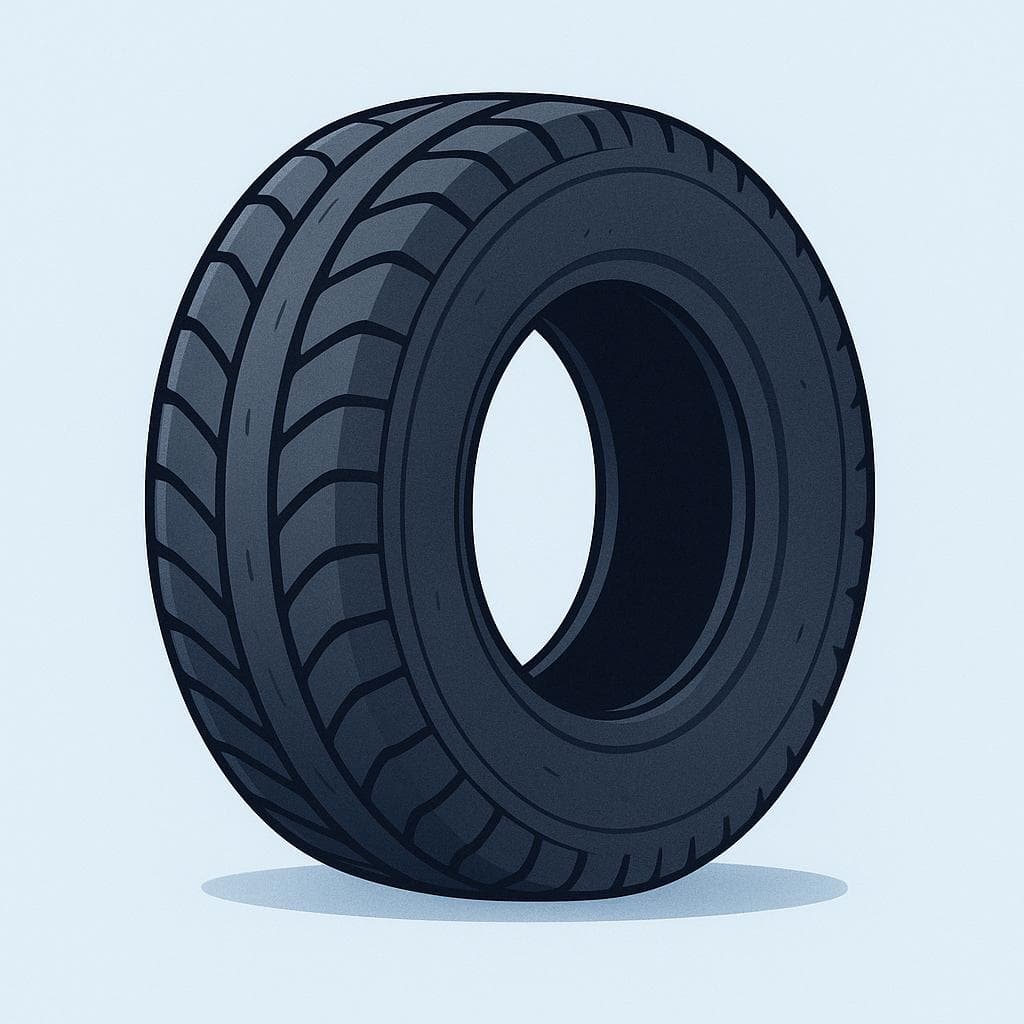
rueda
RWEH-dahˈrweða
Examples
Se me pinchó una rueda en la autopista.
I got a flat tire on the highway.
Las ruedas de mi bicicleta son nuevas.
The wheels on my bicycle are new.
La rueda de repuesto está en el maletero.
The spare wheel is in the trunk.
Gender Reminder
Remember that 'rueda' is a feminine noun, so you must use feminine articles and adjectives with it (e.g., 'la rueda', 'ruedas grandes').
neumático
Examples
Tengo que cambiar el neumático delantero de mi bicicleta.
I have to change the front tire of my bicycle.
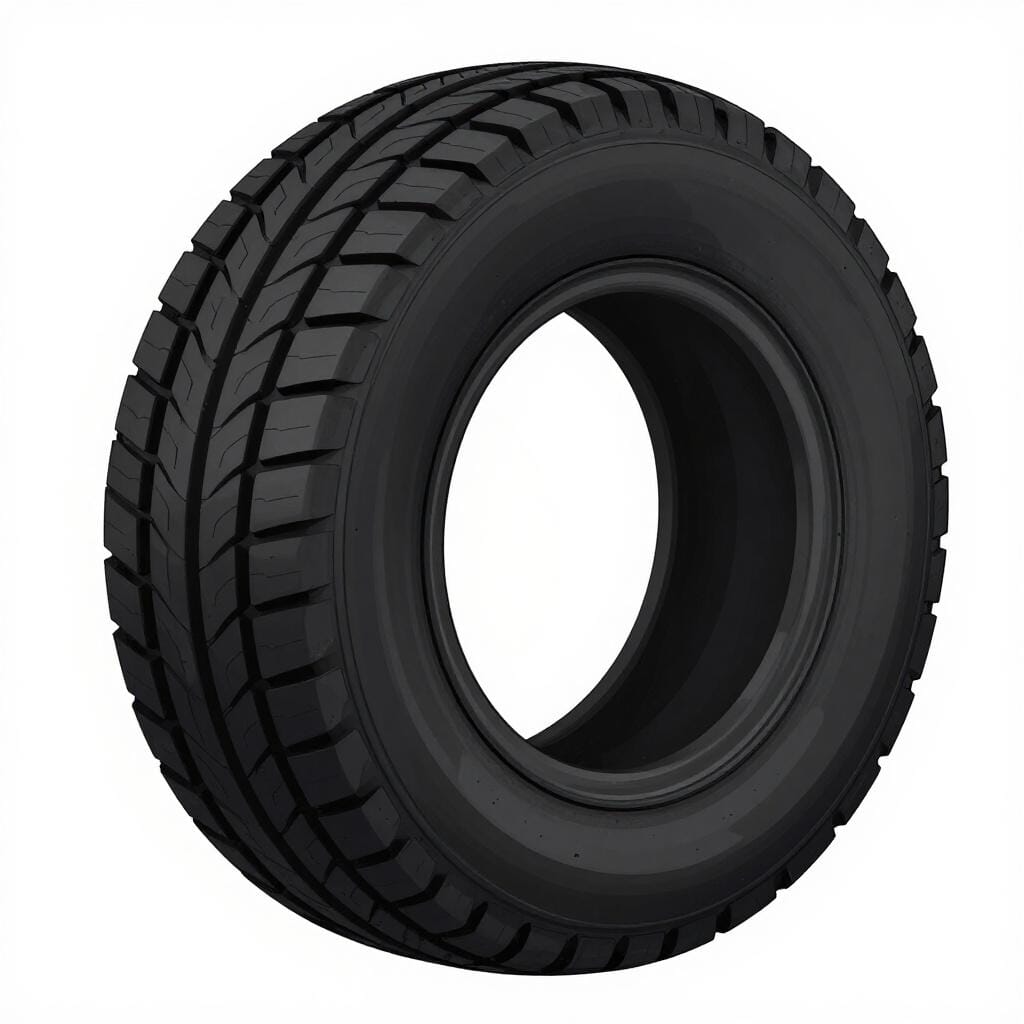
llanta
yan-tahˈʝanta
Examples
Tengo una llanta pinchada y no puedo conducir.
I have a flat tire and I can't drive.
Debes revisar la presión de las llantas antes de un viaje largo.
You should check the tire pressure before a long trip.
Ese coche deportivo tiene unas llantas de aleación muy brillantes.
That sports car has very shiny alloy rims.
A 'Female' Word
Since this word ends in 'a', it is feminine. Use 'la llanta' for one and 'las llantas' for more than one.
Llanta vs. Rueda
While 'rueda' is the whole wheel assembly, 'llanta' specifically refers to the rubber tire in Latin America or the metal rim in Spain.
Confusing it with the Steering Wheel
Mistake: “Using 'llanta' to mean the wheel you hold while driving.”
Correction: Use 'volante' for the steering wheel. 'Llanta' only refers to the wheels on the ground.
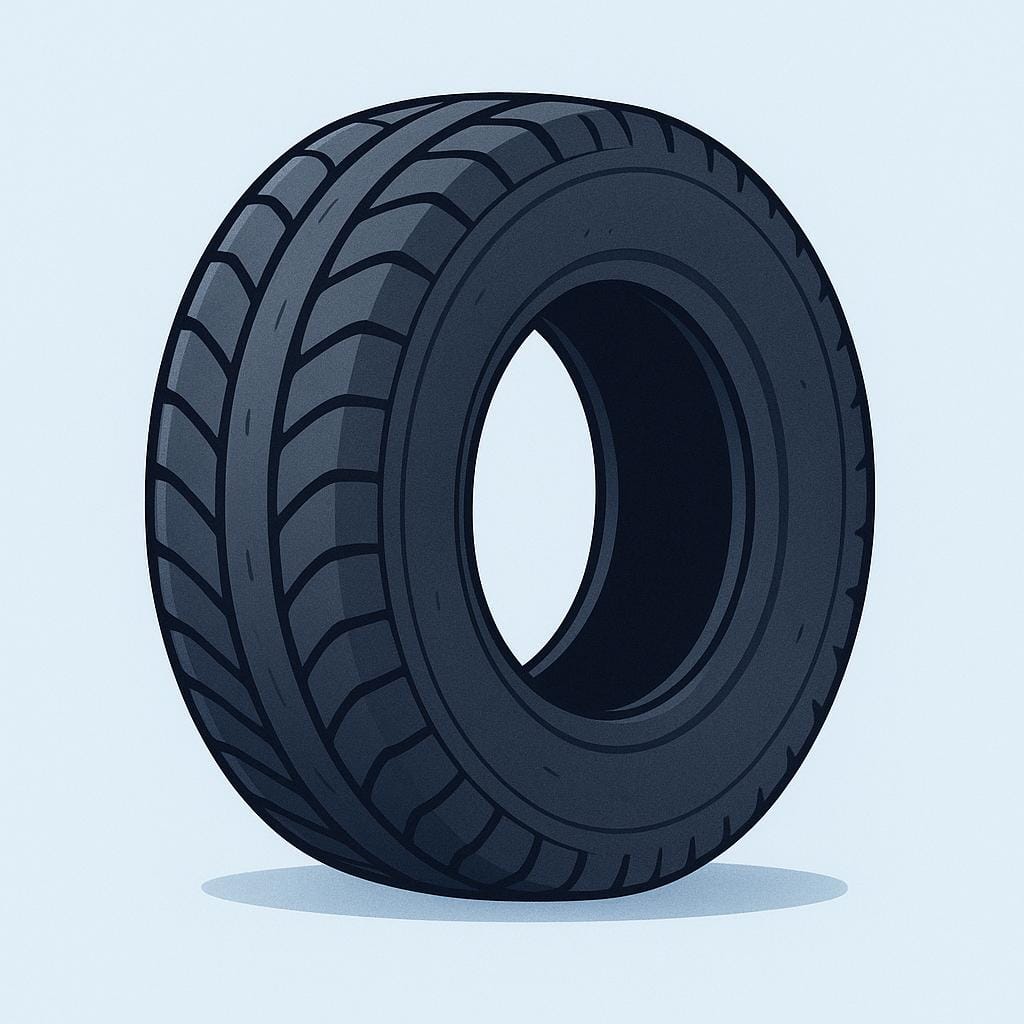
cubierta
koo-BYEHR-tahkuˈβjeɾta
Examples
Una de las cubiertas está pinchada.
One of the tires is flat.
Debemos revisar la presión de las cubiertas.
We must check the tire pressure.
Regional Use
While 'neumático' is widely understood, 'cubierta' is often the preferred word for 'tire' in many parts of Latin America, especially Argentina and Uruguay.
goma
go-maˈɡo.ma
Examples
El mecánico me dijo que la goma trasera está desgastada.
The mechanic told me the rear tire is worn out.
El suelo del gimnasio es de goma para amortiguar los golpes.
The gym floor is made of rubber to cushion the impacts.
Tuvimos que parar porque se nos pinchó una goma.
We had to stop because we got a flat tire. (Regional usage)
Rueda vs. Neumático/Cubierta/Llanta
Learn Spanish with Inklingo
Interactive stories, personalized learning, and more.