How to Say "gear" in Spanish
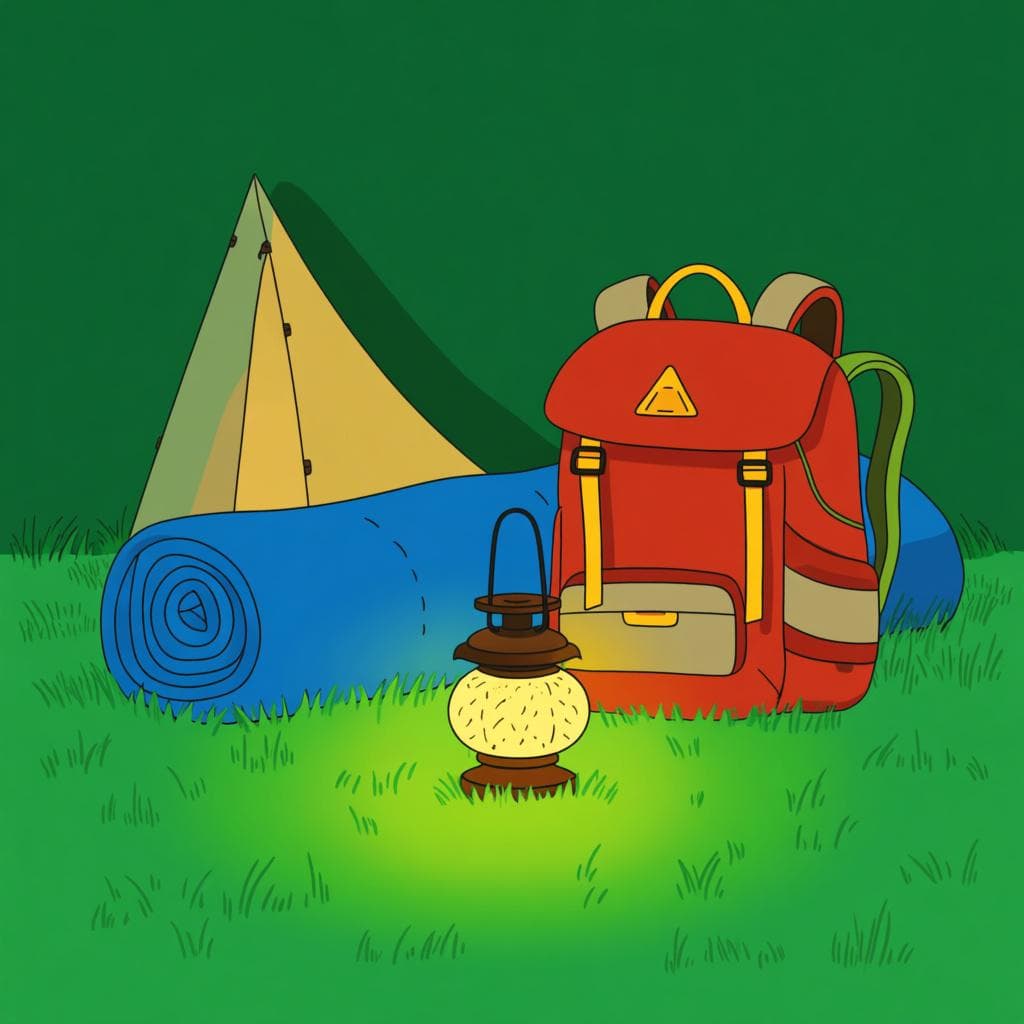
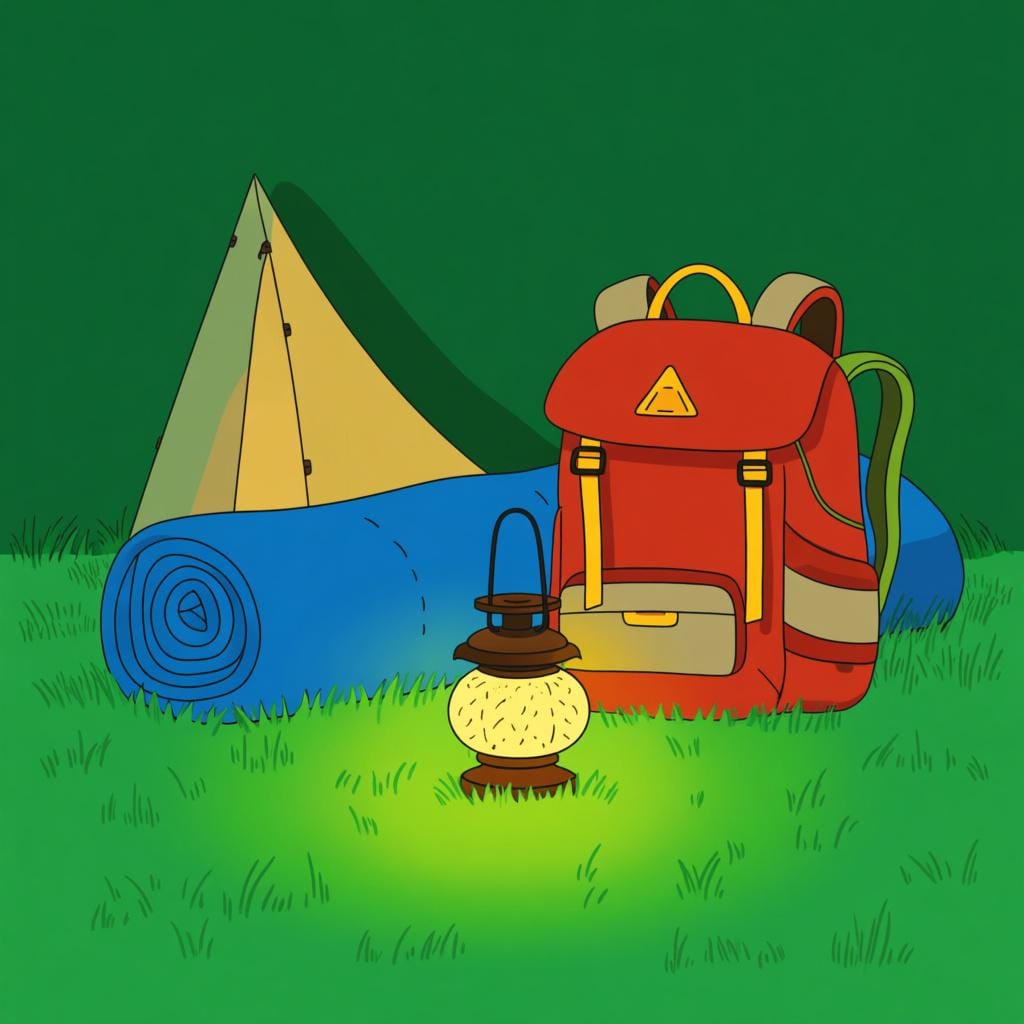
The most common Spanish word for “gear” is “equipo” — use 'equipo' for general sports, camping, or photography equipment needed for an activity.


equipo
eh-KEE-poheˈkipo
Examples
Para acampar, necesitas el equipo correcto.
To go camping, you need the right gear.
El fotógrafo tiene un equipo que cuesta miles de euros.
The photographer has gear that costs thousands of euros.
Mi equipo de sonido es muy viejo, pero funciona bien.
My sound system is very old, but it works well.
Singular for a Collection
Just like in English, 'equipo' is a singular word that refers to a whole set of items. You say 'El equipo es nuevo' (The equipment is new), not 'son nuevos', even though you're talking about multiple things.
Using 'Equipo' for a Single Item
Mistake: “Pásame ese equipo para clavar el clavo.”
Correction: Pásame ese martillo para clavar el clavo. 'Equipo' refers to the whole collection of tools. For a single item, use a more specific word like 'herramienta' (tool) or 'aparato' (device).
marcha
MAR-chahˈmartʃa

Examples
El coche no arranca si no pones la primera marcha.
The car won't start if you don't put it in first gear.
Tuvo que meter la quinta marcha para adelantar al camión.
He had to put it in fifth gear to pass the truck.
Naming Gears
Spanish names gears using ordinal numbers (first, second, third, etc.). Primera marcha, segunda marcha, tercera marcha, etc.
Mixing up 'Gear' and 'Wheel'
Mistake: “Using 'rueda' for gear.”
Correction: Use 'marcha' or sometimes 'engranaje' for gear mechanism. 'Rueda' means wheel.
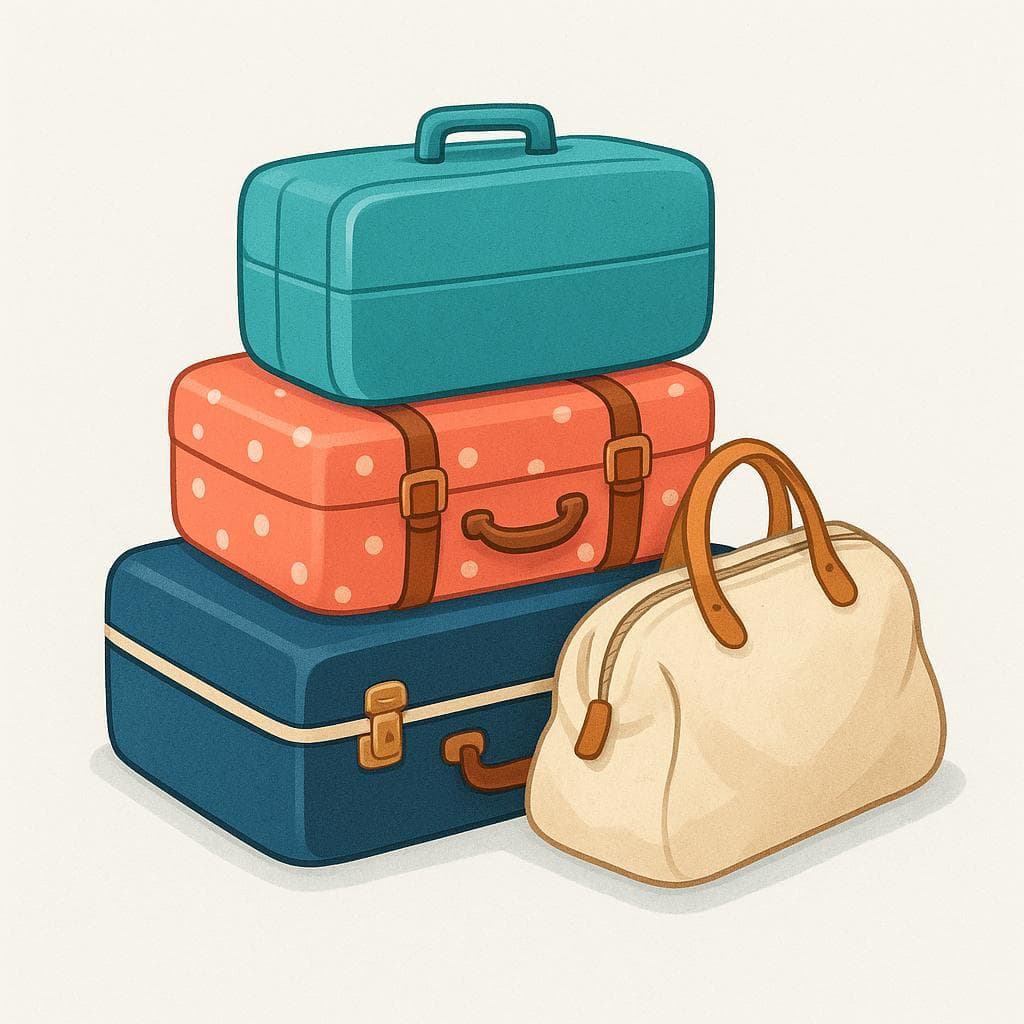
equipaje
eh-kee-PAH-hehekiˈpahe
Examples
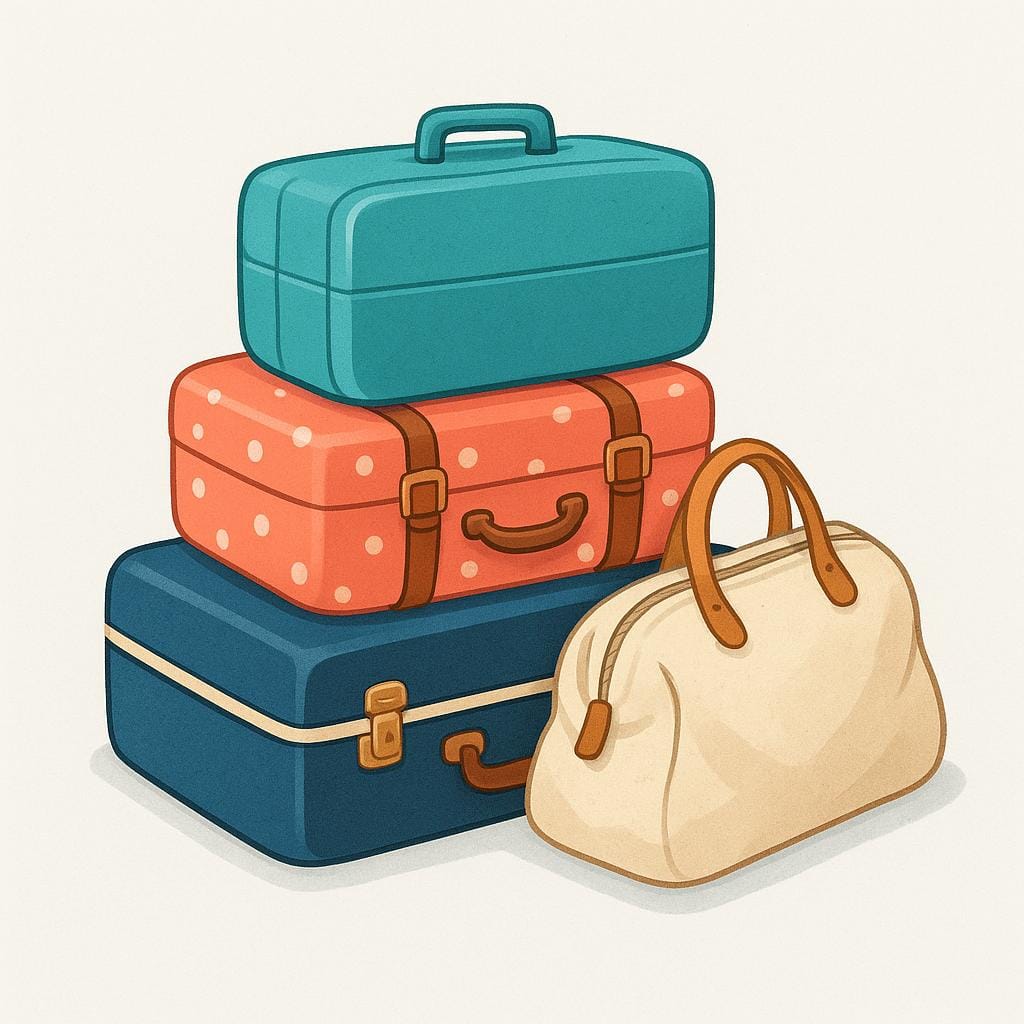
Necesito facturar mi equipaje antes de abordar.
I need to check my luggage before boarding.
¿Dónde está la cinta de equipaje número tres?
Where is baggage carousel number three?
Este equipaje de mano es demasiado grande para el compartimento.
This carry-on luggage is too big for the compartment.
Always Singular
Even if you are talking about multiple suitcases, 'equipaje' is an uncountable noun in Spanish, meaning it is always singular. Think of it like the English word 'furniture'.
Masculine Noun
Remember to always use the masculine article 'el' and masculine adjectives with it, for example, 'el equipaje ligero' (the light luggage).
Using the Plural
Mistake: “Tengo muchos equipajes.”
Correction: Tengo mucho equipaje. (You have 'much luggage,' not 'many luggages.')
equipamiento
eh-kee-pah-myehn-tohekipaˈmjento

Examples
Para escalar esta montaña, necesitas el equipamiento adecuado.
To climb this mountain, you need the right gear.
El hospital compró nuevo equipamiento médico de alta tecnología.
The hospital bought new high-tech medical equipment.
El equipamiento del laboratorio es muy costoso.
The laboratory equipment is very expensive.
A 'Group' Word
Even though you might have fifty different tools, you usually refer to them collectively as 'el equipamiento' in the singular form.
Describing the Equipment
When you want to say what kind of equipment it is, just add the describing word right after: 'equipamiento militar' (military equipment) or 'equipamiento técnico' (technical equipment).
Don't confuse it with 'Equipaje'
Mistake: “Perdí mi equipamiento en el aeropuerto.”
Correction: Perdí mi equipaje en el aeropuerto.
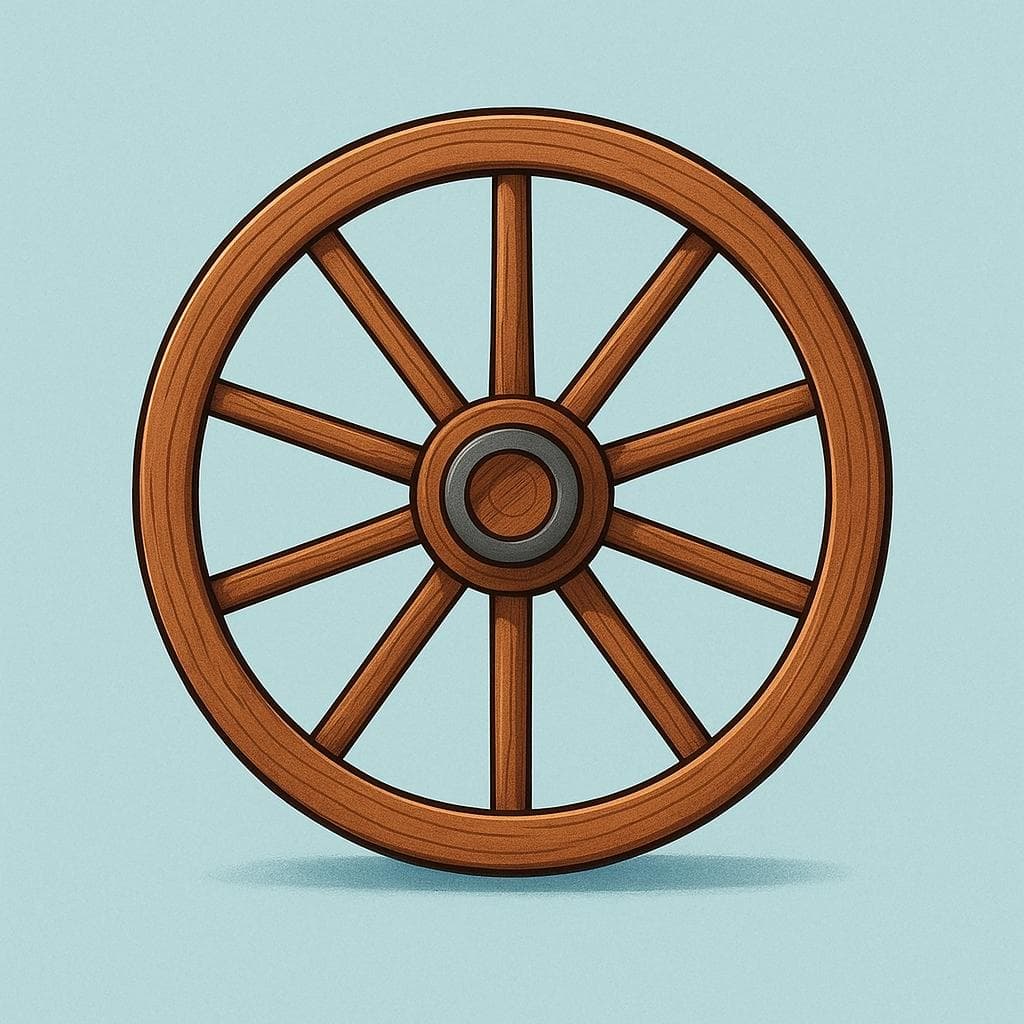
rueda
RWEH-dahˈrweða
Examples
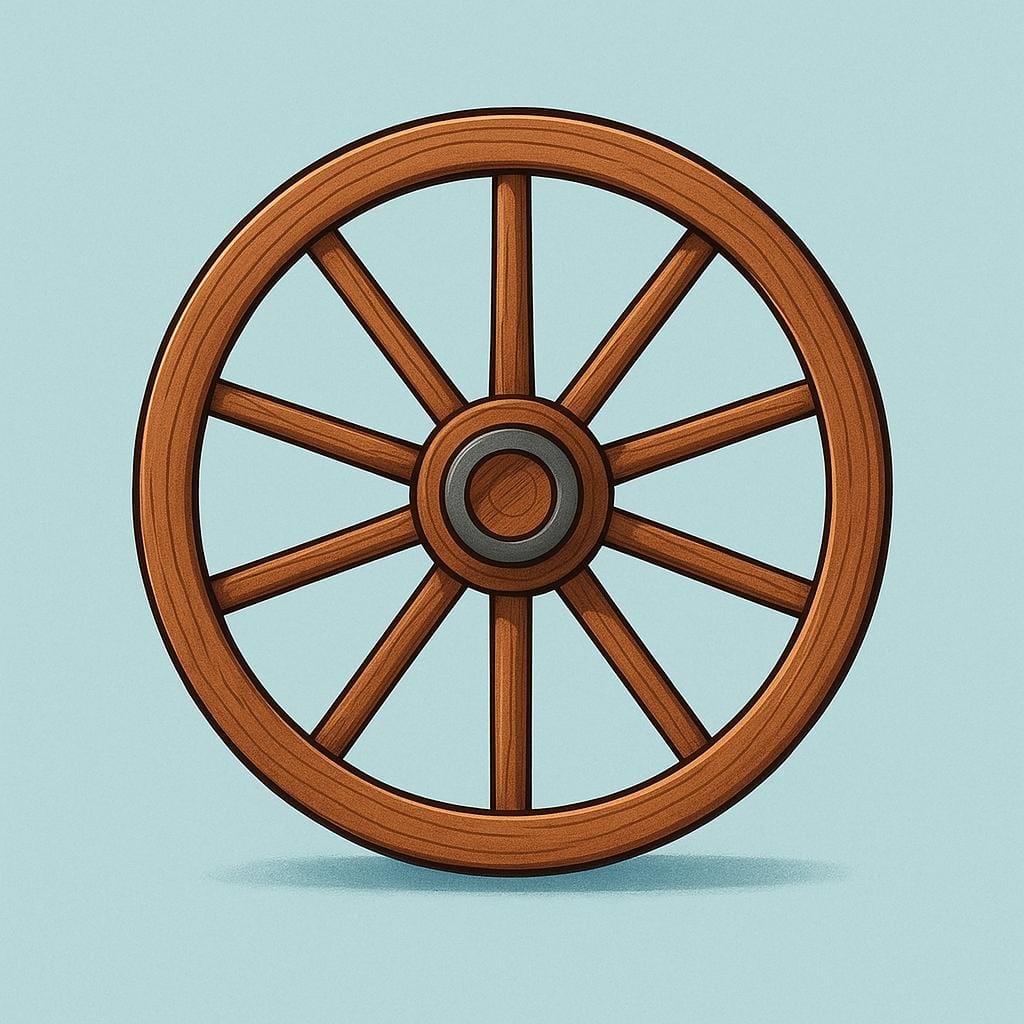
Se me pinchó una rueda en la autopista.
I got a flat tire on the highway.
Las ruedas de mi bicicleta son nuevas.
The wheels on my bicycle are new.
La rueda de repuesto está en el maletero.
The spare wheel is in the trunk.
Gender Reminder
Remember that 'rueda' is a feminine noun, so you must use feminine articles and adjectives with it (e.g., 'la rueda', 'ruedas grandes').
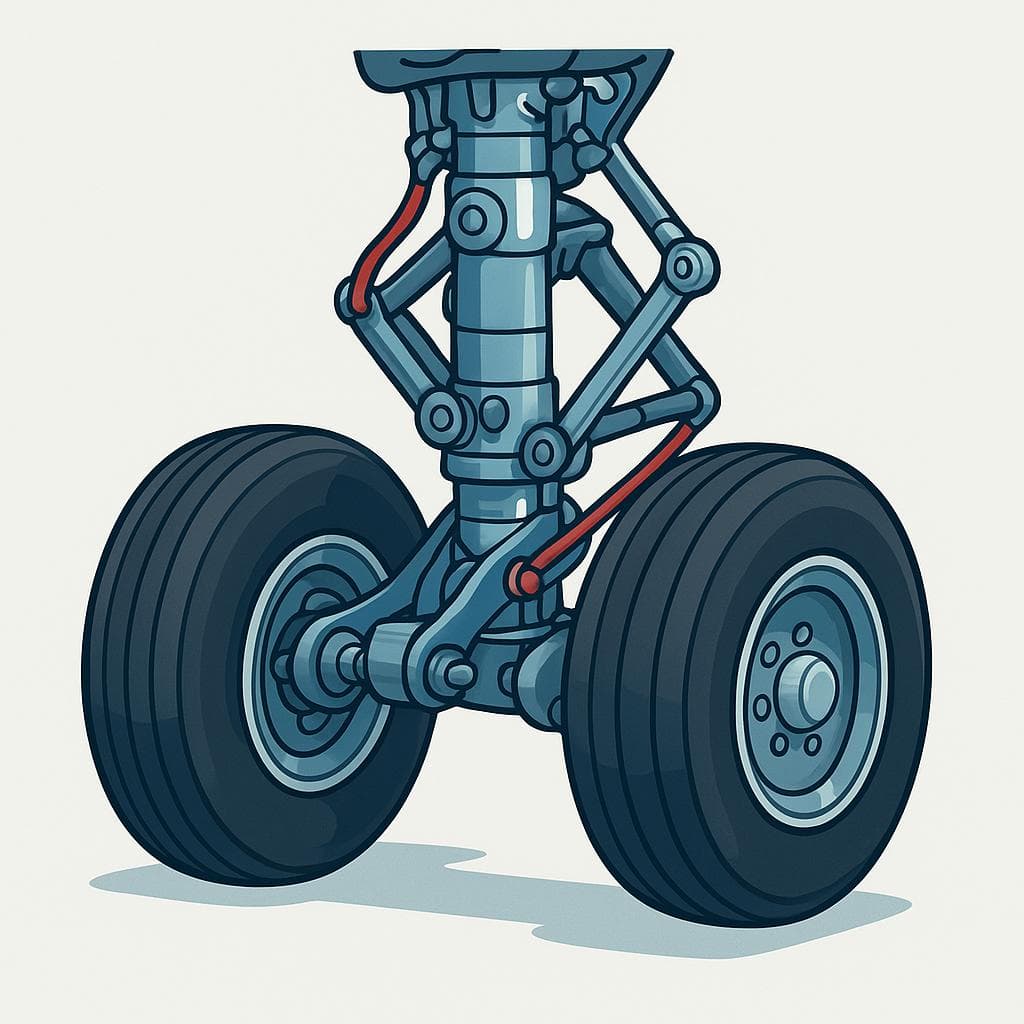
tren
trentɾen
Examples
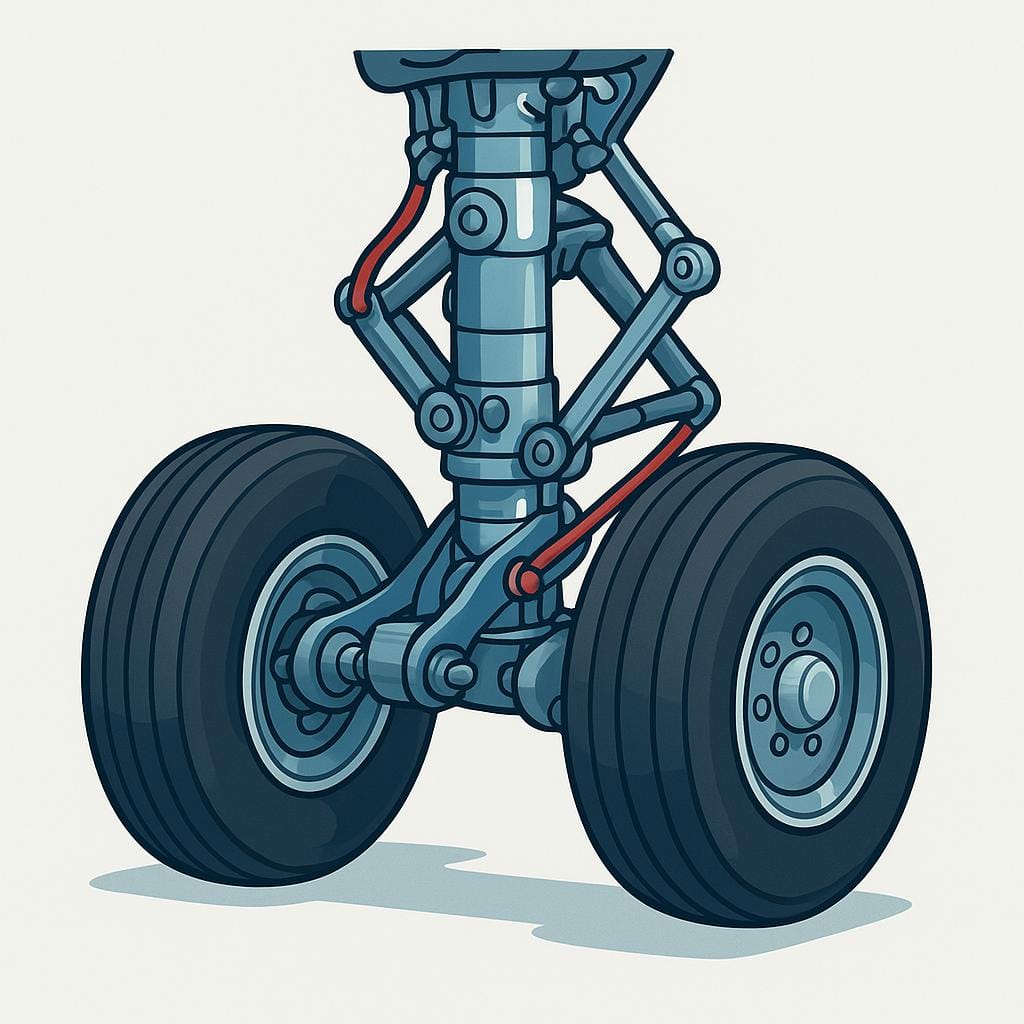
El piloto se olvidó de bajar el tren de aterrizaje.
The pilot forgot to lower the landing gear.
Equipment vs. Luggage
Related Translations
Learn Spanish with Inklingo
Interactive stories, personalized learning, and more.