How to Say "kit" in Spanish
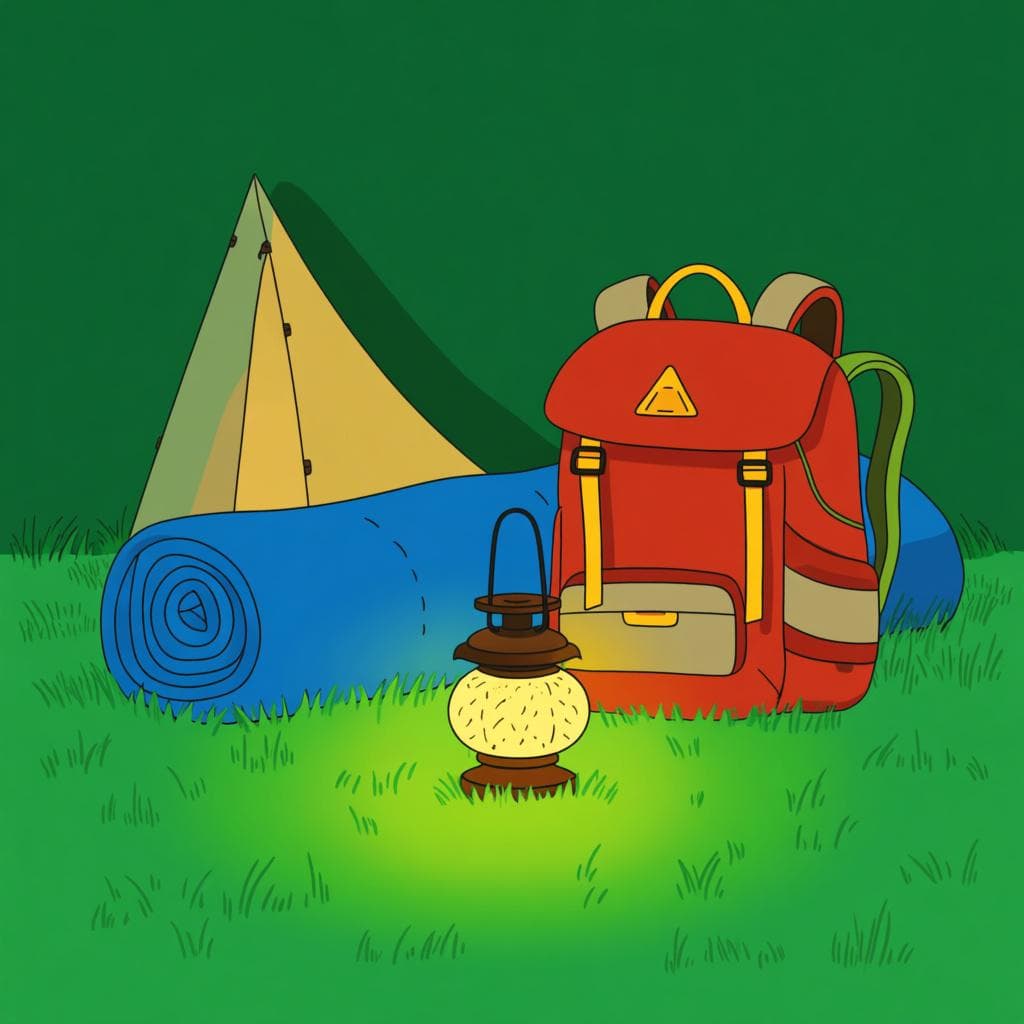
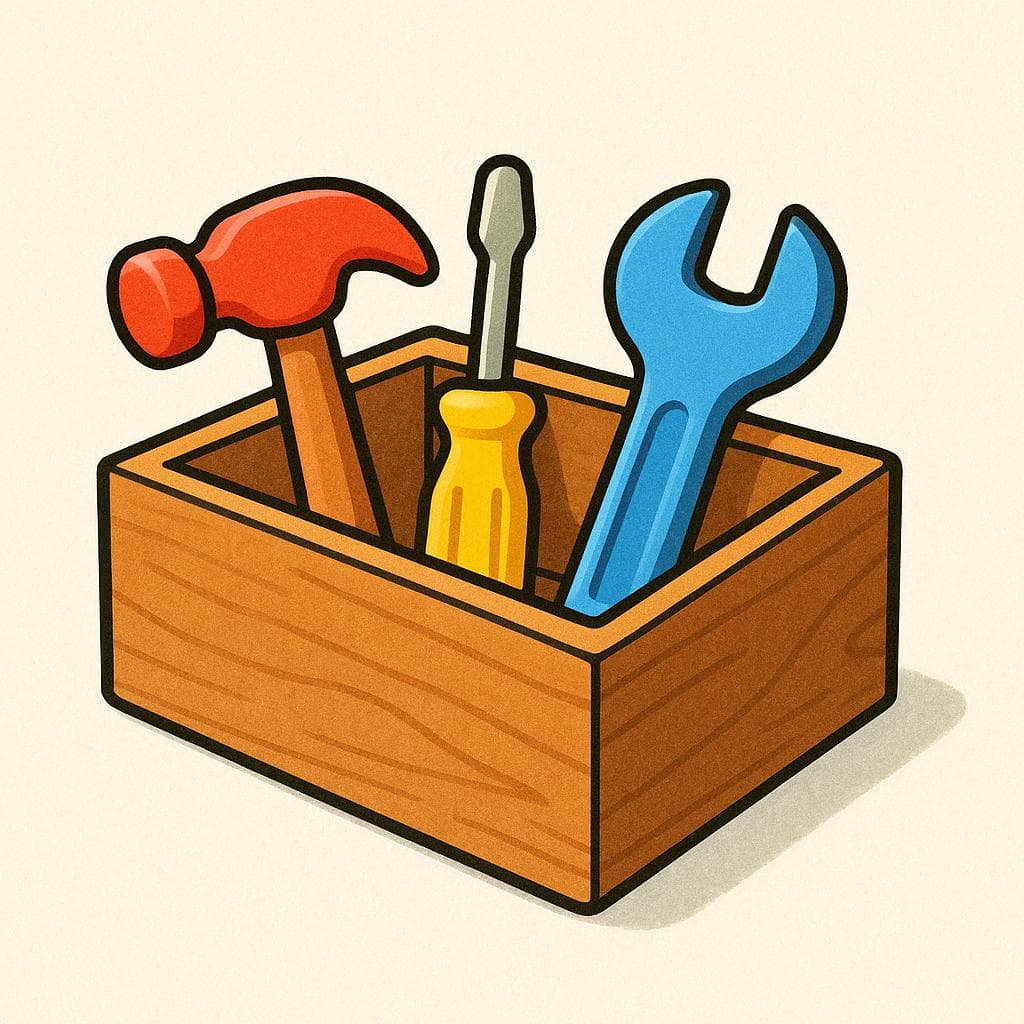
The most common Spanish word for “kit” is “equipo” — use 'equipo' for a set of tools or items needed for a specific activity or purpose, like camping or a first-aid kit.

equipo
eh-KEE-poheˈkipo
Examples
Para acampar, necesitas el equipo correcto.
To go camping, you need the right equipment.
El fotógrafo tiene un equipo que cuesta miles de euros.
The photographer has gear that costs thousands of euros.
Mi equipo de sonido es muy viejo, pero funciona bien.
My sound system is very old, but it works well.
Singular for a Collection
Just like in English, 'equipo' is a singular word that refers to a whole set of items. You say 'El equipo es nuevo' (The equipment is new), not 'son nuevos', even though you're talking about multiple things.
Using 'Equipo' for a Single Item
Mistake: “Pásame ese equipo para clavar el clavo.”
Correction: Pásame ese martillo para clavar el clavo. 'Equipo' refers to the whole collection of tools. For a single item, use a more specific word like 'herramienta' (tool) or 'aparato' (device).
equipamiento
eh-kee-pah-myehn-tohekipaˈmjento

Examples
Para escalar esta montaña, necesitas el equipamiento adecuado.
To climb this mountain, you need the right gear.
El hospital compró nuevo equipamiento médico de alta tecnología.
The hospital bought new high-tech medical equipment.
El equipamiento del laboratorio es muy costoso.
The laboratory equipment is very expensive.
A 'Group' Word
Even though you might have fifty different tools, you usually refer to them collectively as 'el equipamiento' in the singular form.
Describing the Equipment
When you want to say what kind of equipment it is, just add the describing word right after: 'equipamiento militar' (military equipment) or 'equipamiento técnico' (technical equipment).
Don't confuse it with 'Equipaje'
Mistake: “Perdí mi equipamiento en el aeropuerto.”
Correction: Perdí mi equipaje en el aeropuerto.
kit
kitkit
Examples
Siempre llevo un kit de costura pequeño cuando viajo.
I always carry a small sewing kit when I travel.
El kit de reparación de bicicletas no incluía la bomba.
The bicycle repair kit did not include the pump.
Necesitamos comprar un kit de primeros auxilios para la oficina.
We need to buy a first aid kit for the office.
Gender Rule for Loanwords
Even though 'kit' comes from English and doesn't follow typical Spanish noun endings, it is a masculine noun. Always use 'el' or 'un' before it: 'el kit'.
Confusing Pluralization
Mistake: “Using 'los kit' for the plural.”
Correction: The correct plural adds an 's' just like in English: 'los kits'. Remember to change the article too.
uniforme
oo-nee-FOR-mehuniˈfoɾme
Examples
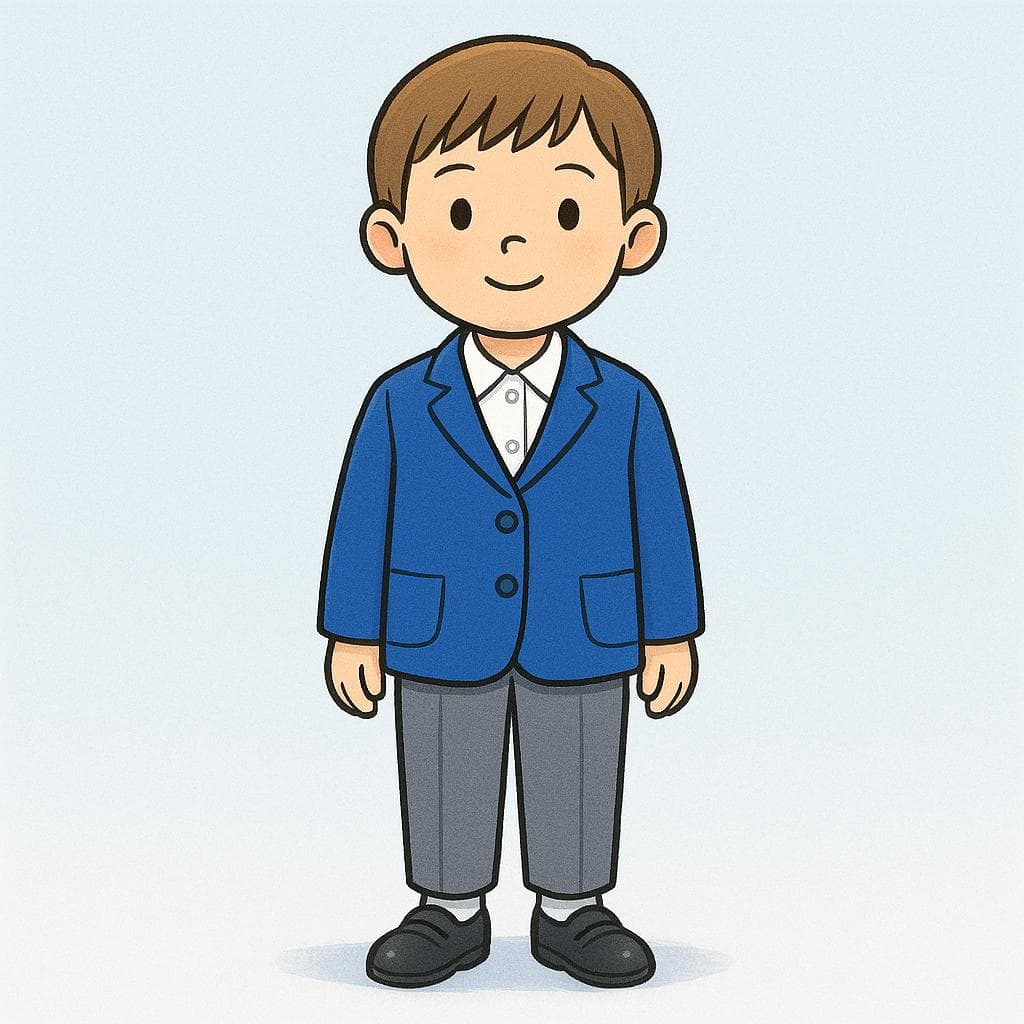
Los niños de esta escuela deben usar uniforme.
The children at this school must wear a uniform.
El policía ajustó su uniforme antes de salir.
The police officer adjusted his uniform before leaving.
Ella guarda su uniforme de trabajo en el armario.
She keeps her work uniform in the closet.
The Masculine Article
Even though 'uniforme' refers to clothing, which is often feminine in Spanish ('la ropa'), the noun 'uniforme' is always masculine, so you must use 'el' or 'un' (e.g., 'el uniforme').
Incorrect Gender
Mistake: “La uniforme es azul.”
Correction: El uniforme es azul. Remember 'uniforme' is masculine.
maletín
Examples
El abogado olvidó su maletín con los documentos importantes en el taxi.
The lawyer forgot his briefcase with the important documents in the taxi.
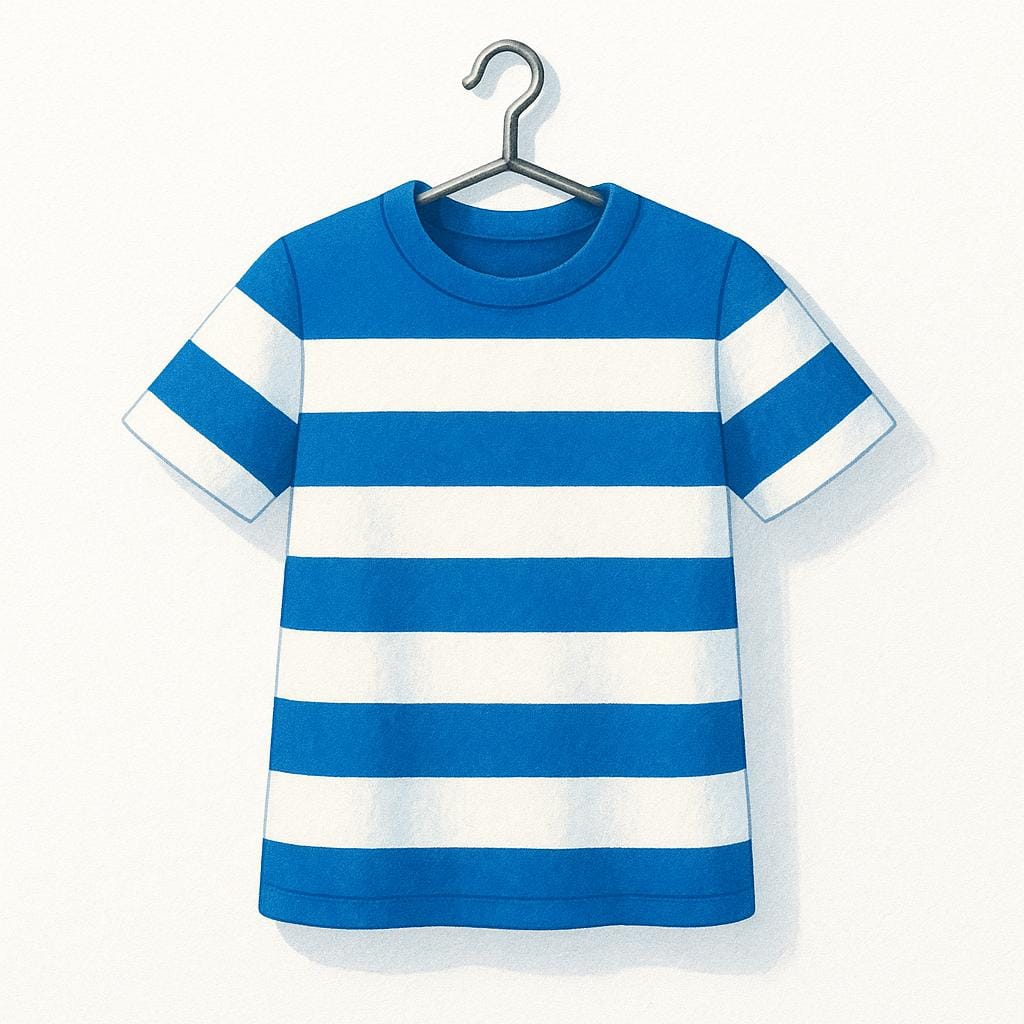
jersey
HER-seyˈxeɾ.sei̯
Examples
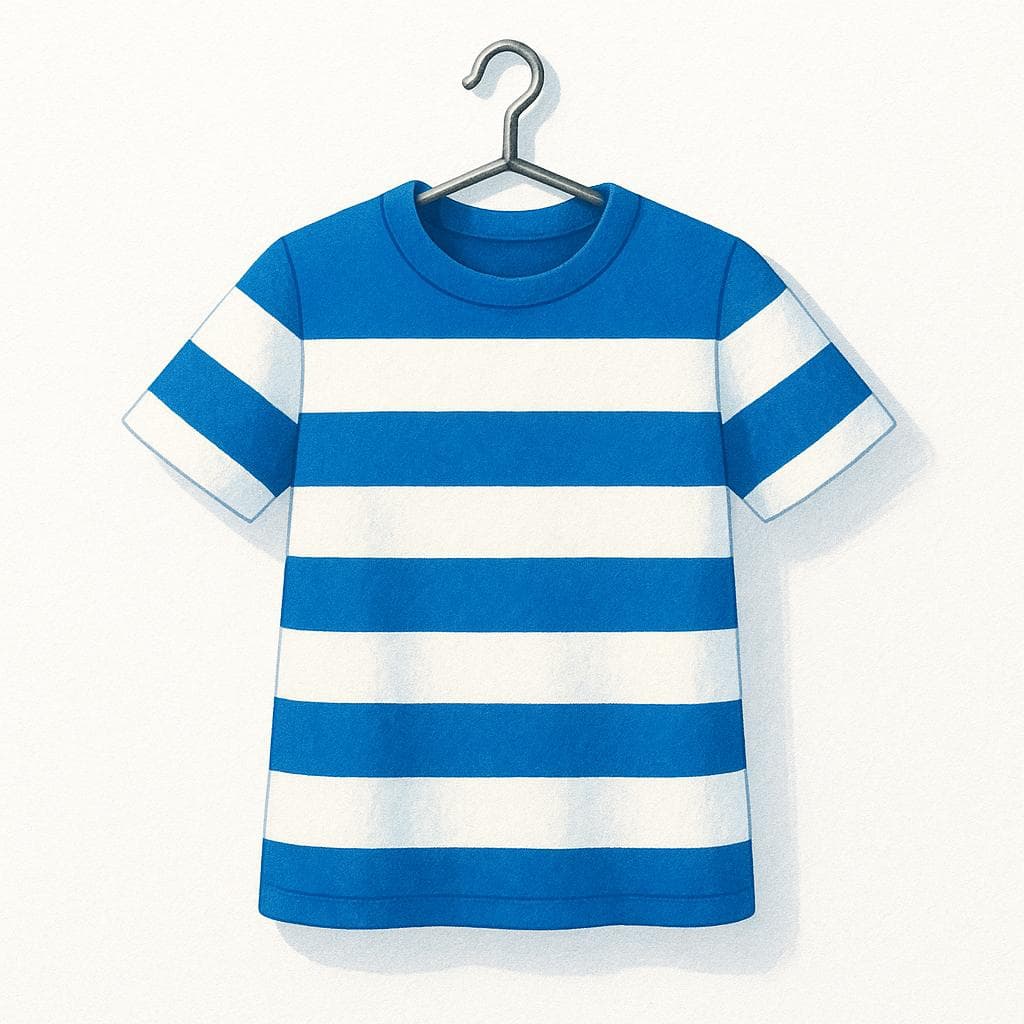
El futbolista se quitó el jersey después del partido.
The soccer player took off his jersey after the game.
Ella colecciona los jerseys de su equipo favorito.
She collects the jerseys of her favorite team.
Using 'Ponerse'
When talking about putting on a jersey or uniform, you usually use the reflexive verb 'ponerse' (to put on oneself).
dotación
Examples
El laboratorio cuenta con una dotación moderna de microscopios.
The laboratory has a modern set of microscopes.
set
sehtset
Examples
El DJ puso un set increíble de música electrónica durante tres horas.
The DJ played an incredible set of electronic music for three hours.
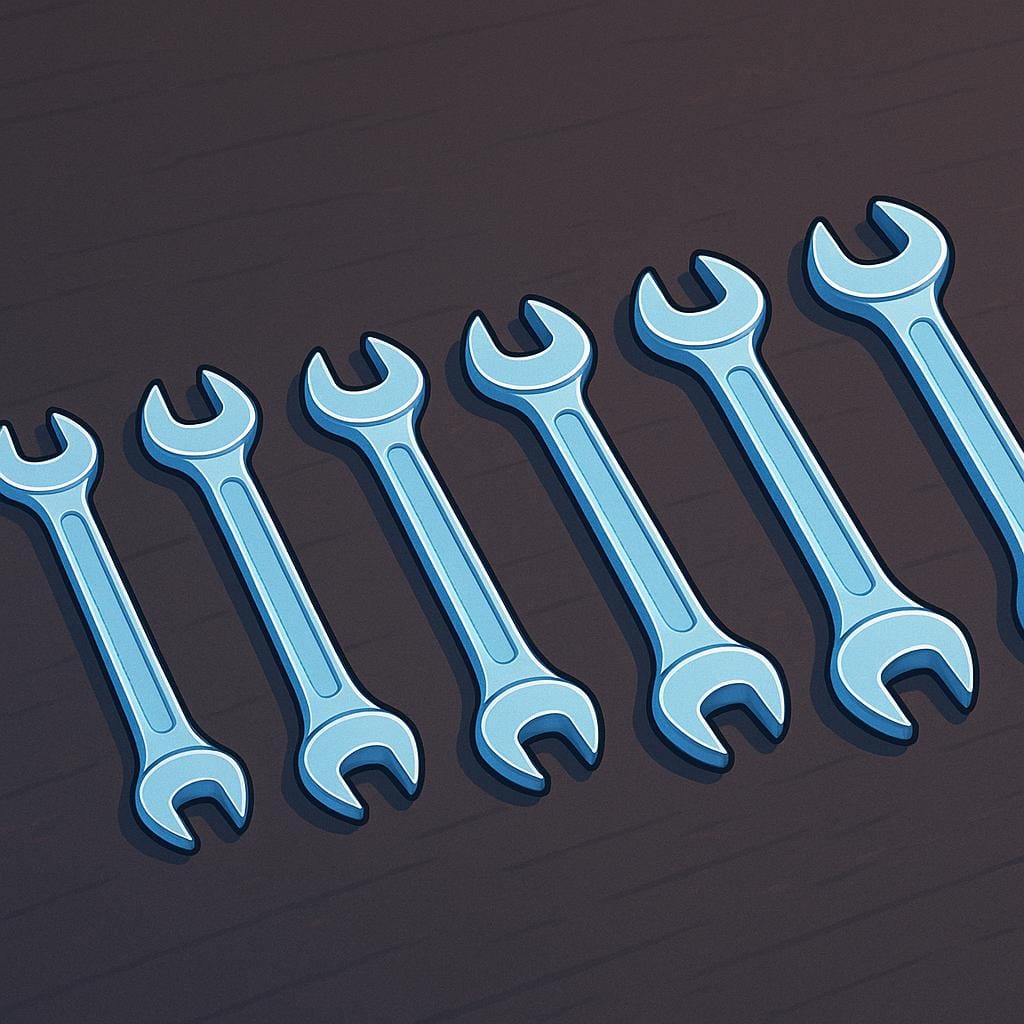
Compró un set de herramientas básicas para su nuevo apartamento.
She bought a basic set of tools for her new apartment.
Overusing the loanword
Mistake: “Necesito un set de ropa nueva.”
Correction: Necesito un conjunto de ropa nueva. (Use 'conjunto' for general collections like clothes or ideas.)
Equipo vs. Equipamiento
Related Translations
Learn Spanish with Inklingo
Interactive stories, personalized learning, and more.