How to Say "set" in Spanish
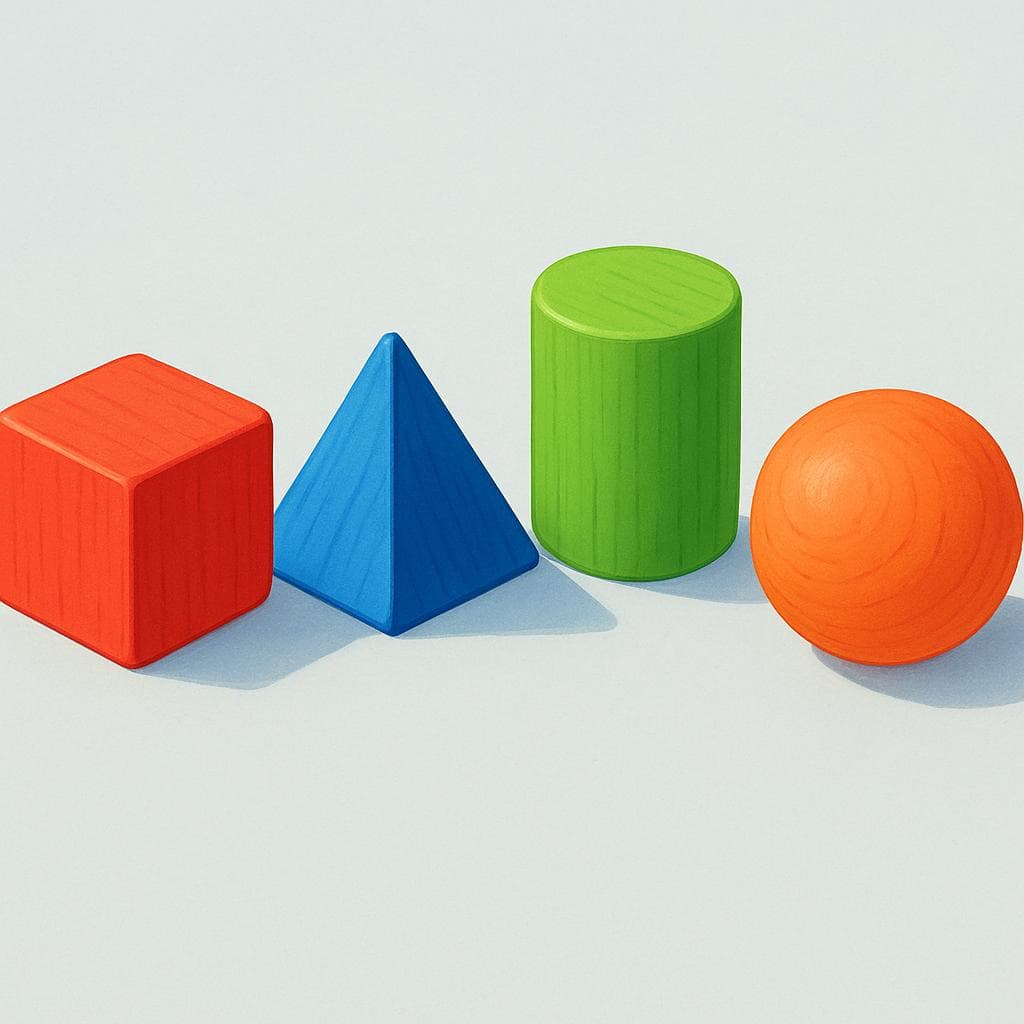
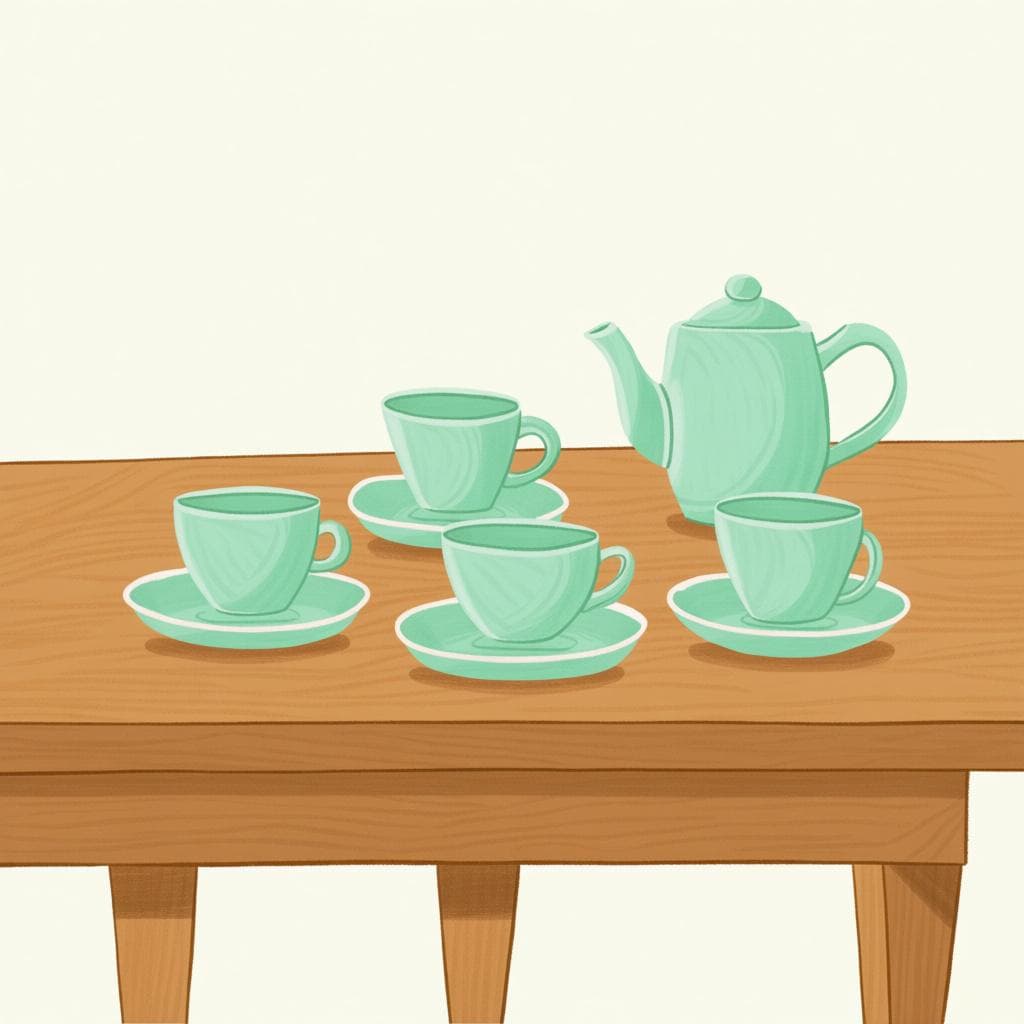
The most common Spanish word for “set” is “conjunto” — use this for a general collection or group of things, like rules or a mathematical set.



















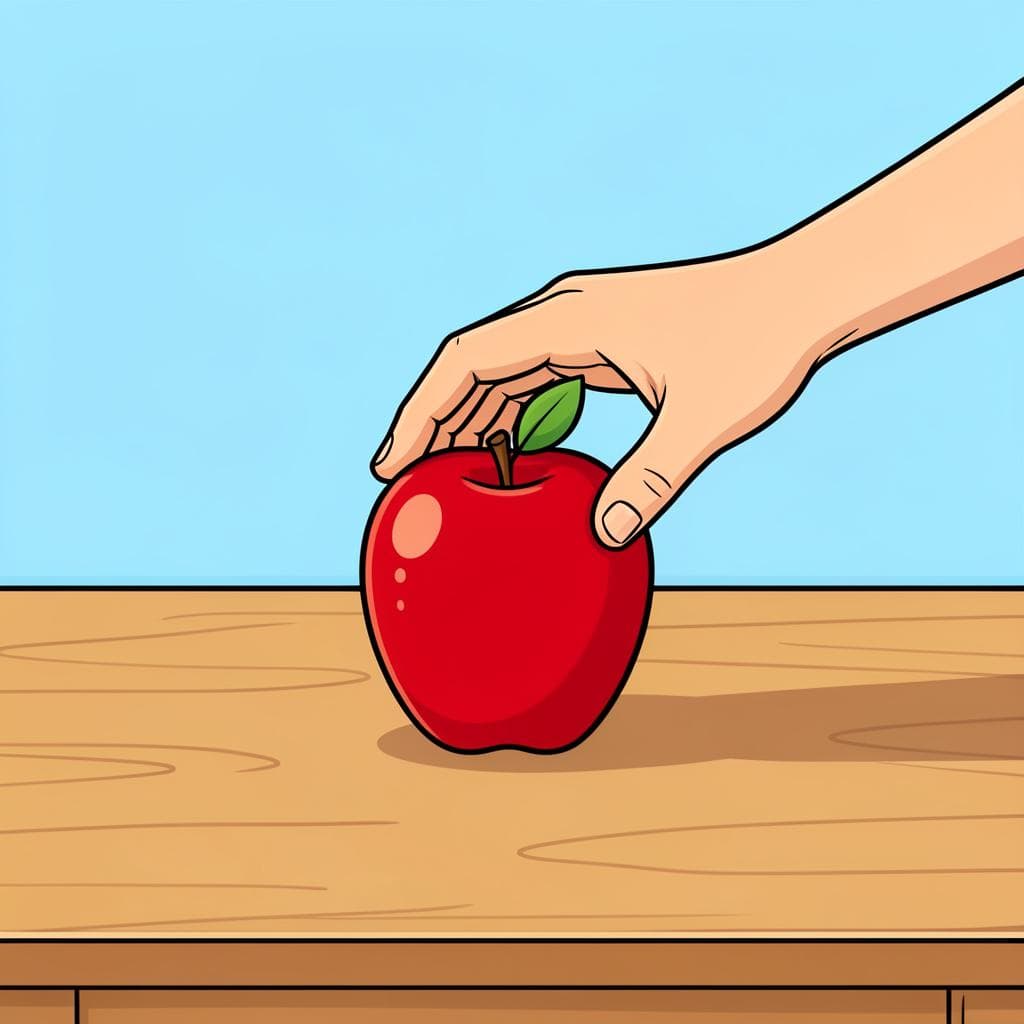
conjunto
kon-HOON-tohkonˈxunto
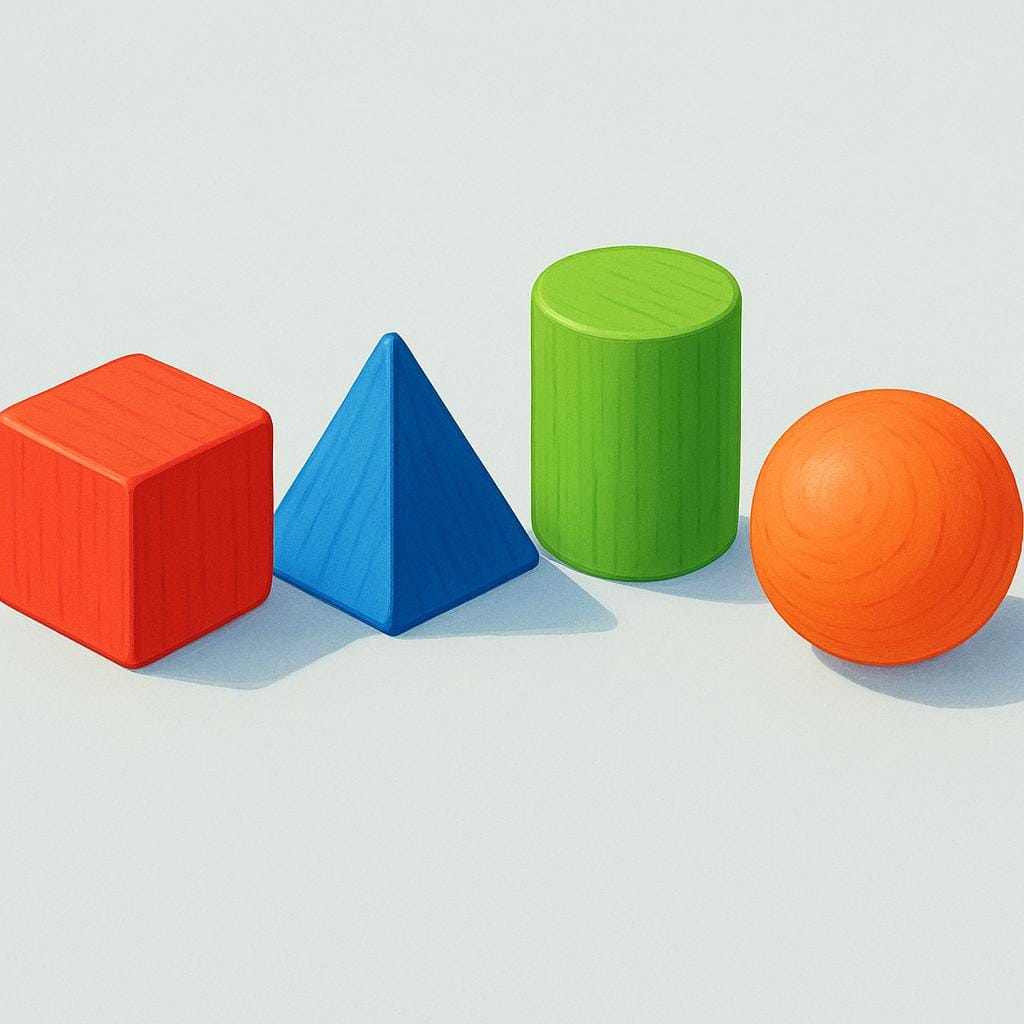
Examples
El conjunto de reglas es simple.
The set of rules is simple.
Necesitamos analizar el conjunto de datos antes de decidir.
We need to analyze the data set before deciding.
El conjunto de edificios antiguos es muy bonito.
The group of old buildings is very beautiful.
Masculine Noun
Remember that 'conjunto' is always masculine, so you must use 'el' or 'un' before it, and any adjectives describing it must also end in -o (e.g., 'el conjunto grande').
fijo
fee-hohˈfixo

Examples
Necesito un trabajo fijo con beneficios.
I need a permanent job with benefits.
El sillón está fijo a la pared y no se puede mover.
The armchair is fixed to the wall and cannot be moved.
Tenemos una tarifa fija por la electricidad cada mes.
We have a fixed rate for electricity every month.
Agreement Rule
As an adjective, 'fijo' must match the gender (masculine/feminine) and number (singular/plural) of the noun it describes: 'fijo' (m. singular), 'fija' (f. singular), 'fijos' (m. plural), 'fijas' (f. plural).
Confusing 'fijo' and 'estable'
Mistake: “Using 'estable' when referring to a job contract ('trabajo estable').”
Correction: While 'estable' is understandable, the most natural way to say 'permanent job' in Spanish is 'trabajo fijo' or 'empleo fijo'.
puesto
PWES-tohˈpwesto
Examples
He puesto las llaves sobre la mesa.
I have put the keys on the table.
Ya tienes el abrigo puesto, ¿nos vamos?
You already have your coat on, shall we go?
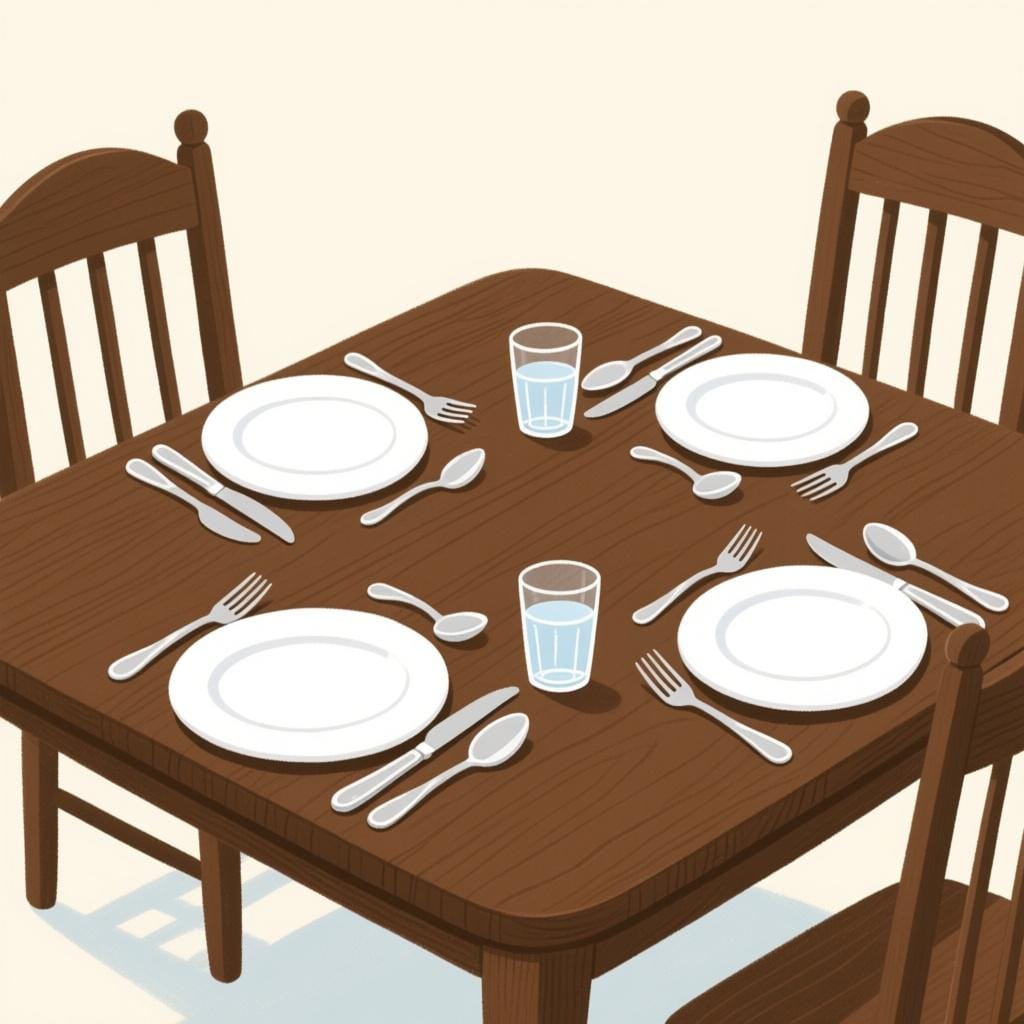
La mesa ya está puesta para la cena.
The table is already set for dinner.
Los libros están puestos en el estante.
The books are placed on the shelf.
Making it Match
As an adjective, 'puesto' must match the person or thing it describes. Use 'puesto' for masculine things, 'puesta' for feminine, 'puestos' for masculine plural, and 'puestas' for feminine plural. For example: 'el abrigo puesto' (the coat on), 'la camisa puesta' (the shirt on).
Where it Goes
This adjective usually comes after the thing it's describing, which is a common pattern in Spanish. You'd say 'la gorra puesta' (the cap on), not 'la puesta gorra'.
The 'Have Done' Form
This is the special form of 'poner' (to put) that you use with the helper verb 'haber' (to have) to talk about things that 'have happened.' For example, 'he puesto' means 'I have put'.
It Doesn't Change Here
When used with 'haber' to form a main verb (like in 'he puesto'), 'puesto' always stays the same. It doesn't change for masculine or feminine things.
Irregular vs. Regular
Mistake: “A common mistake is trying to make a regular form, like 'ponido'.”
Correction: The verb 'poner' is irregular, so its past participle is always 'puesto'. Just remember: 'poner' -> 'puesto'.
juego
khweh-goˈxweɣo
Examples
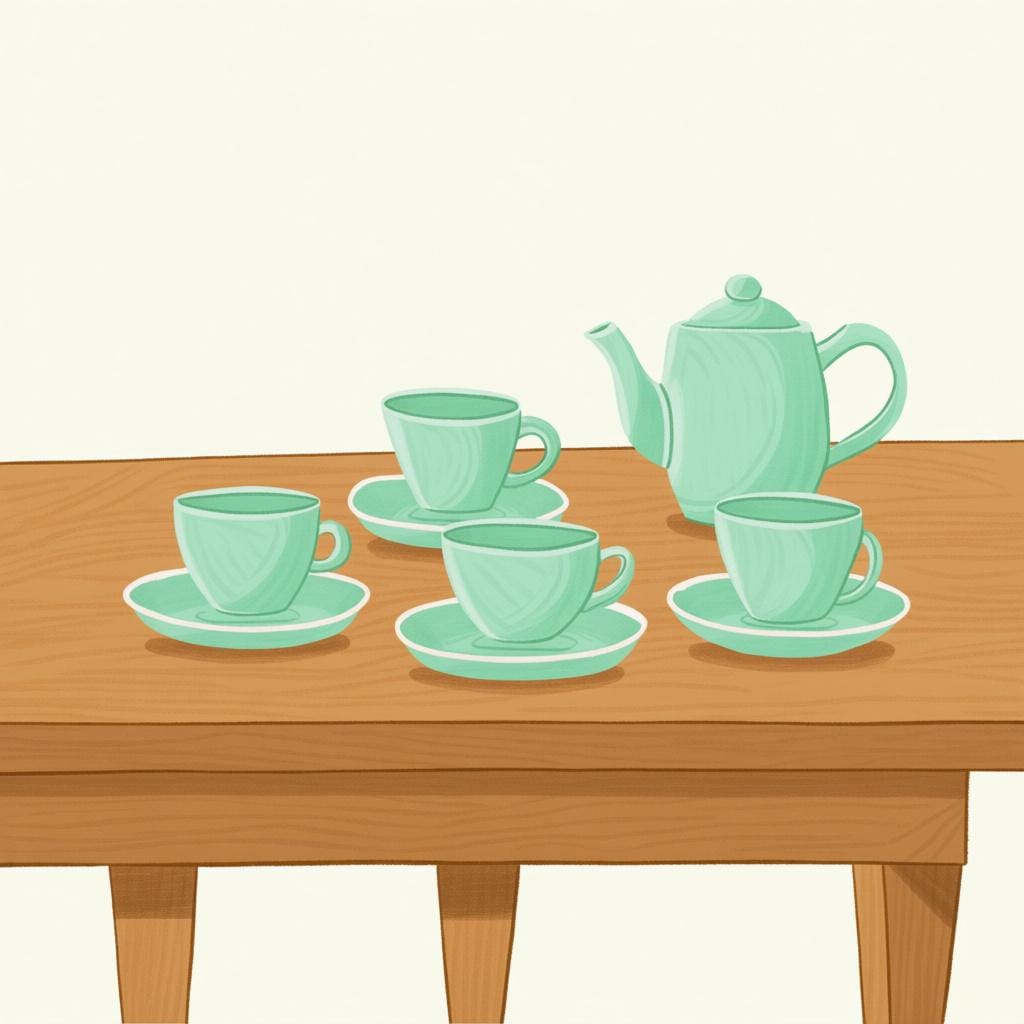
Necesito un nuevo juego de llaves.
I need a new set of keys.
El sofá viene con un juego de cojines.
The sofa comes with a set of cushions.
Este collar hace juego con tus aretes.
This necklace matches your earrings.
grupo
GROO-pohˈɡɾupo

Examples
Un grupo de turistas espera el autobús.
A group of tourists is waiting for the bus.
Hay un grupo de llaves sobre la mesa.
There is a bunch of keys on the table.
Vamos a trabajar en grupos de tres personas.
We are going to work in groups of three people.
One Group IS, Not ARE
Even though a 'grupo' has many members, Spanish treats the word itself as one single thing. So, you use the singular form of the verb. For example, say 'El grupo es grande' (The group is big), not 'El grupo son grande'.
colección
Examples
Mi abuelo tiene una colección increíble de relojes antiguos.
My grandfather has an incredible collection of antique watches.
escenario
es-seh-NAH-reeoheseˈnaɾjo

Examples
El cantante apareció en el escenario y la gente aplaudió.
The singer appeared on the stage and the people applauded.
Ayer montaron un escenario enorme para el festival de música.
Yesterday they built a huge stage for the music festival.
El equipo técnico se encargó del diseño del escenario.
The technical team was in charge of the stage design (set design).
Masculine Noun Alert
Even though it ends in '-o', remember 'escenario' is always a masculine noun, so you use the masculine word 'el' (the) or 'un' (a) before it.
Using 'Escenario' for 'Scene'
Mistake: “Saying 'La obra tiene cinco escenarios' (The play has five stages) when you mean the parts of the play.”
Correction: Use 'escena' when referring to a section of a play or film ('La obra tiene cinco escenas'). 'Escenario' is the physical stage itself.
programado
pro-gra-MA-dopɾoɣɾaˈmaðo

Examples
El examen está programado para las diez de la mañana.
The exam is scheduled for ten in the morning.
Tenemos un viaje programado para el próximo mes.
We have a trip planned for next month.
Matching the word to the object
Since this acts like an adjective here, the ending changes to 'programada' if you are talking about something feminine, like 'una reunión' (a meeting).
kit
kitkit

Examples
Siempre llevo un kit de costura pequeño cuando viajo.
I always carry a small sewing kit when I travel.
El kit de reparación de bicicletas no incluía la bomba.
The bicycle repair kit did not include the pump.
Necesitamos comprar un kit de primeros auxilios para la oficina.
We need to buy a first aid kit for the office.
Gender Rule for Loanwords
Even though 'kit' comes from English and doesn't follow typical Spanish noun endings, it is a masculine noun. Always use 'el' or 'un' before it: 'el kit'.
Confusing Pluralization
Mistake: “Using 'los kit' for the plural.”
Correction: The correct plural adds an 's' just like in English: 'los kits'. Remember to change the article too.
lote
loh-tehˈlote

Examples
Este lote de camisetas tiene un error de impresión.
This batch of t-shirts has a printing error.
Vendieron el lote completo en la subasta.
They sold the entire lot at the auction.
Gender of Lote
Even though it ends in 'e', 'lote' is masculine. Use 'el' or 'un' with it.
Lote vs. Grupo
Mistake: “Using 'lote' for a group of people.”
Correction: Use 'grupo' for people. 'Lote' is almost always for physical objects or products.
pon
ponpon
Examples
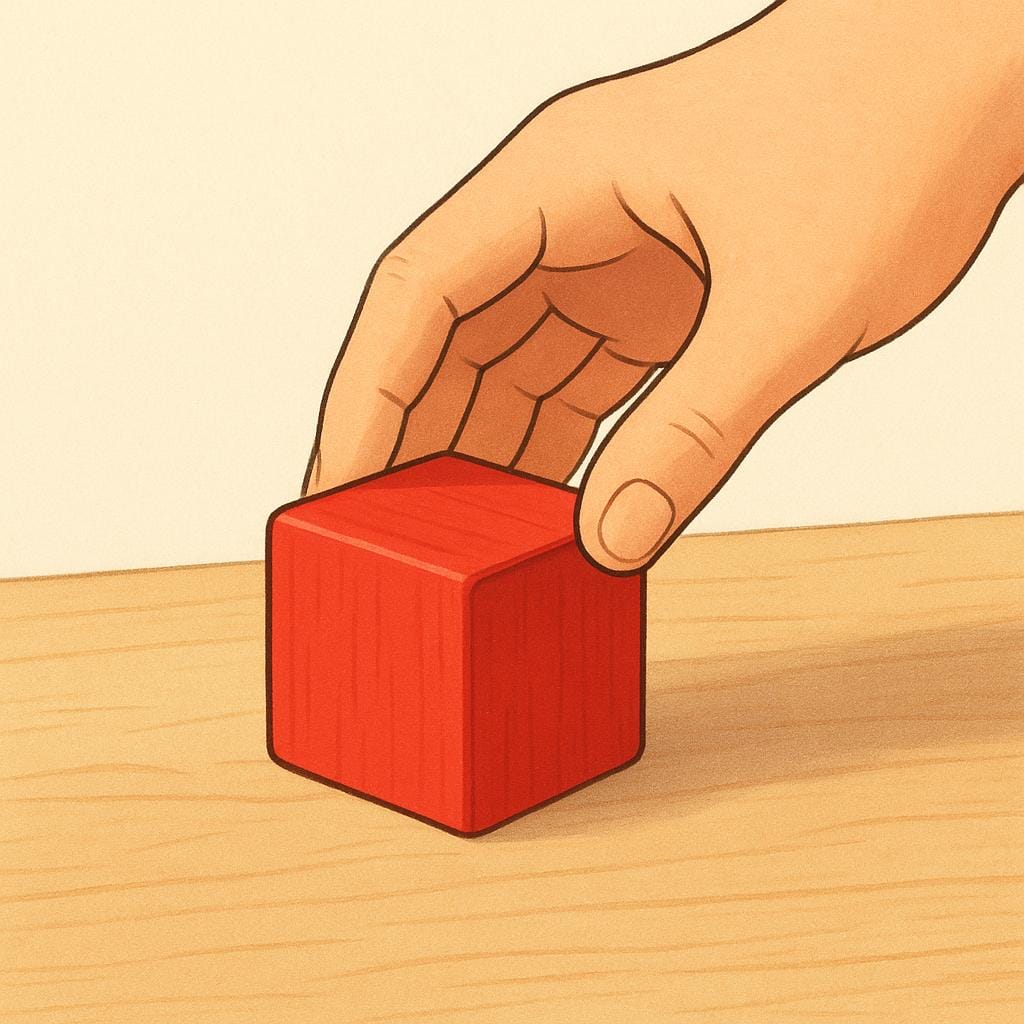
¡Pon la mesa ahora mismo! Vamos a cenar.
Set the table right now! We are going to have dinner.
Pon el vaso sobre el posavasos, por favor.
Put the glass on the coaster, please.
Cuando llegues, pon las llaves en el gancho de la entrada.
When you arrive, put the keys on the hook by the entrance.
¡Pon la televisión, por favor! Quiero ver las noticias.
Turn on the TV, please! I want to watch the news.
The 'Irregular Eight' Commands
'Pon' is one of eight highly irregular informal (tú) affirmative commands. You just have to memorize it! It does not follow the normal pattern of verb endings.
Pronoun Placement
When you use 'pon' with words like 'lo' or 'la' (it), they always stick directly onto the end of the command: 'Ponlo aquí' (Put it here).
Using 'Poner' for Technology
In many Spanish-speaking regions, 'poner' (pon) is the most common verb used to tell someone to turn on a TV, radio, or music, instead of the more literal 'encender'.
Using the 'er' Ending
Mistake: “Pones el libro allí.”
Correction: ¡Pon el libro allí! The form 'pones' is used for regular statements, not direct commands.
ponga
pon-gaˈpoŋɡa

Examples
Ponga los libros sobre el escritorio.
Put the books on the desk (formal command).
Es necesario que yo ponga atención a la clase.
It is necessary that I pay attention to the class (Subjunctive 'I' form).
No creo que mi jefe ponga el dinero mañana.
I don't believe that my boss will put the money down tomorrow (Subjunctive 'he' form).
Formal Commands
'Ponga' is the standard way to tell someone politely ('usted') what to put or place, like saying 'Please, put the dish here.'
The 'Yo-Go' Rule
The stem of 'ponga' comes from the irregular 'yo' form of the present tense ('yo pongo'). All verbs whose 'yo' form ends in '-go' follow this pattern in the special 'wish/doubt' forms (Subjunctive).
Using the wrong mood
Mistake: “No creo que él pone la llave aquí.”
Correction: No creo que él ponga la llave aquí. (Use 'ponga' after expressions of doubt, like 'No creo que...').
pongan
POHN-gahnˈpoŋ.ɡan

Examples
Por favor, pongan sus maletas aquí.
Please, put your suitcases here (formal 'you all' command).
Necesito que pongan atención a las instrucciones.
I need you all to pay attention to the instructions (subjunctive).
Ojalá que nos pongan una mesa grande.
Hopefully, they set a big table for us (wish).
Formal Group Command
When giving a command to a group of people (ustedes), use 'pongan.' This is the formal way to say 'you all put/place.'
The Subjunctive Mood
The form 'pongan' is the special verb form (present subjunctive) used after words that express doubt, desire, necessity, or emotion, like 'Es necesario que pongan...' (It is necessary that you all put...).
Using the 'g' sound incorrectly
Mistake: “Sometimes learners forget the 'g' sound and say 'ponan'.”
Correction: The verb 'poner' is irregular and adds a 'g' in many forms, including 'pongan'. Remember P-O-N-G-A-N.
servido
ser-VEE-dohseɾˈβiðo

Examples
La mesa está servida. ¡Podemos empezar a comer!
The table is set. We can start eating!
El plato principal fue servido con una salsa picante.
The main dish was served with a spicy sauce.
No más postre, gracias. Estoy servido.
No more dessert, thank you. I've had enough (I am satisfied).
Agreement is Key
When 'servido' is used as an adjective (usually after 'estar' or 'ser'), it must change its ending to match the thing it describes: 'servida' (feminine singular), 'servidos' (masculine plural), 'servidas' (feminine plural).
Forgetting Gender
Mistake: “La comida está servido.”
Correction: La comida está servida. (Since 'comida' is feminine, the adjective must also be feminine.)
serie
SEH-ree-ehˈse.ɾje

Examples
La caída de la bolsa provocó una serie de problemas económicos.
The stock market crash caused a series of economic problems.
El museo exhibe una serie de obras de arte del siglo pasado.
The museum exhibits a set of artworks from the last century.
Necesitamos analizar toda la serie de datos antes de tomar una decisión.
We need to analyze the whole sequence of data before making a decision.
Si ganan el partido de hoy, aseguran la serie eliminatoria.
If they win today's game, they secure the playoff series.
Singular Subject, Plural Meaning
Even though 'serie' means 'many things' (a series of events), the word 'serie' itself is singular. The verb should match: 'La serie de eventos fue larga' (The series of events was long).
decorado
deh-ko-RAH-dohdekoˈɾaðo

Examples
El decorado de la película era muy realista.
The movie set was very realistic.
Están cambiando el decorado para el segundo acto.
They are changing the scenery for the second act.
Me encanta el decorado minimalista de este restaurante.
I love the minimalist decor of this restaurant.
Nouns and Gender
As a noun meaning 'a set,' it is always masculine (el decorado), regardless of who created it.
Decorado vs. Decoración
Mistake: “Using 'decorado' to talk about the act of hanging Christmas lights.”
Correction: Use 'decoración' for the action or the ornaments themselves; use 'decorado' for the overall physical setting or a stage set.
establecido
es-tah-bleh-SEE-dohes.ta.βle.ˈsi.ðo

Examples
Debemos seguir el protocolo establecido.
We must follow the established protocol.
Ya tiene una rutina muy establecida en su nueva ciudad.
She already has a very settled routine in her new city.
Los precios ya están establecidos por la empresa.
The prices are already set by the company.
Matching the Ending
Since this is an adjective, remember to change the ending to 'establecida' if the thing you are describing is feminine, or 'establecidos/as' if there are more than one.
manga
MAHN-gahˈmaŋɡa

Examples
El tenista ganó la primera manga del partido.
The tennis player won the first set of the match.
Mañana se corre la segunda manga de la carrera.
The second heat of the race will be run tomorrow.
Sports Terminology
While 'set' is common in tennis, 'manga' is the traditional Spanish word used in sports to describe these segments.
partida
par-TEE-dahpaɾˈtiða
Examples
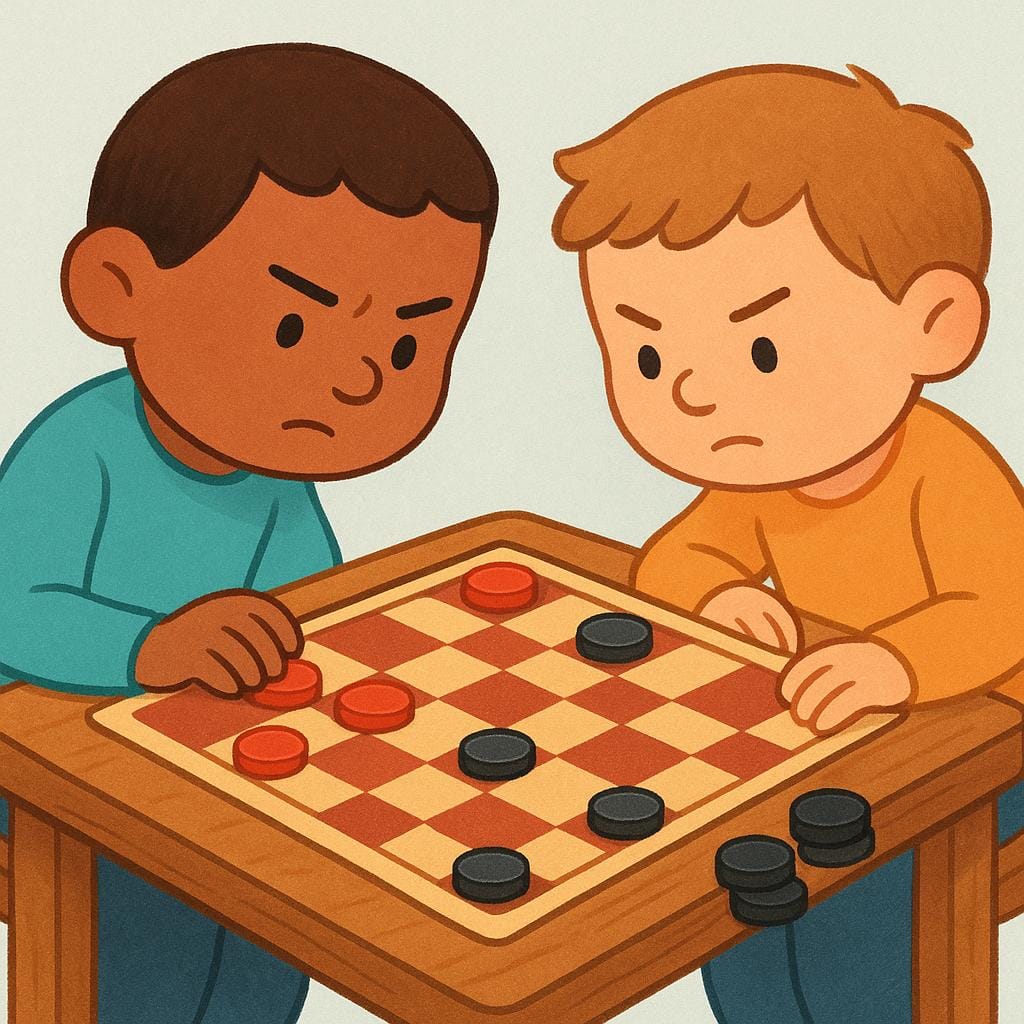
Esta noche jugaremos una partida de póker.
Tonight we will play a game of poker.
Perdimos la partida por un solo punto.
We lost the match by only one point.
La partida de ajedrez duró más de tres horas.
The chess game lasted more than three hours.
Gender Note
Even though 'game' (juego) is masculine, 'partida' is always feminine. Remember to use 'una partida' or 'la partida'.
ronda
RRON-dahˈron.da

Examples
¿Quién paga la próxima ronda?
Who is paying for the next round (of drinks)?
Perdí todas mis fichas en la última ronda de póker.
I lost all my chips in the last hand of poker.
servicio
ser-BEE-syoseɾˈbi.sjo

Examples
Compramos un servicio de platos para doce personas.
We bought a dinnerware set for twelve people.
Heredé de mi abuela un antiguo servicio de té.
I inherited an antique tea service from my grandmother.
batería
Examples
El doctor nos sometió a una batería de pruebas médicas.
The doctor submitted us to a series of medical tests.
set
sehtset

Examples
El tenista ganó el primer set con un marcador de 6-3.
The tennis player won the first set with a score of 6-3.
Si pierden este set, el partido termina.
If they lose this set, the match ends.
El director pidió silencio absoluto en el set de grabación.
The director requested absolute silence on the filming set.
Terminamos la escena y desmontaron todo el set.
We finished the scene and they dismantled the entire set.
Gender Rule for Loanwords
Even though 'set' comes from English, in Spanish it is treated as a masculine noun, so you must use 'el set' or 'un set'.
Context is Key
When talking about movies or TV, 'set' refers to the physical place where the action happens, making it distinct from the sports meaning.
Using the wrong plural form
Mistake: “Muchos sets.”
Correction: Although 'sets' is sometimes used, it's often better to say 'varios sets' or rephrase to avoid the English plural rule, as the Spanish plural for loanwords can be tricky.
Overusing the loanword
Mistake: “Necesito un set de ropa nueva.”
Correction: Necesito un conjunto de ropa nueva. (Use 'conjunto' for general collections like clothes or ideas.)
fijado
fee-HA-dohfiˈxaðo

Examples
El precio ya está fijado en el catálogo.
The price is already set in the catalog.
El espejo está bien fijado a la pared.
The mirror is securely attached to the wall.
Changing for Gender
Since this word is describing something, it needs to match the item it talks about. If you describe a female noun like 'la fecha' (the date), use 'fijada' instead of 'fijado'.
Fixing a Car vs. Fixing a Date
Mistake: “Using 'fijado' to mean a repaired car.”
Correction: Use 'arreglado' for repairs. 'Fijado' only means something is set in place or established.
preparada
preh-pah-RAH-dahpɾepaˈɾaða

Examples
¿Están las maletas preparadas para el viaje?
Are the suitcases ready for the trip?
La mesa está preparada para la cena.
The table is set for dinner.
Ella siempre está preparada para cualquier emergencia.
She is always prepared for any emergency.
Matching the Ending
Since 'preparada' ends in -a, it must describe a feminine singular noun, like 'la fiesta' (the party) or 'mi amiga' (my friend).
Ser vs. Estar
Use 'estar preparada' (e.g., 'La comida está preparada') to talk about a temporary state or condition (the meal is ready now).
Using the wrong gender
Mistake: “La casa está preparado.”
Correction: La casa está preparada. (Since 'casa' is feminine, the adjective must match.)
pusiera
poo-SYEH-rahpuˈsjeɾa
Examples
Si yo pusiera la mesa, ¿tú lavarías los platos?
If I set the table, would you wash the dishes?
Ella quería que yo pusiera la música más baja.
She wanted me to turn the music down.
Si él se pusiera ese abrigo, tendría menos frío.
If he put on that coat, he would be less cold.
The 'If' Trigger
Use 'pusiera' after 'si' (if) when you are imagining a situation that isn't currently true, like 'If I put the money in the bank (but I haven't)...'
Past Requests
When someone asked or wanted you to do something in the past, the action they wanted you to do often takes this 'pusiera' form.
Don't say 'Poniera'
Mistake: “Yo poniera la mesa.”
Correction: Yo pusiera la mesa. The verb 'poner' is irregular and changes its stem to 'pus-' in this form.
set
sehtset
Examples
El DJ puso un set increíble de música electrónica durante tres horas.
The DJ played an incredible set of electronic music for three hours.
El tenista ganó el primer set con un marcador de 6-3.
The tennis player won the first set with a score of 6-3.
Si pierden este set, el partido termina.
If they lose this set, the match ends.
El director pidió silencio absoluto en el set de grabación.
The director requested absolute silence on the filming set.
Gender Rule for Loanwords
Even though 'set' comes from English, in Spanish it is treated as a masculine noun, so you must use 'el set' or 'un set'.
Context is Key
When talking about movies or TV, 'set' refers to the physical place where the action happens, making it distinct from the sports meaning.
Using the wrong plural form
Mistake: “Muchos sets.”
Correction: Although 'sets' is sometimes used, it's often better to say 'varios sets' or rephrase to avoid the English plural rule, as the Spanish plural for loanwords can be tricky.
Overusing the loanword
Mistake: “Necesito un set de ropa nueva.”
Correction: Necesito un conjunto de ropa nueva. (Use 'conjunto' for general collections like clothes or ideas.)
Collection vs. Action
Learn Spanish with Inklingo
Interactive stories, personalized learning, and more.