How to Say "round" in Spanish
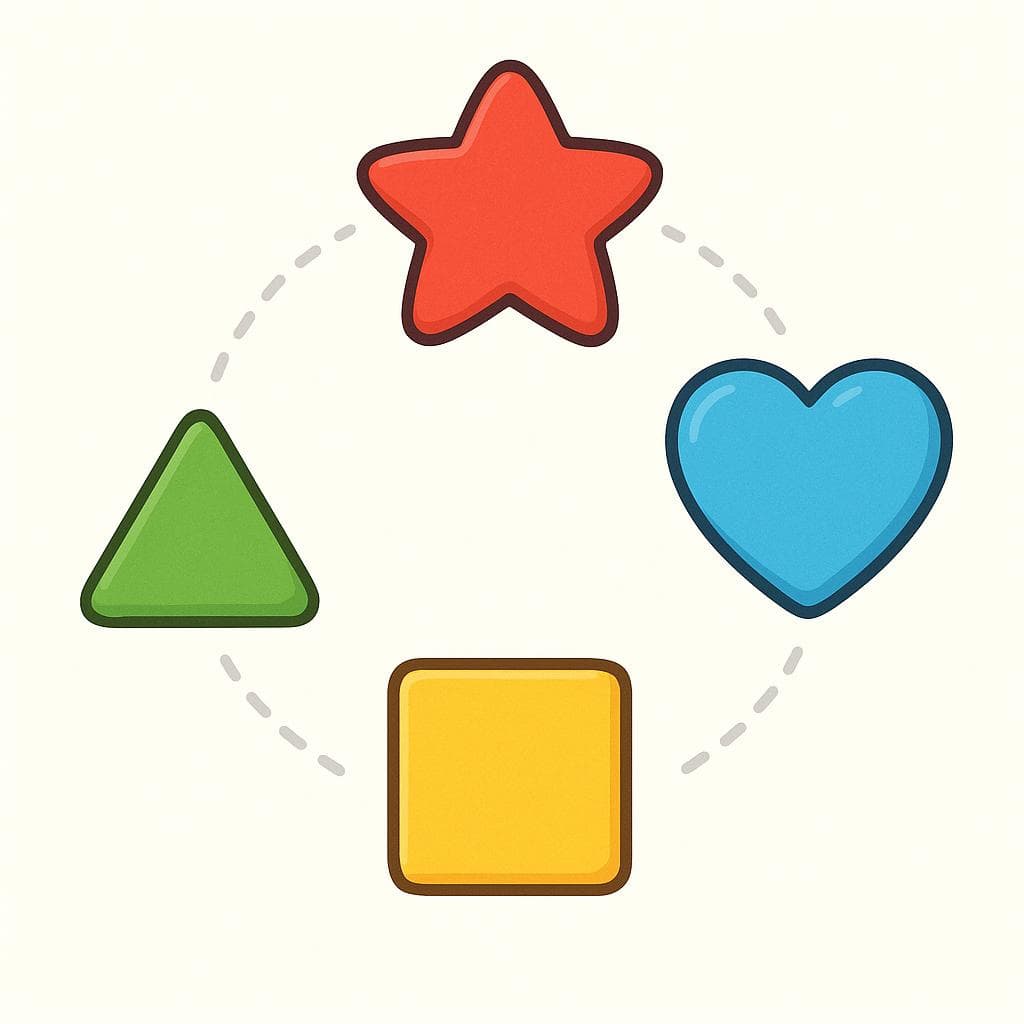
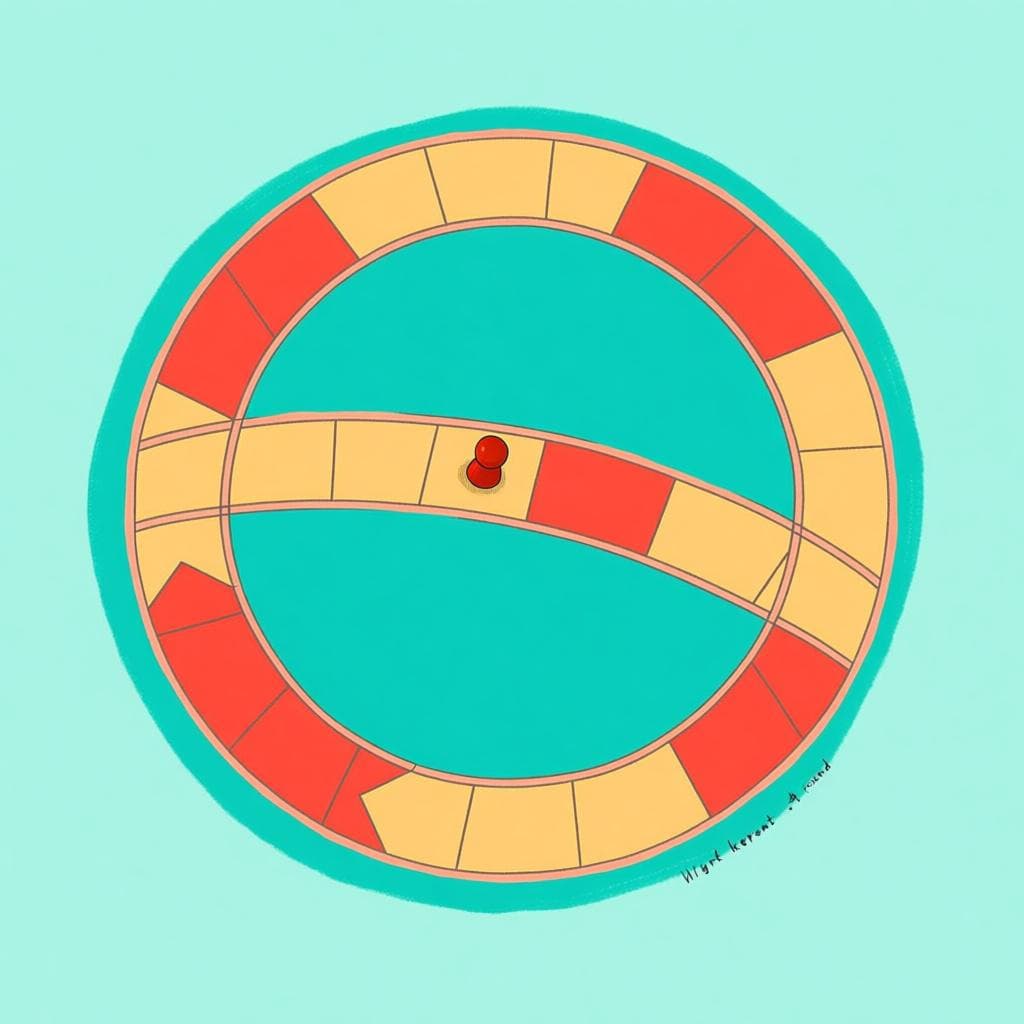
The most common Spanish word for “round” is “redondo” — use this word to describe something that is circular in shape, like a ball or a table.




redondo
re-DON-dohreˈðondo

Examples
La pelota es redonda.
The ball is round.
La mesa del comedor es redonda.
The dining room table is round.
Dibuja un círculo muy redondo en el papel.
Draw a very round circle on the paper.
Tiene unas gafas redondas muy modernas.
He has some very modern round glasses.
Matching the Object
This word changes its ending to match what it describes. Use 'redondo' for masculine things and 'redonda' for feminine things.
Where to put it
Usually, you place this word after the thing you are describing, like 'un plato redondo' (a round plate).
Gender Mismatch
Mistake: “La pelota es redondo.”
Correction: La pelota es redonda. Because 'pelota' is feminine, the description must end in -a.
ronda
RRON-dahˈron.da
Examples
El policía hizo una ronda por el vecindario.
The police officer did a round of the neighborhood.
El guardia de seguridad hace una ronda cada hora.
The security guard does a patrol every hour.
Esta es la última ronda de negociaciones antes del acuerdo final.
This is the last round of negotiations before the final agreement.
Pasamos a la segunda ronda del torneo.
We moved on to the second round of the tournament.
circular
seer-koo-LAHRθiɾkuˈlaɾ

Examples
Tiene una forma circular.
It has a circular shape.
Compramos una mesa circular para el comedor.
We bought a circular table for the dining room.
El movimiento de la Tierra es casi circular.
The Earth's movement is almost circular.
One Form for All
This adjective ends in -r, which means it looks exactly the same for masculine and feminine things (un objeto circular, una mesa circular).
Avoid 'Circulara'
Mistake: “Una mesa circulara.”
Correction: Una mesa circular. (Never add an 'a' at the end to make it feminine; it doesn't change!)
turno
TOOR-nohˈtuɾ.no

Examples
Trabajo en el turno de noche.
I work the night shift.
Ella prefiere trabajar en el turno de la tarde porque hay menos tráfico.
She prefers to work the afternoon shift because there is less traffic.
Mi universidad ofrece clases en el turno matutino y vespertino.
My university offers classes in the morning session and the evening session.
Tenemos tres turnos: mañana, tarde y noche.
We have three shifts: morning, afternoon, and night.
Prepositions with Shifts
You generally use the preposition 'en' (in/on) when describing which shift someone works: 'trabajar en el turno de noche'.
Confusing 'turno' and 'tiempo'
Mistake: “Saying 'el tiempo de noche' for 'night shift'.”
Correction: Use 'turno' when referring to a specific block of time assigned for work or school. 'Tiempo' is a general term for time or weather.
asalto
a-SAL-tohaˈsalto
Examples
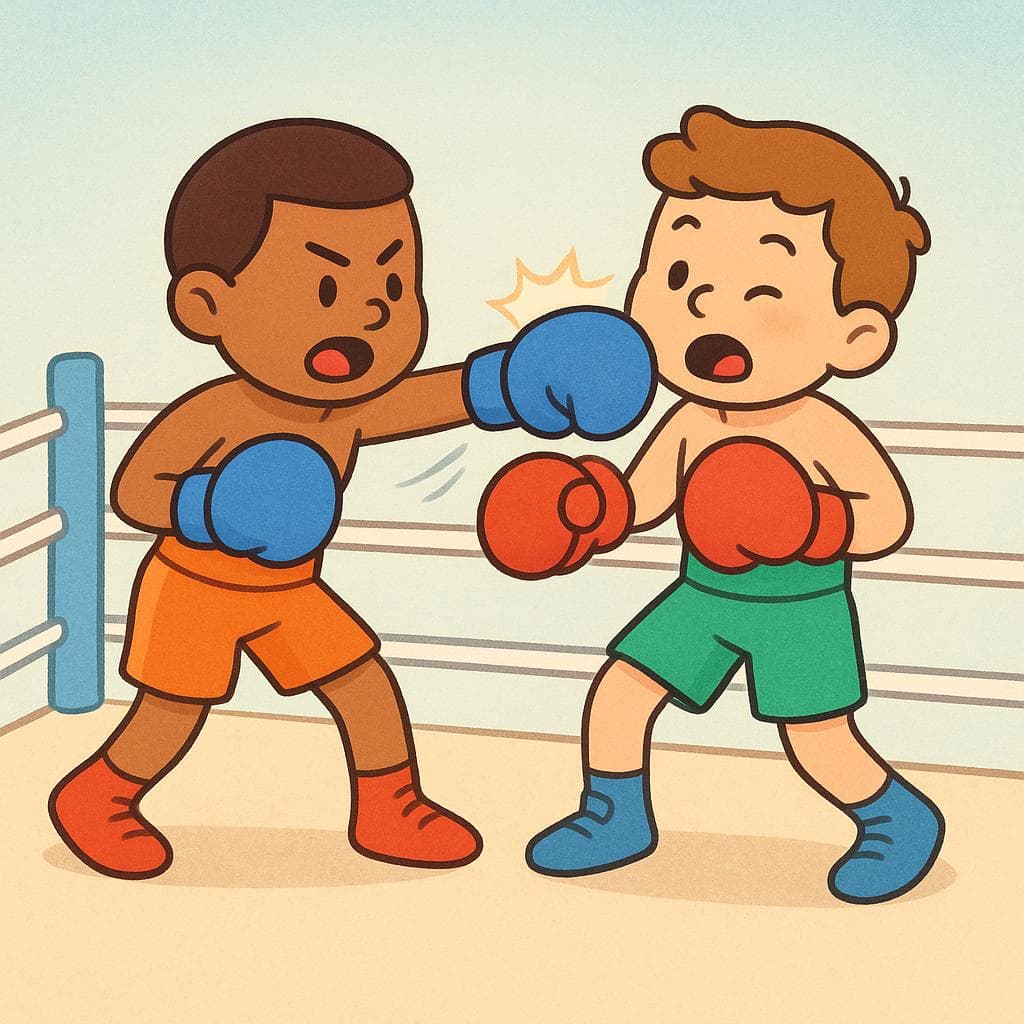
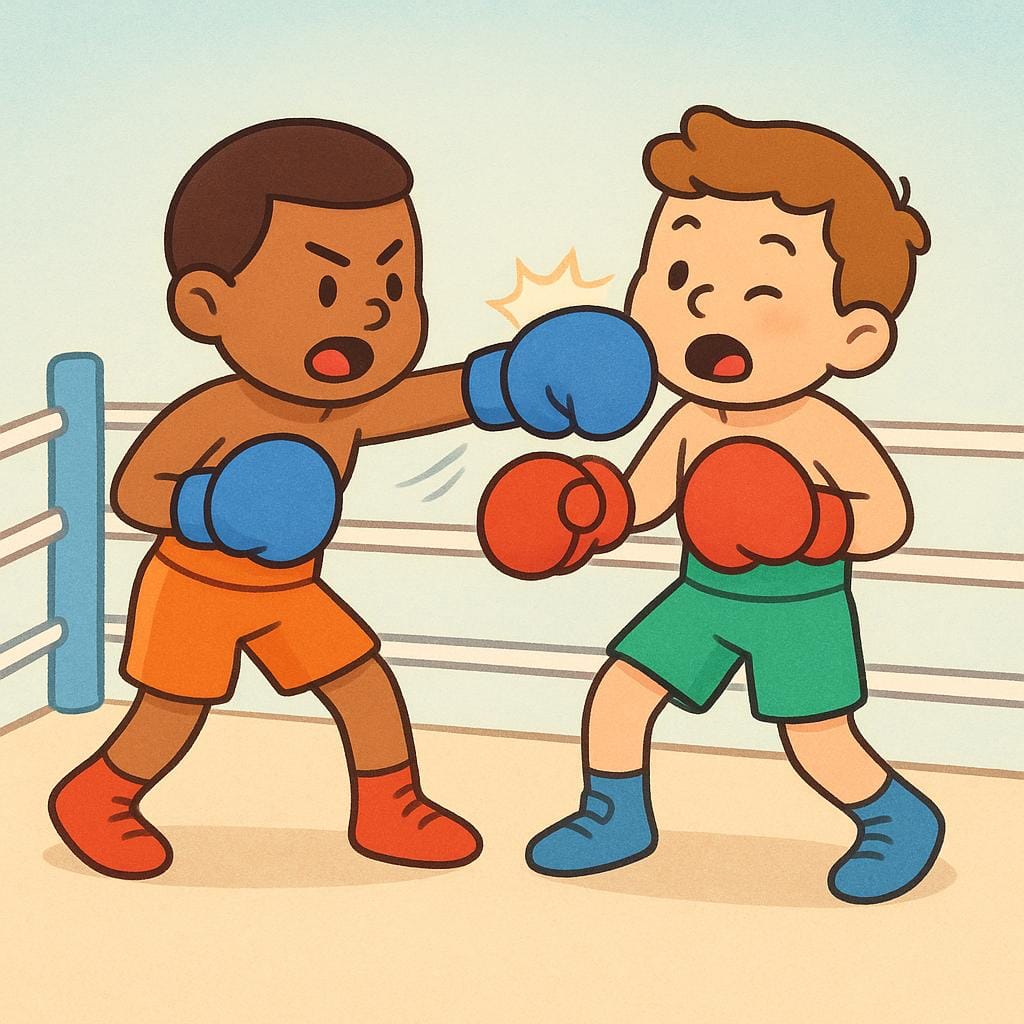
Fue un combate muy reñido hasta el último asalto.
It was a very close fight until the last round.
El boxeador fue noqueado en el tercer asalto.
The boxer was knocked out in the third round.
Solo quedan dos asaltos para el final del combate.
There are only two rounds left until the end of the match.
Specific Vocabulary
When talking about sports that involve fighting (like boxing or wrestling), 'asalto' is the specific term for a segment of the match, like 'round' in English.
set
sehtset
Examples
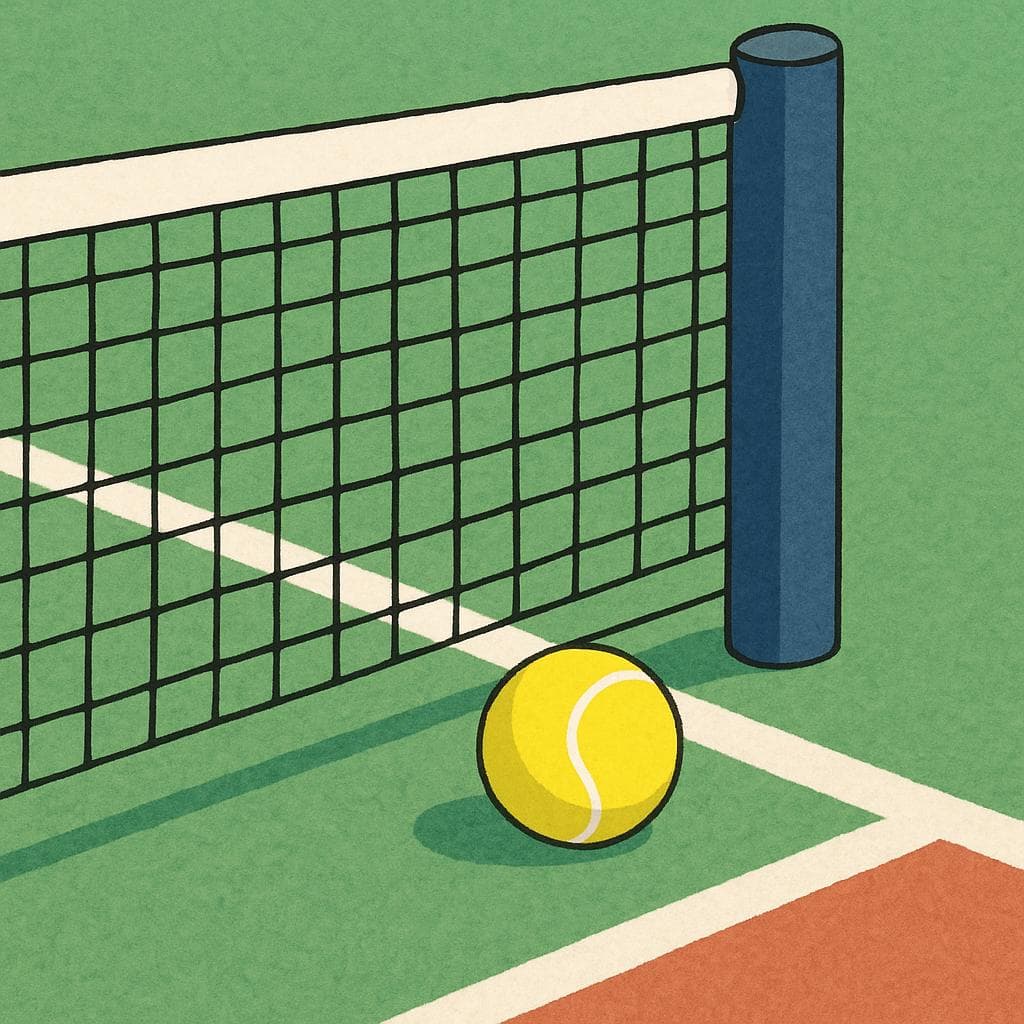
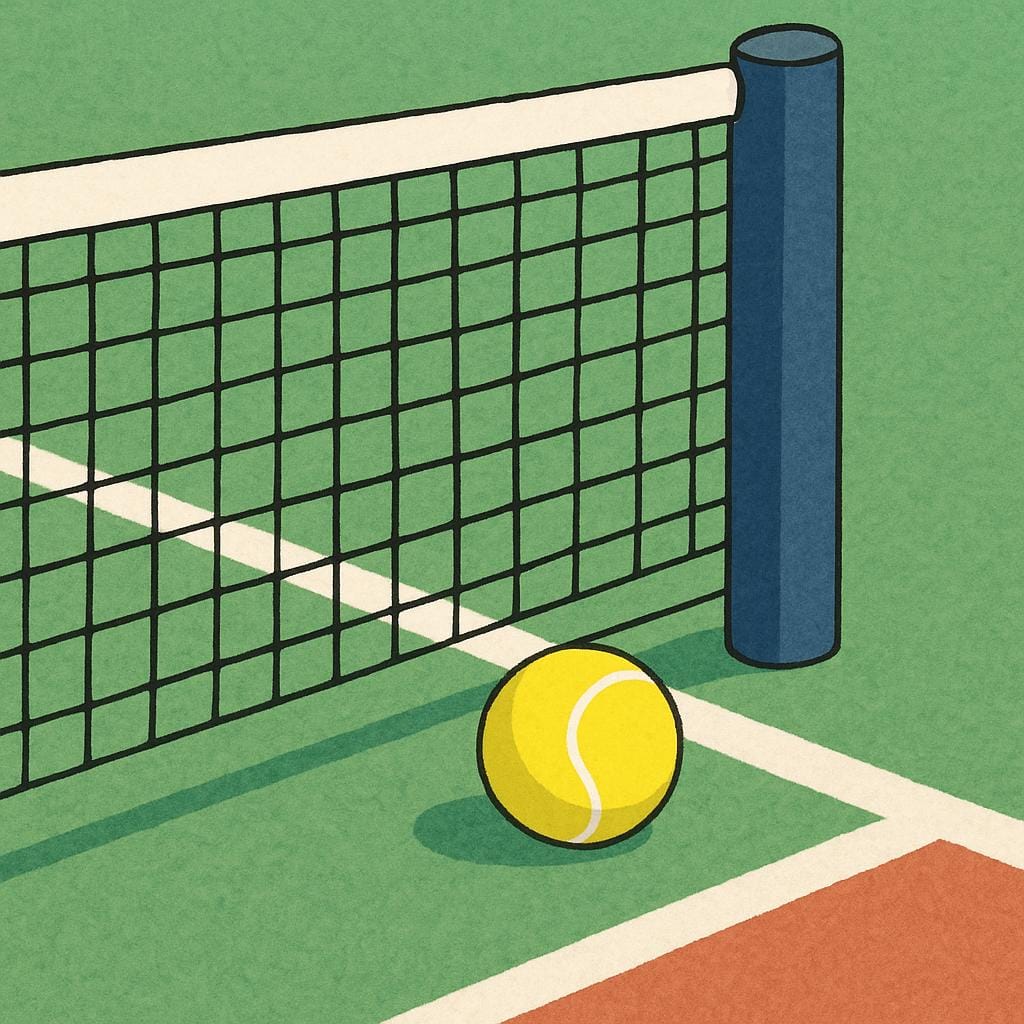
Ganó el primer set por 6-2.
He won the first set 6-2.
El tenista ganó el primer set con un marcador de 6-3.
The tennis player won the first set with a score of 6-3.
Si pierden este set, el partido termina.
If they lose this set, the match ends.
Gender Rule for Loanwords
Even though 'set' comes from English, in Spanish it is treated as a masculine noun, so you must use 'el set' or 'un set'.
Using the wrong plural form
Mistake: “Muchos sets.”
Correction: Although 'sets' is sometimes used, it's often better to say 'varios sets' or rephrase to avoid the English plural rule, as the Spanish plural for loanwords can be tricky.
rueda
RWEH-dahˈrweða
Examples
La rueda de prensa fue muy concurrida.
The press conference was very crowded.
El periodista preguntó en la rueda de prensa.
The journalist asked a question at the press conference (circle of press).
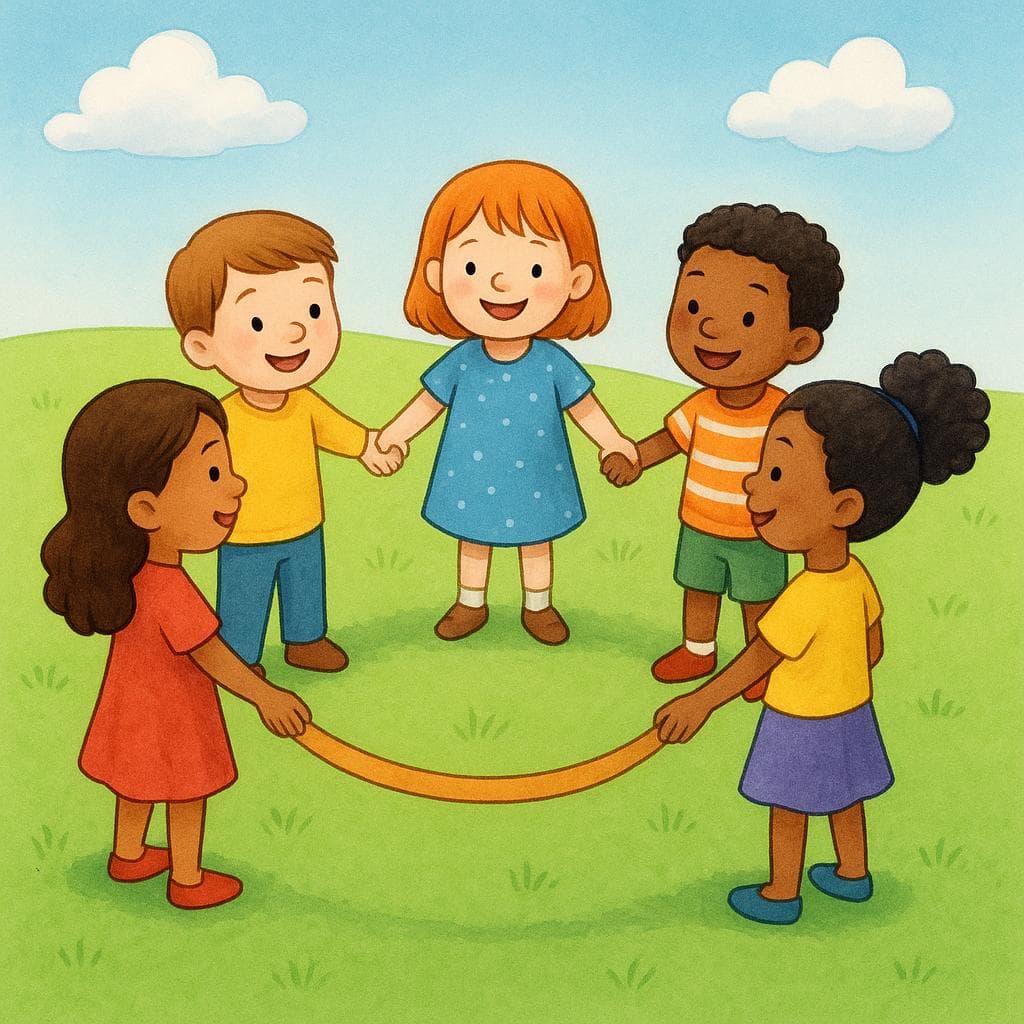
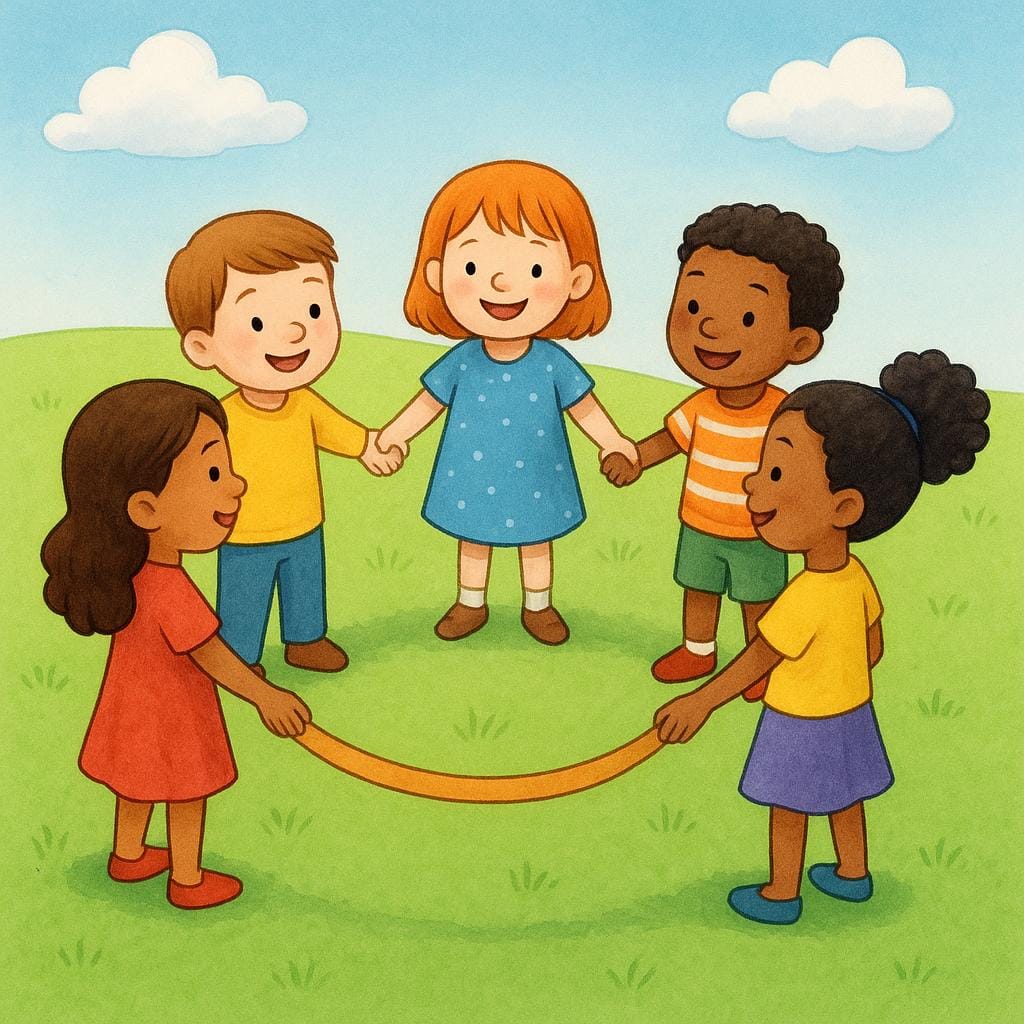
Hicimos una rueda para discutir el proyecto.
We formed a circle/group to discuss the project.
¡Invito yo la próxima rueda de cervezas!
I'll buy the next round of beers!
vuelta
bwel-taˈbwelta
Examples
La segunda vuelta de las elecciones será en junio.
The second round of the elections will be in June.
Pasamos a la segunda vuelta de las elecciones.
We moved on to the second round of the elections.
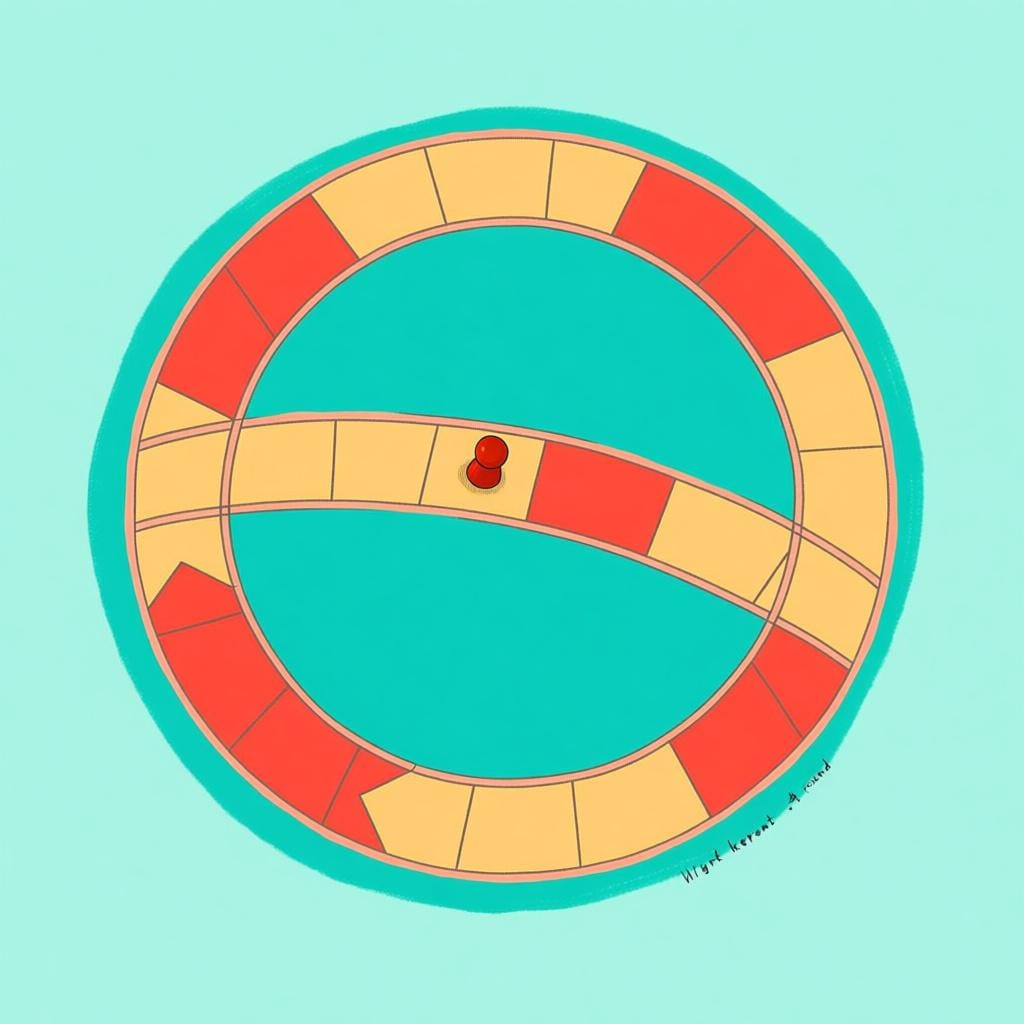
En la próxima vuelta, te toca a ti lanzar los dados.
In the next turn, it's your turn to throw the dice.
Confusing 'Vuelta' with 'Vez'
Mistake: “Using 'vuelta' to mean 'time' or 'occasion'.”
Correction: 'Vez' means a specific instance (e.g., 'una vez' - one time). 'Vuelta' as a 'turn' or 'round' refers to a cycle or a part of a sequence, like in a game or election.
manga
MAHN-gahˈmaŋɡa

Examples
Perdió la manga decisiva por un punto.
He lost the deciding round by one point.
El tenista ganó la primera manga del partido.
The tennis player won the first set of the match.
Mañana se corre la segunda manga de la carrera.
The second heat of the race will be run tomorrow.
Sports Terminology
While 'set' is common in tennis, 'manga' is the traditional Spanish word used in sports to describe these segments.
Shape vs. Competition Stage
Related Translations
Learn Spanish with Inklingo
Interactive stories, personalized learning, and more.