How to Say "turn" in Spanish
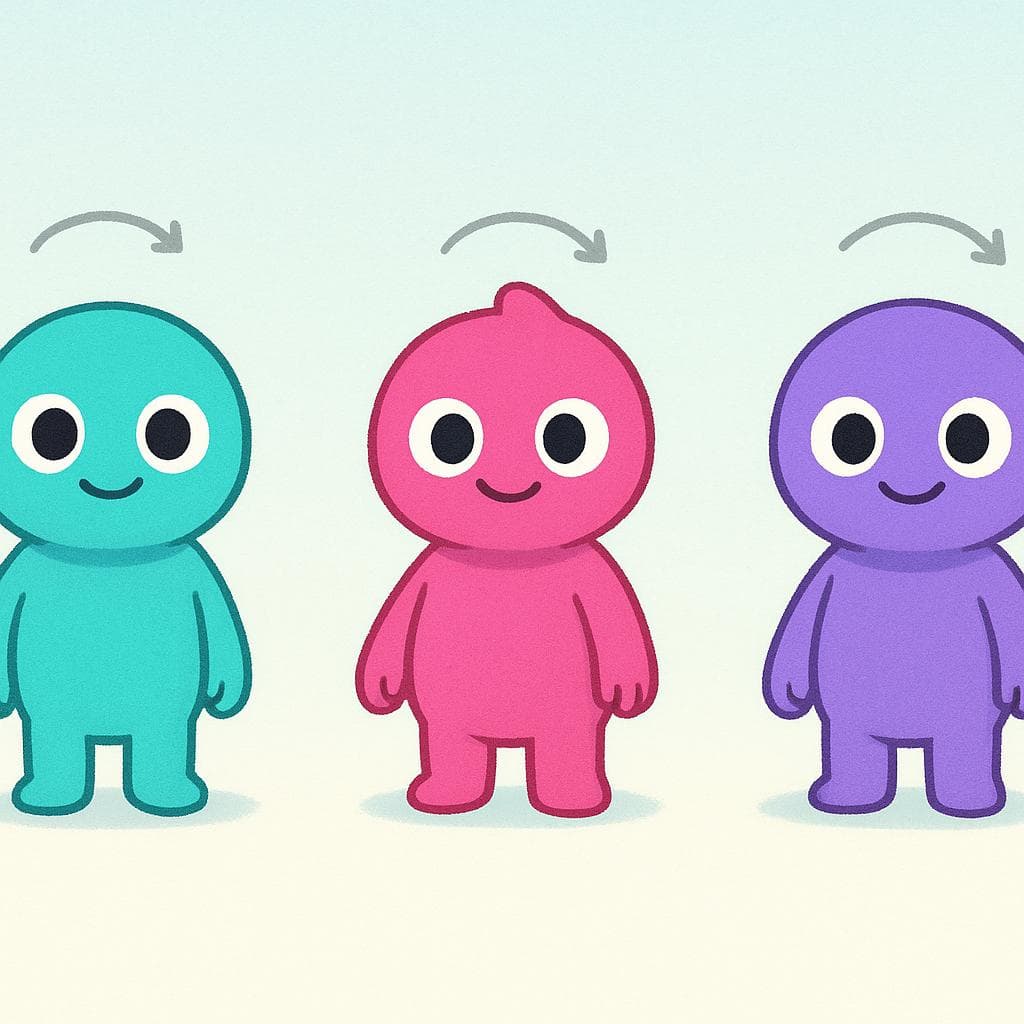
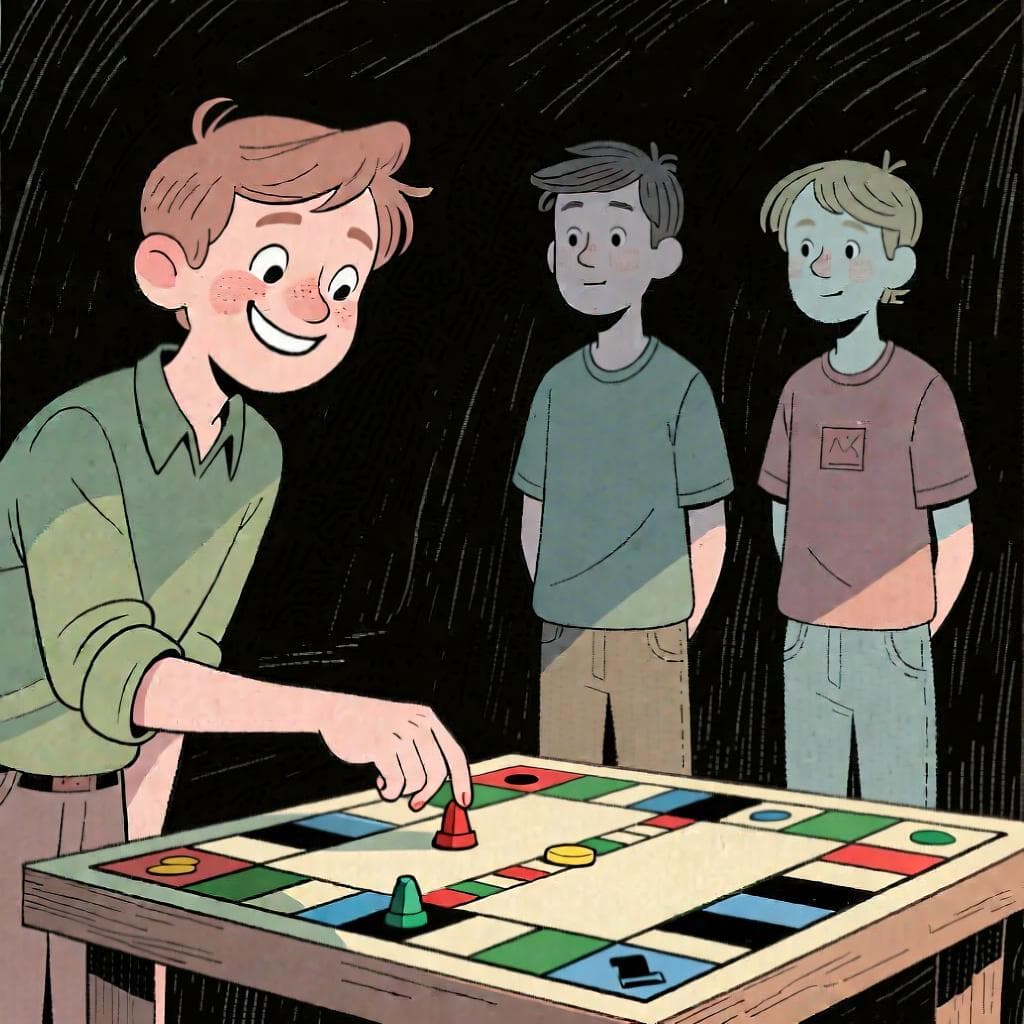
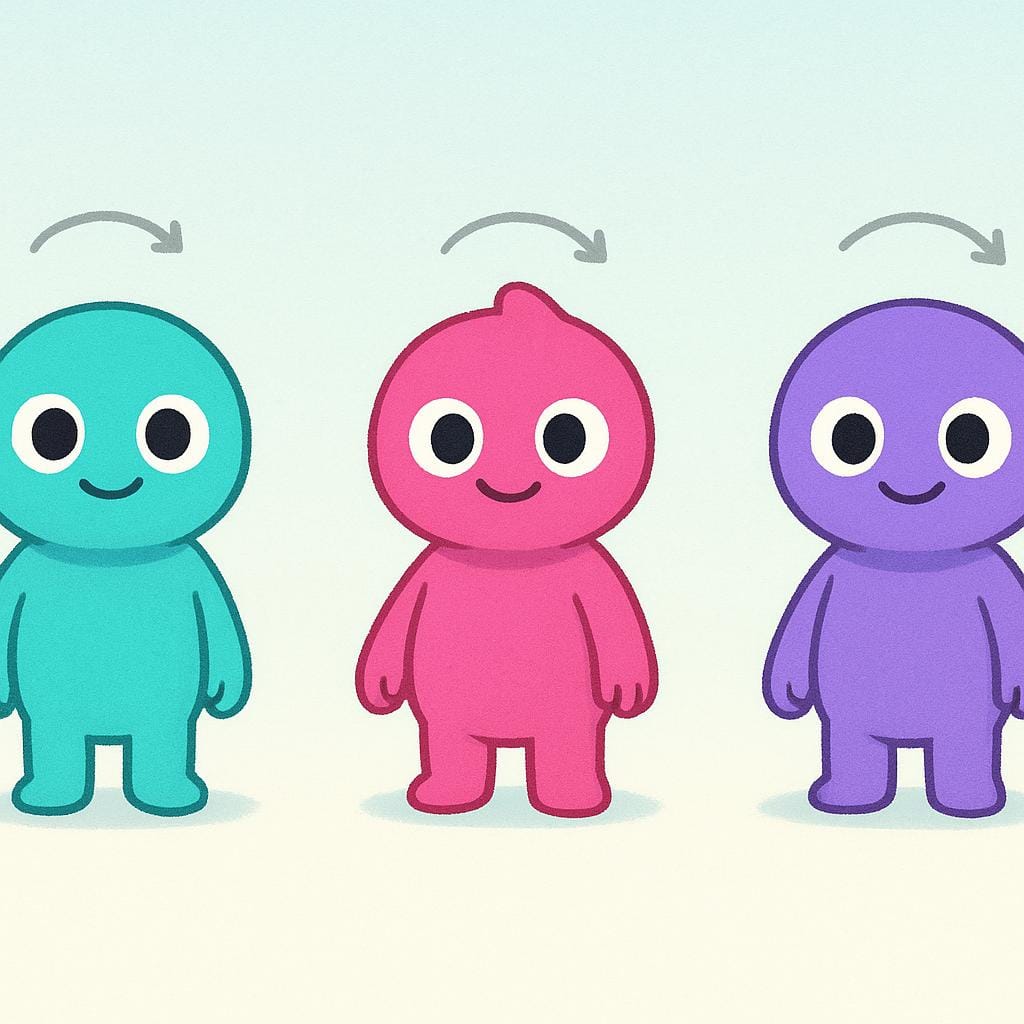
The most common Spanish word for “turn” is “turno” — use 'turno' when referring to a turn in a sequence, rotation, or schedule, like waiting for your turn to speak or a scheduled shift.







turno
TOOR-nohˈtuɾ.no
Examples
Por favor, espera tu turno para hablar con el doctor.
Please wait your turn to speak with the doctor.
¡Genial! Ahora es mi turno de lanzar los dados.
Great! Now it's my turn to throw the dice.
Tomé un número y perdí mi turno.
I took a number and missed my turn.
Possessive Adjectives
To say 'my turn,' 'your turn,' etc., you use possessive adjectives: 'mi turno', 'tu turno', 'su turno'.
Using 'vez' instead of 'turno'
Mistake: “Incorrectly saying 'Es mi vez.'”
Correction: Use 'turno' when talking about a sequence or rotation. 'Vez' usually means 'time' or 'occurrence' (e.g., 'once upon a time,' 'every time').
vez
besbeθ
Examples
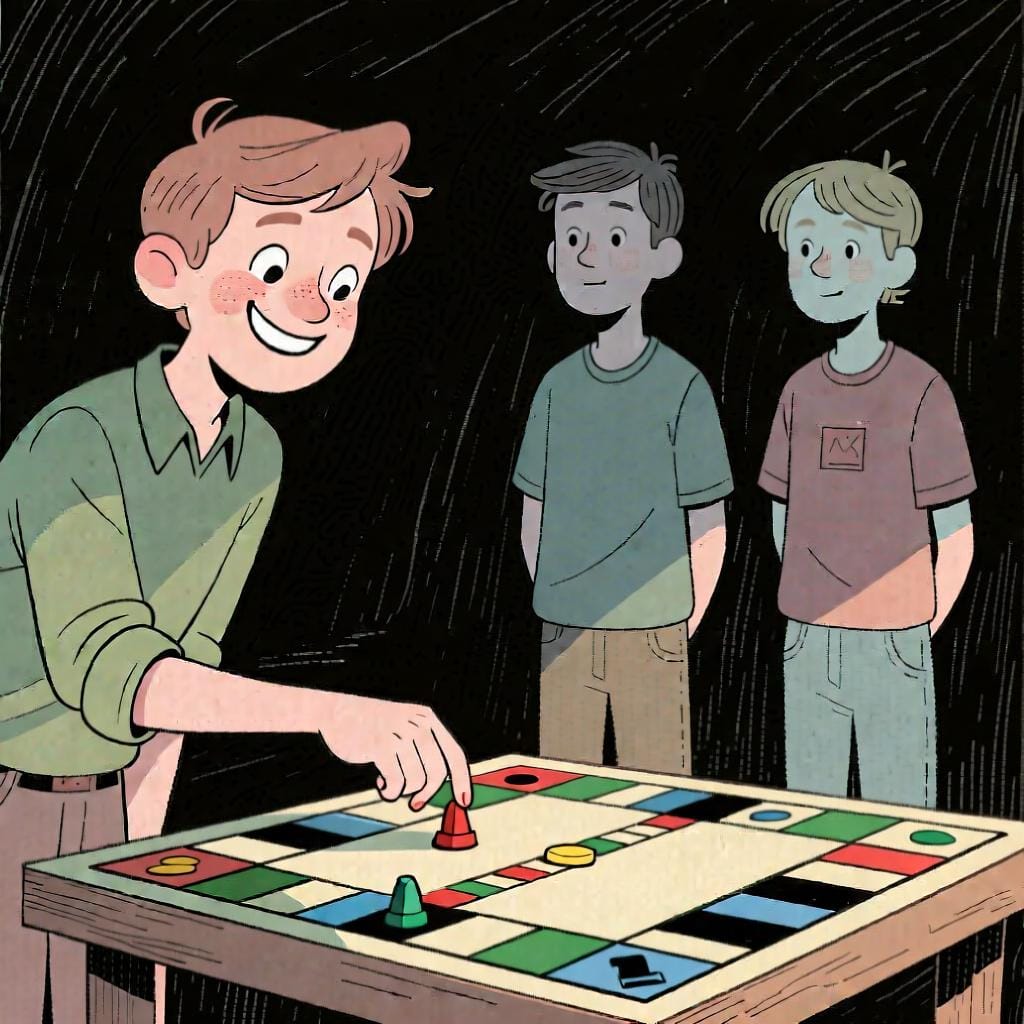
¿De quién es la vez?
Whose turn is it?
Ahora es mi vez de hablar.
Now it's my turn to speak.
Espera tu vez, por favor.
Wait for your turn, please.
vuelta
bwel-taˈbwelta

Examples
El coche dio una vuelta completa y se detuvo.
The car made a full turn and stopped.
El corredor va por su última vuelta.
The runner is on his last lap.
Pasamos a la segunda vuelta de las elecciones.
We moved on to the second round of the elections.
En la próxima vuelta, te toca a ti lanzar los dados.
In the next turn, it's your turn to throw the dice.
Confusing 'Vuelta' with 'Vez'
Mistake: “Using 'vuelta' to mean 'time' or 'occasion'.”
Correction: 'Vez' means a specific instance (e.g., 'una vez' - one time). 'Vuelta' as a 'turn' or 'round' refers to a cycle or a part of a sequence, like in a game or election.
giro
HEE-rohˈxi.ɾo
Examples
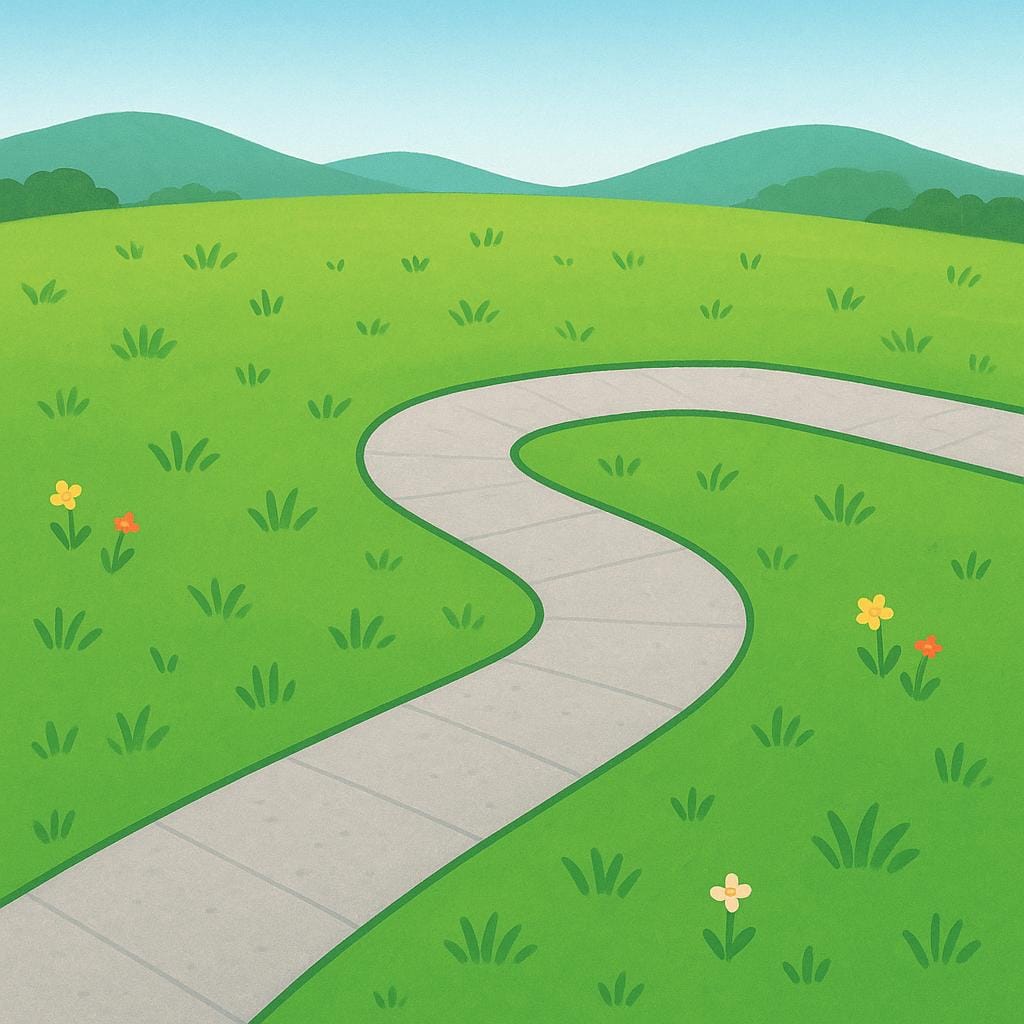
Tienes que dar un giro a la derecha en la esquina.
You have to make a turn to the right at the corner.
El patinador hizo un giro perfecto sobre el hielo.
The skater made a perfect spin on the ice.
Using 'vuelta' and 'giro'
Mistake: “Using 'vuelta' when referring to a specific directional turn (like driving).”
Correction: 'Giro' is better for specific directional turns (left/right). 'Vuelta' often means a lap, a round trip, or a full circle.
curva
KOOR-vahˈkuɾ.βa

Examples
Tuvimos que reducir la velocidad por la curva peligrosa.
We had to slow down because of the dangerous curve.
Dibuja una curva suave que conecte los dos puntos.
Draw a smooth curve connecting the two points.
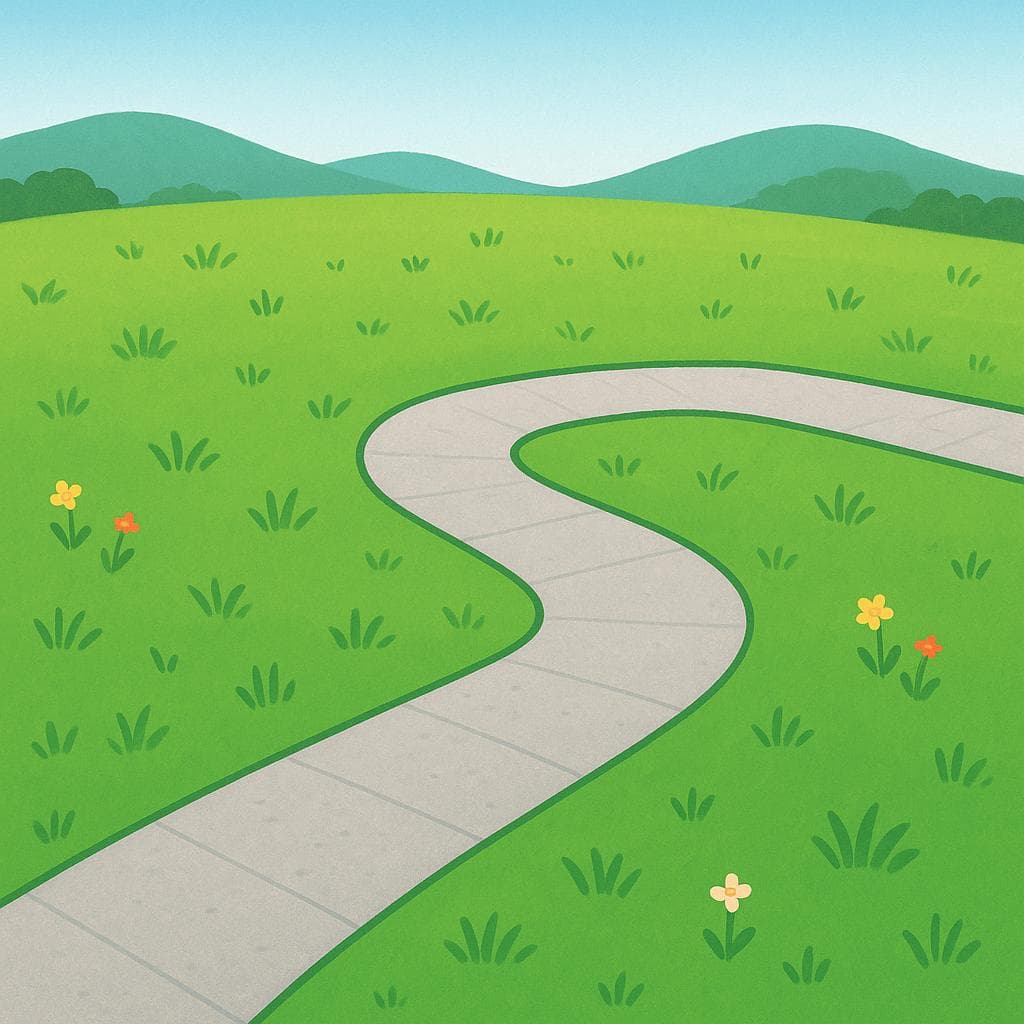
El río tiene muchas curvas antes de llegar al mar.
The river has many bends before reaching the sea.
Gender Check
Remember that 'curva' is a feminine noun, so you must use feminine articles and adjectives with it (la curva, una curva peligrosa).
hora
OH-rahˈoɾa

Examples
¿A qué hora empieza la clase?
What time does the class start?
Ya es hora de cenar.
It's time for dinner now.
Tengo hora con la dentista el viernes.
I have an appointment with the dentist on Friday.
'Hora de' + Action
Use the pattern 'hora de + [the base form of a verb]' to say it's time to do something. For example, 'Es hora de estudiar' (It's time to study).
Confusing 'hora' and 'tiempo'
Mistake: “No tengo una hora para ayudarte.”
Correction: No tengo tiempo para ayudarte. Use 'hora' for clock time or appointments. Use 'tiempo' for the general concept of time or an amount of time.
chance
chahn-sehˈtʃanse

Examples
Solo necesito un chance para demostrar mi valor.
I just need one chance to prove my worth.
Si me das un chance, puedo arreglarlo.
If you give me a shot, I can fix it.
Llegué tarde y perdí el chance de verla.
I arrived late and missed the opportunity to see her.
Masculine Noun
Even though 'chance' sounds like an English word, in Spanish it is always masculine, so you must use 'el chance' or 'un chance'.
Using 'La Chance'
Mistake: “La chance”
Correction: El chance. Remember that this word is masculine.
jugada
hoo-GAH-dahxuˈɣaða

Examples
Fue una jugada brillante del delantero, por eso metió el gol.
It was a brilliant play by the forward, that's why he scored the goal.
Ahora te toca a ti. ¿Cuál es tu próxima jugada?
Now it's your turn. What is your next move?
El entrenador diseñó una jugada secreta para el último cuarto.
The coach designed a secret play for the last quarter.
Gender Reminder
Even though 'jugada' comes from the verb 'jugar,' it is a feminine noun, so you must always use 'la' or 'una' with it.
pasada
pah-SAH-dahpaˈsaða

Examples
Solo dimos una pasada por la tienda porque no teníamos tiempo.
We only made a quick stop by the store because we didn't have time.
Le di una rápida pasada a mi discurso antes de subir al escenario.
I gave my speech a quick run-through before going on stage.
Verb-Noun Pairing
This noun is almost always used with the verb 'dar' (to give) or 'hacer' (to make) when referring to a quick action: 'dar una pasada' (to give a quick look/go).
Using 'Paso' Instead
Mistake: “Hice un paso al texto.”
Correction: Hice una pasada al texto. ('Paso' means 'step' or 'pace'; 'pasada' means 'a quick look over' or 'a turn').
rueda
RWEH-dahˈrweða
Examples
El periodista preguntó en la rueda de prensa.
The journalist asked a question at the press conference (circle of press).
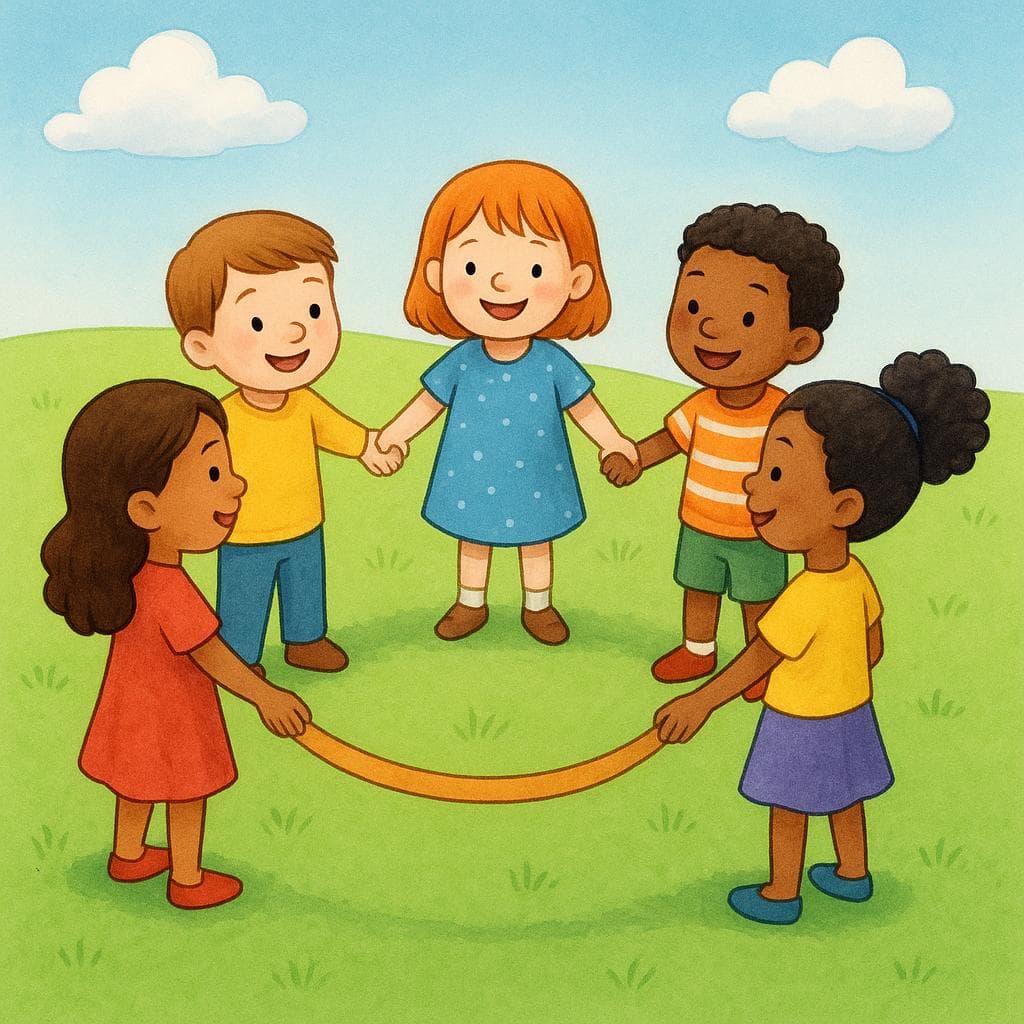
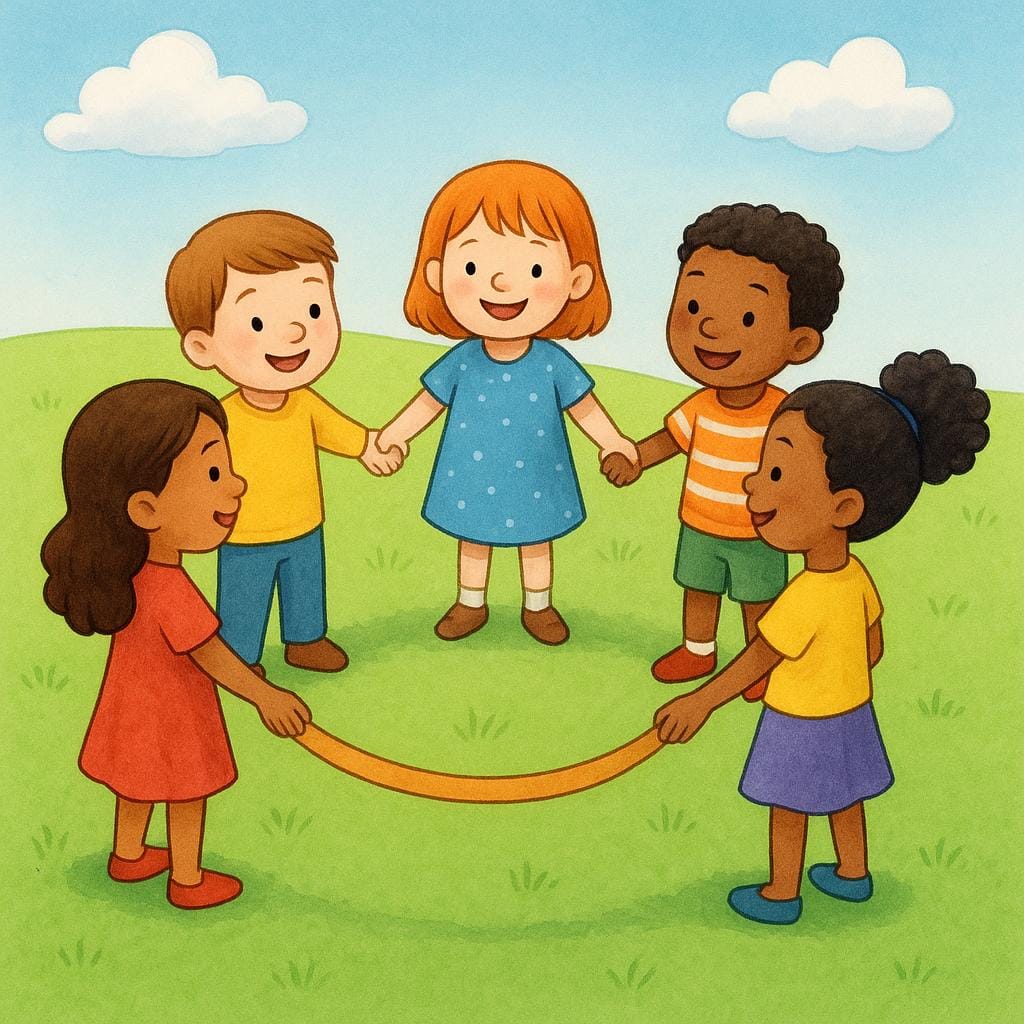
Hicimos una rueda para discutir el proyecto.
We formed a circle/group to discuss the project.
¡Invito yo la próxima rueda de cervezas!
I'll buy the next round of beers!
revuelta
rreh-vwehl-tahreˈβwelta

Examples
A la revuelta del camino verás la casa.
At the bend in the road, you will see the house.
Esta carretera tiene demasiadas revueltas.
This highway has too many turns.
Cuidado en la próxima revuelta, es muy cerrada.
Be careful at the next turn; it's very sharp.
Describing paths
When used for roads, it often implies a turn that is somewhat hidden or winds back on itself.
Revuelta vs. Vuelta
Mistake: “Saying 'dar una revuelta' to mean 'going for a walk'.”
Correction: Say 'dar una vuelta' for a walk. A 'revuelta' is the physical shape of the curve.
póngase
Examples
Póngase cómodo, la reunión empezará pronto.
Get comfortable, the meeting will start soon.
revolución
Examples
La Tierra completa una revolución alrededor del sol en un año.
The Earth completes one revolution around the sun in one year.
Turno vs. Vez vs. Vuelta
Related Translations
Learn Spanish with Inklingo
Interactive stories, personalized learning, and more.