How to Say "time" in Spanish
The most common Spanish word for “time” is “tiempo” — use 'tiempo' when referring to time in a general sense, like duration, or the abstract concept of time.

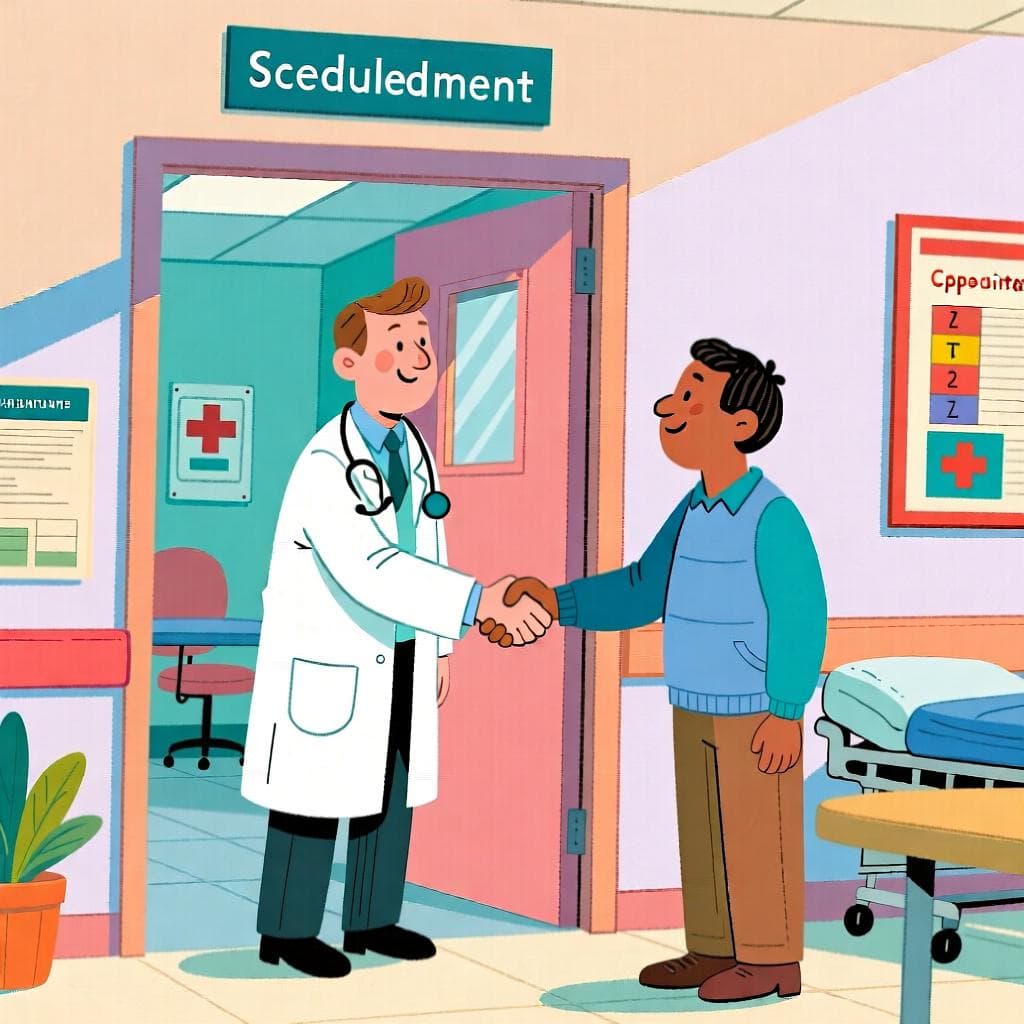


tiempo
tyem-poˈtjempo

Examples
No tengo mucho tiempo libre.
I don't have a lot of free time.
¿Cuánto tiempo necesitas para terminar?
How much time do you need to finish?
El tiempo lo cura todo.
Time heals all wounds.
Hoy vamos a estudiar los tiempos verbales del pasado.
Today we are going to study the past verb tenses.
Uncountable Noun
When talking about time in general, 'tiempo' doesn't usually have a plural form. You say 'mucho tiempo' (a lot of time), not 'muchos tiempos'.
'Tiempo' vs. 'Vez' vs. 'Hora'
Mistake: “Using 'tiempo' to mean 'one time' or 'o'clock'.”
Correction: Use 'vez' for instances (una vez = one time) and 'hora' for the time on a clock (¿Qué hora es? = What time is it?). 'Tiempo' is for the concept of time itself.
hora
OH-rahˈoɾa
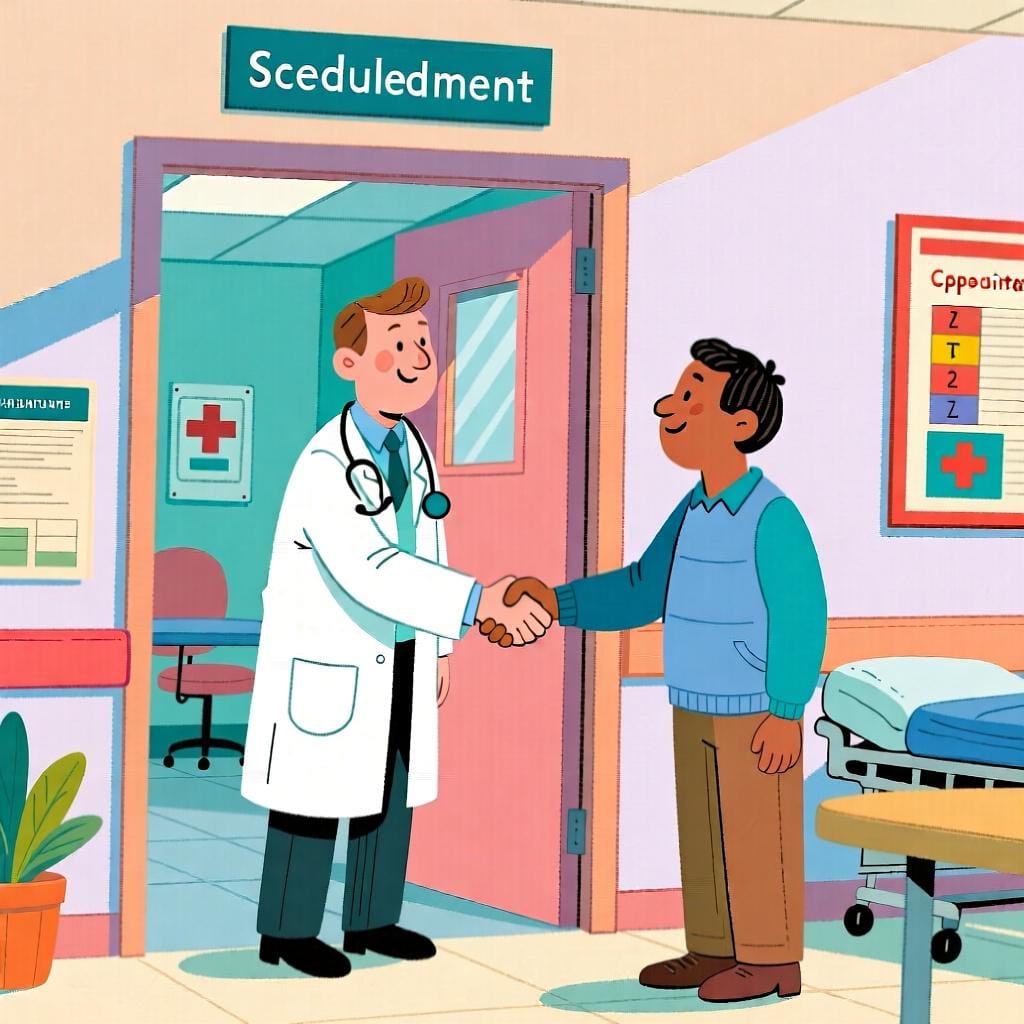
Examples
¿A qué hora empieza la clase?
What time does the class start?
Ya es hora de cenar.
It's time for dinner now.
Tengo hora con la dentista el viernes.
I have an appointment with the dentist on Friday.
'Hora de' + Action
Use the pattern 'hora de + [the base form of a verb]' to say it's time to do something. For example, 'Es hora de estudiar' (It's time to study).
Confusing 'hora' and 'tiempo'
Mistake: “No tengo una hora para ayudarte.”
Correction: No tengo tiempo para ayudarte. Use 'hora' for clock time or appointments. Use 'tiempo' for the general concept of time or an amount of time.
vez
besbeθ
Examples
Había una vez un rey...
Once upon a time there was a king...
He leído este libro tres veces.
I have read this book three times.
La próxima vez, lo haré mejor.
Next time, I will do it better.
Counting with 'Vez'
Unlike the English word 'time', 'vez' is used for counting how many times something happens. Use 'una vez' for 'one time', not 'un vez', because 'vez' is a feminine word.
'Tiempo' vs. 'Vez'
Mistake: “Using 'tiempo' to count occurrences, like 'tres tiempos'.”
Correction: Use 'vez' for counting instances ('tres veces'). Use 'tiempo' for the general concept of time, like 'No tengo tiempo' (I don't have time).
periodo
peh-ree-OH-dohpeˈɾjoðo

Examples
El periodo de construcción duró tres meses.
The construction period lasted three months.
Necesitamos un periodo de prueba antes de decidir.
We need a trial period before deciding.
Este es un periodo muy importante para la compañía.
This is a very important time for the company.
Masculine Noun
Remember that 'periodo' is always a masculine noun, so use 'el' or 'un' before it: 'el periodo.' This is true even though many words ending in '-o' in Spanish are masculine.
ocasión
Examples
En esta ocasión, la cena será en un restaurante.
This time (or 'On this occasion'), dinner will be at a restaurant.
época
Examples
Estamos en la época de cosecha de uvas.
We are in the grape harvest season.
marca
MAR-cahˈmaɾka

Examples
El nadador rompió la marca nacional.
The swimmer broke the national record.
Su mejor marca personal es de 10.5 segundos.
His personal best time is 10.5 seconds.
Verb Pairing
To talk about setting or achieving a record, use the verb 'establecer' (to establish). To beat a record, use 'romper' (to break) or 'superar' (to overcome).
tiempo
tyem-poˈtjempo
Examples
Hoy vamos a estudiar los tiempos verbales del pasado.
Today we are going to study the past verb tenses.
No tengo mucho tiempo libre.
I don't have a lot of free time.
¿Cuánto tiempo necesitas para terminar?
How much time do you need to finish?
El tiempo lo cura todo.
Time heals all wounds.
Uncountable Noun
When talking about time in general, 'tiempo' doesn't usually have a plural form. You say 'mucho tiempo' (a lot of time), not 'muchos tiempos'.
'Tiempo' vs. 'Vez' vs. 'Hora'
Mistake: “Using 'tiempo' to mean 'one time' or 'o'clock'.”
Correction: Use 'vez' for instances (una vez = one time) and 'hora' for the time on a clock (¿Qué hora es? = What time is it?). 'Tiempo' is for the concept of time itself.
General Time vs. Specific Moments
Learn Spanish with Inklingo
Interactive stories, personalized learning, and more.