How to Say "spell" in Spanish
The most common Spanish word for “spell” is “tiempo” — use 'tiempo' when referring to a general period of time or the duration of something, without any magical or medical connotation.




tiempo
tyem-poˈtjempo
Examples
No tengo mucho tiempo libre.
I don't have much free time.
¿Cuánto tiempo necesitas para terminar?
How much time do you need to finish?
El tiempo lo cura todo.
Time heals all wounds.
Uncountable Noun
When talking about time in general, 'tiempo' doesn't usually have a plural form. You say 'mucho tiempo' (a lot of time), not 'muchos tiempos'.
'Tiempo' vs. 'Vez' vs. 'Hora'
Mistake: “Using 'tiempo' to mean 'one time' or 'o'clock'.”
Correction: Use 'vez' for instances (una vez = one time) and 'hora' for the time on a clock (¿Qué hora es? = What time is it?). 'Tiempo' is for the concept of time itself.
racha
rah-chahˈrat͡ʃa

Examples
El equipo lleva una racha de cinco victorias seguidas.
The team is on a five-game winning streak.
Estoy pasando por una mala racha en el trabajo.
I'm going through a rough patch at work.
¡Qué buena racha tienes!
What a lucky streak you're having!
Always Feminine
Even though it ends in 'a', just remember it always uses feminine words like 'la' or 'una'. Use 'buena' or 'mala' to describe it.
Using 'racha' for long eras
Mistake: “Using 'racha' for a 10-year period.”
Correction: Use 'racha' for shorter, temporary bursts of luck or behavior. For long historical periods, use 'época'.
temporada
tem-po-RAH-dahtem.poˈɾa.ða

Examples
La próxima temporada de frío será intensa.
The next cold spell will be intense.
La próxima temporada de fútbol comienza en agosto.
The next football season begins in August.
Esta es la última temporada de mi serie favorita.
This is the final season of my favorite series.
Durante la temporada de lluvias, necesitamos paraguas.
During the rainy season, we need umbrellas.
Gender Check
Remember that 'temporada' is feminine, so you must use feminine words with it, like 'la' (the) and 'esta' (this).
Season vs. Estación
Mistake: “Using 'temporada' for the four main climate seasons (spring, summer, fall, winter).”
Correction: Use 'estación' (la estación) for climate seasons. Reserve 'temporada' for specific activity periods (TV, sports, business, holidays).
ataque
ah-TAH-kehaˈtake

Examples
Le dio un ataque de tos en medio de la reunión.
He had a coughing fit in the middle of the meeting.
Tuvo un ataque de pánico antes de su presentación.
She had a panic attack before her presentation.
Después de escuchar el chiste, me dio un ataque de risa.
After hearing the joke, I had a laughing fit.
Using 'de' to Specify
To say what kind of 'fit' it is, you just add 'de' plus the noun describing it. For example, 'ataque de tos' (fit of coughing) or 'ataque de pánico' (fit of panic).
ola
OH-lahˈo.la
Examples
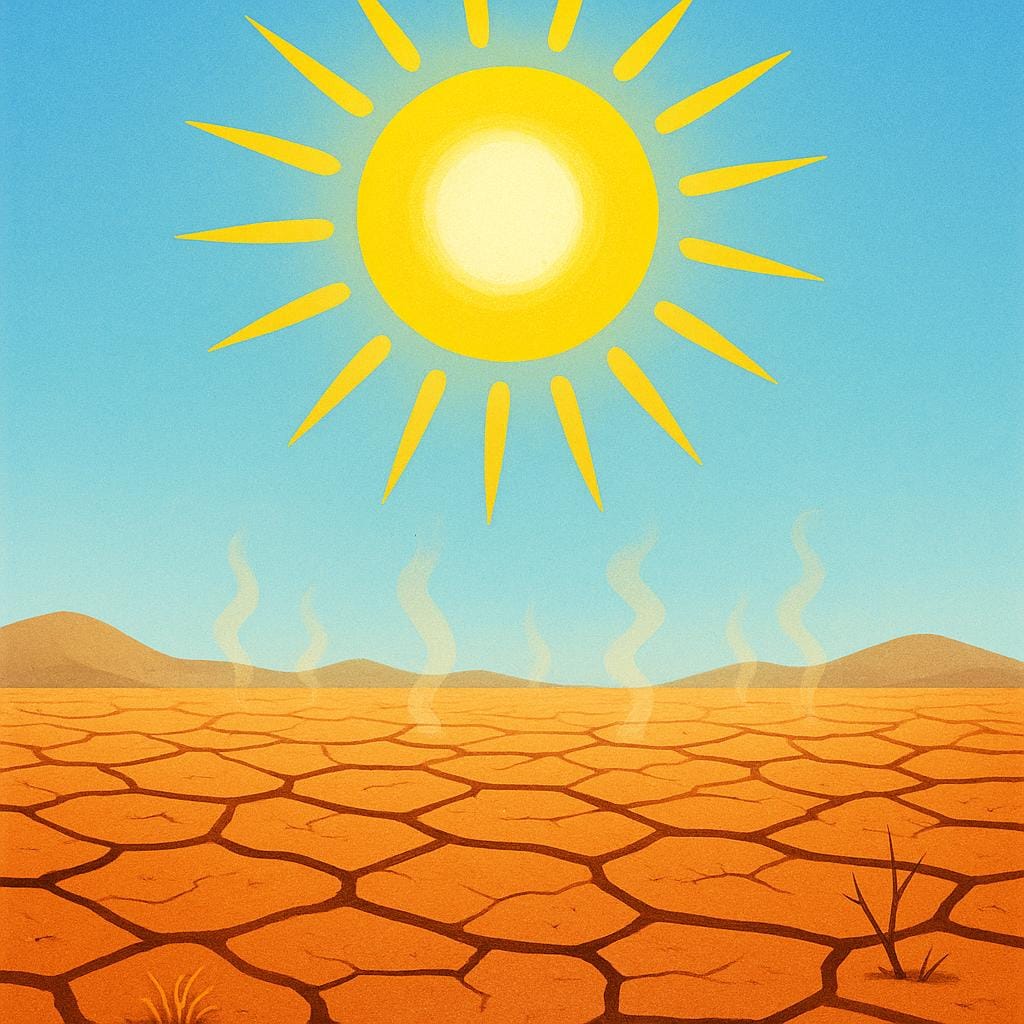
Estamos sufriendo una fuerte ola de calor.
We are suffering a strong heat wave.
Hubo una ola de protestas en el centro de la ciudad.
There was a wave of protests in the city center.
El país experimentó una ola de optimismo tras las elecciones.
The country experienced a surge of optimism after the elections.
Figurative Use
In this context, 'ola' describes a large, powerful, and often sudden increase or movement, just like a water wave, but applied to non-physical things.
hechizo
eh-CHEE-soheˈtʃiθo

Examples
El mago negro lanzó un hechizo muy poderoso.
The dark wizard cast a very powerful spell.
Pensamos que la princesa estaba bajo un hechizo de sueño.
We thought the princess was under a sleeping spell.
Necesitamos un contrahechizo para romper esto.
We need a counter-spell to break this.
encanto
en-KAHN-tohenˈkanto

Examples
El mago rompió el encanto que protegía el castillo.
The wizard broke the spell that was protecting the castle.
La princesa se despertó del encanto con un beso.
The princess woke up from the enchantment with a kiss.
Confusing Weather Spells: 'Racha', 'Temporada', and 'Ola'
Learn Spanish with Inklingo
Interactive stories, personalized learning, and more.