How to Say "charm" in Spanish
The most common Spanish word for “charm” is “encanto” — use this for the captivating quality of a place, person, or thing, or for a magical spell or talisman.






encanto
en-KAHN-tohenˈkanto

Examples
El encanto de la ciudad vieja atrajo a muchos turistas.
The charm of the old city attracted many tourists.
Su encanto natural hizo que todos confiaran en él.
His natural appeal (or charm) made everyone trust him.
El mago rompió el encanto que protegía el castillo.
The wizard broke the spell that was protecting the castle.
La princesa se despertó del encanto con un beso.
The princess woke up from the enchantment with a kiss.
Gender Rule
Even though it ends in 'o', it is a masculine noun: 'el encanto'. This is standard for words ending in 'o' in Spanish.
Confusing Noun and Adjective
Mistake: “Usar 'encanto' para describir a una persona directamente: 'Ella es encanto.'”
Correction: Use the related adjective 'encantadora' (charming) or the fixed phrase 'Ella es un encanto' (She is a delight).
gracia
GRAH-syahˈɡɾa.θja
Examples
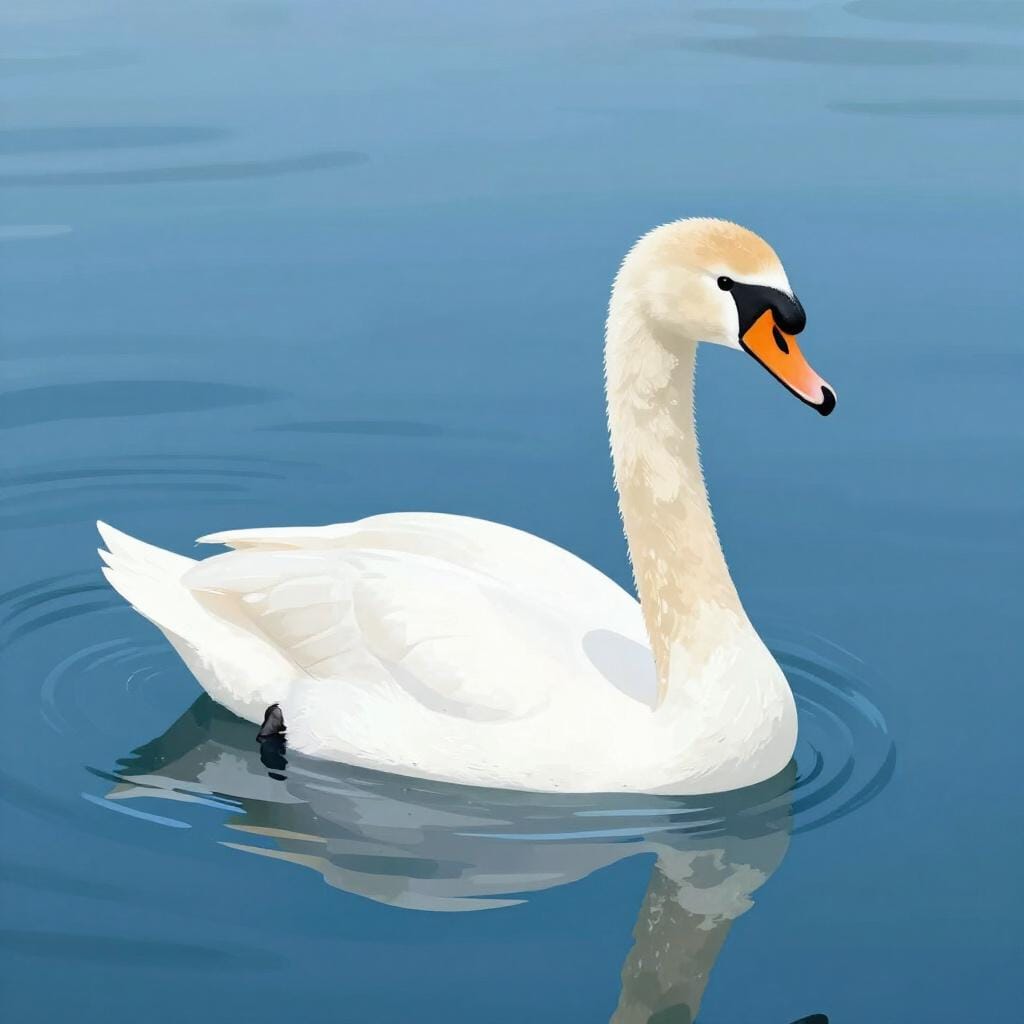
La bailarina se movía con una gracia increíble.
The dancer moved with incredible grace.
A pesar de su edad, mantiene su gracia y elegancia natural.
Despite her age, she maintains her natural charm and elegance.
Adverbial Use
To describe an action as graceful, you use the preposition 'con' (with) followed by the noun: 'Bailó con gracia' (She danced gracefully).
simpatía
Examples
Ella tiene mucha simpatía y siempre está sonriendo.
She is very friendly and is always smiling.
atracción
Examples
Siento una gran atracción por su manera de pensar.
I feel a great attraction to the way she thinks.
amuleto
ah-moo-LEH-tohamuˈleto

Examples
Tengo un amuleto en mi bolso.
I have a charm in my bag.
Mi abuela me regaló un amuleto de la suerte para mi examen.
My grandmother gave me a lucky charm for my exam.
El capitán del equipo siempre lleva su amuleto antes de un partido importante.
The team captain always carries his charm before an important game.
It's a 'He' Word
Amuleto is masculine. Always use 'el' or 'un' with it, and make sure any adjectives describing it end in 'o', like 'el amuleto pequeño' (the small charm).
Linking with 'De'
In English, we can put two nouns together like 'luck charm.' In Spanish, you need to use 'de' (of) to connect them: 'amuleto de la suerte'.
Using the wrong gender
Mistake: “La amuleto”
Correction: El amuleto. Even though it's an object, it follows the rule that words ending in 'o' are usually masculine.
Missing the connector
Mistake: “Mi amuleto suerte”
Correction: Mi amuleto de la suerte. You always need 'de' to describe what kind of charm it is.
atraer
ah-trah-EHRa.tɾaˈeɾ

Examples
Su carisma atrae a mucha gente.
His charisma appeals to many people.
La nueva tienda atrajo a miles de compradores.
The new store lured in thousands of shoppers.
Esa profesión no me atrae en absoluto.
That profession doesn't interest me at all.
Figurative Use
When used figuratively, 'atraer' works like 'gustar' (to like) in reverse. The thing that appeals to you is the one doing the 'attracting.' Example: 'El libro me atrae' (The book attracts me/I'm interested in the book).
Confusing 'Traer' and 'Atraer'
Mistake: “Using 'traer' when you mean 'attract interest.'”
Correction: 'Traer' means 'to bring.' If you want to talk about appeal or charm, you must use 'atraer.' Example: 'La música atrae a los jóvenes' (The music appeals to young people).
hechizo
eh-CHEE-soheˈtʃiθo

Examples
El mago negro lanzó un hechizo muy poderoso.
The dark wizard cast a very powerful spell.
Pensamos que la princesa estaba bajo un hechizo de sueño.
We thought the princess was under a sleeping spell.
Necesitamos un contrahechizo para romper esto.
We need a counter-spell to break this.
El hechizo de su sonrisa nos hizo olvidar la hora.
The allure of her smile made us forget the time.
magia
MA-hiah (like mah-hee-ah)ˈma.xja

Examples
Esa canción tiene una magia que me hace feliz.
That song has a magic/charm that makes me happy.
La magia de sus ojos cautivó a todos en la sala.
The charm (or magic) of her eyes captivated everyone in the room.
Volveremos a este lugar por la magia de sus paisajes.
We will return to this place because of the magic/allure of its landscapes.
Using the wrong synonym
Mistake: “Using 'brujería' (witchcraft) to mean 'charm' ('La brujería de sus ojos').”
Correction: Use 'encanto' or 'magia'. 'Brujería' is strictly for dark or harmful supernatural practices, not friendly appeal.
poesía
Examples
Hay mucha poesía en la forma en que ella mira el mundo.
There is a lot of poetic quality in the way she looks at the world.
dije
DEE-hehˈdixe
Examples
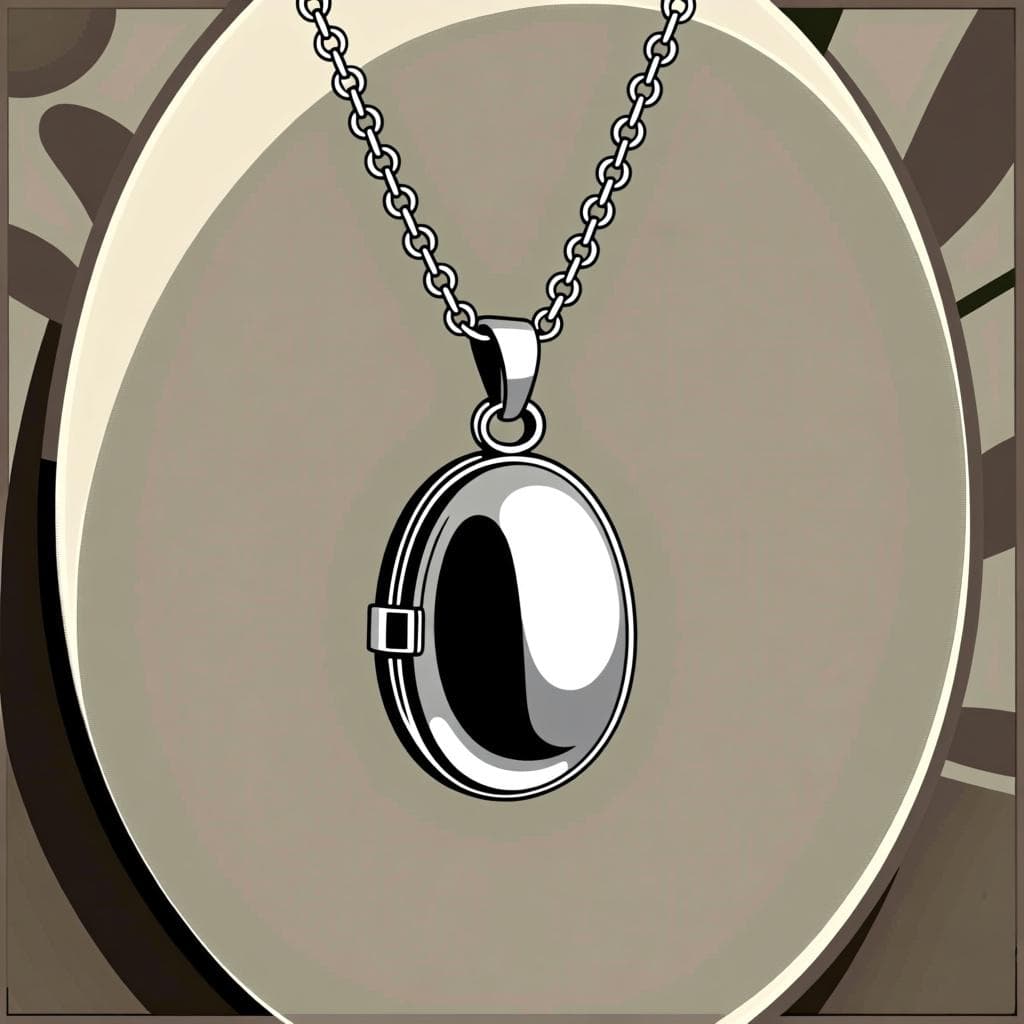
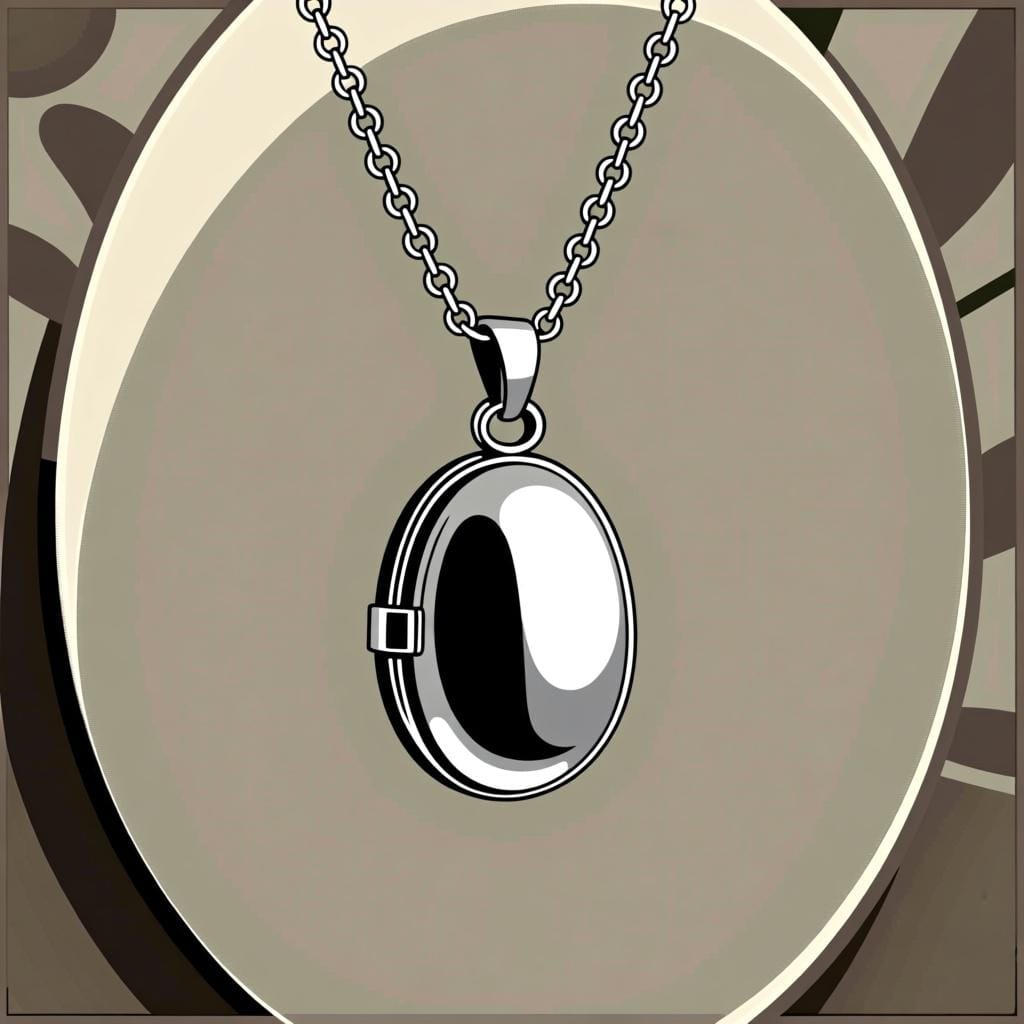
Compró un dije de plata para su collar.
She bought a silver pendant for her necklace.
El dije tenía una foto pequeña adentro.
The locket had a small photo inside.
Lleva un dije en forma de corazón.
He/She is wearing a heart-shaped pendant.
A Masculine Noun
Even though jewelry is often associated with women, the word 'dije' is masculine. Always use 'el' or 'un' with it, like 'el dije' (the pendant) or 'un dije bonito' (a pretty pendant).
miel
myelmjel

Examples
La luna de miel de los recién casados fue en la playa.
The newlyweds' honeymoon was at the beach.
No te creas todo lo que dice; sus palabras son pura miel.
Don't believe everything he says; his words are pure sweetness (insincerely charming).
Figurative Use
When used figuratively, 'miel' emphasizes intense pleasantness or charm, often focusing on how someone speaks or acts.
Examples
Aunque no es el cantante más hábil, tiene mucho ángel y el público lo adora.
Even though he isn't the most skilled singer, he has a lot of charm/charisma and the public adores him.
sal
salsal
Examples
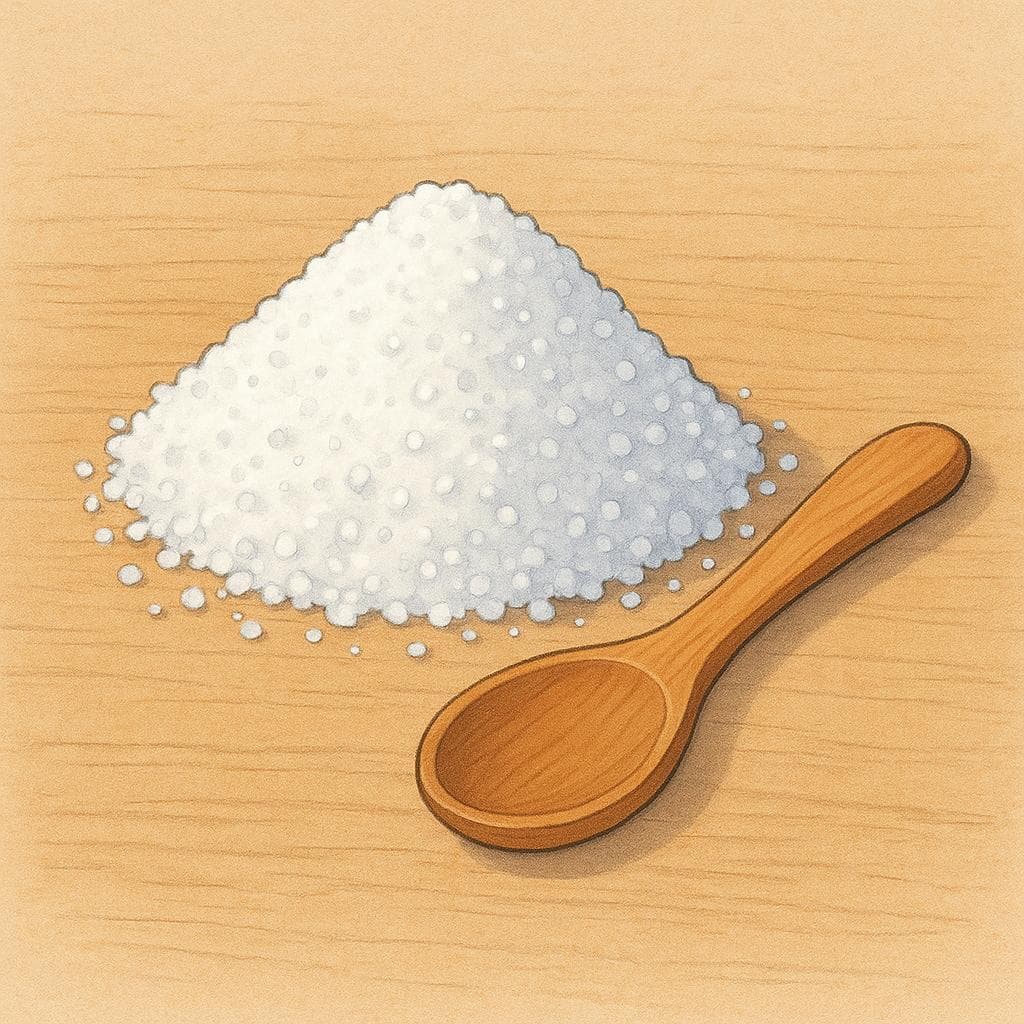
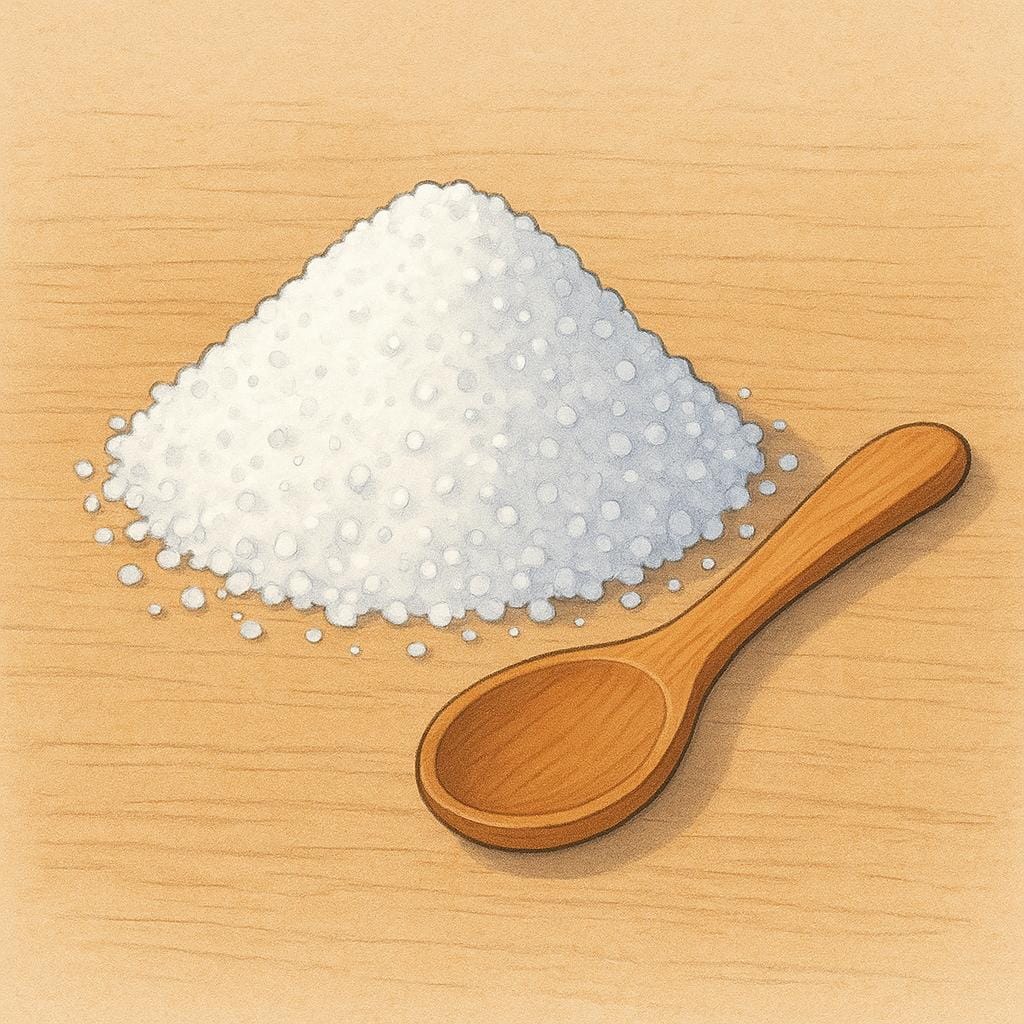
La sopa necesita un poco más de sal.
The soup needs a little more salt.
Pásame la sal, por favor.
Pass me the salt, please.
Mi abuela cuenta historias con mucha sal.
My grandmother tells stories with a lot of wit.
A Tricky Gender
Even though 'sal' doesn't end in '-a', it's a feminine word. Always say 'la sal' (the salt) or 'una sal' (a salt).
Using the Wrong Gender
Mistake: “Pásame el sal, por favor.”
Correction: Pásame la sal, por favor. Remember that 'sal' is one of those words you just have to memorize as feminine.
Distinguishing 'Encanto' from 'Hechizo'
Related Translations
Learn Spanish with Inklingo
Interactive stories, personalized learning, and more.