How to Say "wit" in Spanish
The most common Spanish word for “wit” is “gracia” — use 'gracia' when referring to someone's natural ability to be funny and amusing, often with a quick, lighthearted humor.


gracia
GRAH-syahˈɡɾa.θja

Examples
El comediante tiene mucha gracia, me hizo reír toda la noche.
The comedian has a lot of humor (or is very funny); he made me laugh all night.
¿Qué te pasa? No le veo la gracia a eso.
What's wrong? I don't see the humor in that.
Finding Humor (Hacer Gracia)
To say you find something funny, Spanish uses the structure 'hacer gracia' (to make humor) which works like 'gustar': 'Me hace gracia' means 'I find it funny'.
Confusing 'Gracia' and 'Diversión'
Mistake: “Using 'diversión' when referring to the quality of being funny.”
Correction: 'Diversión' means 'entertainment' or 'fun' (like an activity). 'Gracia' is the quality of wit or humor itself.
chispa
chees-pahˈtʃispa

Examples
Me gusta su estilo, tiene mucha chispa.
I like her style, she has a lot of sparkle/wit.
Sus chistes no tienen ninguna chispa.
His jokes don't have any wit/life.
Describing People
When describing a person's character, we use the verb 'tener' (to have) with chispa, rather than 'ser' (to be).
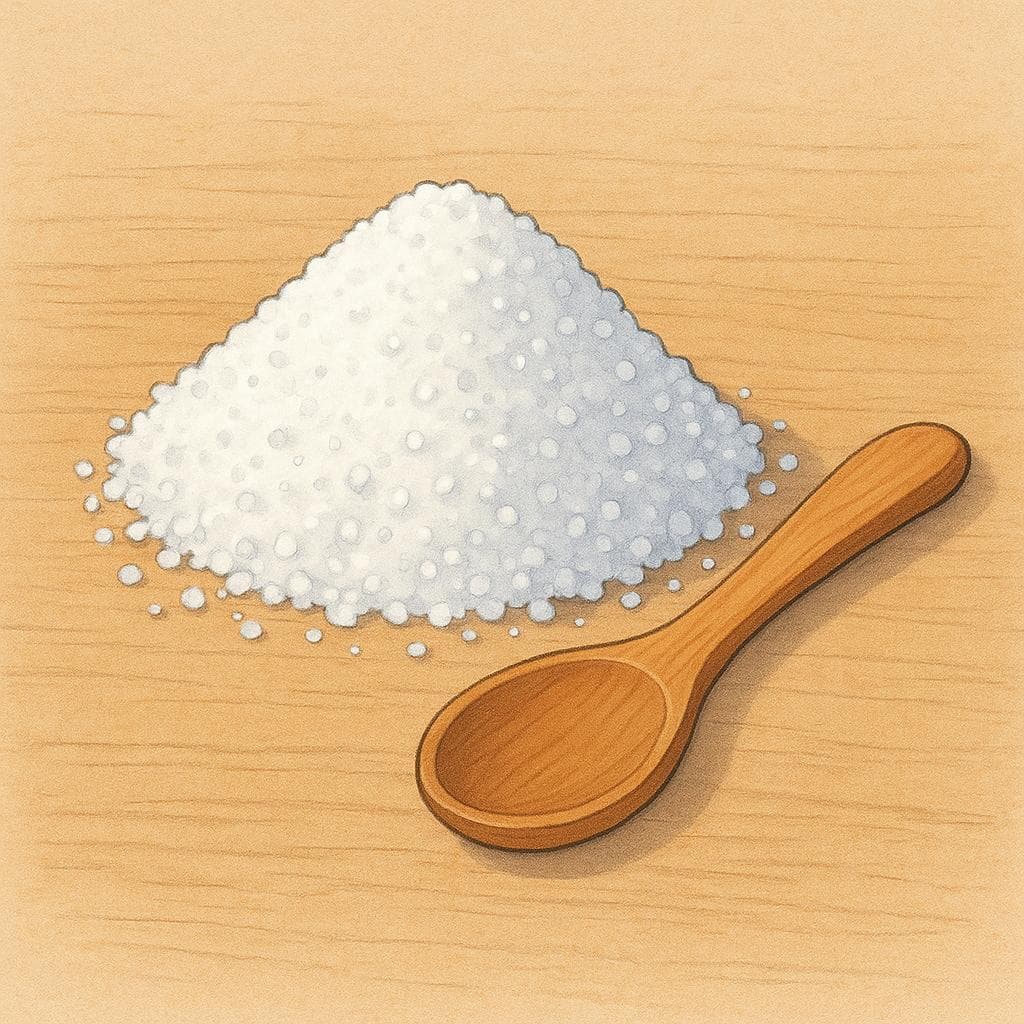
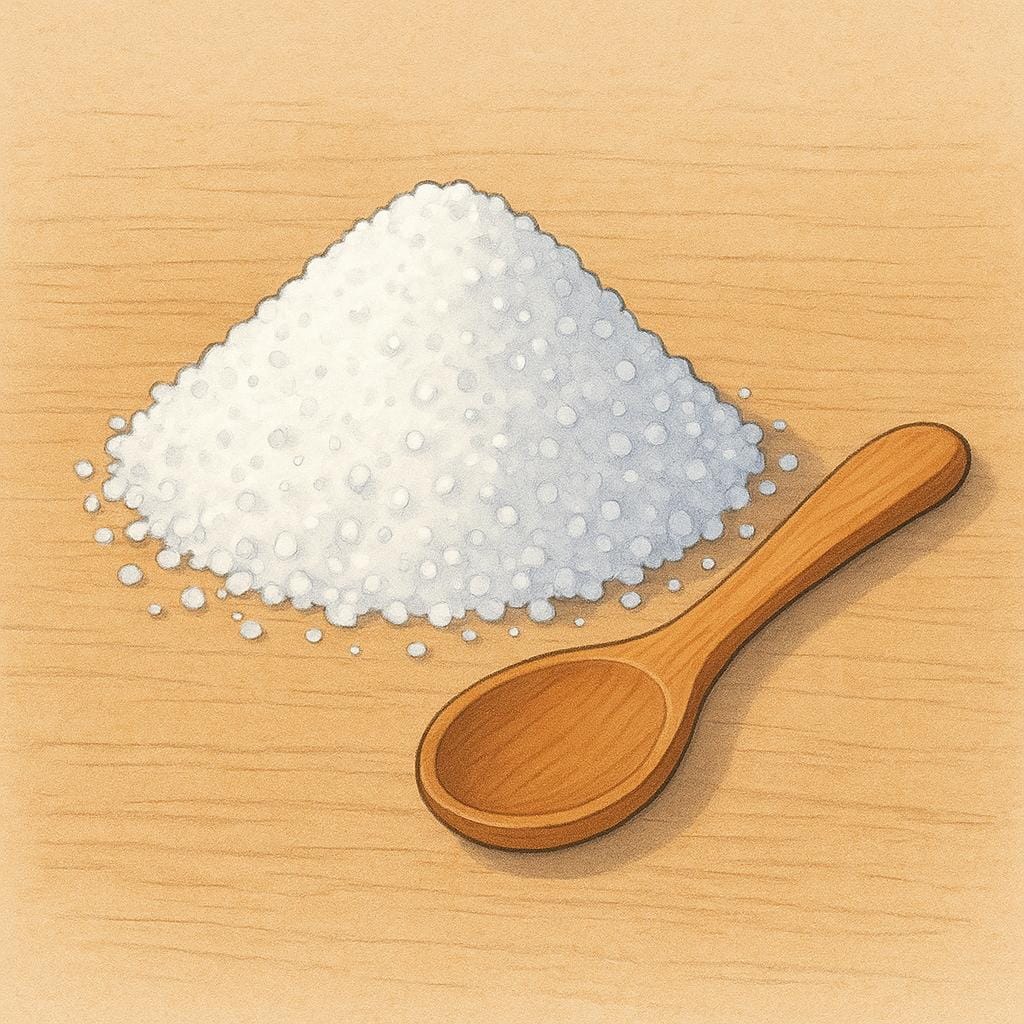
sal
salsal
Examples
Su conversación tiene mucha sal.
His conversation has a lot of charm/wit.
La sopa necesita un poco más de sal.
The soup needs a little more salt.
Pásame la sal, por favor.
Pass me the salt, please.
Mi abuela cuenta historias con mucha sal.
My grandmother tells stories with a lot of wit.
A Tricky Gender
Even though 'sal' doesn't end in '-a', it's a feminine word. Always say 'la sal' (the salt) or 'una sal' (a salt).
Using the Wrong Gender
Mistake: “Pásame el sal, por favor.”
Correction: Pásame la sal, por favor. Remember that 'sal' is one of those words you just have to memorize as feminine.
ingenio
een-HEN-yohinˈxenjo
Examples
Tuvo el ingenio de arreglar el coche con un clip.
He had the ingenuity to fix the car with a paperclip.
Es una comedia llena de ingenio y humor.
It is a comedy full of wit and humor.
Para sobrevivir en la selva, necesitó todo su ingenio.
To survive in the jungle, he needed all his cleverness.
Using 'el' with Ingenio
Even though it starts with an 'i', this word is masculine, so always use 'el ingenio' or 'un ingenio'.
Ingenio vs. Inteligencia
While 'inteligencia' is about general brain power, 'ingenio' specifically refers to being 'scrappy' or creative in finding solutions.
Confusing 'ingenio' with 'engine'
Mistake: “Usar 'ingenio' para hablar del motor de un coche.”
Correction: Use 'motor' for a car engine. Use 'ingenio' for the human quality of cleverness.
Humor vs. Cleverness
Related Translations
Learn Spanish with Inklingo
Interactive stories, personalized learning, and more.