encanto
“encanto” means “charm” in Spanish. It has 3 different meanings depending on context:


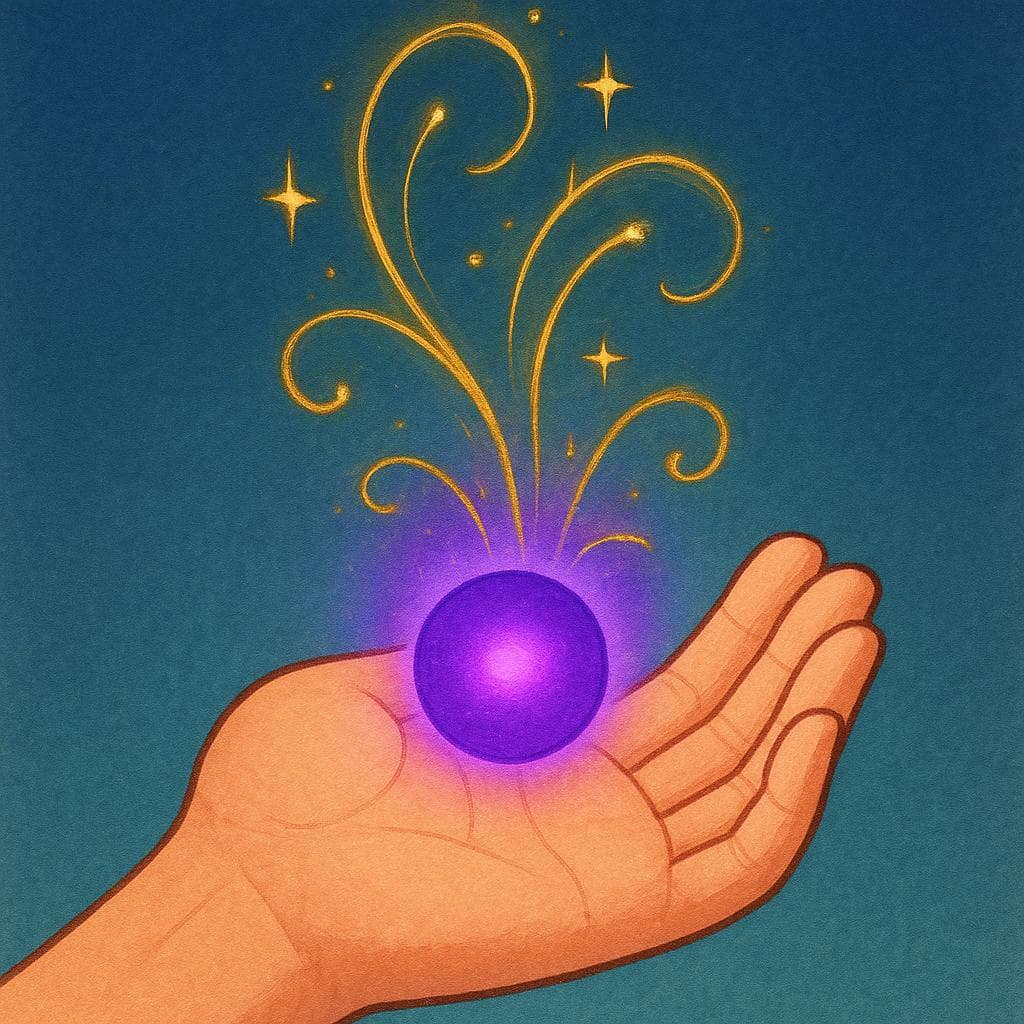
charm, appealAlso: loveliness

📝 In Action
El encanto de la ciudad vieja atrajo a muchos turistas.
A2The charm of the old city attracted many tourists.
Su encanto natural hizo que todos confiaran en él.
B1His natural appeal (or charm) made everyone trust him.
Word Connections
delight, pleasureAlso: sweetheart

📝 In Action
Fue un encanto conocer a tu familia.
B1It was a delight (or pleasure) to meet your family.
Mi jefe es un encanto, siempre nos trae café.
B1My boss is a delight (or a lovely person), he always brings us coffee.
¡Qué encanto de regalo!
B2What a lovely gift!
Word Connections
spell, enchantmentAlso: charm

📝 In Action
El mago rompió el encanto que protegía el castillo.
B2The wizard broke the spell that was protecting the castle.
La princesa se despertó del encanto con un beso.
C1The princess woke up from the enchantment with a kiss.
Word Connections
Translate to Spanish
Words that translate to "encanto" in Spanish:
✏️ Quick Practice
Quick Quiz: encanto
Question 1 of 1
Which sentence uses 'encanto' to mean 'a lovely person'?
📚 More Resources
👥 Word Family
🎵 Rhymes
📚 Etymology
The word comes from the verb 'encantar' (to delight/cast a spell), which itself traces back to the Latin word 'incantare,' meaning 'to chant' or 'to sing into'—referring to the reciting of magical verses or spells. The modern meaning of 'charm' developed from the idea of being under a pleasing spell.
First recorded: 13th century
Cognates (Related words)
💡 Master Spanish
Take your Spanish to the next level. Read 200+ illustrated and narrated Spanish stories tailored to your level with the Inklingo app!
Frequently Asked Questions
What is the difference between 'encanto' and 'encantador'?
'Encanto' is a noun (a thing or a quality, like 'charm' or 'a spell'), while 'encantador/a' is an adjective (a descriptive word, like 'charming' or 'lovely'). You say 'Ella es encantadora' (She is charming) or 'Ella tiene mucho encanto' (She has a lot of charm).
Can I use 'encanto' to say 'I love' something?
No, you must use the related verb 'encantar' for that. You say 'Me encanta viajar' (I love traveling), not 'Mi encanto viajar.' 'Encanto' is only the noun.