magia
“magia” means “magic” in Spanish. It has 2 different meanings depending on context:
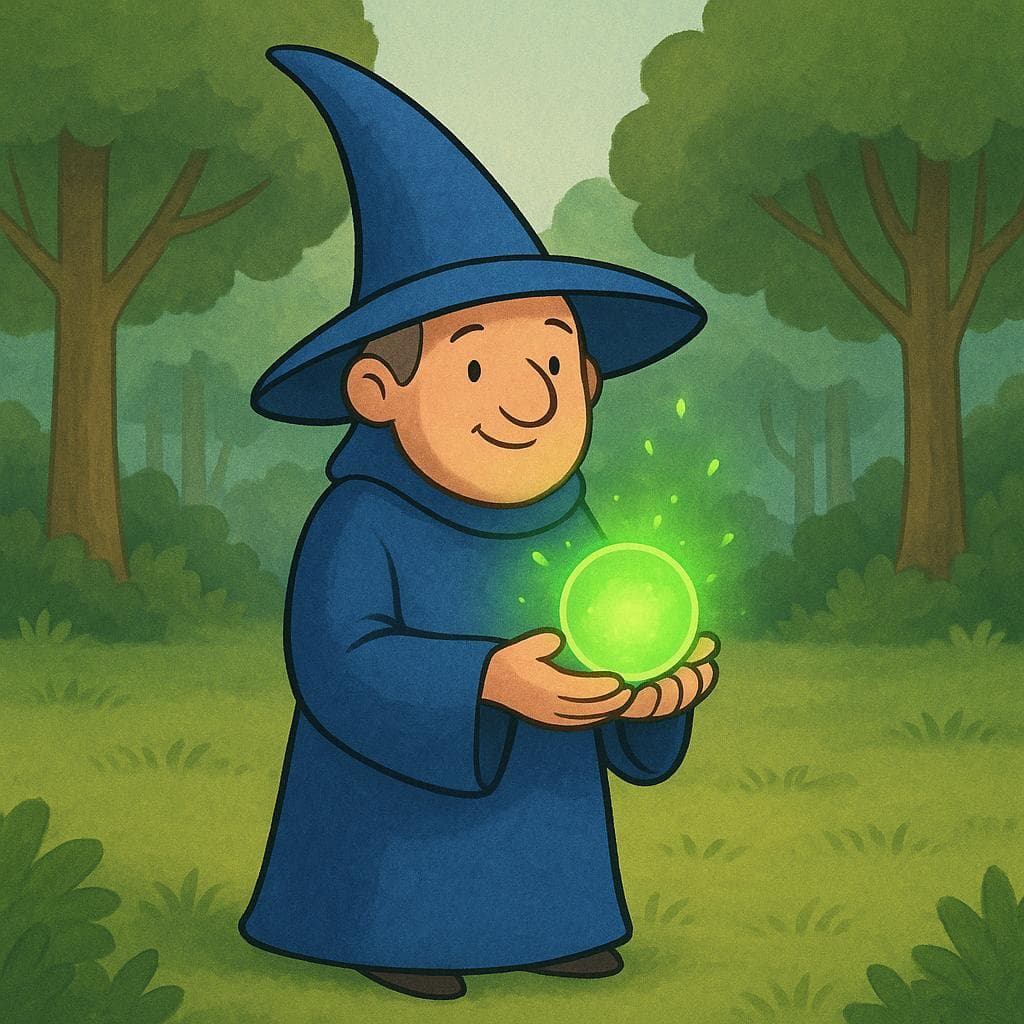
magic
Also: sorcery, trickery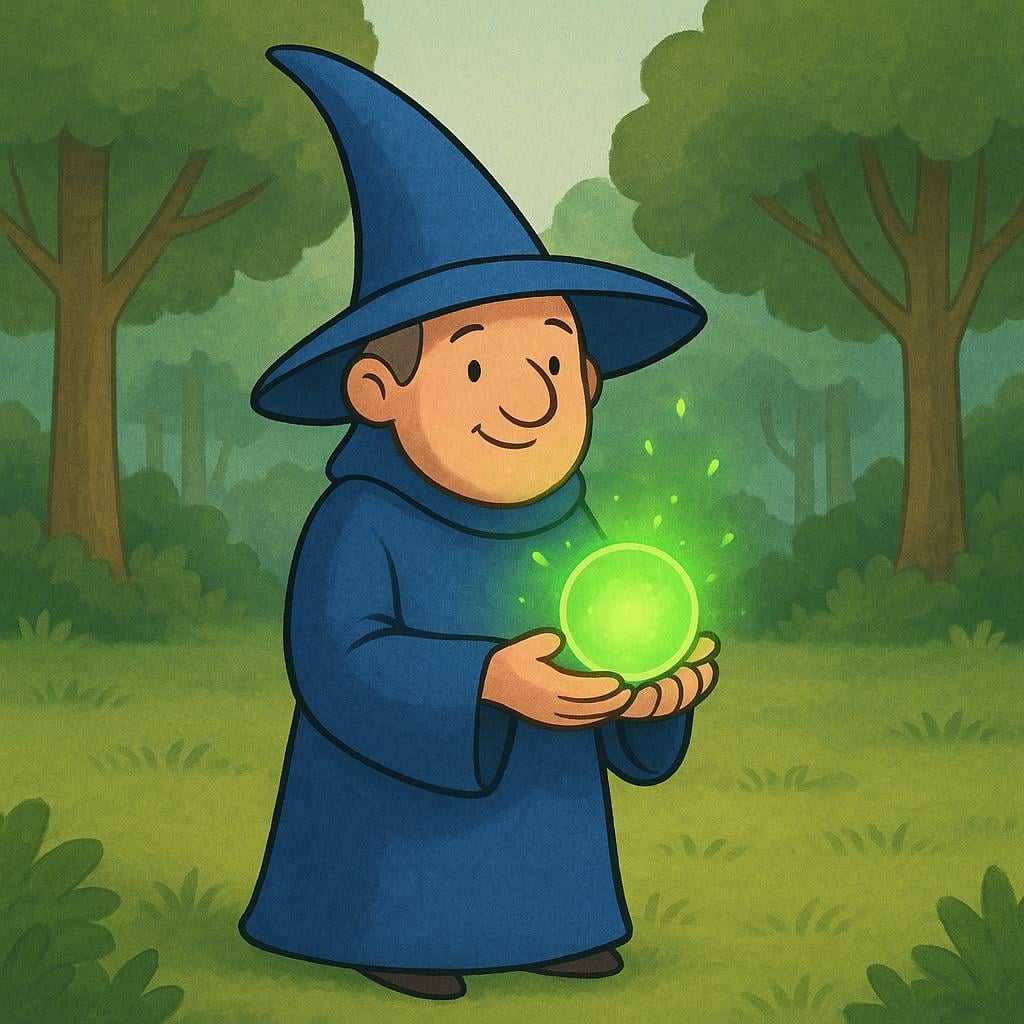
📝 In Action
Creemos que la magia existe solo en las películas.
A1We believe that magic only exists in movies.
El niño se asombró con el truco de magia del payaso.
A2The boy was amazed by the clown's magic trick.
Ella estudió magia negra en secreto para volverse más fuerte.
B1She secretly studied black magic to become stronger.
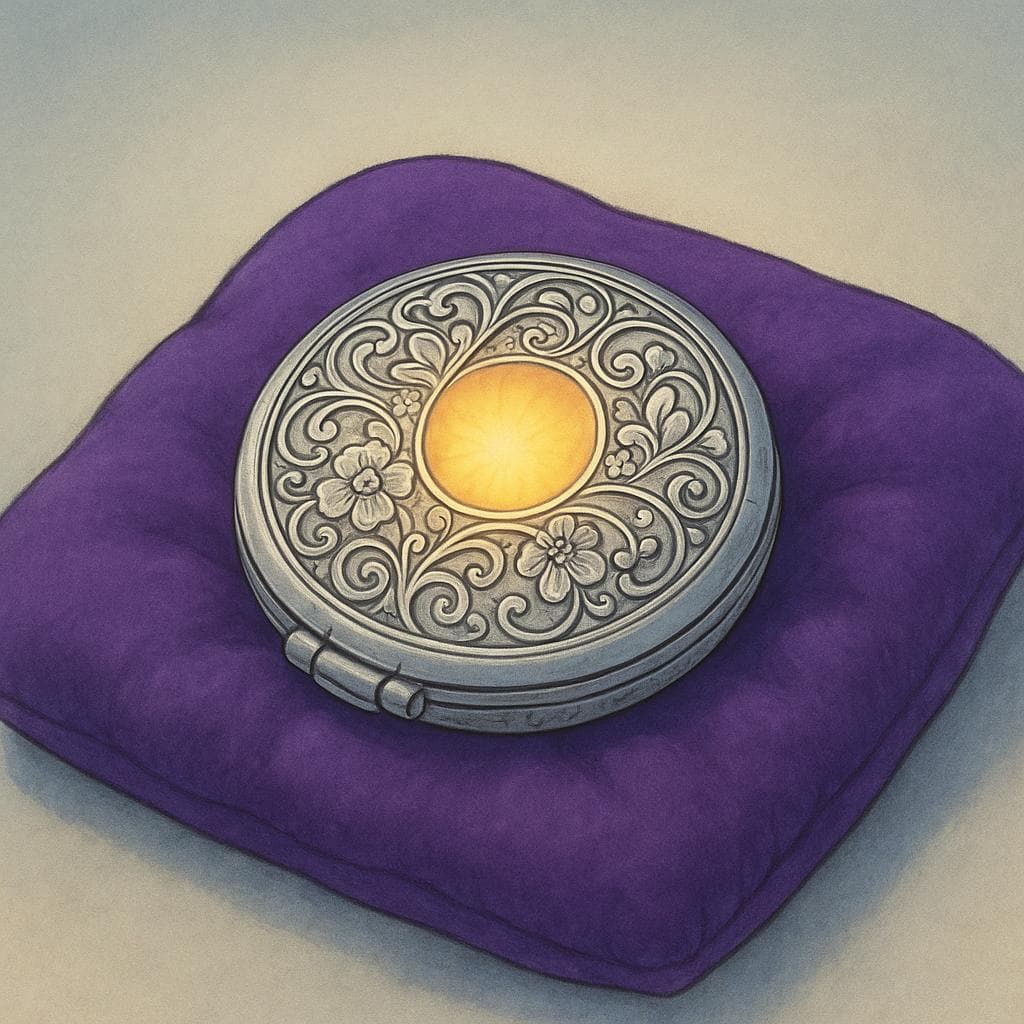
charm
Also: sparkle, fascination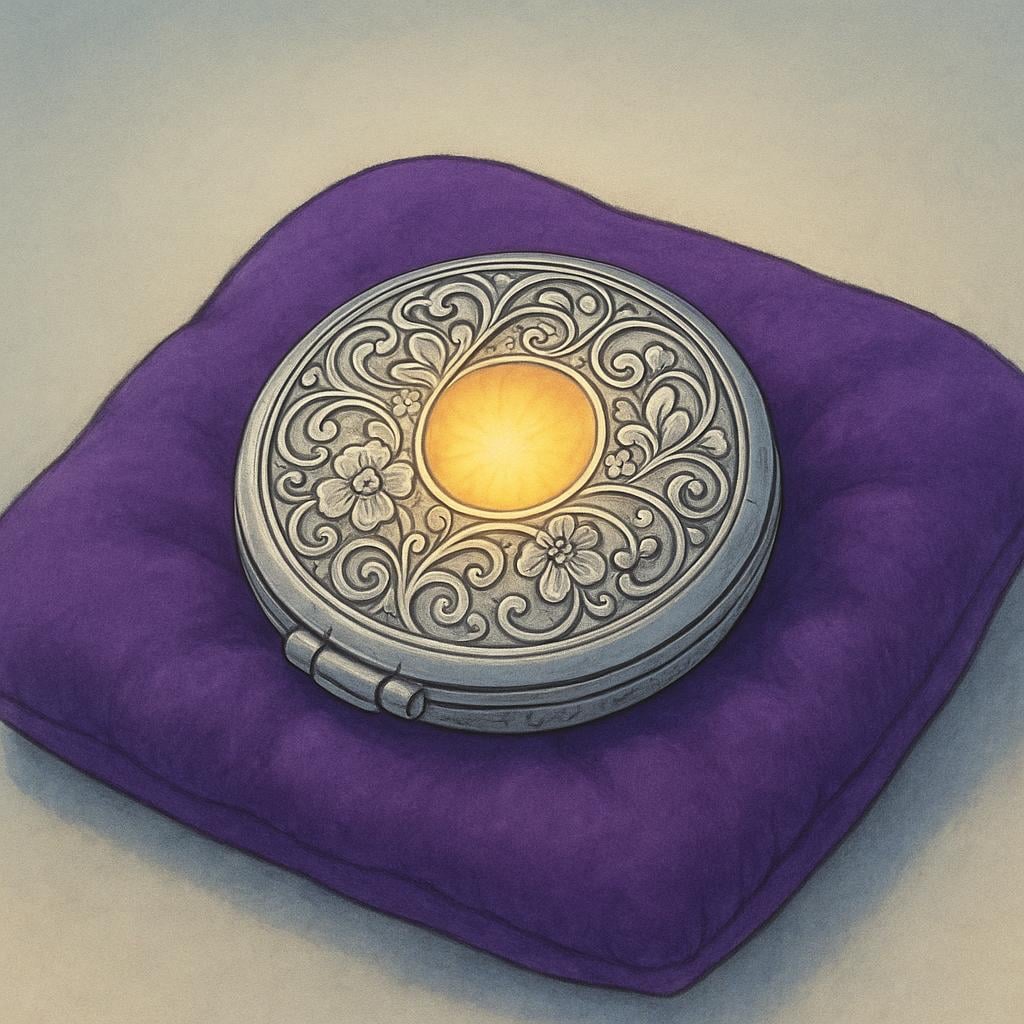
📝 In Action
Esa canción tiene una magia que me hace feliz.
B1That song has a magic/charm that makes me happy.
La magia de sus ojos cautivó a todos en la sala.
B2The charm (or magic) of her eyes captivated everyone in the room.
Volveremos a este lugar por la magia de sus paisajes.
B2We will return to this place because of the magic/allure of its landscapes.
Translate to Spanish
✏️ Quick Practice
Quick Quiz: magia
Question 1 of 2
¿Cuál es la traducción más común de la frase 'por arte de magia'?
📚 More Resources
👥 Word Family▼
🎵 Rhymes▼
📚 Etymology▼
The word 'magia' comes from the Latin 'magīa', which itself came from the ancient Greek 'mageía'. This Greek term referred to the practices of Persian priests (magi), who were seen as wise men possessing special, often supernatural, knowledge.
First recorded: Around the 13th century in Spanish, though the concept is ancient.
Cognates (Related words)
💡 Master Spanish
Take your Spanish to the next level. Read 200+ illustrated and narrated Spanish stories tailored to your level with the Inklingo app!
Frequently Asked Questions
Is 'magia' pronounced like the English word 'manager'?
No. The 'g' in 'magia' sounds like a strong 'h' sound in English (similar to the 'ch' in Scottish 'loch'). It is pronounced MA-hiah.
How do I say 'a magic trick'?
The most common and natural way is 'un truco de magia'. Don't just say 'una magia'; you need the word 'trick' or 'show'.