How to Say "lure" in Spanish
The most common Spanish word for “lure” is “atracción” — use 'atracción' when referring to a general sense of appeal or something that tempts or draws people in, often in a more abstract or emotional way.



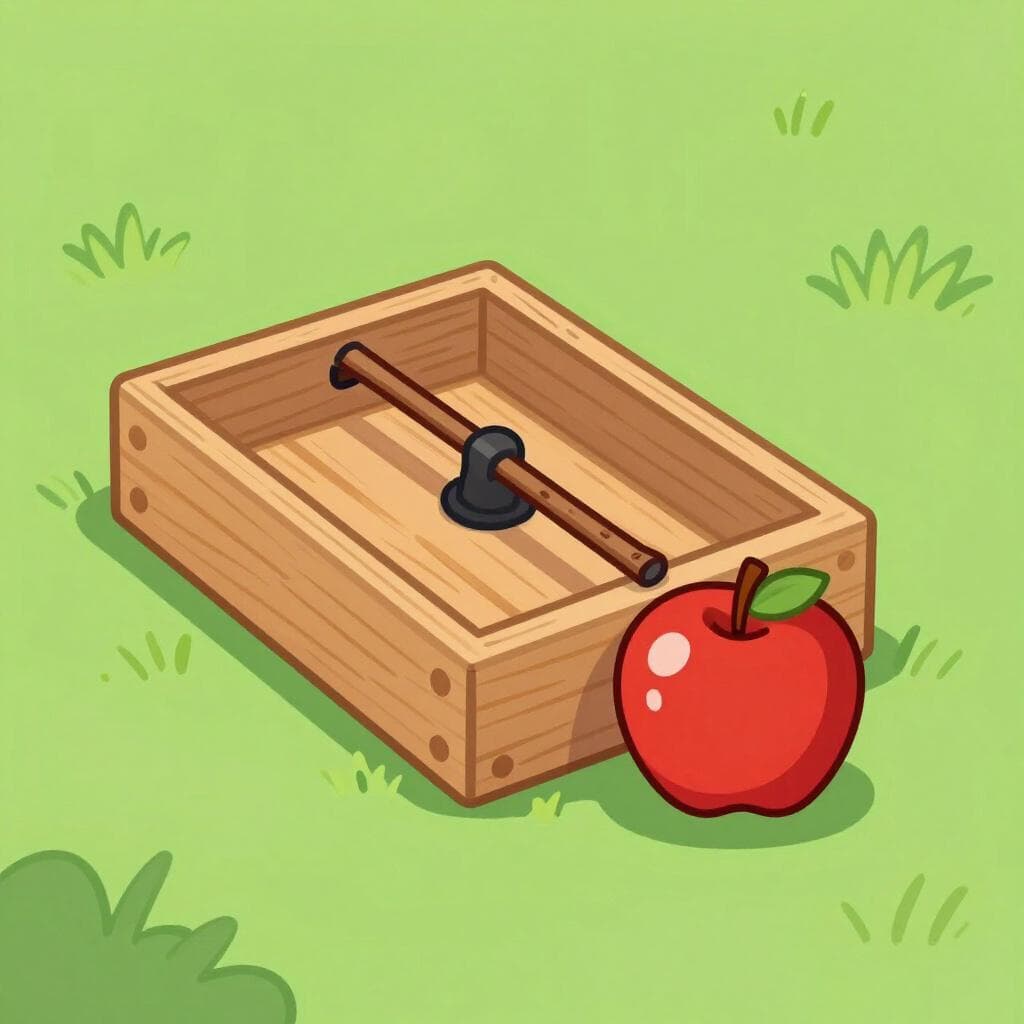


atracción
Examples
Siento una gran atracción por su manera de pensar.
I feel a great attraction to the way she thinks.
tentación
Examples
El chocolate en la mesa es una gran tentación.
The chocolate on the table is a great temptation.
atractivo
ah-trahk-TEE-voha.tɾakˈti.βo

Examples
El principal atractivo turístico de la zona es el volcán.
The main tourist attraction of the area is the volcano.
Perdió su atractivo después del escándalo.
He lost his appeal after the scandal.
El bajo precio es el mayor atractivo de este producto.
The low price is the biggest draw of this product.
Always Masculine
When used as a noun meaning 'appeal' or 'attraction,' it is always masculine, regardless of the gender of the thing being discussed. Use 'el atractivo' or 'un atractivo'.
atraer
ah-trah-EHRa.tɾaˈeɾ

Examples
Su carisma atrae a mucha gente.
His charisma appeals to many people.
La nueva tienda atrajo a miles de compradores.
The new store lured in thousands of shoppers.
Esa profesión no me atrae en absoluto.
That profession doesn't interest me at all.
Figurative Use
When used figuratively, 'atraer' works like 'gustar' (to like) in reverse. The thing that appeals to you is the one doing the 'attracting.' Example: 'El libro me atrae' (The book attracts me/I'm interested in the book).
Confusing 'Traer' and 'Atraer'
Mistake: “Using 'traer' when you mean 'attract interest.'”
Correction: 'Traer' means 'to bring.' If you want to talk about appeal or charm, you must use 'atraer.' Example: 'La música atrae a los jóvenes' (The music appeals to young people).
anzuelo
an-ZWEH-lohanˈθwelo

Examples
Ese descuento es solo un anzuelo para que entres a la tienda.
That discount is just bait to get you into the store.
No caigas en su anzuelo; te está mintiendo.
Don't fall for his trap; he is lying to you.
Ella usó el ascenso como anzuelo para que él trabajara más.
She used the promotion as a lure to make him work harder.
Using 'como' for comparisons
When saying something is 'like bait,' we often say 'sirve como anzuelo' (it serves as bait).
Thinking it only means fishing
Mistake: “I only use 'anzuelo' when I go to the river.”
Correction: You can use 'anzuelo' anytime someone is trying to trick or tempt you!
cebo
SEH-boh/ˈθeβo/ (Spain), /ˈseβo/ (Latin America)

Examples
Ese precio tan bajo era solo un cebo publicitario.
That low price was just an advertising lure.
No caigas en el cebo de sus promesas vacías.
Don't fall for the bait of his empty promises.
Muchos videos usan títulos exagerados como cebo.
Many videos use exaggerated titles as clickbait.
Abstract Use
When using 'cebo' figuratively, it describes something that looks good but is meant to trap you.
gancho
GAHN-choˈɡantʃo

Examples
Ese anuncio no tiene mucho gancho.
That advertisement doesn't have much of a hook (appeal).
El boxeador ganó la pelea con un gancho al hígado.
The boxer won the fight with a hook to the liver.
Abstract Use
When used for 'appeal,' it works just like 'charm' in English. You can say someone or something 'has' it (tiene gancho).
reclamo
reh-KLAH-mohreˈklamo

Examples
El descuento del 50% fue un gran reclamo para los clientes.
The 50% discount was a great draw for customers.
El cazador usó un reclamo para atraer a los patos.
The hunter used a decoy/call to attract the ducks.
Ese cartel publicitario sirve como reclamo visual.
That billboard serves as a visual lure.
Using 'Reclamo' for People
You can use this to describe something that 'calls' to people's attention, like a bright sign or a low price.
Confusion with 'Anuncio'
Mistake: “Saying 'el reclamo' when you just mean a regular TV commercial.”
Correction: Use 'anuncio' for the ad itself; use 'reclamo' for the specific element inside the ad that catches the eye.
General Appeal vs. Deceptive Bait
Related Translations
Learn Spanish with Inklingo
Interactive stories, personalized learning, and more.