How to Say "draw" in Spanish
The most common Spanish word for “draw” is “atraer” — use this verb when you mean to pull or move something towards itself, like magnets attracting metal, or when something has a general appeal.

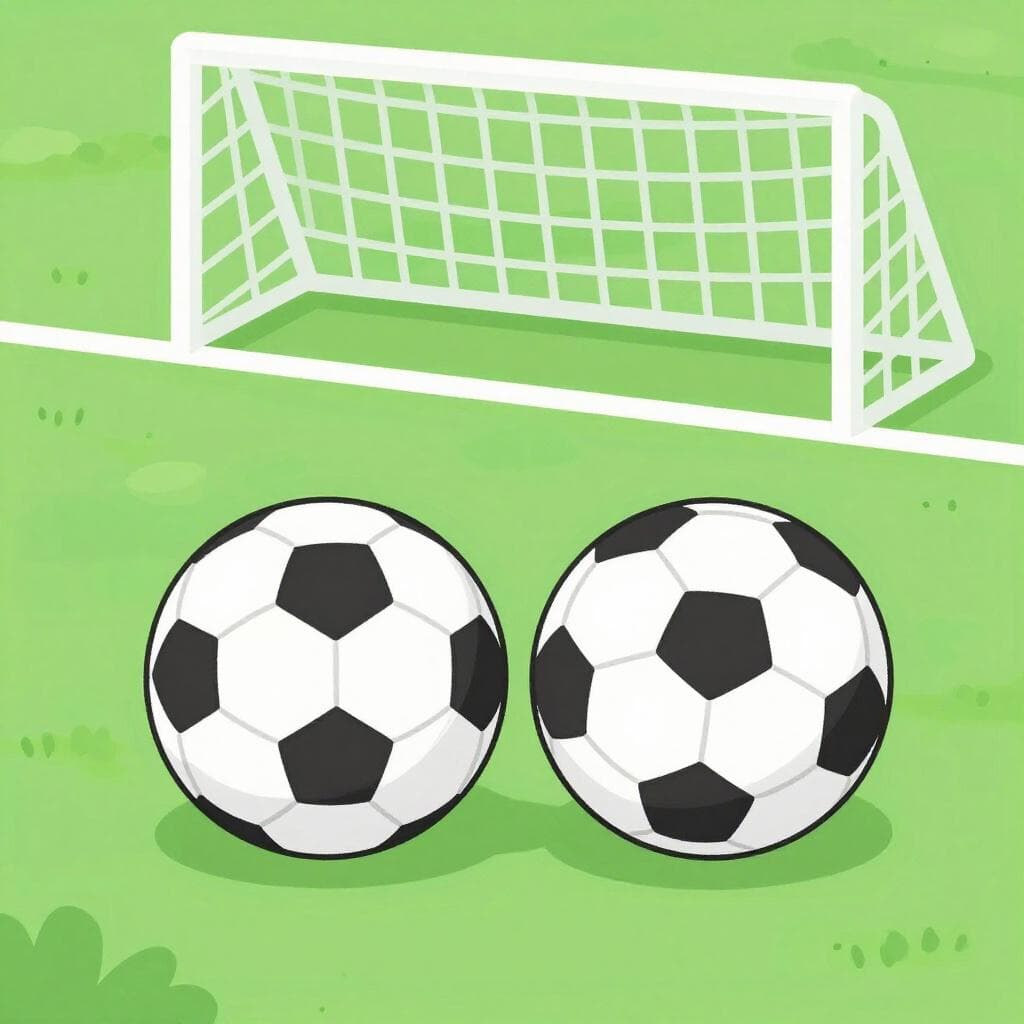



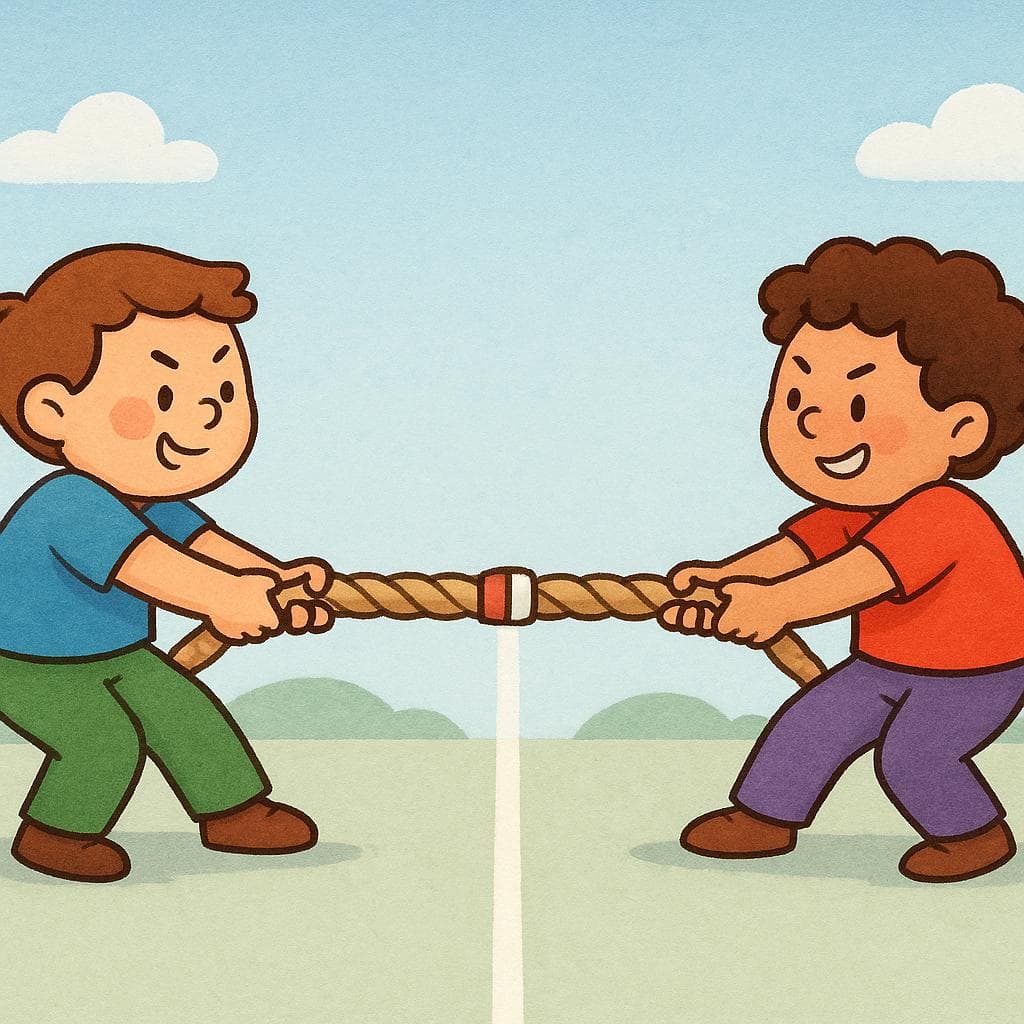

atraer
ah-trah-EHRa.tɾaˈeɾ

Examples
El imán atrae los clavos de hierro.
The magnet draws the iron nails.
Los imanes siempre atraen el metal.
Magnets always attract metal.
La gravedad de la Tierra atrae a la Luna.
The Earth's gravity draws the Moon in.
The Irregular 'G' Sound
Notice how 'atraer' adds a 'g' sound in the 'yo' form of the present tense ('atraigo') and in the entire present subjunctive ('atraiga'). This is the same pattern as 'traer' (to bring) and 'caer' (to fall).
Forgetting the 'G'
Mistake: “Yo atrao (instead of atraigo)”
Correction: Always remember the added 'g' in the first person singular ('yo') of the present indicative and present subjunctive for verbs ending in -traer or -caer.
empate
em-pah-teemˈpate
Examples
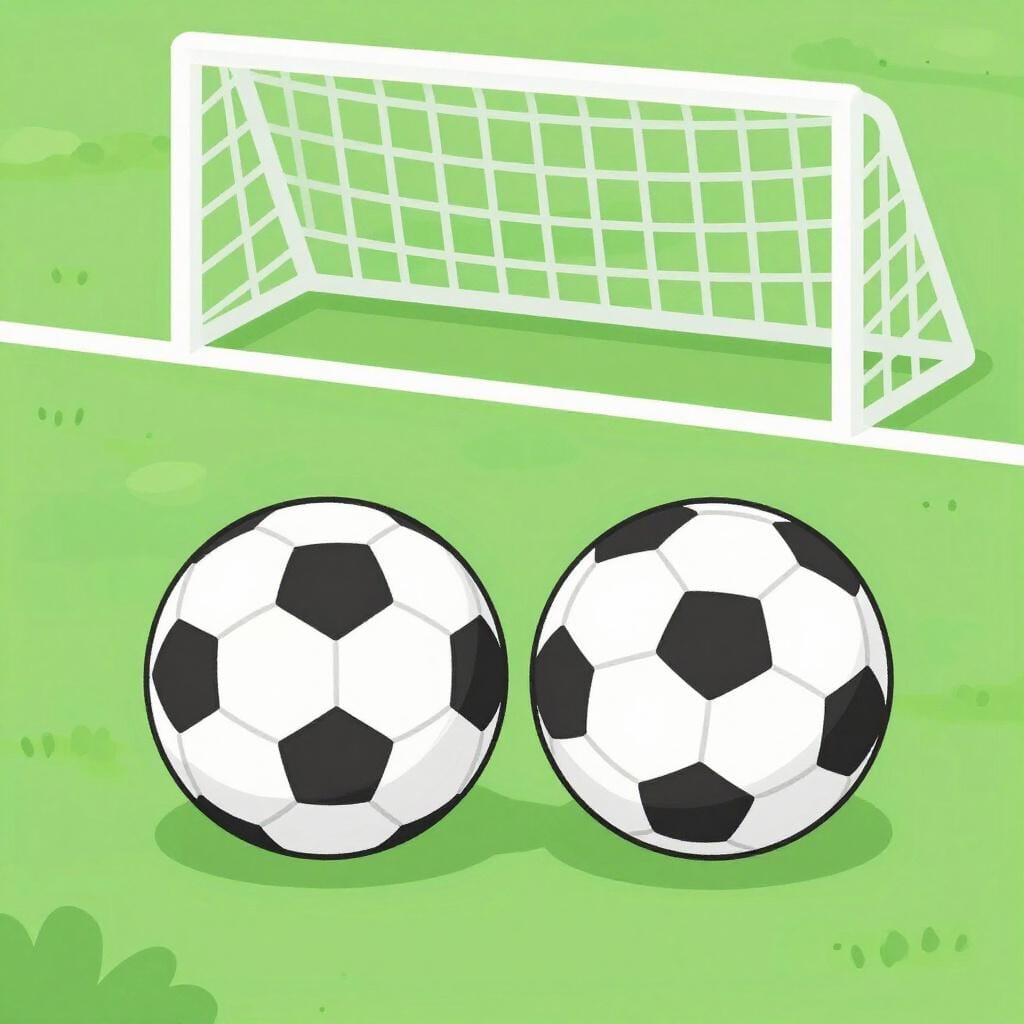
El partido de fútbol terminó en empate.
The soccer match ended in a draw.
Hubo un empate a dos entre los equipos.
There was a two-two tie between the teams.
Las encuestas muestran un empate técnico entre los candidatos.
The polls show a statistical tie between the candidates.
Using 'a' for Scores
When talking about a specific score that resulted in a tie, use the word 'a' between the numbers. For example: 'empate a tres' (a three-three tie).
Verbs that go with 'empate'
In Spanish, we usually 'break' (romper) or 'reach' (llegar a) a tie. To say a game 'ended in a tie,' use 'terminar en empate' or 'quedar en empate'.
Don't use 'hacer'
Mistake: “Hicimos un empate.”
Correction: Quedamos en empate (or) Empatamos.
sorteo
sor-TEH-ohsoɾˈteo

Examples
¿Quién ganó el sorteo de la lotería?
Who won the lottery draw?
He participado en un sorteo para ganar un viaje a España.
I entered a giveaway to win a trip to Spain.
El sorteo de los grupos para el mundial será mañana.
The draw for the World Cup groups will be tomorrow.
Gender and Endings
Since it ends in -o, it is almost always masculine. You should use 'el sorteo' or 'un sorteo'.
Verbs that go with 'Sorteo'
Use 'participar en' (participate in) or 'entrar en' (enter) when talking about joining a raffle.
Don't use 'para'
Mistake: “Participar para el sorteo.”
Correction: Participar en el sorteo. Use 'en' to say you are taking part in the event itself.
atractivo
ah-trahk-TEE-voha.tɾakˈti.βo

Examples
El principal atractivo turístico de la zona es el volcán.
The main tourist attraction of the area is the volcano.
Perdió su atractivo después del escándalo.
He lost his appeal after the scandal.
El bajo precio es el mayor atractivo de este producto.
The low price is the biggest draw of this product.
Always Masculine
When used as a noun meaning 'appeal' or 'attraction,' it is always masculine, regardless of the gender of the thing being discussed. Use 'el atractivo' or 'un atractivo'.
saque
SAH-kehˈsa.ke

Examples
El banco limitó el saque de efectivo diario.
The bank limited the daily cash withdrawal.
Tenemos que revisar el saque de mercancía del almacén.
We have to review the extraction (or removal) of merchandise from the warehouse.
Formal Contexts
In banking and business, 'saque' is often used in official documentation, even if people use 'retiro' in daily conversation.
extracción
Examples
Mañana tengo una extracción de sangre en el hospital.
Tomorrow I have a blood draw at the hospital.
tabla
TAH-blahˈtaβla

Examples
El partido de fútbol terminó en tabla a cero.
The soccer match ended in a zero-zero draw.
El ajedrecista forzó las tablas para no perder.
The chess player forced the draw so as not to lose.
Singular vs. Plural
When talking about chess or a sports draw, it is very common to use the plural form: 'las tablas'.
imán
Examples
Esta ciudad es un imán para los artistas.
This city is a magnet for artists.
reclamo
reh-KLAH-mohreˈklamo

Examples
El descuento del 50% fue un gran reclamo para los clientes.
The 50% discount was a great draw for customers.
El cazador usó un reclamo para atraer a los patos.
The hunter used a decoy/call to attract the ducks.
Ese cartel publicitario sirve como reclamo visual.
That billboard serves as a visual lure.
Using 'Reclamo' for People
You can use this to describe something that 'calls' to people's attention, like a bright sign or a low price.
Confusion with 'Anuncio'
Mistake: “Saying 'el reclamo' when you just mean a regular TV commercial.”
Correction: Use 'anuncio' for the ad itself; use 'reclamo' for the specific element inside the ad that catches the eye.
tirón
Examples
Ese actor tiene mucho tirón entre los jóvenes.
That actor has a lot of appeal among young people.
Noun vs. Verb: Draw vs. Attract
Related Translations
Learn Spanish with Inklingo
Interactive stories, personalized learning, and more.