How to Say "tie" in Spanish
The most common Spanish word for “tie” is “corbata” — use 'corbata' exclusively for the necktie accessory worn with formal or semi-formal attire.



corbata
kor-BAH-tahkoɾˈbata

Examples
Para la boda, él tuvo que usar traje y corbata.
For the wedding, he had to wear a suit and tie.
Esta corbata de seda es muy elegante.
This silk tie is very elegant.
Olvidé mi corbata en casa, ¿puedo comprar una aquí?
I forgot my tie at home, can I buy one here?
Feminine Noun Rule
Since 'corbata' ends in '-a', it is a feminine noun. Always use 'la' or 'una' before it: 'La corbata es azul' (The tie is blue).
Confusing Nouns
Mistake: “Using 'corbata' for 'bow tie'.”
Correction: While sometimes used, the more common and clearer word for 'bow tie' is 'pajarita' (especially in Spain) or 'corbatín'.
empate
em-pah-teemˈpate
Examples
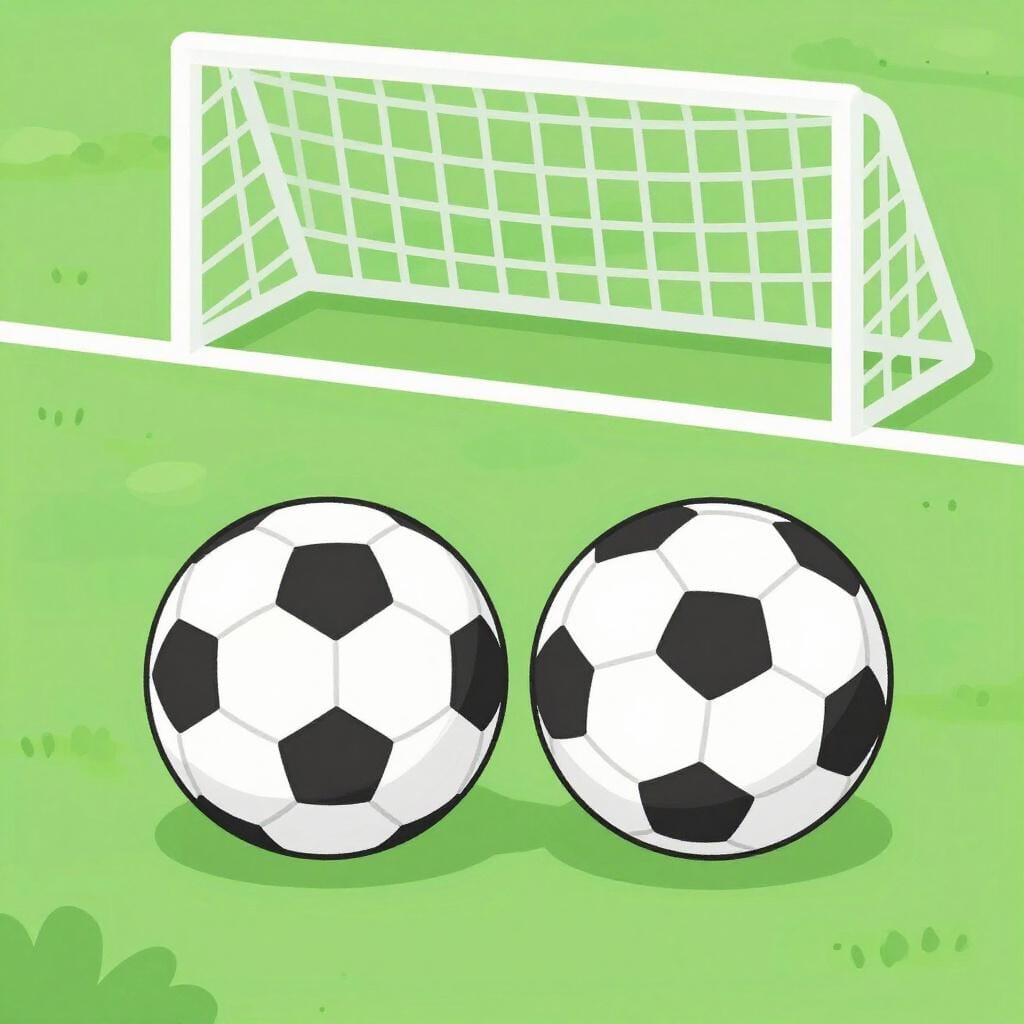
El partido de fútbol terminó en empate.
The soccer match ended in a tie.
Hubo un empate a dos entre los equipos.
There was a two-two tie between the teams.
Las encuestas muestran un empate técnico entre los candidatos.
The polls show a statistical tie between the candidates.
Using 'a' for Scores
When talking about a specific score that resulted in a tie, use the word 'a' between the numbers. For example: 'empate a tres' (a three-three tie).
Verbs that go with 'empate'
In Spanish, we usually 'break' (romper) or 'reach' (llegar a) a tie. To say a game 'ended in a tie,' use 'terminar en empate' or 'quedar en empate'.
Don't use 'hacer'
Mistake: “Hicimos un empate.”
Correction: Quedamos en empate (or) Empatamos.
enlace
en-LAH-sehenˈlaθe

Examples
Por favor, haz clic en el enlace para descargar el archivo.
Please click on the link to download the file.
Necesitamos un enlace directo entre las dos oficinas.
We need a direct connection between the two offices.
El enlace químico es muy fuerte.
The chemical bond is very strong.
Gender Check
'Enlace' is always masculine (el, un), even though it ends in the letter '-e'. This is common for nouns ending in '-aje' and '-e' that come from verb actions.
Using 'link' in Spanish
Mistake: “Using 'el link' instead of 'el enlace' in formal writing.”
Correction: While many Spanish speakers use 'link' when talking about the internet, 'enlace' is the correct and preferred word in professional and academic settings.
lazo
LAH-sohˈlaso

Examples
Los lazos familiares son muy importantes en nuestra cultura.
Family bonds are very important in our culture.
Queremos estrechar los lazos entre nuestras empresas.
We want to strengthen the ties between our companies.
Abstract Meaning
In this context, 'lazo' is figurative, like an invisible string connecting people.
vínculo
Examples
El vínculo entre los hermanos es irrompible.
The bond between the siblings is unbreakable.
tabla
TAH-blahˈtaβla
Examples
El partido de fútbol terminó en tabla a cero.
The soccer match ended in a zero-zero draw.
El ajedrecista forzó las tablas para no perder.
The chess player forced the draw so as not to lose.
Singular vs. Plural
When talking about chess or a sports draw, it is very common to use the plural form: 'las tablas'.
vinculación
Examples
Los científicos han encontrado una vinculación entre la dieta y el sueño.
Scientists have found a link between diet and sleep.
Confusing 'tie' as a connection
Related Translations
Learn Spanish with Inklingo
Interactive stories, personalized learning, and more.