empate
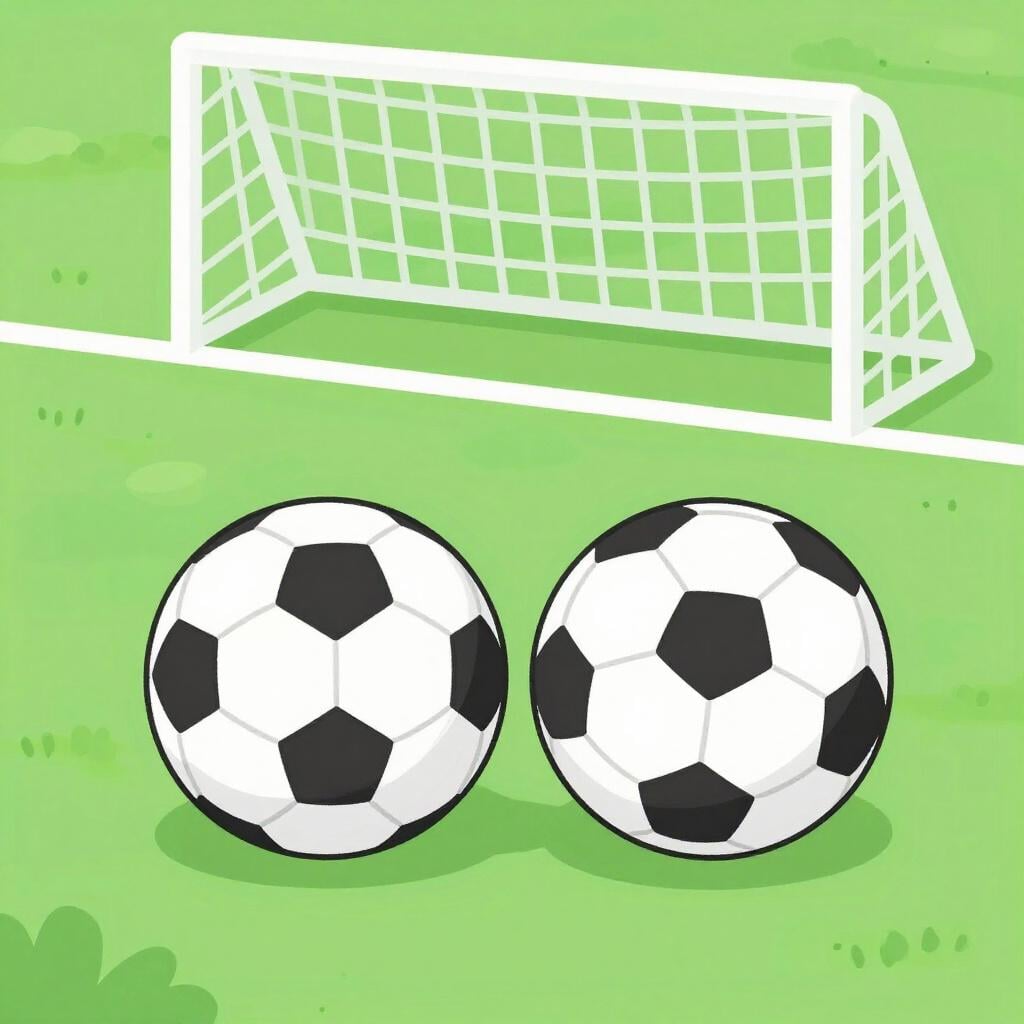
“empate” means “tie” in Spanish (sports or games).
tie, drawAlso: deadlock, standoff
📝 In Action
El partido de fútbol terminó en empate.
A1The soccer match ended in a tie.
Hubo un empate a dos entre los equipos.
A2There was a two-two tie between the teams.
Las encuestas muestran un empate técnico entre los candidatos.
B2The polls show a statistical tie between the candidates.
Word Connections
✏️ Quick Practice
Quick Quiz: empate
Question 1 of 3
If a game of chess ends in a draw, what specific word do Spanish speakers often use instead of 'empate'?
📚 More Resources
👥 Word Family
📚 Etymology
From the Spanish verb 'empatar', which likely comes from the Italian word 'impattare', meaning to be equal or match up. This is related to the word 'pacto' (pact), as a tie was historically seen as an agreement between two parties to end a contest as equals.
First recorded: 17th Century
Cognates (Related words)
💡 Master Spanish
Take your Spanish to the next level. Read 200+ illustrated and narrated Spanish stories tailored to your level with the Inklingo app!
Frequently Asked Questions
What is the difference between 'empate' and 'tablas'?
'Empate' is a general word for any tie (sports, politics). 'Tablas' is mostly used for chess or as an idiom meaning a situation where no one won or lost.
Is 'empate' always a noun?
Yes, as it appears here. However, 'empate' is also a specific form of the verb 'empatar' (the subjunctive form), but for beginners, it is most important to know it as 'a tie'.
How do I say 'tie-breaker'?
In Spanish, we use the word 'desempate'. You might hear 'partido de desempate' (tie-breaking match) or 'gol de desempate' (tie-breaking goal).