How to Say "deadlock" in Spanish
The most common Spanish word for “deadlock” is “empate” — use 'empate' when referring to a tie or stalemate, especially in sports, games, or sometimes in political negotiations where no side gains an advantage.
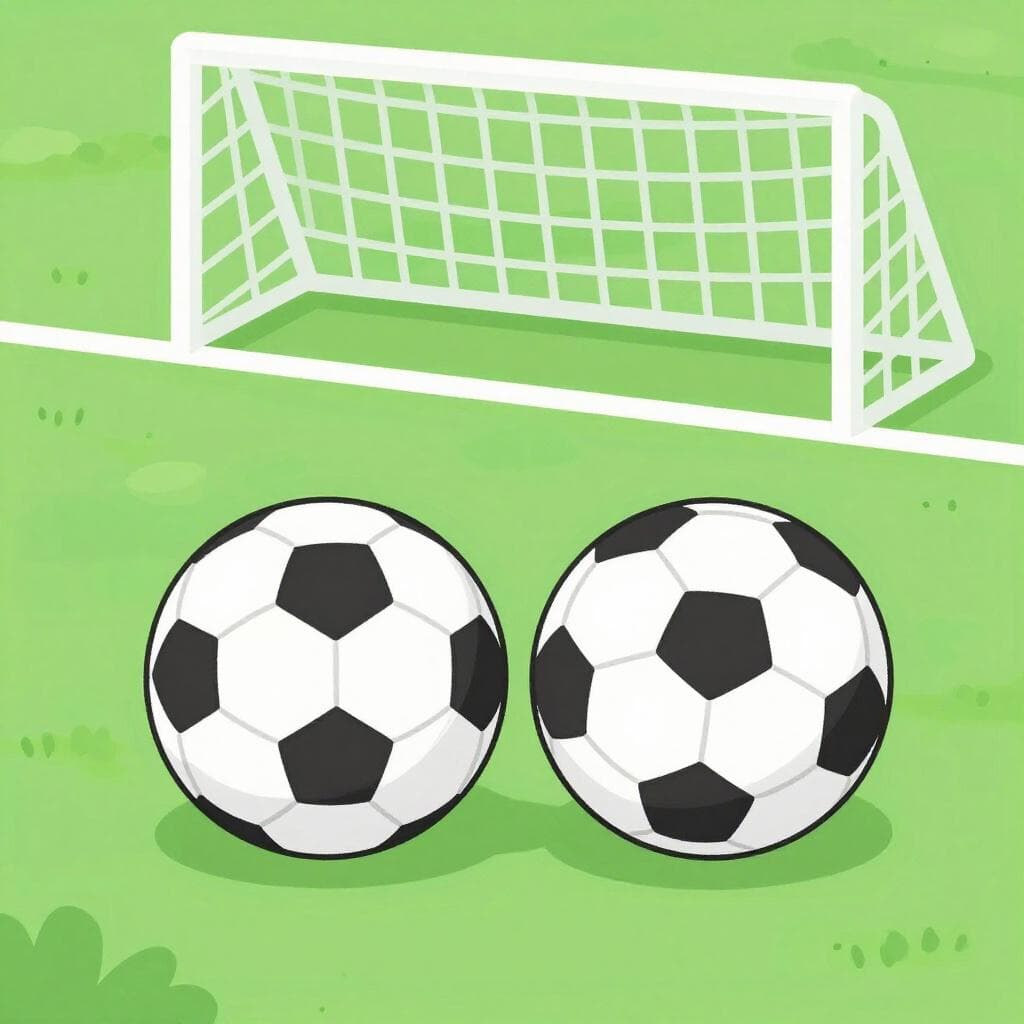
empate
em-pah-teemˈpate
Examples
Las negociaciones políticas llegaron a un empate, sin que ningún partido cediera.
The political negotiations reached a stalemate, with no party giving ground.
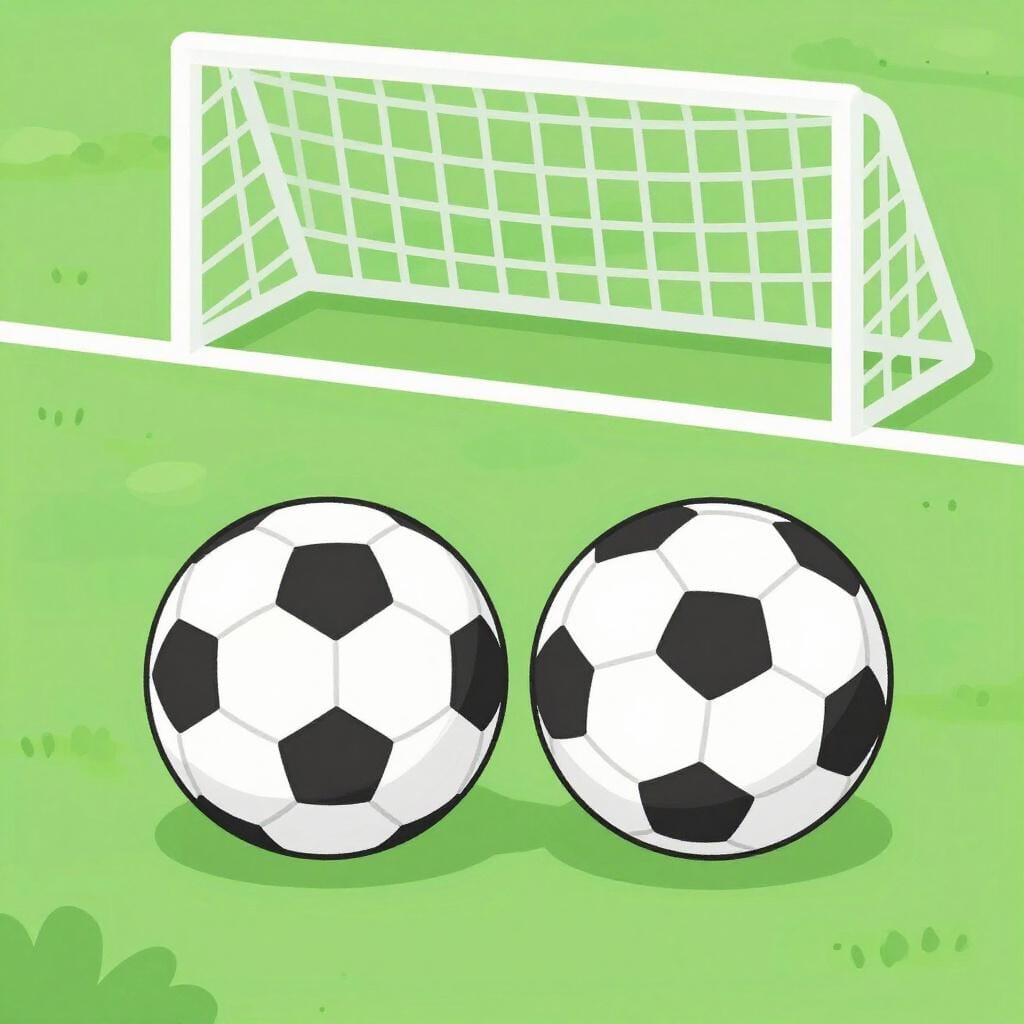
El partido de fútbol terminó en empate.
The soccer match ended in a tie.
Hubo un empate a dos entre los equipos.
There was a two-two tie between the teams.
Las encuestas muestran un empate técnico entre los candidatos.
The polls show a statistical tie between the candidates.
Using 'a' for Scores
When talking about a specific score that resulted in a tie, use the word 'a' between the numbers. For example: 'empate a tres' (a three-three tie).
Verbs that go with 'empate'
In Spanish, we usually 'break' (romper) or 'reach' (llegar a) a tie. To say a game 'ended in a tie,' use 'terminar en empate' or 'quedar en empate'.
Don't use 'hacer'
Mistake: “Hicimos un empate.”
Correction: Quedamos en empate (or) Empatamos.
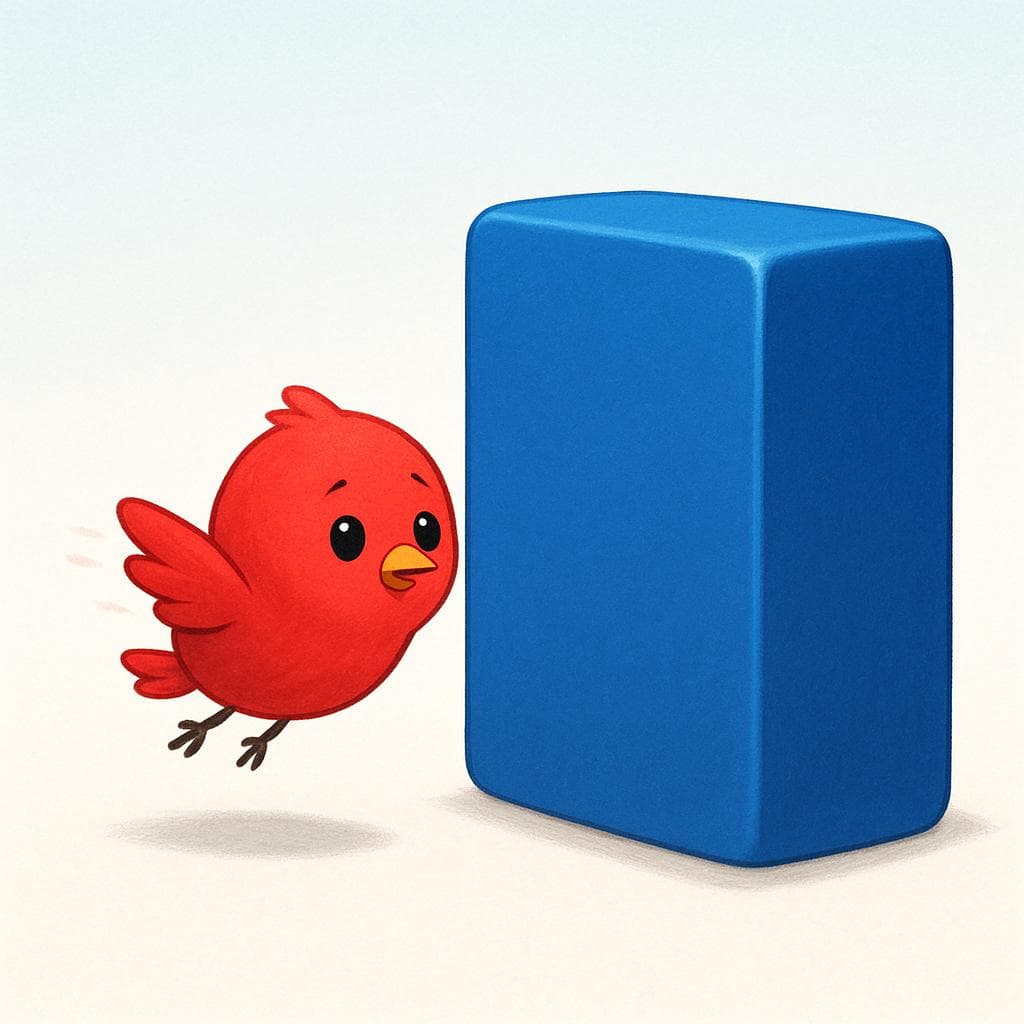
muro
MOO-rohˈmu.ɾo
Examples
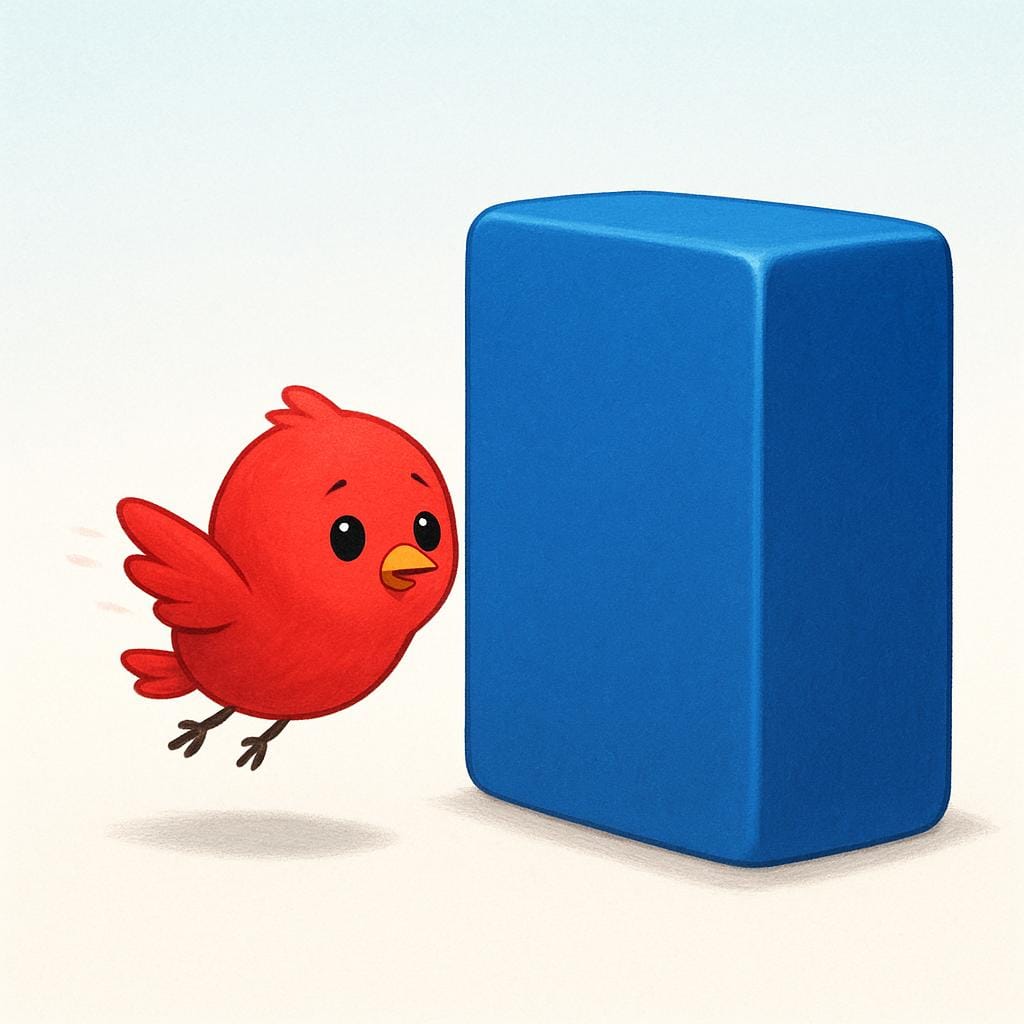
Hemos llegado a un muro en las negociaciones de paz y no sabemos cómo continuar.
We have hit a wall in the peace negotiations and don't know how to proceed.
Hemos llegado a un muro en las negociaciones de paz.
We have hit a wall in the peace negotiations.
El presidente se encontró con un muro de resistencia en el congreso.
The president encountered a wall of resistance in congress.
Using Figuratively
When 'muro' means 'barrier,' it often follows verbs like 'encontrar' (to find) or 'chocar contra' (to crash into) to describe hitting an unexpected problem.
Empate vs. Muro
Learn Spanish with Inklingo
Interactive stories, personalized learning, and more.