How to Say "barrier" in Spanish
The most common Spanish word for “barrier” is “barrera” — use 'barrera' for a physical obstruction like a gate or toll booth, or for a figurative obstacle like a language gap.


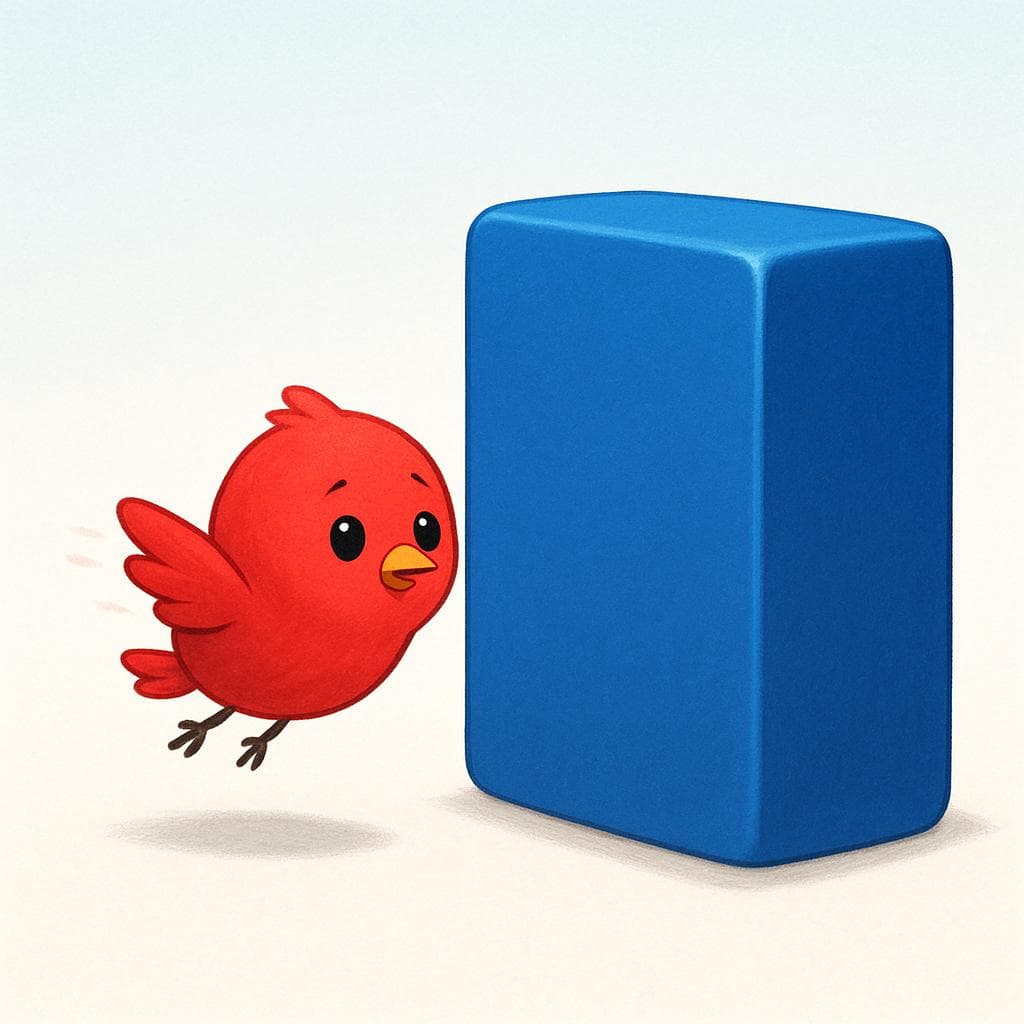
barrera
bah-RREH-rahbaˈreɾa

Examples
Tuvimos que esperar porque la barrera del tren estaba bajada.
We had to wait because the train barrier was down.
La policía levantó una barrera de seguridad para controlar la multitud.
The police put up a safety barrier to control the crowd.
La barrera del idioma puede ser frustrante al viajar.
The language barrier can be frustrating when traveling.
La principal barrera para conseguir el ascenso fue la falta de experiencia.
The main obstacle to getting the promotion was the lack of experience.
Gender Reminder
Remember that 'barrera' is always feminine, so you must use 'la barrera' or 'una barrera'.
Verbs for Action
When talking about removing an obstacle, Spanish often uses 'superar' (to overcome) or 'romper' (to break/break down).
Confusing 'Barrera' and 'Barra'
Mistake: “Using 'barra' when referring to a large obstacle.”
Correction: 'Barra' usually means a small bar or rod (like a pull-up bar). 'Barrera' is the large, blocking structure or fence.
obstáculo
Examples
El atleta saltó el último obstáculo y ganó la carrera.
The athlete jumped the last hurdle and won the race.
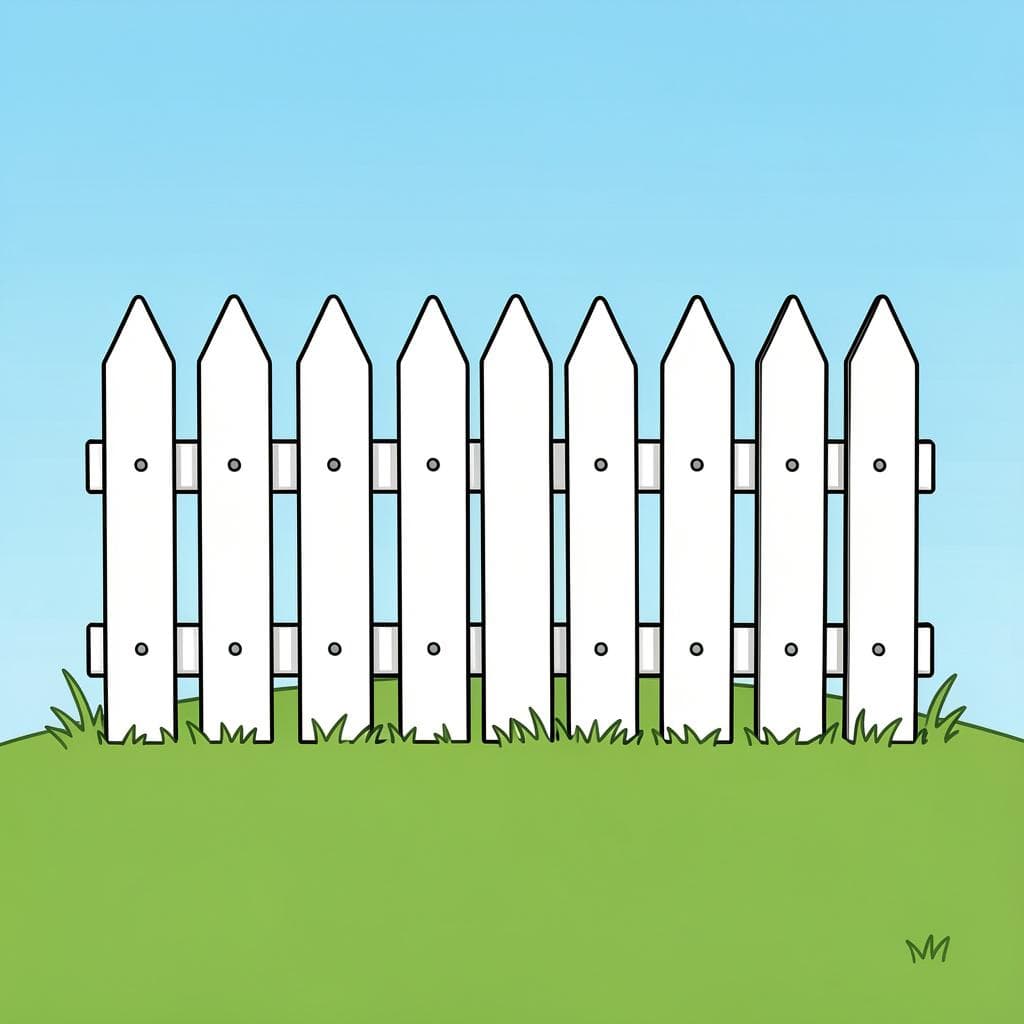
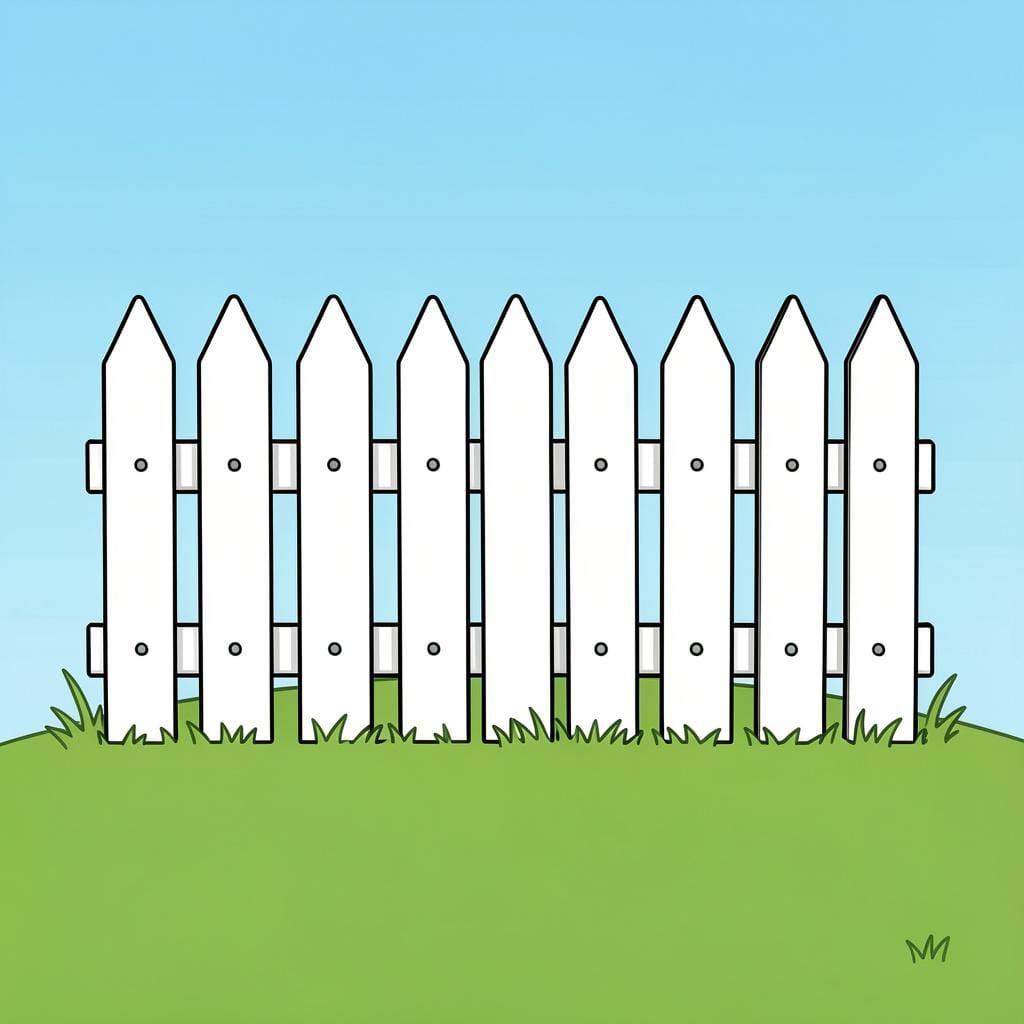
valla
BA-yaˈbaʝa
Examples
Pintamos la valla de blanco ayer.
We painted the fence white yesterday.
El perro saltó la valla del jardín.
The dog jumped over the garden fence.
Gender of 'valla'
This is a feminine naming word, so use 'la' or 'una' before it (la valla).
Don't confuse with 'vaya'
Mistake: “Using 'valla' when you mean 'go' or 'wow'.”
Correction: Use 'valla' for the fence you can touch, and 'vaya' for the action of going.
barricada
bah-ree-KAH-dahba.riˈka.ða

Examples
Los manifestantes construyeron una barricada en el centro de la ciudad.
The protesters built a barricade in the city center.
La calle estaba bloqueada por una barricada de coches viejos.
The street was blocked by a barricade of old cars.
En política, a veces parece que estamos en lados opuestos de la barricada.
In politics, sometimes it seems like we are on opposite sides of the barricade.
Always Feminine
The word 'barricada' ends in -a and is feminine. Always use 'la' or 'una' with it, even if you are talking about a wall of heavy objects.
Using 'Levantar'
While you can say 'hacer' (to make) a barricade, Spanish speakers prefer the verb 'levantar' (to lift/raise) to describe the act of building one.
Gender Error
Mistake: “El barricada”
Correction: La barricada (it follows the standard rule that words ending in -a are feminine).
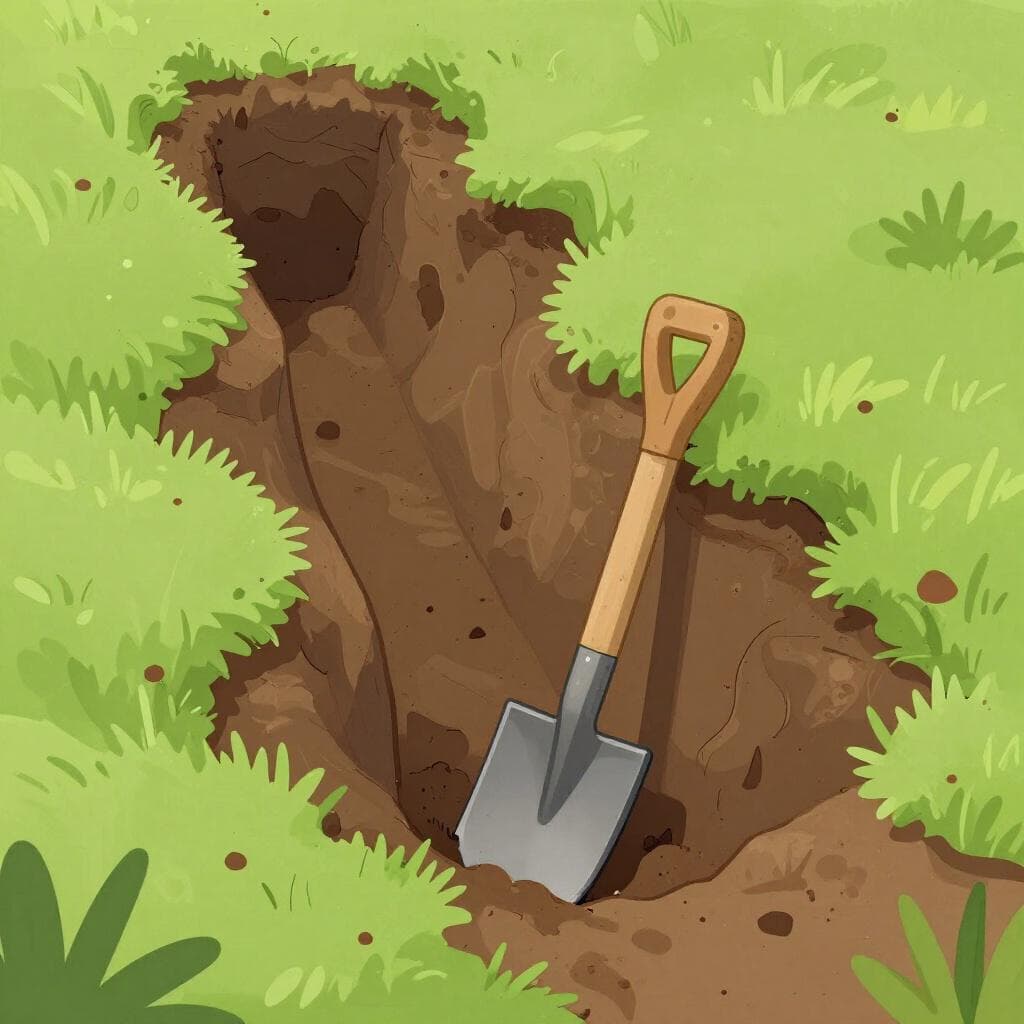
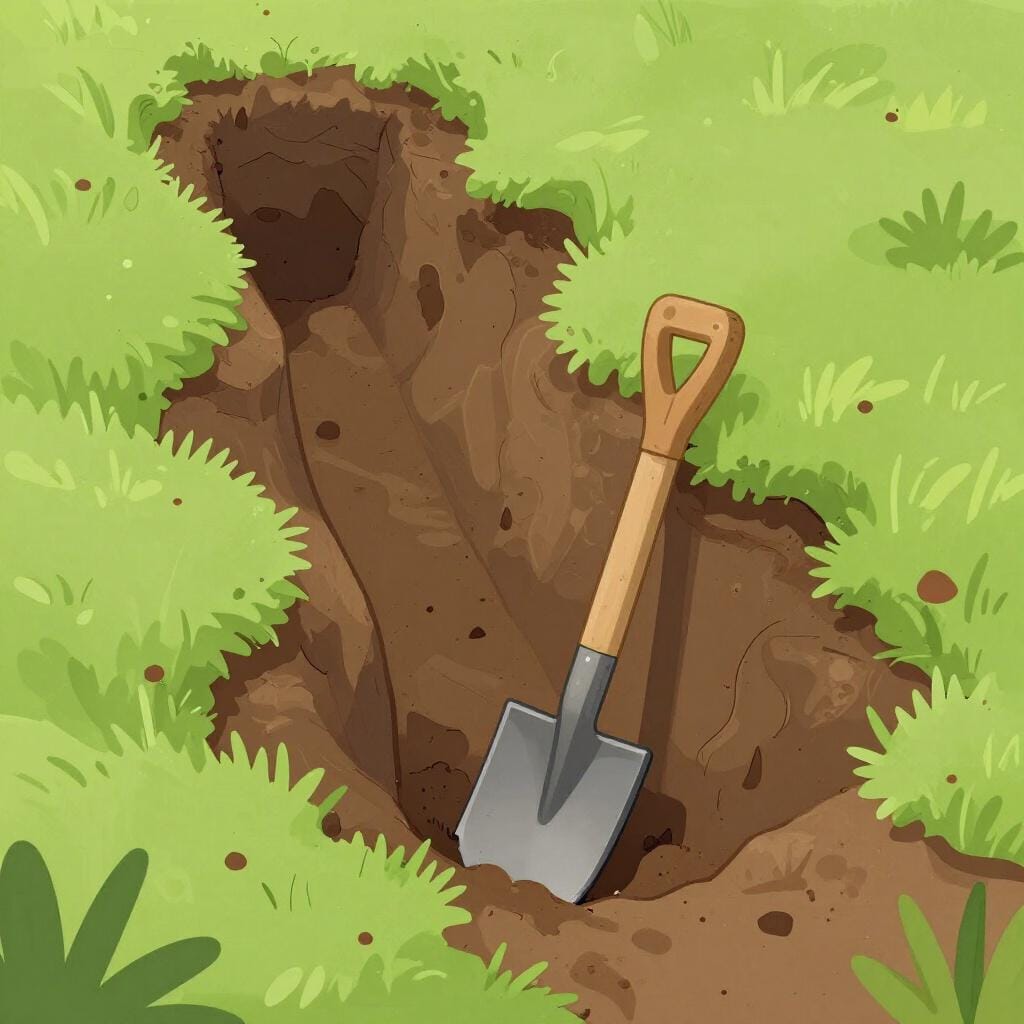
trinchera
treen-CHEH-rahtɾinˈtʃeɾa
Examples
Los soldados pasaron meses viviendo en la trinchera.
The soldiers spent months living in the trench.
Tuvieron que cavar una trinchera profunda para los cables.
They had to dig a deep trench for the cables.
La lluvia inundó la trinchera durante la noche.
The rain flooded the trench during the night.
Gender Identification
Even though it sounds like it could be technical, 'trinchera' follows the standard rule: it ends in 'a' and is feminine, so always use 'la' or 'una'.
Pluralization
To talk about more than one, simply add an 's' to the end: 'las trincheras'.
Don't confuse with 'zanja'
Mistake: “Usar 'trinchera' para una zanja de construcción pequeña.”
Correction: Use 'trinchera' for military defense or very large excavations. Use 'zanja' for small utility ditches.
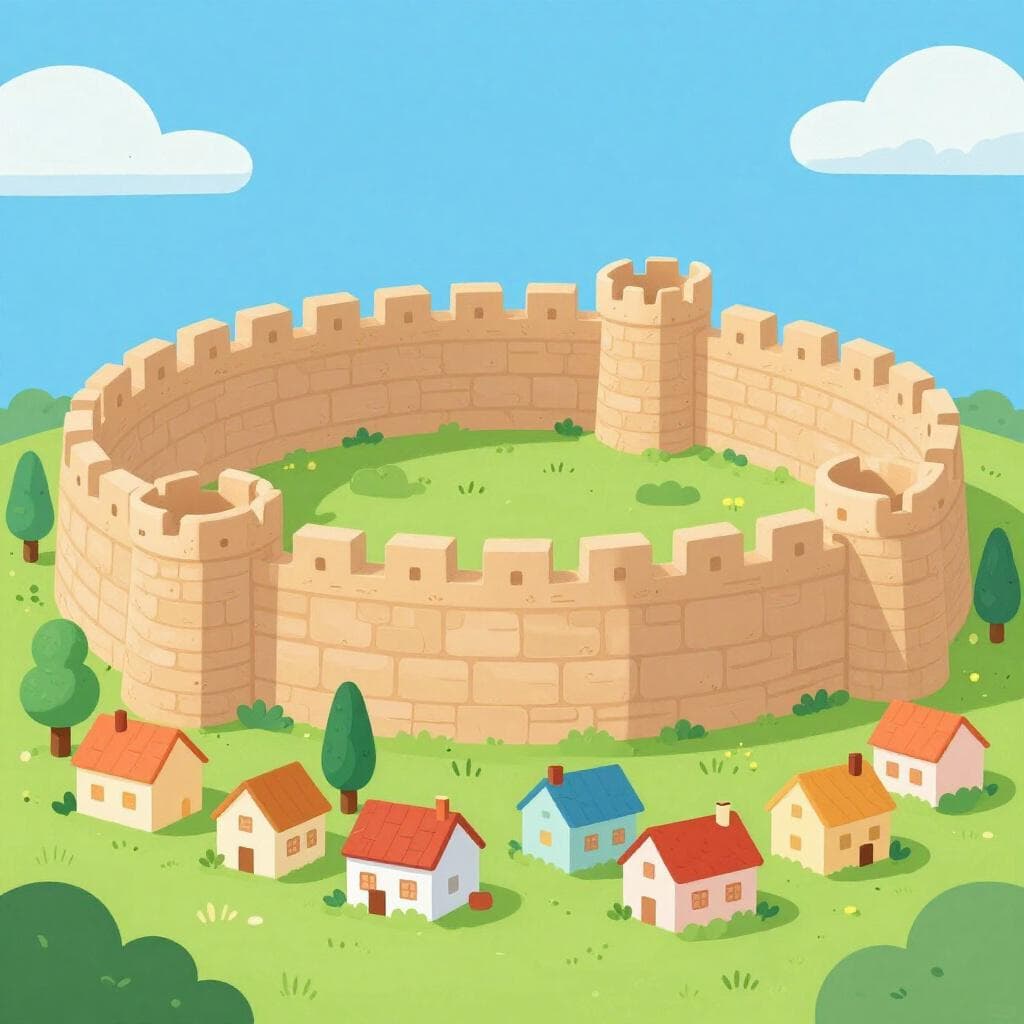
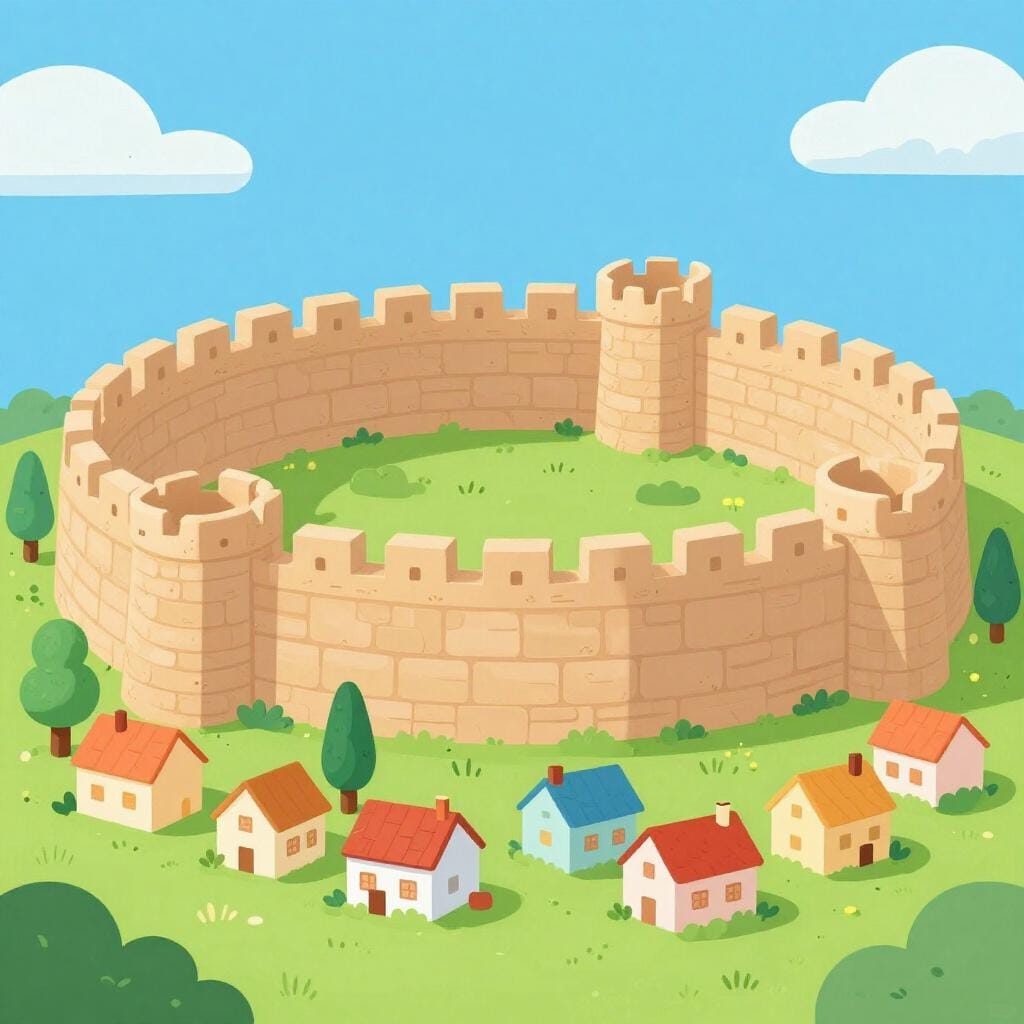
muralla
moo-RAH-yahmuˈɾaʝa
Examples
La muralla de Ávila es una de las mejor conservadas del mundo.
The wall of Avila is one of the best preserved in the world.
Los soldados vigilaban desde lo alto de la muralla.
The soldiers kept watch from the top of the wall.
Él levantó una muralla emocional para protegerse.
He built an emotional wall to protect himself.
The 'A' ending rule
Since this word ends in 'a,' it is almost always a 'she' word. Use 'la' or 'una' with it: 'la muralla.'
Specific wall types
Spanish has three words for wall. Use 'muralla' for huge, historic, or city-defending walls. Use 'pared' for your room walls, and 'muro' for exterior garden or thick stone walls.
Confusing Muralla with Pared
Mistake: “La muralla de mi cocina es blanca.”
Correction: La pared de mi cocina es blanca. Use 'pared' for inside your house; 'muralla' is for fortresses!
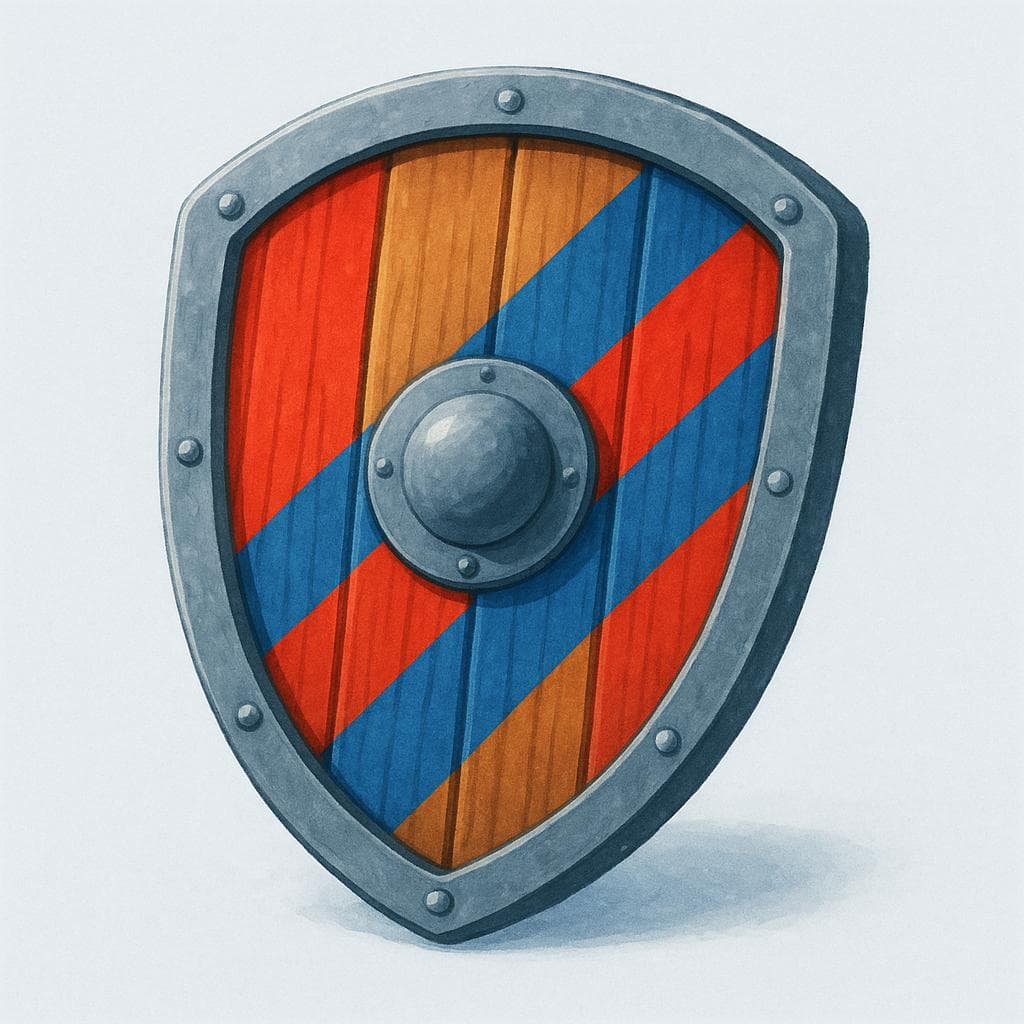
pantalla
pan-TA-yapanˈtaʎa
Examples
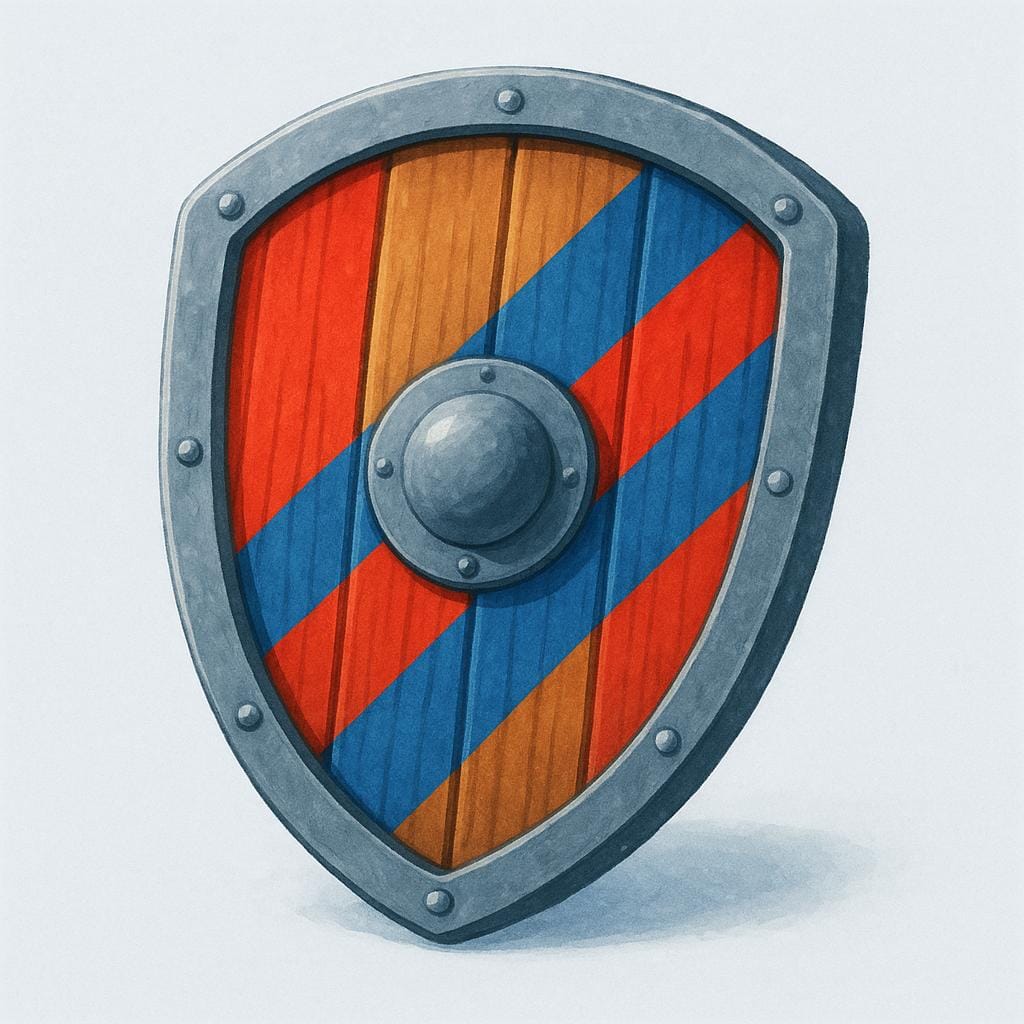
El trabajador llevaba una pantalla de seguridad para protegerse de las chispas.
The worker was wearing a safety shield to protect himself from sparks.
Instalaron pantallas acústicas para reducir el ruido del tráfico.
They installed acoustic barriers (screens) to reduce traffic noise.
muro
MOO-rohˈmu.ɾo
Examples
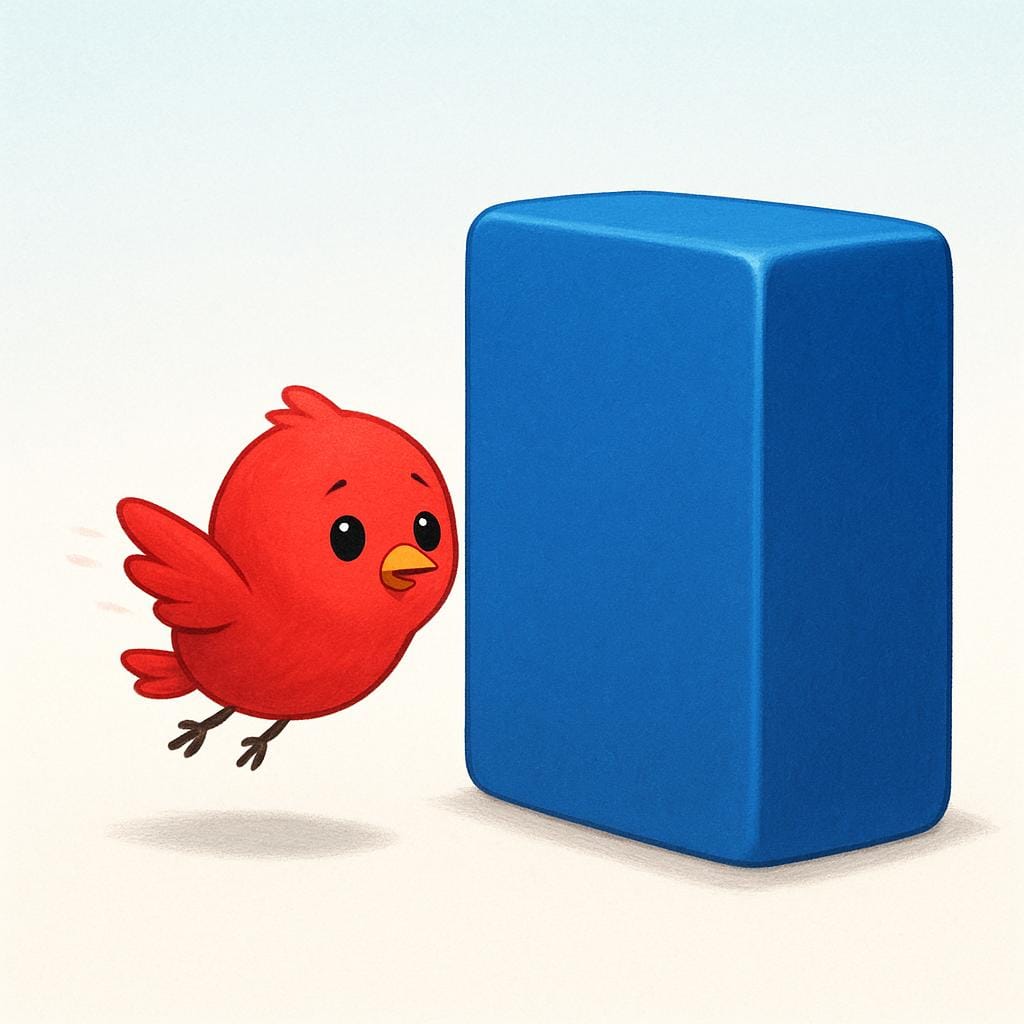
Hemos llegado a un muro en las negociaciones de paz.
We have hit a wall in the peace negotiations.
El presidente se encontró con un muro de resistencia en el congreso.
The president encountered a wall of resistance in congress.
Using Figuratively
When 'muro' means 'barrier,' it often follows verbs like 'encontrar' (to find) or 'chocar contra' (to crash into) to describe hitting an unexpected problem.
Barrera vs. Obstáculo
Related Translations
Learn Spanish with Inklingo
Interactive stories, personalized learning, and more.