How to Say "fence" in Spanish
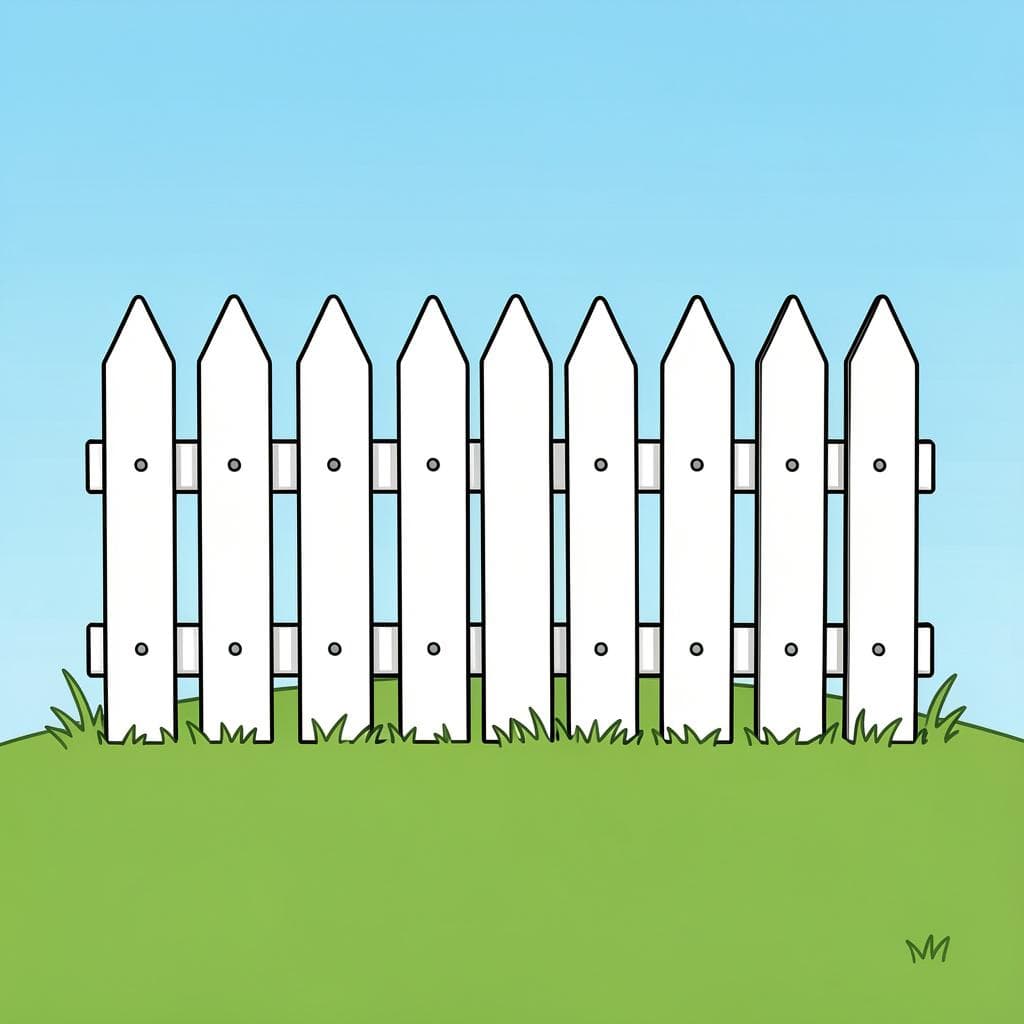
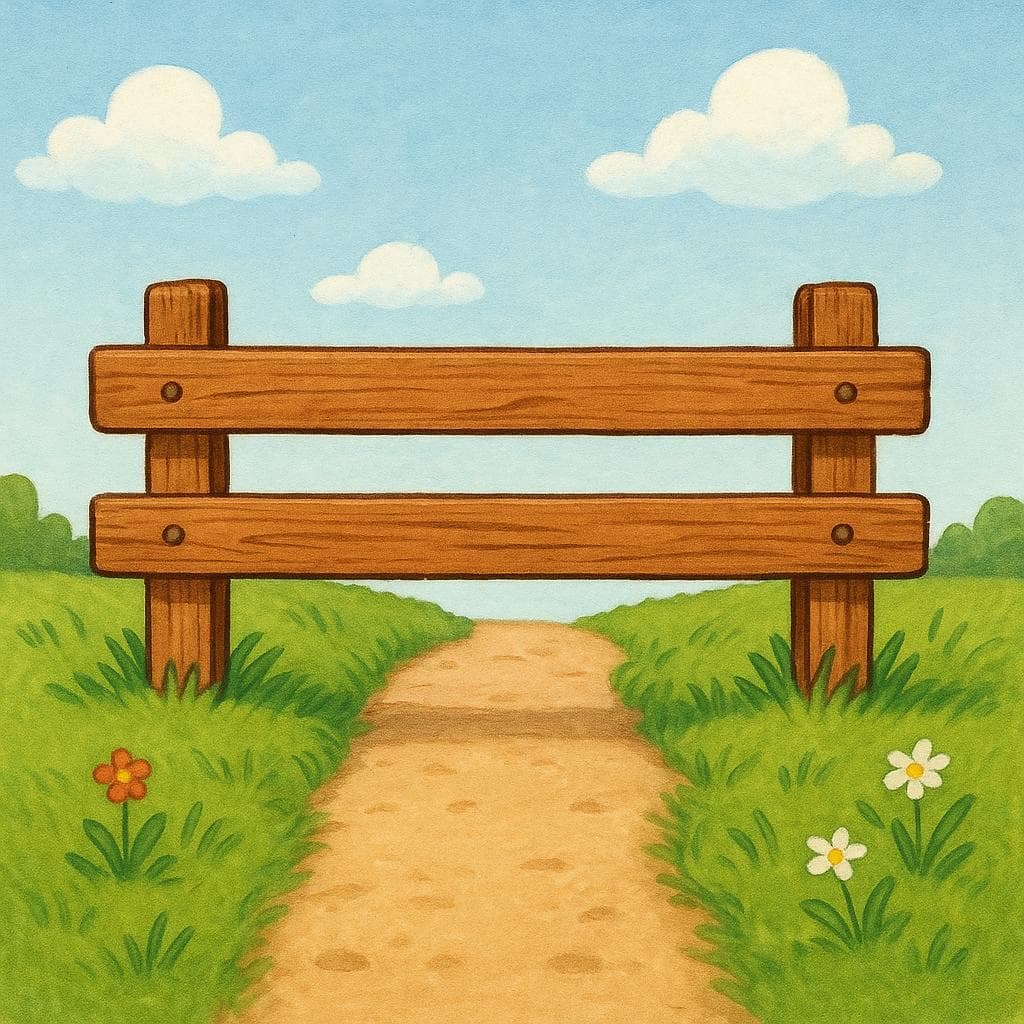
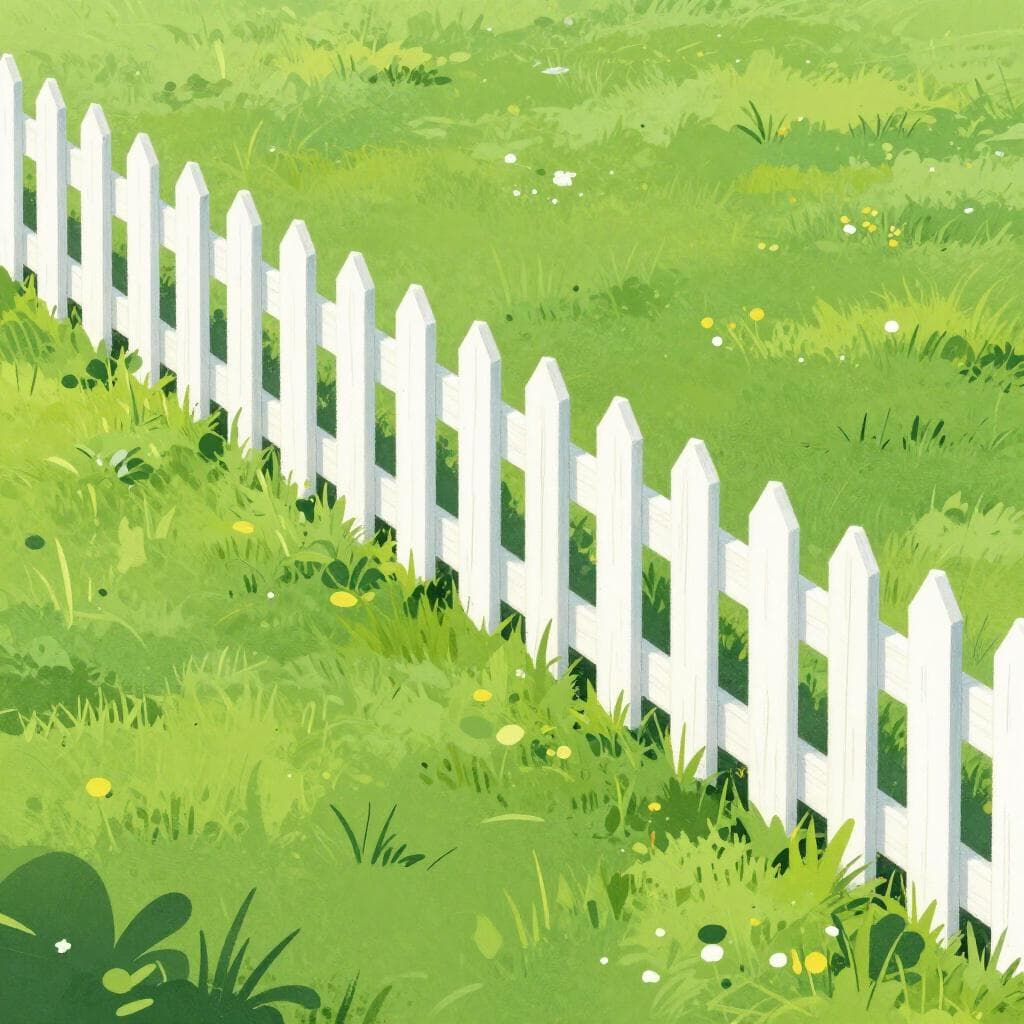
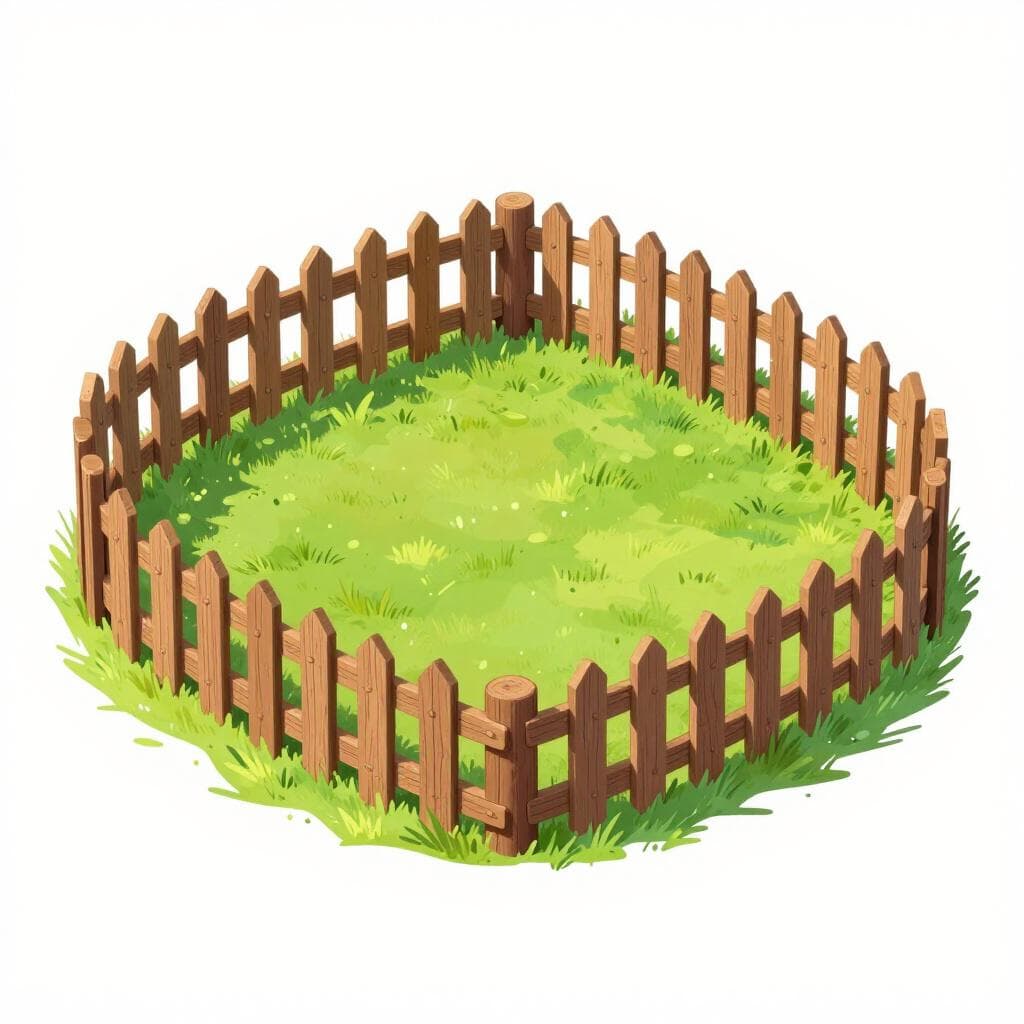
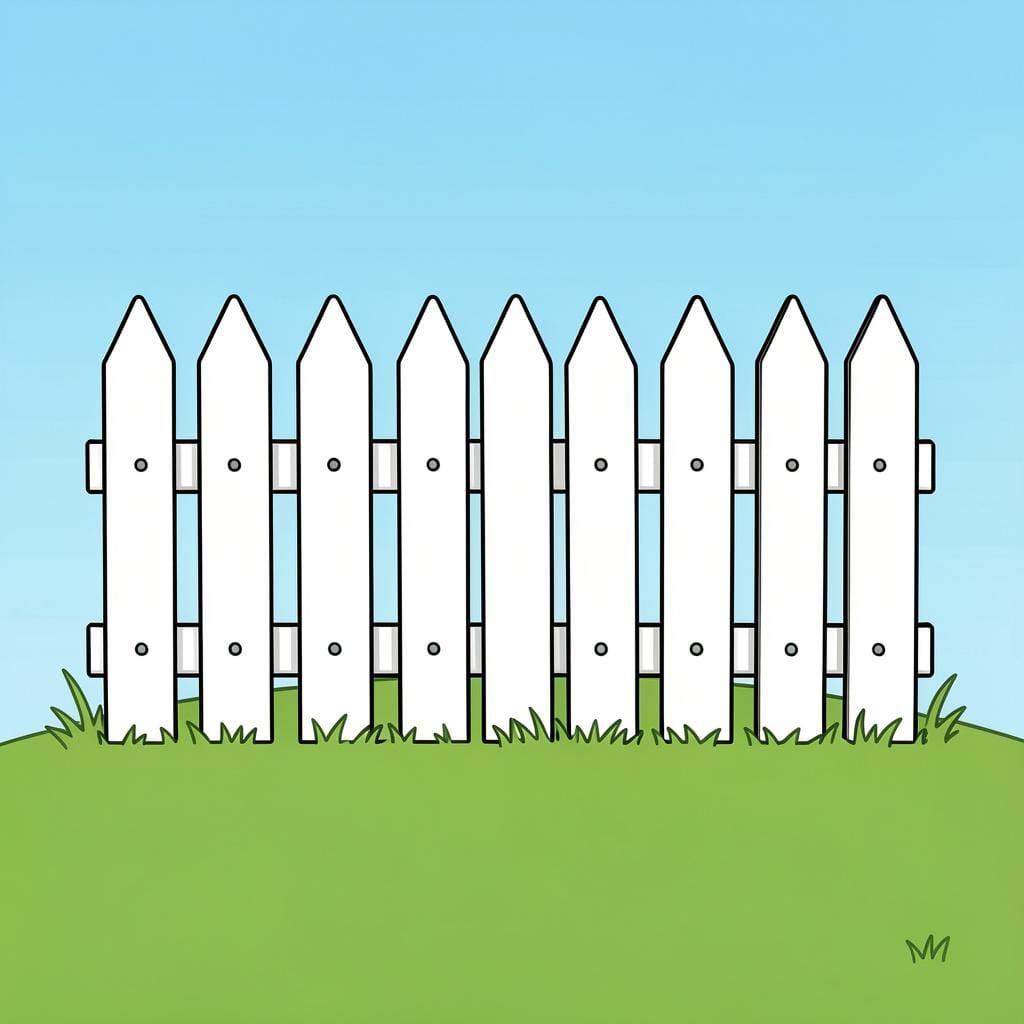
The most common Spanish word for “fence” is “valla” — use 'valla' for a typical fence surrounding a property, like a garden or yard, that you might paint or repair.
valla
BA-yaˈbaʝa
Examples
Pusimos una valla nueva alrededor del jardín.
We put up a new fence around the garden.
Pintamos la valla de blanco ayer.
We painted the fence white yesterday.
El perro saltó la valla del jardín.
The dog jumped over the garden fence.
Gender of 'valla'
This is a feminine naming word, so use 'la' or 'una' before it (la valla).
Don't confuse with 'vaya'
Mistake: “Using 'valla' when you mean 'go' or 'wow'.”
Correction: Use 'valla' for the fence you can touch, and 'vaya' for the action of going.
barrera
bah-RREH-rahbaˈreɾa
Examples
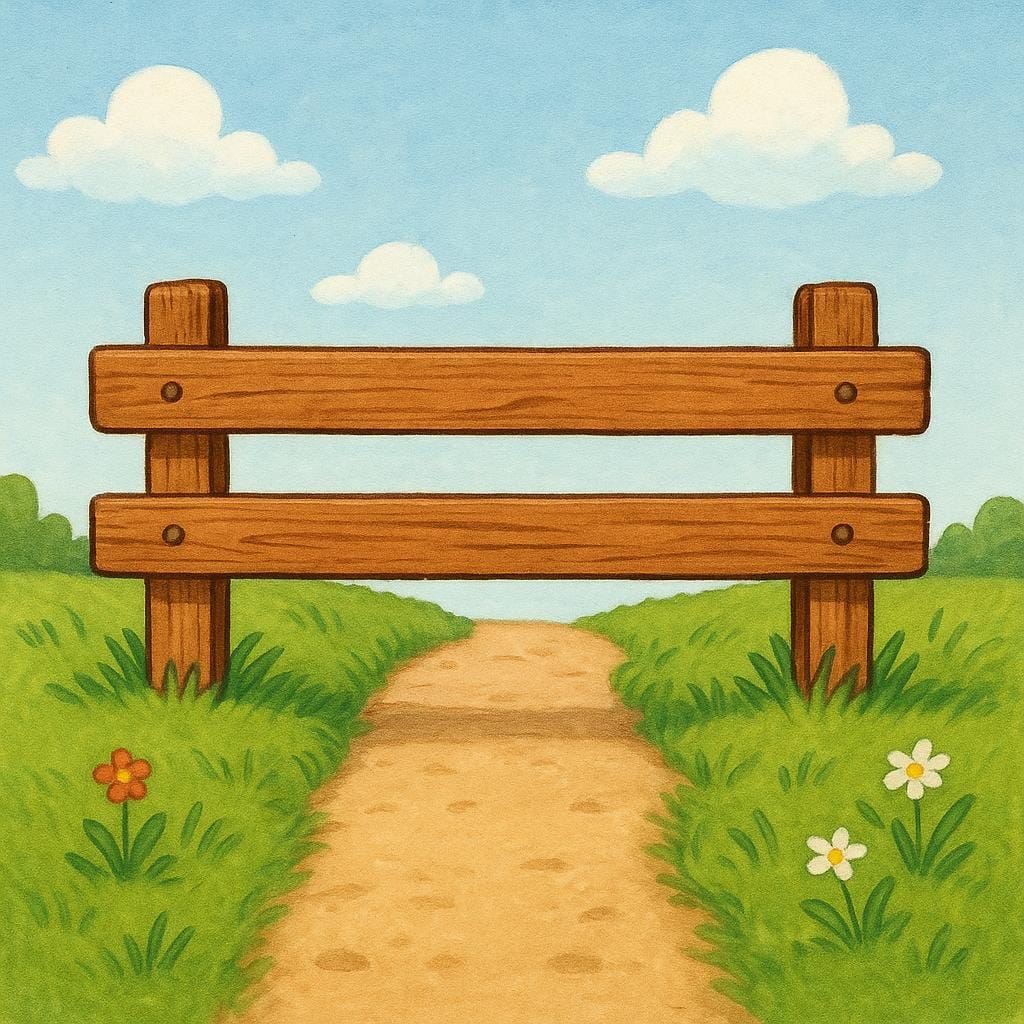
El guardia levantó la barrera para dejarnos pasar.
The guard raised the barrier to let us pass.
Tuvimos que esperar porque la barrera del tren estaba bajada.
We had to wait because the train barrier was down.
La policía levantó una barrera de seguridad para controlar la multitud.
The police put up a safety barrier to control the crowd.
Gender Reminder
Remember that 'barrera' is always feminine, so you must use 'la barrera' or 'una barrera'.
Confusing 'Barrera' and 'Barra'
Mistake: “Using 'barra' when referring to a large obstacle.”
Correction: 'Barra' usually means a small bar or rod (like a pull-up bar). 'Barrera' is the large, blocking structure or fence.
cerco
SER-kohˈθeɾko
Examples
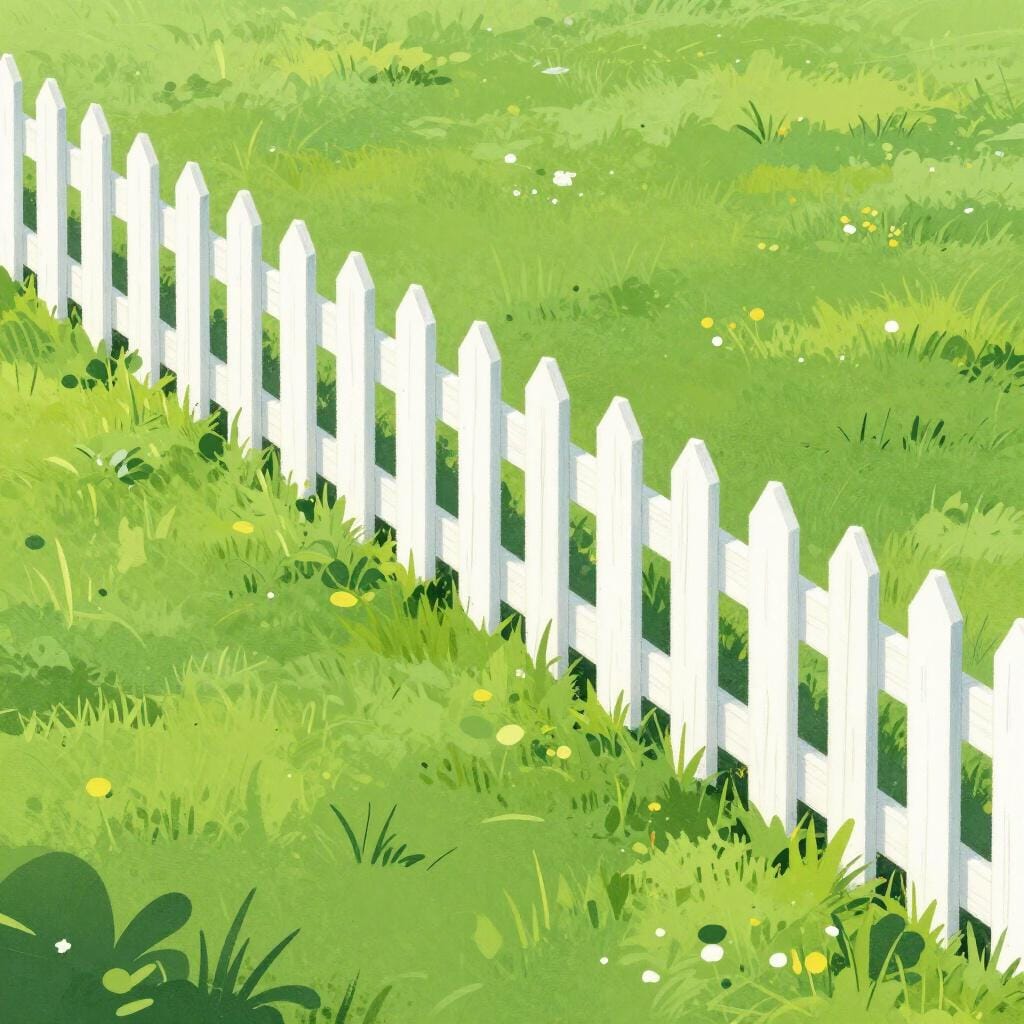
El cerco de alambre mantenía a las vacas dentro del campo.
The wire fence kept the cows inside the field.
El granjero construyó un cerco de madera para proteger a sus ovejas.
The farmer built a wooden fence to protect his sheep.
La policía estableció un cerco alrededor del edificio para que nadie escapara.
The police set up a perimeter around the building so that no one would escape.
Había un cerco de luz alrededor de la luna anoche.
There was a halo of light around the moon last night.
Cerco vs. Cerca
While both mean 'fence', 'cerco' is often used for larger enclosures or strategic perimeters, while 'cerca' is the standard word for a backyard fence.
Using 'estrechar el cerco'
This phrase is used figuratively to mean that a mystery is being solved or a criminal is about to be caught.
Confusing with 'Cerca'
Mistake: “Estoy cerco de la casa.”
Correction: Estoy cerca de la casa. Use 'cerca' for 'near' and 'cerco' for 'fence/siege'.
cierro
SYEH-rrohˈsje.ro
Examples
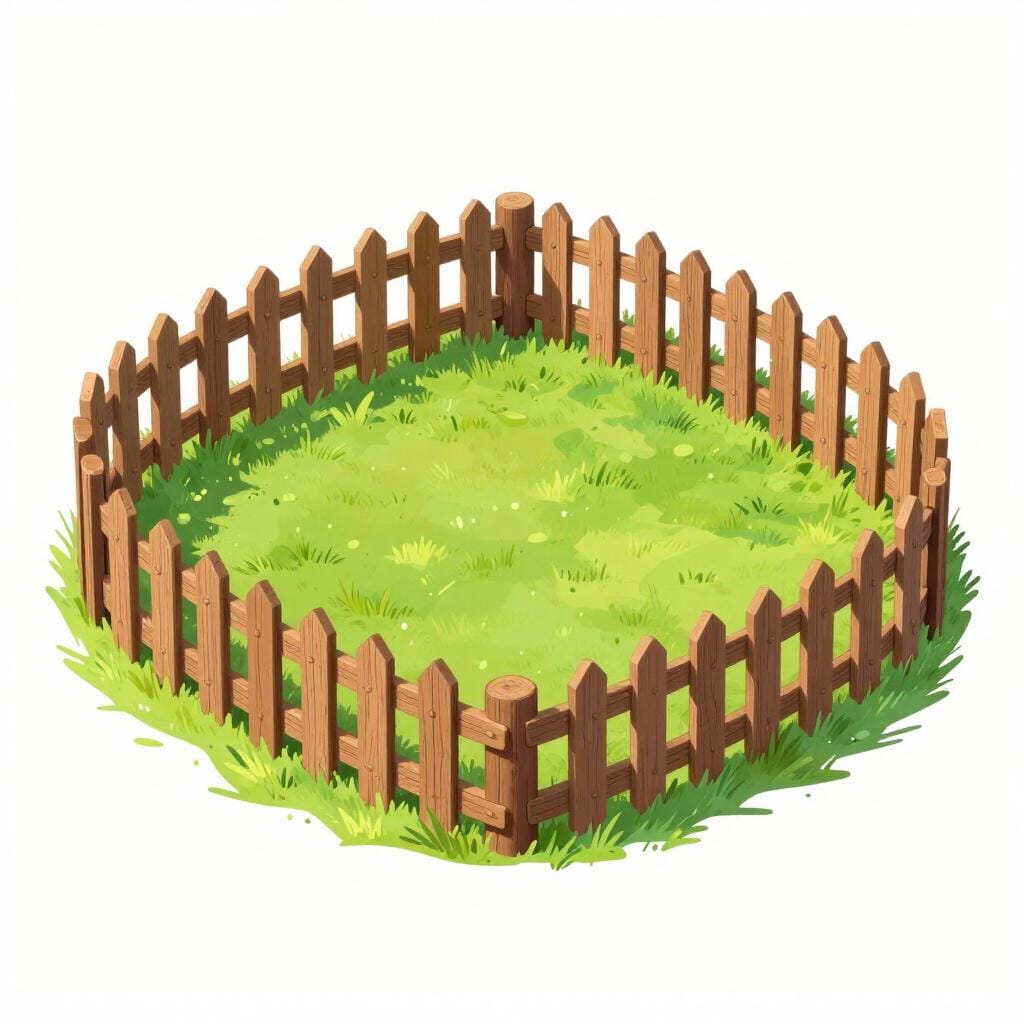
El cierro de piedra delimitaba la propiedad histórica.
The stone enclosure marked the boundary of the historic property.
El cierro de la finca es de piedra antigua.
The enclosure of the estate is made of ancient stone.
Valla vs. Cerco
Related Translations
Learn Spanish with Inklingo
Interactive stories, personalized learning, and more.