cerco
“cerco” means “fence” in Spanish. It has 2 different meanings depending on context:
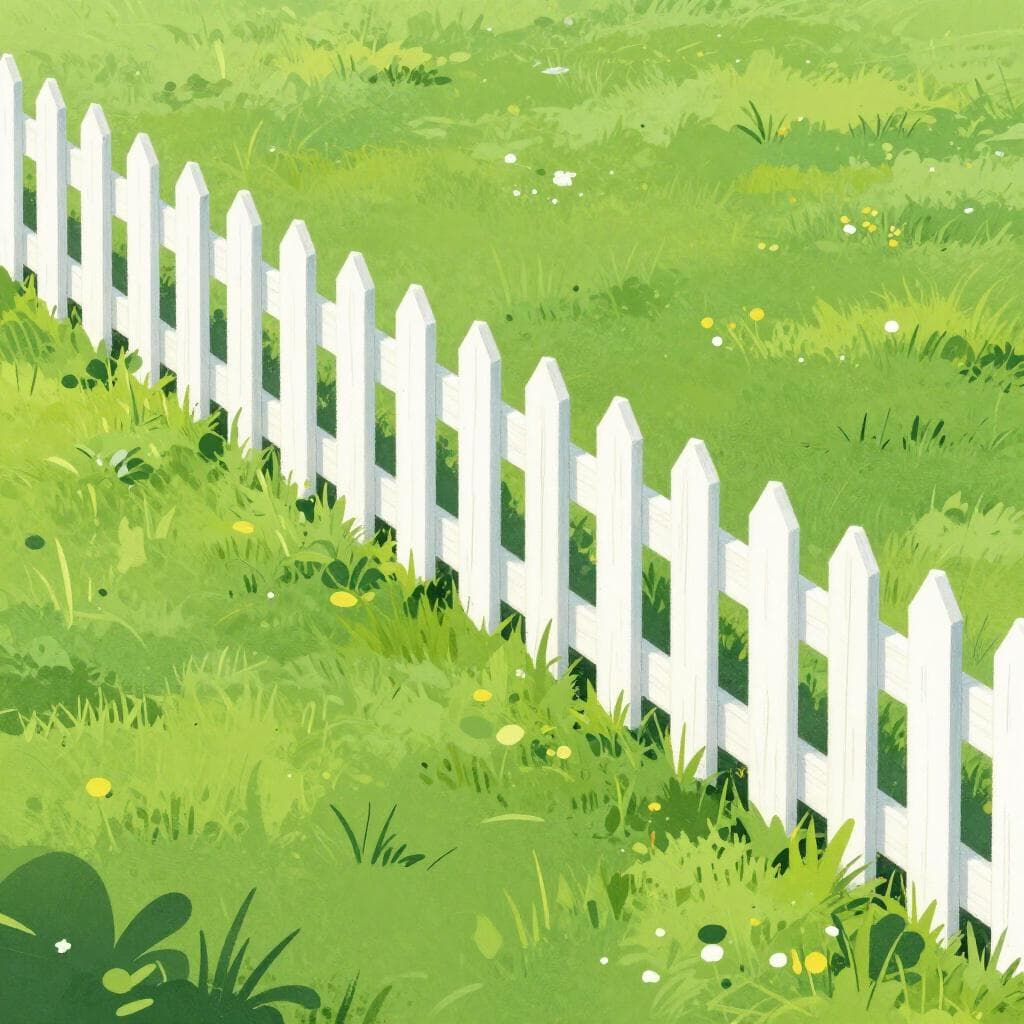

fence, siege
Also: rim, halo
📝 In Action
El granjero construyó un cerco de madera para proteger a sus ovejas.
A2The farmer built a wooden fence to protect his sheep.
La policía estableció un cerco alrededor del edificio para que nadie escapara.
B2The police set up a perimeter around the building so that no one would escape.
Había un cerco de luz alrededor de la luna anoche.
C1There was a halo of light around the moon last night.
I enclose, I surround

📝 In Action
Yo cerco el jardín todos los años para que no entren conejos.
B1I fence the garden every year so rabbits don't get in.
Si cerco la zona, podremos trabajar con seguridad.
B2If I cordoned off the area, we will be able to work safely.
Subjunctive
Imperfect Subjunctive
Present Subjunctive
Indicative
Preterite
Imperfect
Present
Translate to Spanish
✏️ Quick Practice
Quick Quiz: cerco
Question 1 of 3
If a city is under 'un cerco', what is happening?
📚 More Resources
👥 Word Family▼
📚 Etymology▼
From the Latin word 'circus', meaning 'circle' or 'ring'. It evolved to describe anything that forms a circle around something else.
First recorded: 13th century
Cognates (Related words)
💡 Master Spanish
Take your Spanish to the next level. Read 200+ illustrated and narrated Spanish stories tailored to your level with the Inklingo app!
Frequently Asked Questions
What is the difference between 'cerca' and 'cerco'?
'Cerca' usually means 'near' (adverb) or a garden fence (noun). 'Cerco' is more formal, used for military sieges, perimeters, or the 'I' form of the verb 'to fence'.
Can 'cerco' be used for glasses?
Yes! The 'cerco' or 'marco' refers to the frames of the glasses.
Is 'cerco' common in daily conversation?
As a 'fence', it is less common than 'valla' or 'cerca', but in news and sports (meaning to close in on a target), it is extremely common.