How to Say "siege" in Spanish
The most common Spanish word for “siege” is “sitio” — use 'sitio' when referring specifically to a military blockade or surrounding of a city, town, or fortress, often over an extended period.
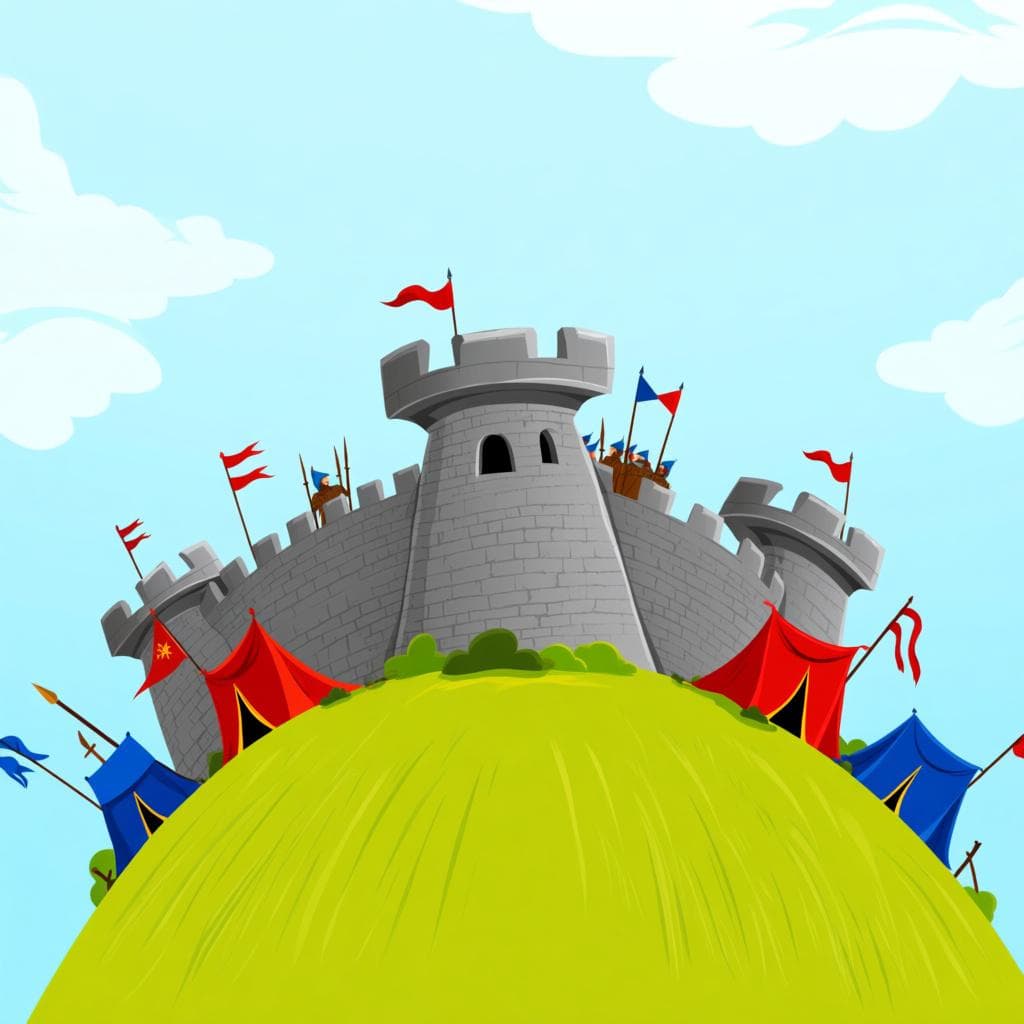

sitio
SEE-tyohˈsitjo
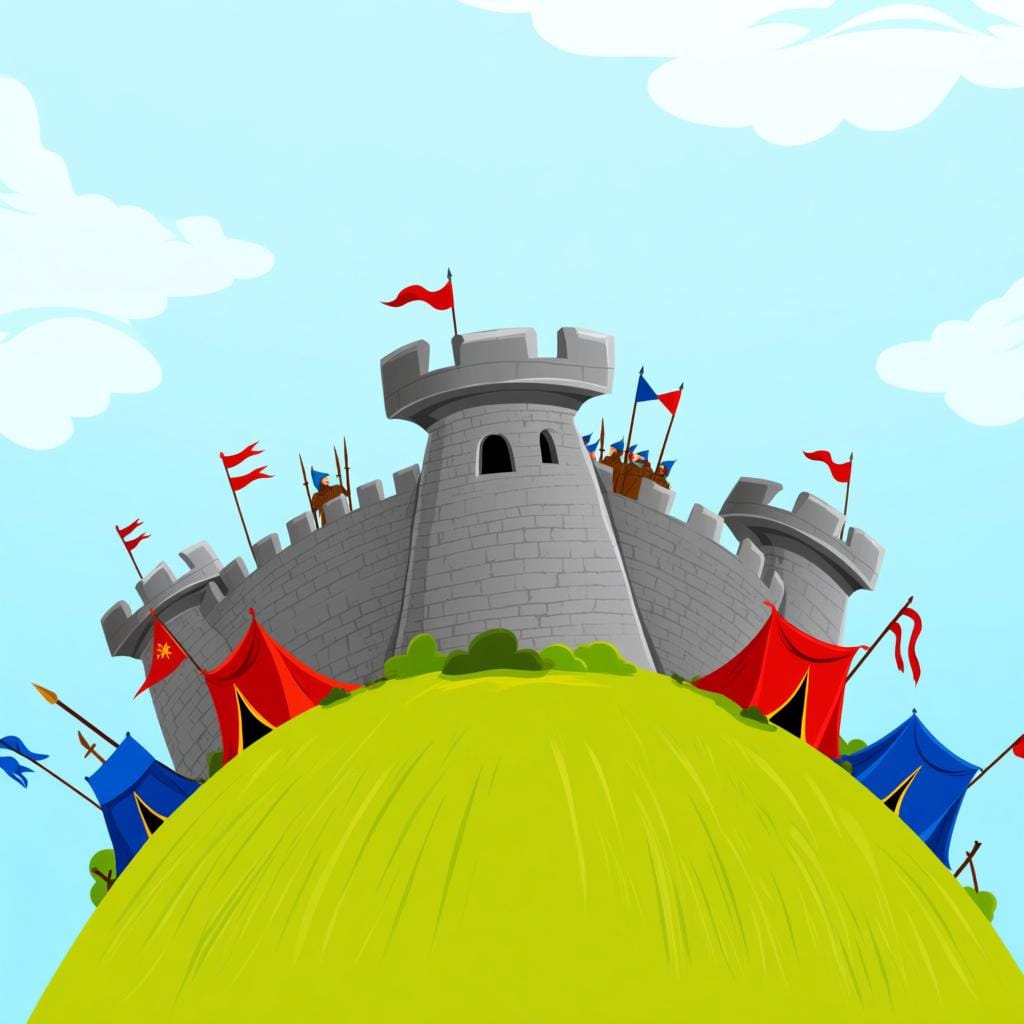
Examples
El sitio de la ciudad duró casi un año.
The siege of the city lasted almost a year.
El ejército puso sitio a la fortaleza enemiga.
The army laid siege to the enemy fortress.
cerco
SER-kohˈθeɾko

Examples
La policía estableció un cerco alrededor del edificio sospechoso.
The police established a cordon around the suspicious building.
El granjero construyó un cerco de madera para proteger a sus ovejas.
The farmer built a wooden fence to protect his sheep.
La policía estableció un cerco alrededor del edificio para que nadie escapara.
The police set up a perimeter around the building so that no one would escape.
Había un cerco de luz alrededor de la luna anoche.
There was a halo of light around the moon last night.
Cerco vs. Cerca
While both mean 'fence', 'cerco' is often used for larger enclosures or strategic perimeters, while 'cerca' is the standard word for a backyard fence.
Using 'estrechar el cerco'
This phrase is used figuratively to mean that a mystery is being solved or a criminal is about to be caught.
Confusing with 'Cerca'
Mistake: “Estoy cerco de la casa.”
Correction: Estoy cerca de la casa. Use 'cerca' for 'near' and 'cerco' for 'fence/siege'.
Sitio vs. Cerco for 'Siege'
Related Translations
Learn Spanish with Inklingo
Interactive stories, personalized learning, and more.