How to Say "room" in Spanish
The most common Spanish word for “room” is “habitación” — use this as the most general and common term for a room in a house or building, often implying a bedroom.
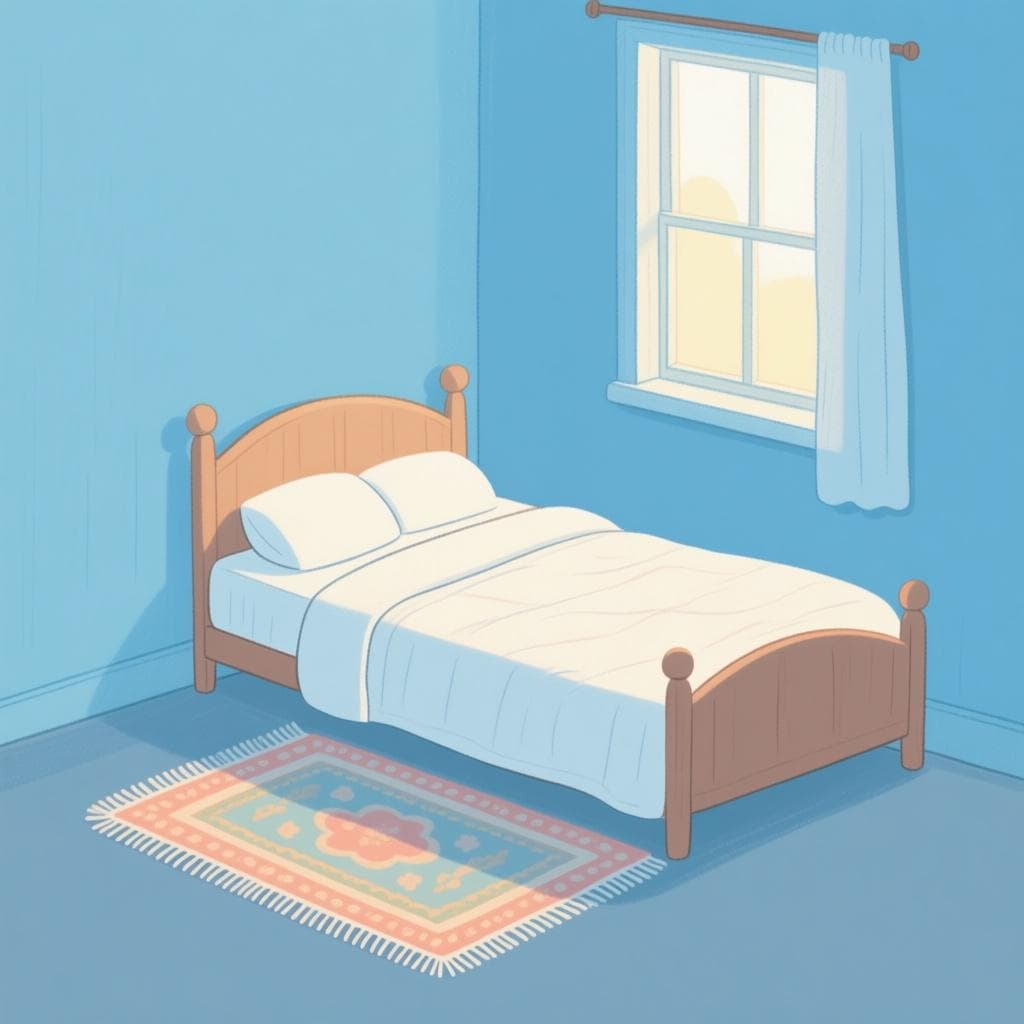
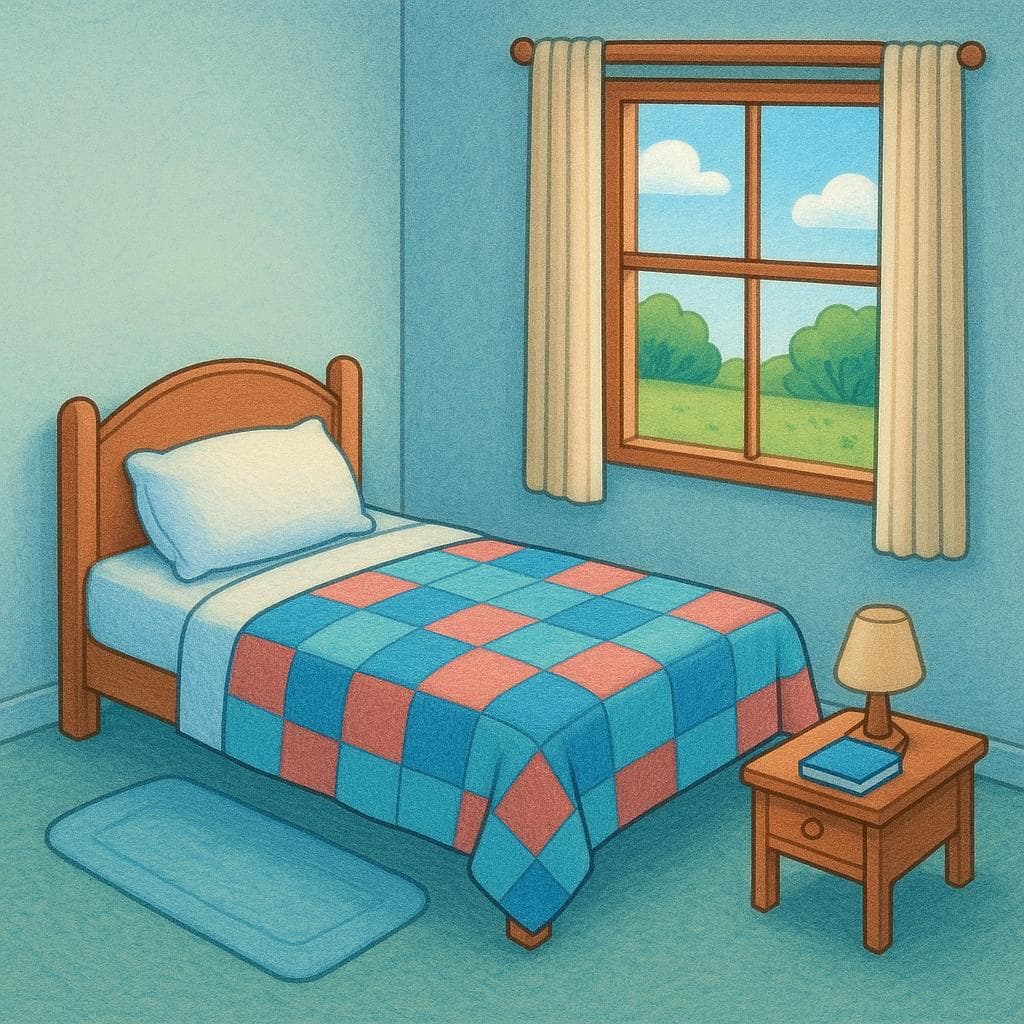


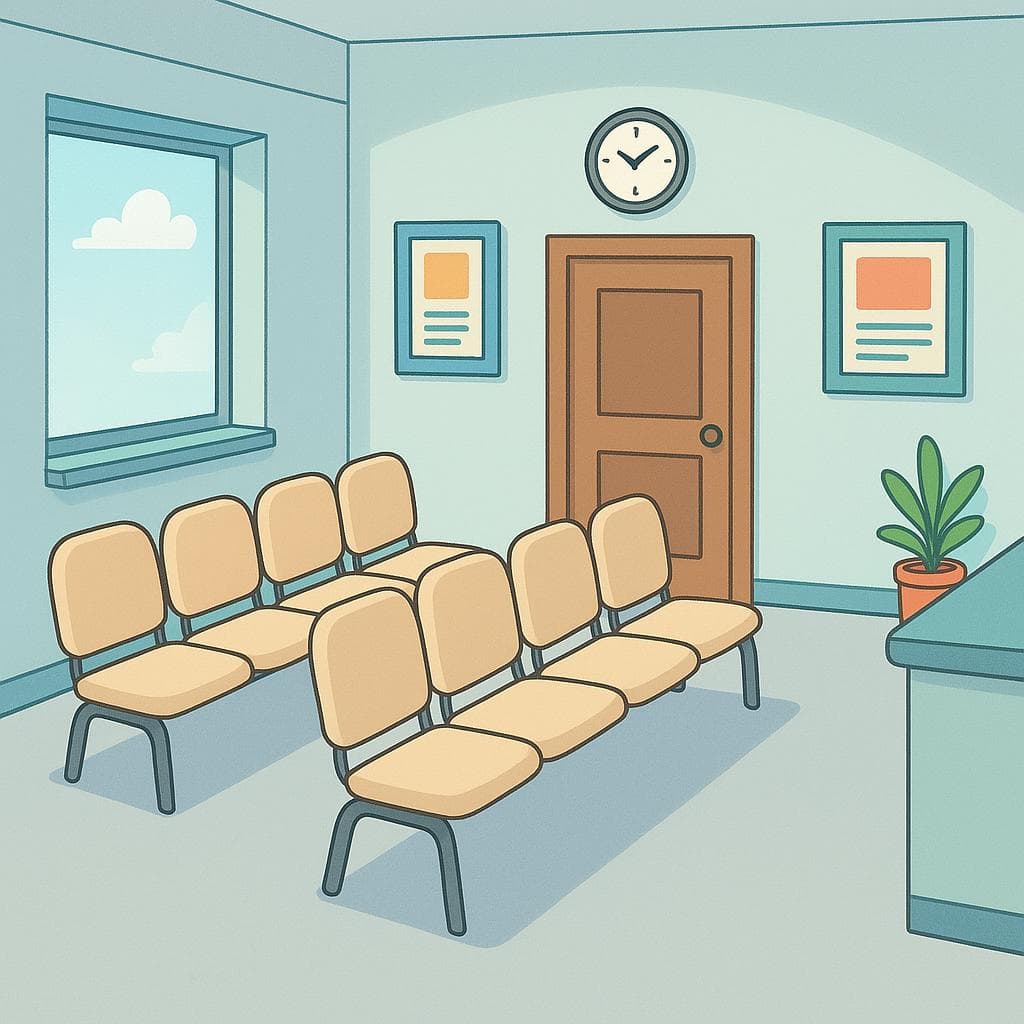





habitación
Examples
Mi casa tiene tres habitaciones y dos baños.
My house has three rooms (bedrooms) and two bathrooms.
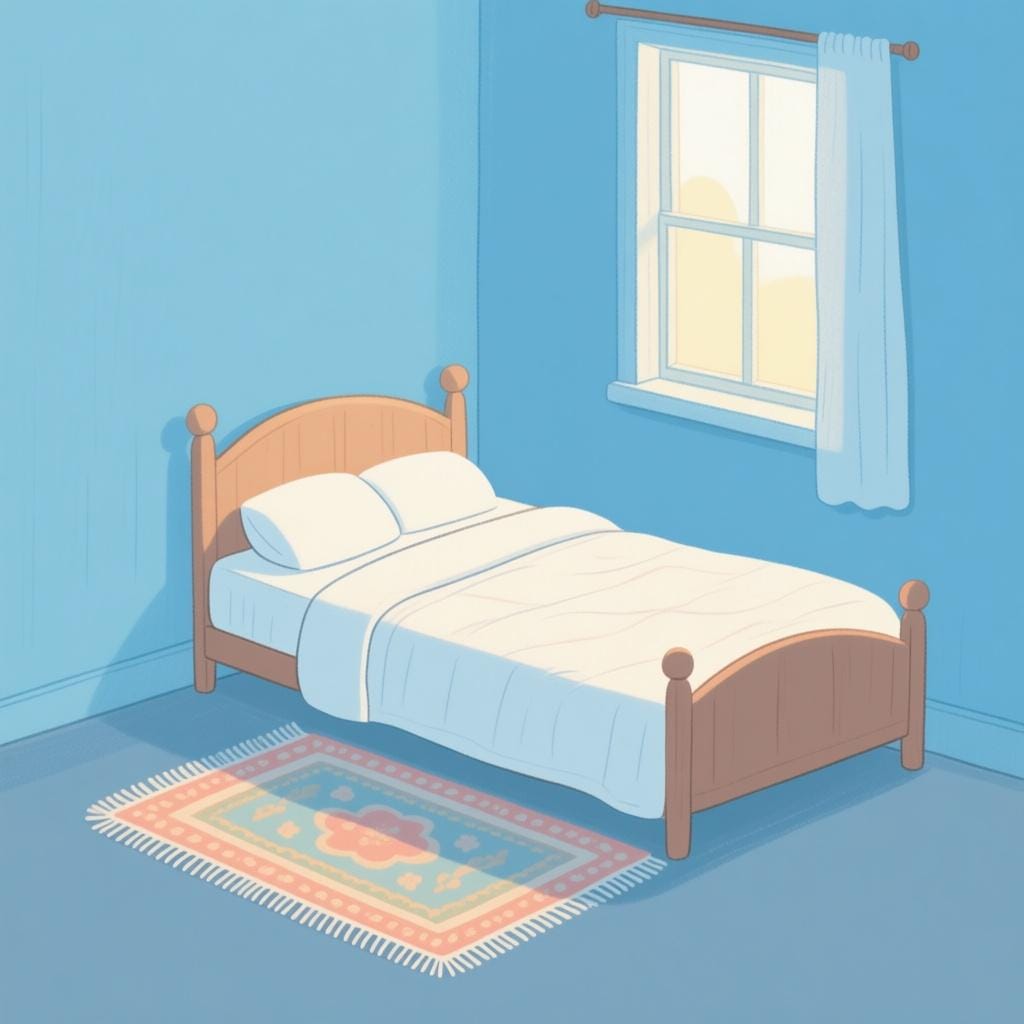
cuarto
KWAR-tohˈkwaɾ.to
Examples
Mi cuarto está al final del pasillo.
My room is at the end of the hallway.
Necesitamos un hotel con dos cuartos.
We need a hotel with two rooms.
Voy a pintar mi cuarto de color azul.
I'm going to paint my bedroom blue.
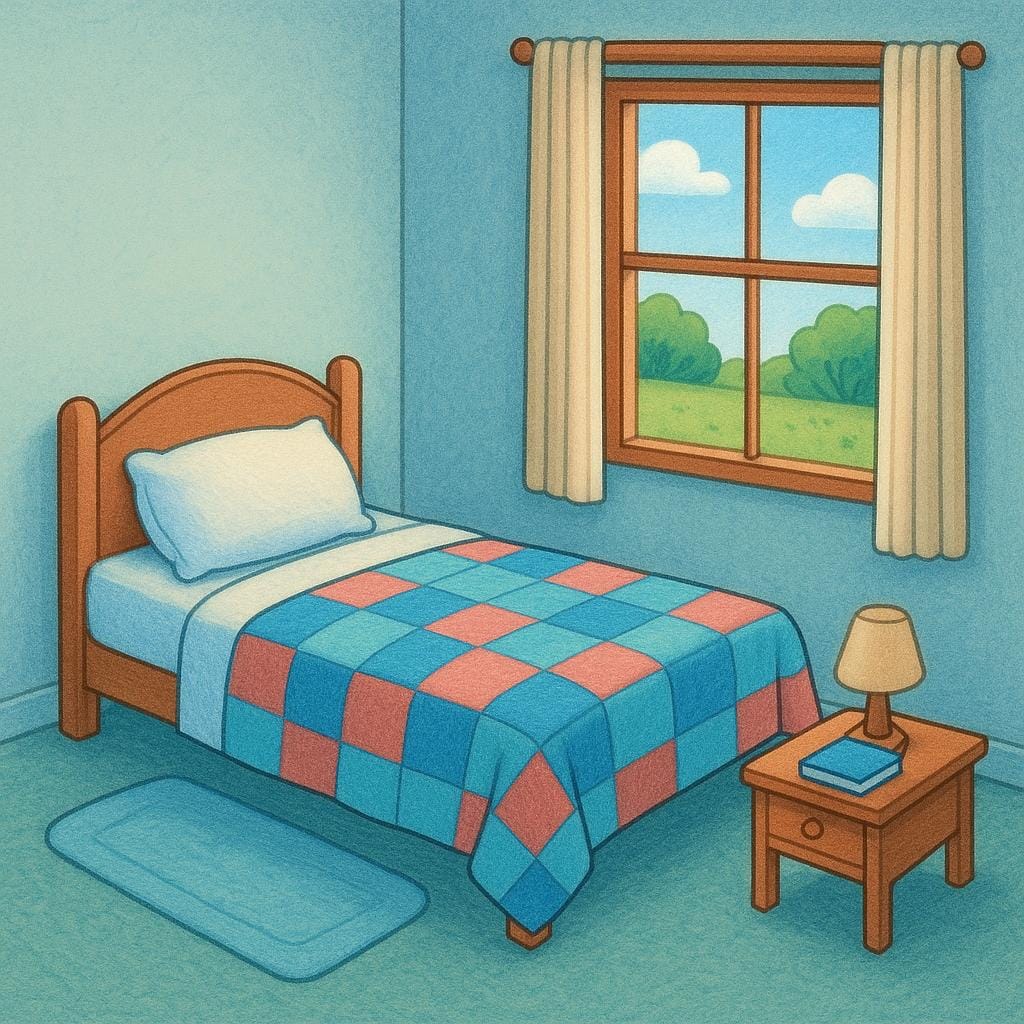
pieza
pee-EH-sahˈpjeθa
Examples
Mi casa tiene cinco piezas, incluyendo la cocina.
My house has five rooms, including the kitchen.
La pieza principal es muy luminosa.
The main room is very bright.
lugar
loo-GARluˈɡaɾ

Examples
¿Hay lugar para una persona más en el coche?
Is there room for one more person in the car?
Hazme un lugar en el sofá, por favor.
Make some room for me on the sofa, please.
No tengo lugar en mi agenda esta semana.
I don't have space/room in my schedule this week.
espacio
es-PA-syoesˈpa.sjo

Examples
No hay espacio en el coche para más maletas.
There's no space/room in the car for more suitcases.
Necesitamos más espacio para la mesa nueva.
We need more space for the new table.
Por favor, haz un poco de espacio para que pueda sentarme.
Please, make a little space so I can sit down.
Always Masculine
Even though it ends in 'o', it's good to remember that 'espacio' is always masculine. So, you'll always say 'el espacio' (the space) or 'un espacio' (a space).
'Space' vs. 'Room'
Mistake: “Quiero reservar un espacio en el hotel.”
Correction: Quiero reservar una habitación en el hotel. Use 'habitación' or 'cuarto' for a room in a building like a hotel or house. 'Espacio' refers to general, open area or capacity.
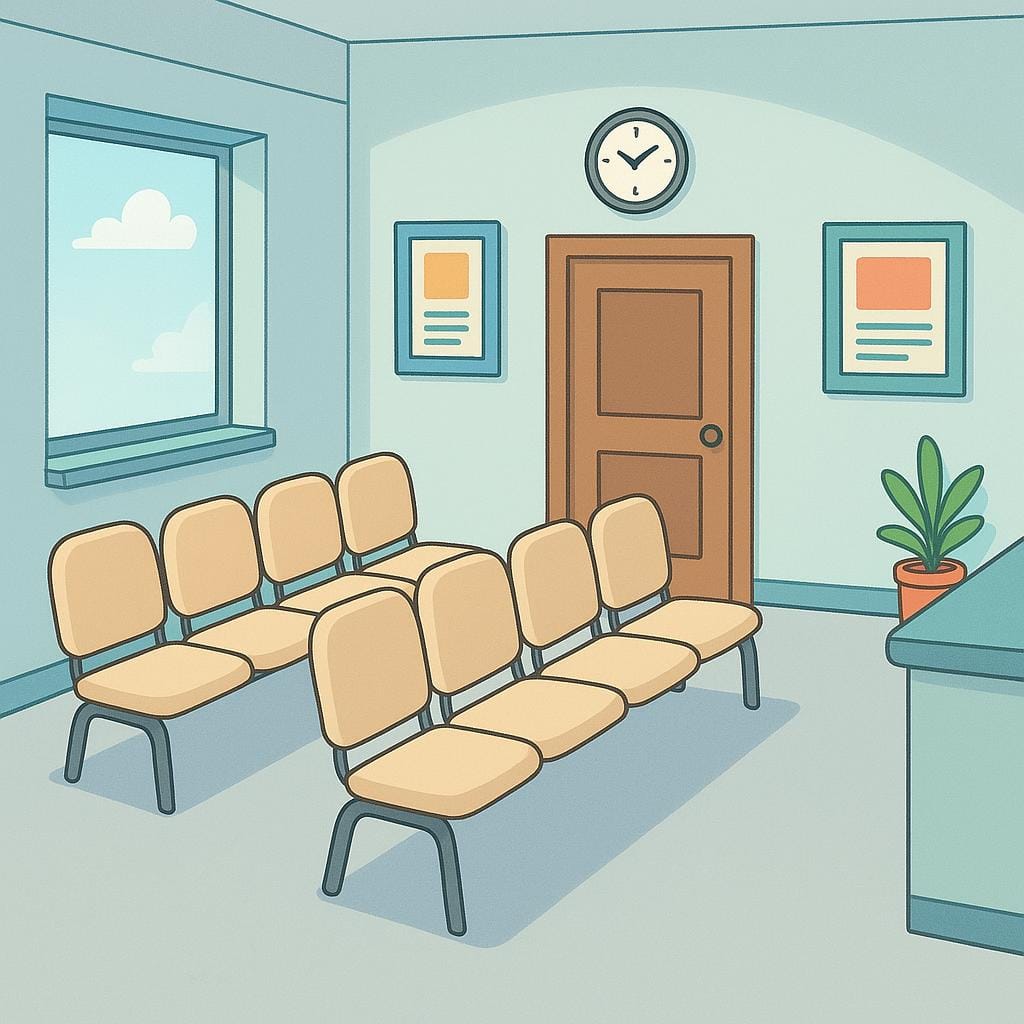
sala
SAH-lahˈsala
Examples
La conferencia será en la sala número cinco.
The conference will be in room number five.
Compramos boletos para la sala de conciertos.
We bought tickets for the concert hall.
El paciente fue trasladado a la sala de urgencias.
The patient was moved to the emergency room/ward.
sitio
SEE-tyohˈsitjo

Examples
¿Hay sitio para uno más en el coche?
Is there room for one more in the car?
No tengo sitio en mi maleta para más cosas.
I don't have space in my suitcase for more things.
Por favor, hazme un sitio en el sofá.
Please, make room for me on the sofa.
Confusing with 'Habitación'
Mistake: “Using 'habitación' or 'cuarto' to mean 'available space'.”
Correction: 'Habitación' and 'cuarto' mean a physical room in a house (like a bedroom). Use 'sitio' or 'espacio' when you're talking about whether there's enough space for something or someone.
cámara
Examples
La Cámara de Representantes votará la nueva ley mañana.
The House of Representatives will vote on the new law tomorrow.
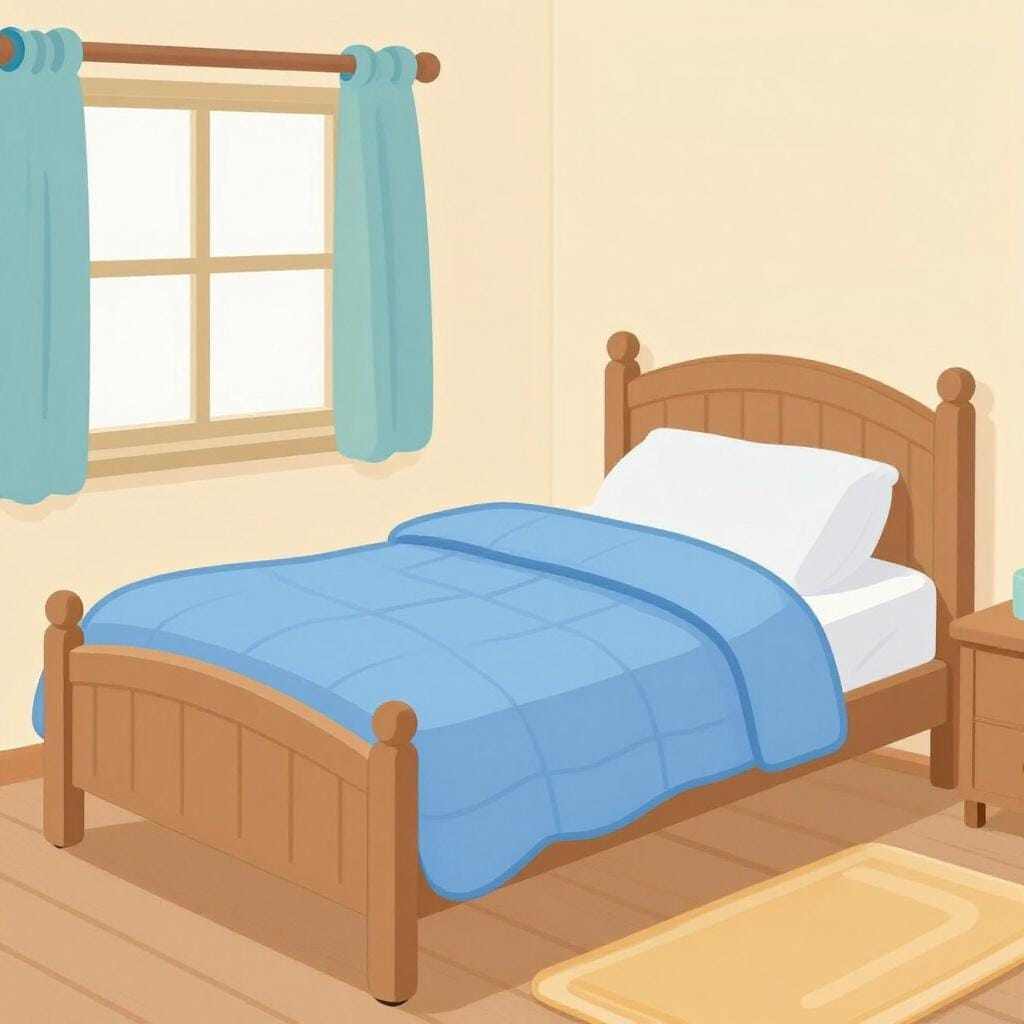
aposento
ah-poh-SEHN-toha.poˈsen.to
Examples
El caballero se retiró a su aposento para descansar.
The knight retired to his chamber to rest.
Los criados prepararon los aposentos reales antes de la llegada del rey.
The servants prepared the royal quarters before the king's arrival.
En los aposentos de la planta alta no se oye el ruido de la calle.
In the upper-floor rooms, you can't hear the noise from the street.
Masculine Noun Ending
Since it ends in -o, it follows the standard pattern of being a masculine word. Always use 'el' or 'un'.
Formal Usage
Think of this as a fancy version of 'habitación.' You wouldn't use it for your laundry room, but you might use it for a grand bedroom in a palace.
Using it for 'Apartment'
Mistake: “Vivo en un aposento pequeño.”
Correction: Vivo en un apartamento pequeño. 'Aposento' refers to a specific room or lodging, not an entire modern apartment unit.
dependencia
deh-pehn-DEN-syahdepenˈdenθja

Examples
Esta casa tiene varias dependencias para el servicio.
This house has several rooms/outbuildings for the staff.
Tiene que ir a una dependencia municipal para renovar el carnet.
You have to go to a municipal office to renew your ID card.
Limpiaron todas las dependencias del palacio.
They cleaned all the rooms and sections of the palace.
Often plural
When referring to parts of a building or house, we almost always use the plural form: 'las dependencias'.
Don't confuse with 'apartamento'
Mistake: “Vivo en una dependencia pequeña.”
Correction: Vivo en un apartamento pequeño.
margen
MAHR-henˈmaɾxen

Examples
No tenemos margen de tiempo para terminar el proyecto.
We don't have enough time (room of time) to finish the project.
El margen de error permitido es muy bajo.
The allowed margin of error is very low.
Dejaron un pequeño margen para negociar el precio final.
They left a small room (leeway) to negotiate the final price.
Using Prepositions
When talking about 'room for' something, Spanish usually uses the preposition 'de': 'margen de tiempo' (room of time) or 'margen de error' (room of error).
estancia
es-TAHN-syahesˈtanθja

Examples
El palacio tiene estancias decoradas con oro.
The palace has rooms decorated with gold.
celda
SELL-dahˈsel.da
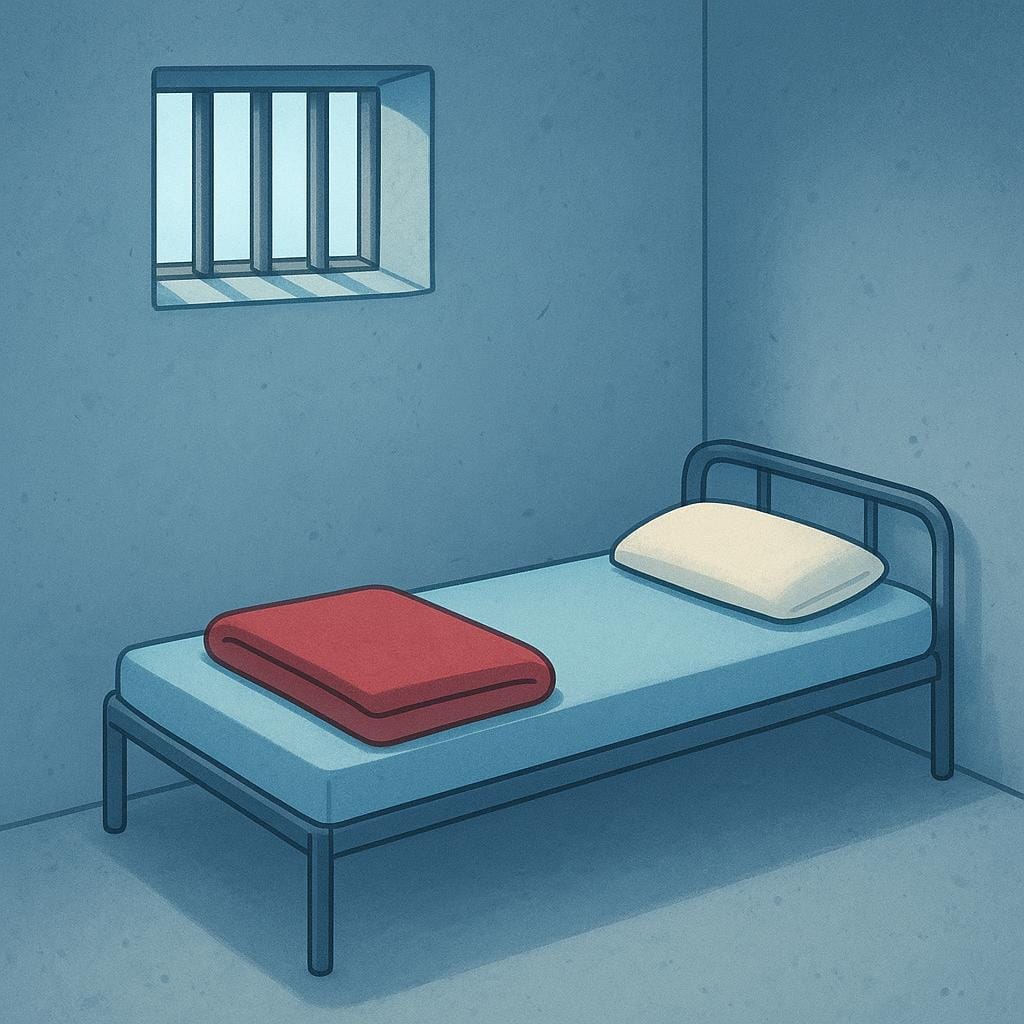
Examples
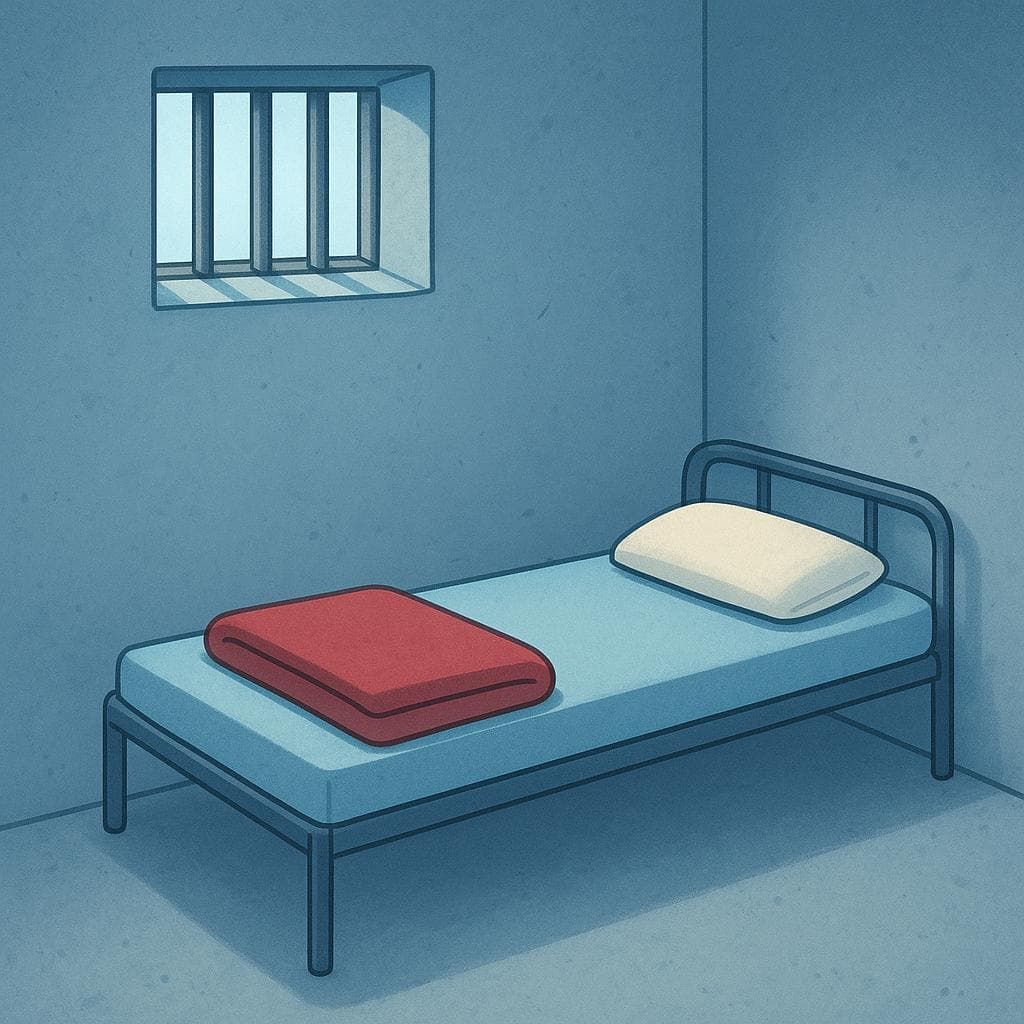
El ladrón fue encerrado en una celda de aislamiento.
The thief was locked in an isolation cell.
Cada monje tiene su propia celda pequeña para meditar.
Each monk has his own small cell for meditation.
Feminine Noun
Remember that 'celda' always takes feminine articles: 'la celda' (the cell) and 'una celda' (a cell).
General Rooms vs. Specific Contexts
Related Translations
Learn Spanish with Inklingo
Interactive stories, personalized learning, and more.