margen
“margen” means “margin” in Spanish. It has 3 different meanings depending on context:


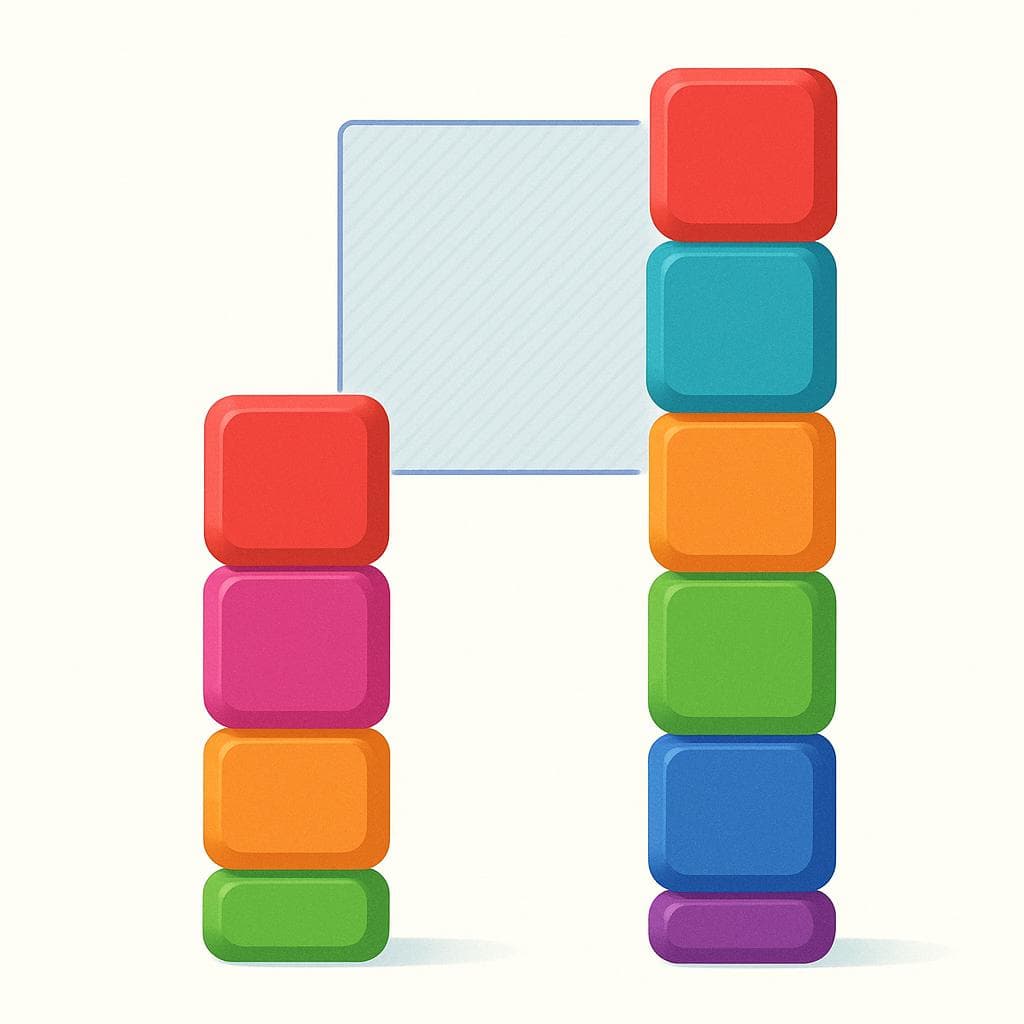
margin, bank
Also: verge, border
📝 In Action
Por favor, no escribas en el margen del examen.
A2Please, do not write in the margin of the exam.
Caminamos por el margen del río hasta encontrar un puente.
B1We walked along the bank of the river until we found a bridge.
El coche se detuvo en el margen de la carretera.
B1The car stopped on the side (verge) of the road.
room, leeway
Also: scope
📝 In Action
No tenemos margen de tiempo para terminar el proyecto.
B2We don't have enough time (room of time) to finish the project.
El margen de error permitido es muy bajo.
B2The allowed margin of error is very low.
Dejaron un pequeño margen para negociar el precio final.
C1They left a small room (leeway) to negotiate the final price.
margin, profit margin
Also: spread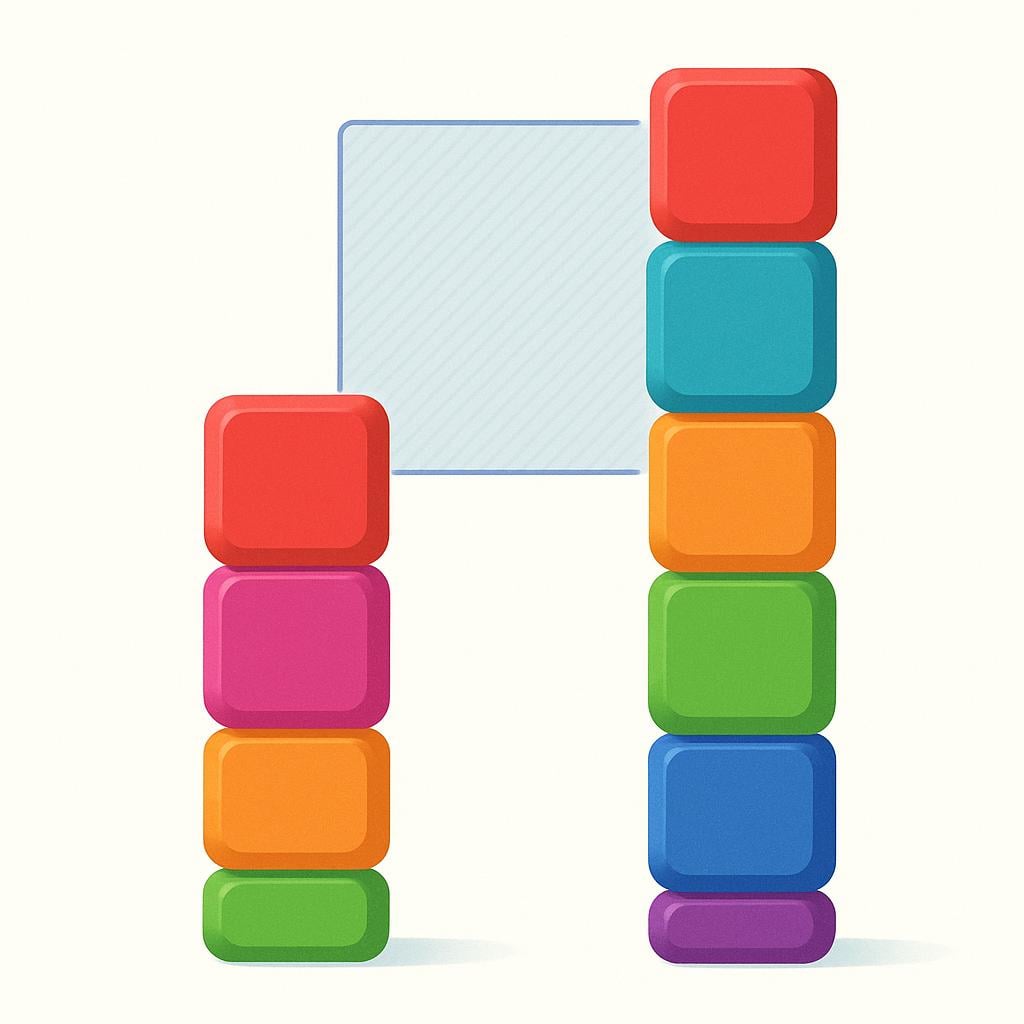
📝 In Action
La compañía debe aumentar su margen de beneficio para ser sostenible.
C1The company must increase its profit margin to be sustainable.
El margen bruto de la venta fue del 15%.
C2The gross margin on the sale was 15%.
Translate to Spanish
✏️ Quick Practice
Quick Quiz: margen
Question 1 of 1
Which sentence uses 'margen' in the sense of 'room for flexibility'?
📚 More Resources
👥 Word Family▼
📚 Etymology▼
The word comes directly from the Latin word *margo*, which meant 'edge,' 'border,' or 'side.' This original meaning is still the most common use in Spanish today.
First recorded: 13th century (in Spanish)
Cognates (Related words)
💡 Master Spanish
Take your Spanish to the next level. Read 200+ illustrated and narrated Spanish stories tailored to your level with the Inklingo app!
Frequently Asked Questions
Is 'margen' masculine or feminine?
It is officially a masculine noun: 'el margen.' Although 'la margen' is sometimes used, especially for riverbanks, stick to 'el margen' for general use (page, edge, profit, room for error) to sound most natural and correct.