How to Say "addiction" in Spanish
The most common Spanish word for “addiction” is “adicción” — use 'adicción' when referring to a strong physical or psychological dependency on a substance or activity, like drugs, alcohol, or gambling.

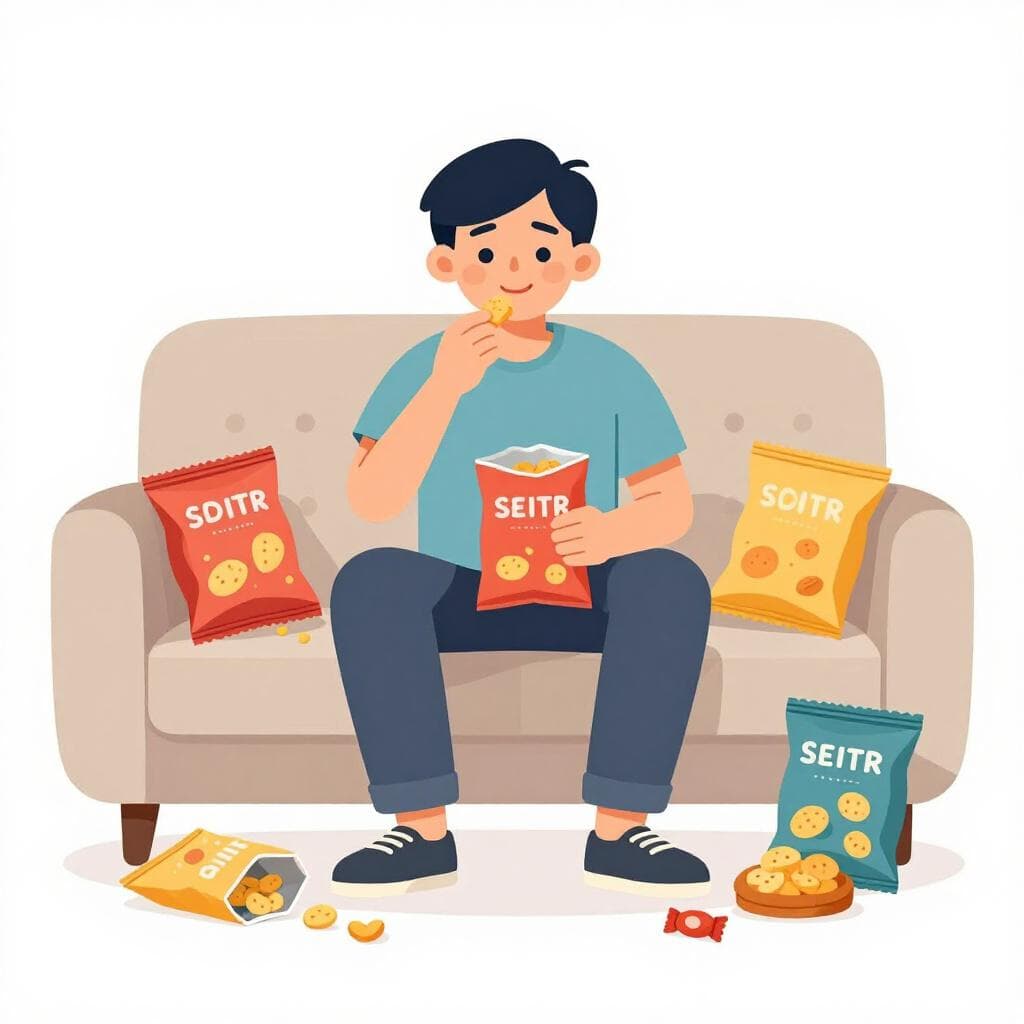
adicción
Examples
La adicción al azúcar es un problema muy común.
Sugar addiction is a very common problem.
dependencia
deh-pehn-DEN-syahdepenˈdenθja

Examples
Muchos países quieren reducir su dependencia del petróleo.
Many countries want to reduce their dependency on oil.
La dependencia emocional no es saludable en una pareja.
Emotional dependency is not healthy in a relationship.
El paciente sufre de una fuerte dependencia a la nicotina.
The patient suffers from a strong addiction to nicotine.
Using the right connector
In Spanish, we usually use the word 'de' (of/from) after 'dependencia' to show what someone relies on, whereas English uses 'on'.
Don't say 'en'
Mistake: “Su dependencia en el café.”
Correction: Su dependencia del café (de + el).
vicio
BEE-syohˈbisjo

Examples
Morderse las uñas es un mal vicio.
Biting your nails is a bad habit.
El juego se convirtió en un vicio para él.
Gambling became a vice for him.
No puedo dejar de ver esta serie, ¡es puro vicio!
I can't stop watching this series, it's so addictive!
Using 'vicio' with Verbs
When describing a specific habit, use 'vicio de' followed by a verb that ends in -ar, -er, or -ir (the infinitive), like 'el vicio de fumar'.
The Gender of Vicio
This word is masculine, so always use 'el' or 'un'. Even if the person with the habit is female, the word itself stays 'el vicio'.
Vicio vs. Culpa
Mistake: “Using 'vicio' to mean a mistake was your fault.”
Correction: Use 'culpa' for blame. 'Vicio' refers to the habit itself, not the responsibility for an error.
Adicción vs. Vicio vs. Dependencia
Related Translations
Learn Spanish with Inklingo
Interactive stories, personalized learning, and more.