How to Say "defect" in Spanish
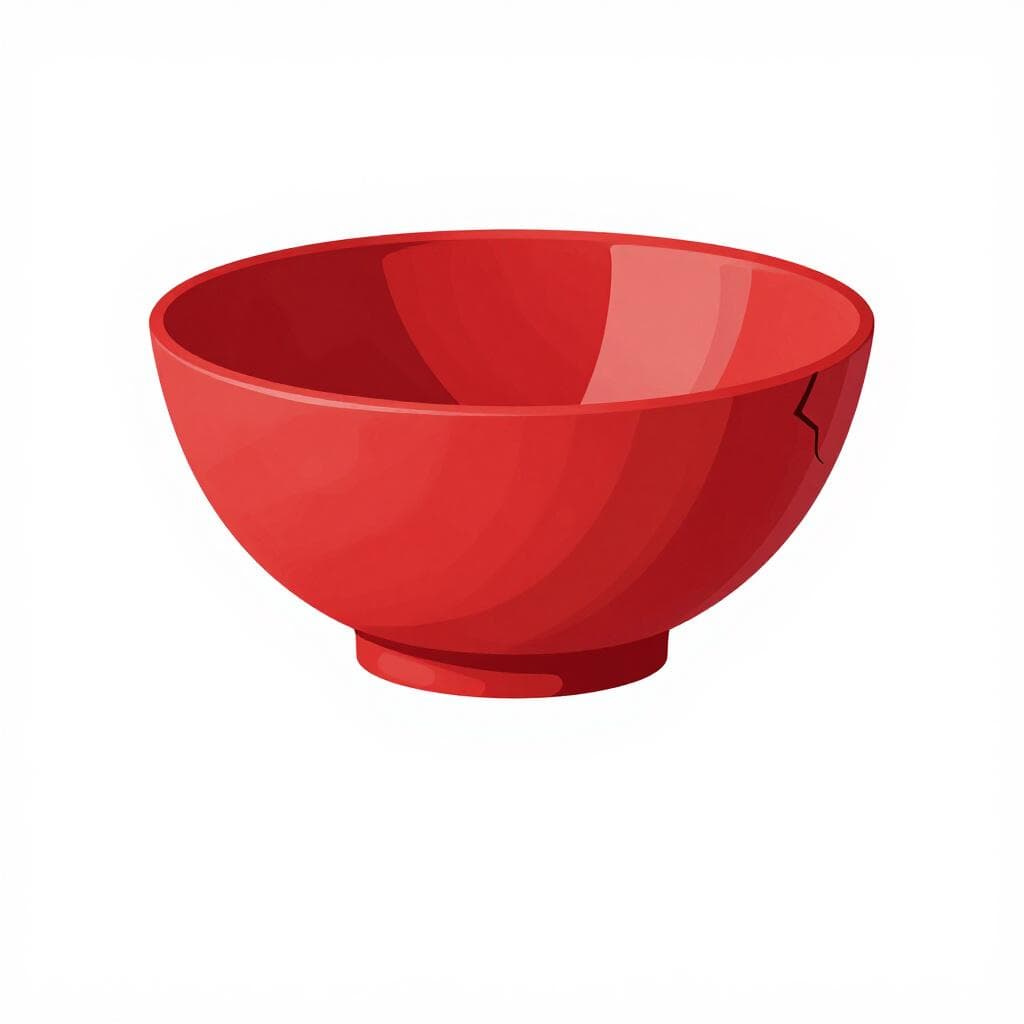
The most common Spanish word for “defect” is “defecto” — use 'defecto' for a general imperfection or flaw, often a physical blemish on an item, or a shortcoming in a person.



defecto
de-FEK-tohdeˈfektο
Examples
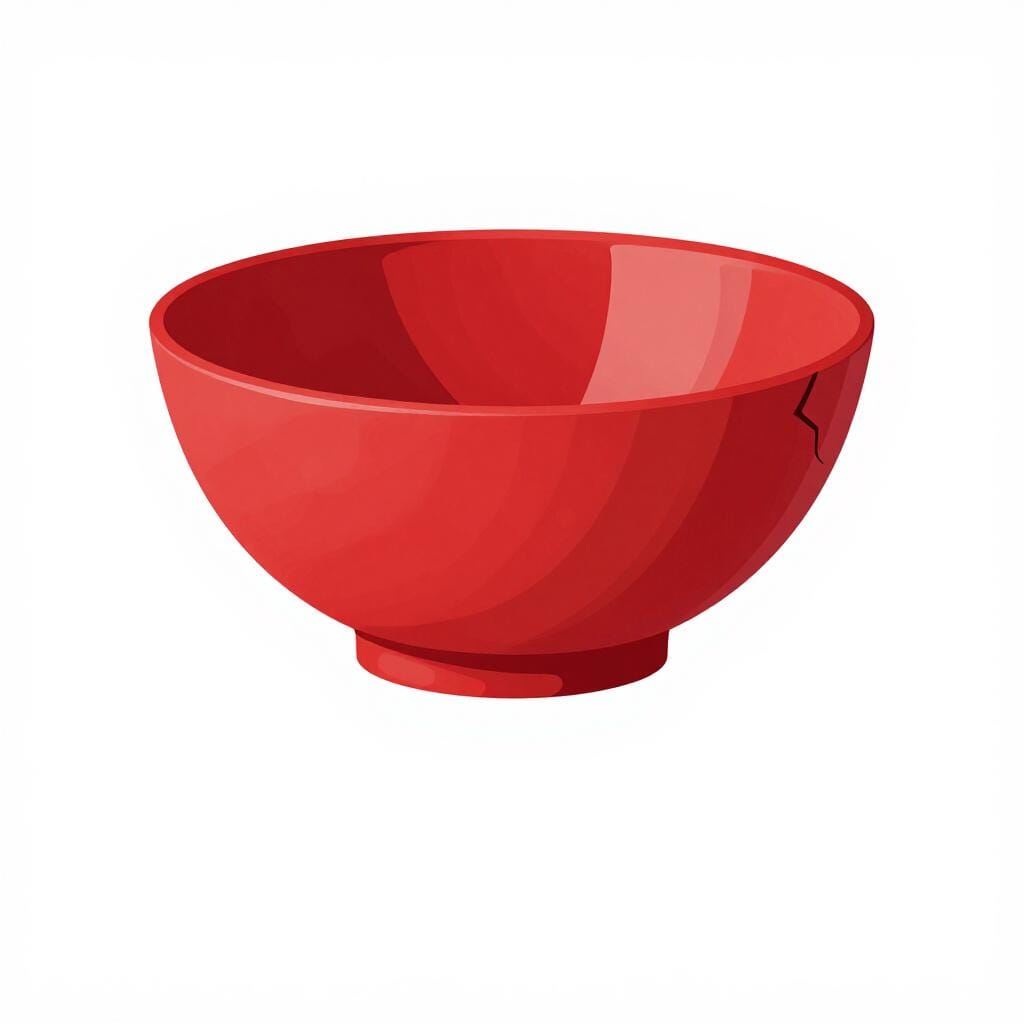
Esta camisa tiene un pequeño defecto en la manga.
This shirt has a small defect in the sleeve.
Nadie es perfecto, todos tenemos nuestros defectos.
No one is perfect; we all have our flaws.
El coche tiene un defecto de fábrica.
The car has a factory defect.
Gender of 'defecto'
This word is masculine. Even when talking about a flaw in a woman or a feminine object, you always use 'el defecto' or 'un defecto'.
Fault vs. Defecto
Mistake: “Using 'defecto' to mean 'whose fault is it?'”
Correction: Use 'culpa' for responsibility. 'Defecto' is only for flaws or physical errors.
fallo
fá-yoˈfa.ʎo

Examples
Hubo un fallo en el motor y tuvimos que parar.
There was a failure in the engine and we had to stop.
Este fallo de diseño es peligroso.
This design defect is dangerous.
Admitió su fallo y pidió disculpas.
He admitted his mistake and apologized.
Using 'Fallo' vs. 'Error'
'Fallo' often implies a mechanical or procedural malfunction, or a severe misjudgment. 'Error' is more general for minor mistakes.
Confusing Noun and Verb
Mistake: “Using 'fallo' (noun) when you mean the action of failing ('fallar').”
Correction: Remember 'fallo' is the thing (the mistake), 'fallar' is the action (to fail).
tara
TAH-rahˈtaɾa
Examples
El coche fue devuelto por una tara de fábrica en el motor.
The car was returned due to a factory defect in the engine.
No es mala persona, pero tiene una tara emocional que le impide confiar.
He's not a bad person, but he has an emotional flaw (or hang-up) that prevents him from trusting.
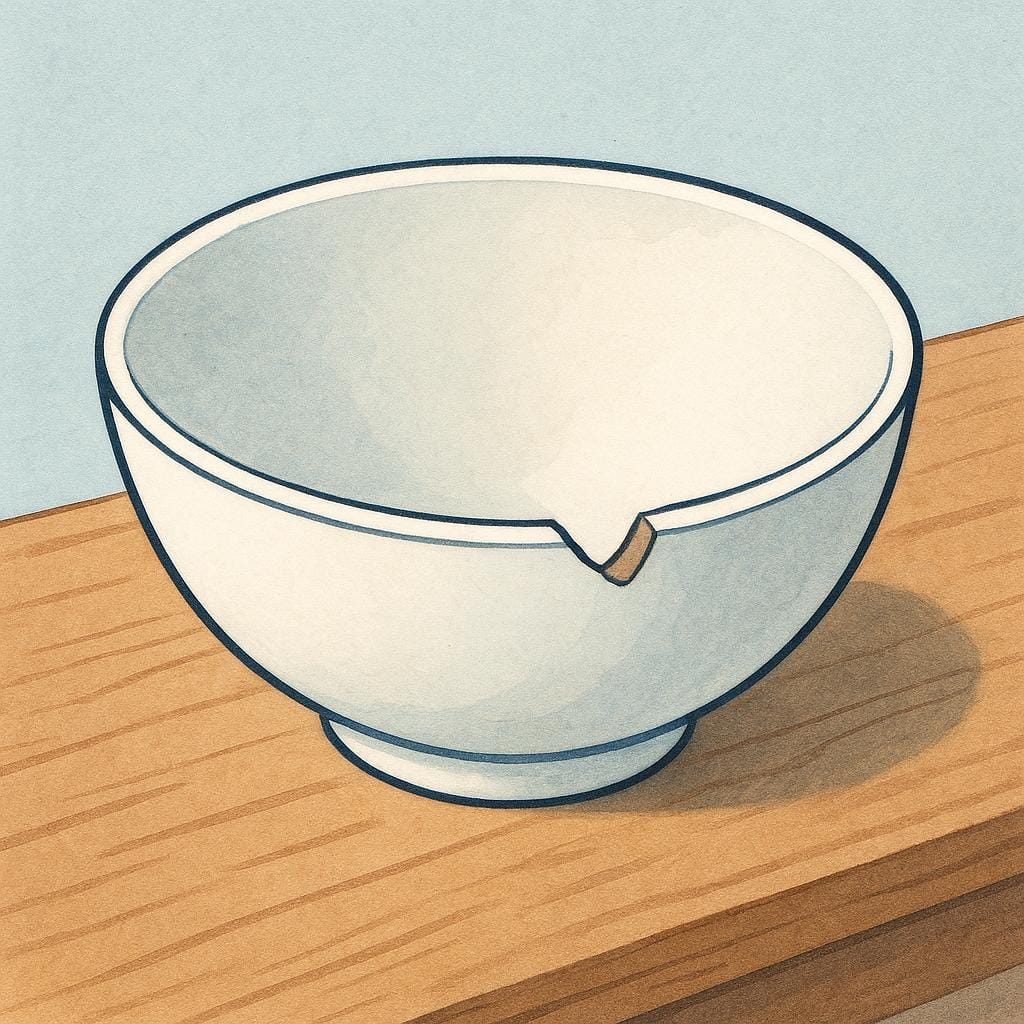
Revisaron la fruta en busca de cualquier tara antes de empacarla.
They checked the fruit for any blemishes before packing it.
Gender Check
Remember that 'tara' is a feminine noun, so you always use 'la tara' or 'una tara', even though it ends in '-a' like many feminine nouns.
Confusing with 'tarro'
Mistake: “Using 'tarro' (jar/can) when you mean 'tara' (defect).”
Correction: They sound similar but have completely different meanings. Remember 'tara' relates to imperfection.
vicio
BEE-syohˈbisjo

Examples
La casa tiene un vicio de construcción en los cimientos.
The house has a construction defect in the foundations.
El contrato fue anulado por un vicio de forma.
The contract was cancelled due to a formal defect.
Detectamos un vicio en el sistema de frenado.
We detected a flaw in the braking system.
Technical Usage
In technical contexts, 'vicio' usually refers to an inherent flaw that wasn't immediately visible.
Misunderstanding 'Vicio Oculto'
Mistake: “Thinking it refers to a hidden bad habit.”
Correction: In business or law, a 'vicio oculto' is a hidden flaw in something you bought, like a car with a broken engine that looked fine.
Defecto vs. Fallo vs. Tara
Related Translations
Learn Spanish with Inklingo
Interactive stories, personalized learning, and more.