aposento
“aposento” means “room” in Spanish. It has 2 different meanings depending on context:


room, chamber
Also: lodging, quarters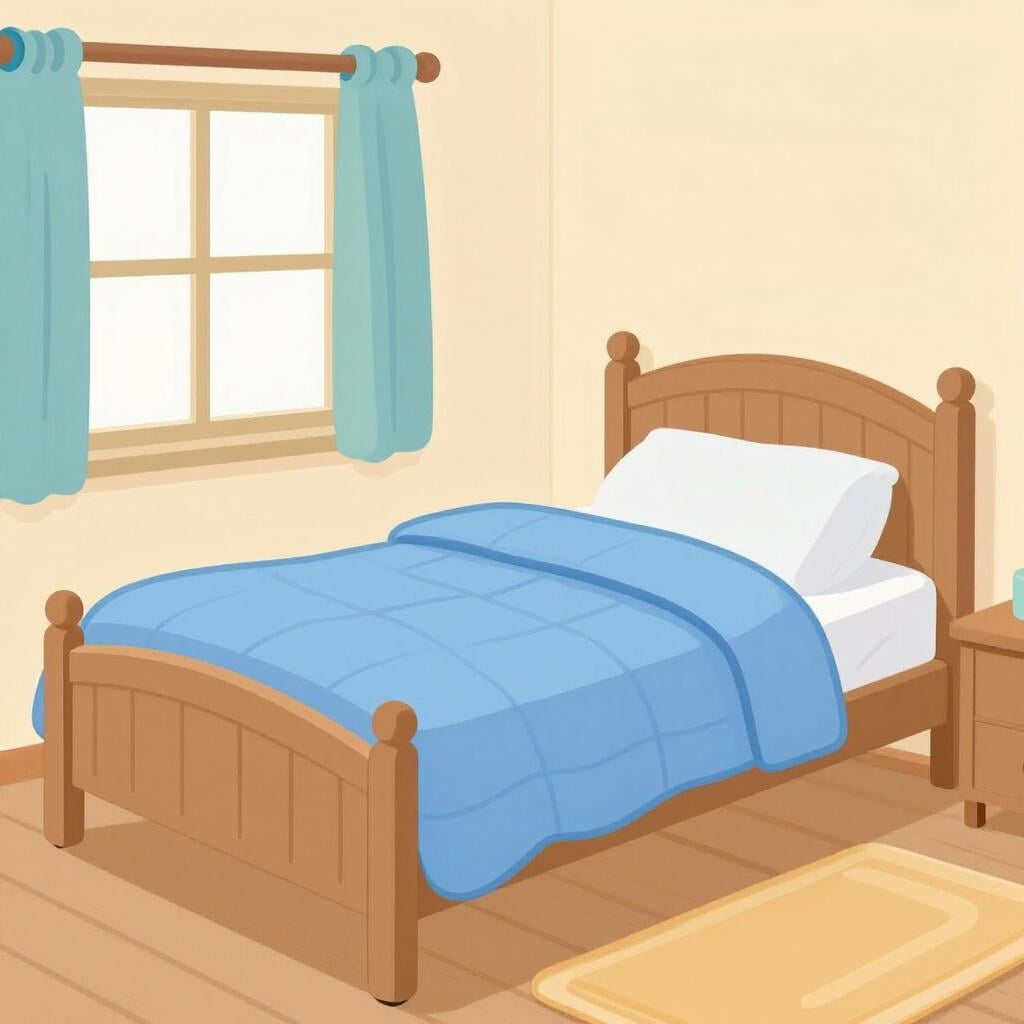
📝 In Action
El caballero se retiró a su aposento para descansar.
B2The knight retired to his chamber to rest.
Los criados prepararon los aposentos reales antes de la llegada del rey.
C1The servants prepared the royal quarters before the king's arrival.
En los aposentos de la planta alta no se oye el ruido de la calle.
B2In the upper-floor rooms, you can't hear the noise from the street.
I lodge
Also: I quarter
📝 In Action
Yo aposento a los viajeros que pasan por mi posada.
C1I lodge the travelers who pass by my inn.
Siempre me aposento en el mismo hotel cuando visito Madrid.
C1I always stay (lodge myself) in the same hotel when I visit Madrid.
Yo aposento a mis invitados en la habitación de visitas.
C1I set up my guests in the guest room.
Subjunctive
Imperfect Subjunctive
Present Subjunctive
Indicative
Preterite
Imperfect
Present
Translate to Spanish
✏️ Quick Practice
Quick Quiz: aposento
Question 1 of 3
Which of these is the most common modern synonym for 'aposento'?
📚 More Resources
👥 Word Family▼
📚 Etymology▼
From the Spanish verb 'aposentar', which comes from 'posar' (to rest/pause), ultimately derived from the Latin 'pausare'.
First recorded: 13th century
Cognates (Related words)
💡 Master Spanish
Take your Spanish to the next level. Read 200+ illustrated and narrated Spanish stories tailored to your level with the Inklingo app!
Frequently Asked Questions
Is 'aposento' a common word in daily conversation?
No. You will almost never hear a Spanish speaker use 'aposento' to talk about their bedroom in a casual chat. They will use 'cuarto', 'habitación', or 'recámara'.
What is the difference between 'aposento' and 'habitación'?
It is mostly a matter of tone (register). 'Habitación' is neutral and used by everyone. 'Aposento' is formal, literary, and often implies a sense of grandeur or historical context.
Is it 'el aposento' or 'la aposento'?
It is 'el aposento' (masculine). Even though it is formal, it follows the standard rule for words ending in -o.