How to Say "lodging" in Spanish
The most common Spanish word for “lodging” is “alojamiento” — use 'alojamiento' for general temporary housing or accommodation, especially when referring to the cost or type of place to stay during a trip.



alojamiento
ah-lo-ha-MYEN-tohaloxaˈmjento

Examples
El precio del viaje ya incluye el alojamiento.
The trip price already includes the accommodation.
Estamos buscando un alojamiento barato cerca del centro.
We are looking for cheap lodging near the center.
Hay muchas opciones de alojamiento en esta ciudad, desde hostales hasta hoteles de lujo.
There are many housing options in this city, from hostels to luxury hotels.
Using 'el' and 'un'
This is a masculine word. Always use 'el' (the) or 'un' (a) when talking about it.
Don't use 'Acomodación'
Mistake: “Using 'acomodación' when booking a hotel.”
Correction: Use 'alojamiento'. While 'acomodación' sounds like the English 'accommodation,' in Spanish it usually refers to arranging things or eyes adjusting to light, not a place to sleep.
posada
po-SAH-dahpoˈsaða

Examples
Buscamos una posada para pasar la noche.
We are looking for an inn to spend the night.
La posada del pueblo es muy acogedora.
The town's guesthouse is very cozy.
Always Feminine
This word is always feminine, so use 'la' or 'una' before it.
Posada vs. Hotel
Mistake: “Using 'posada' for a large, modern building.”
Correction: Use 'hotel' for modern places and 'posada' for smaller, traditional, or rustic places.
aposento
ah-poh-SEHN-toha.poˈsen.to
Examples
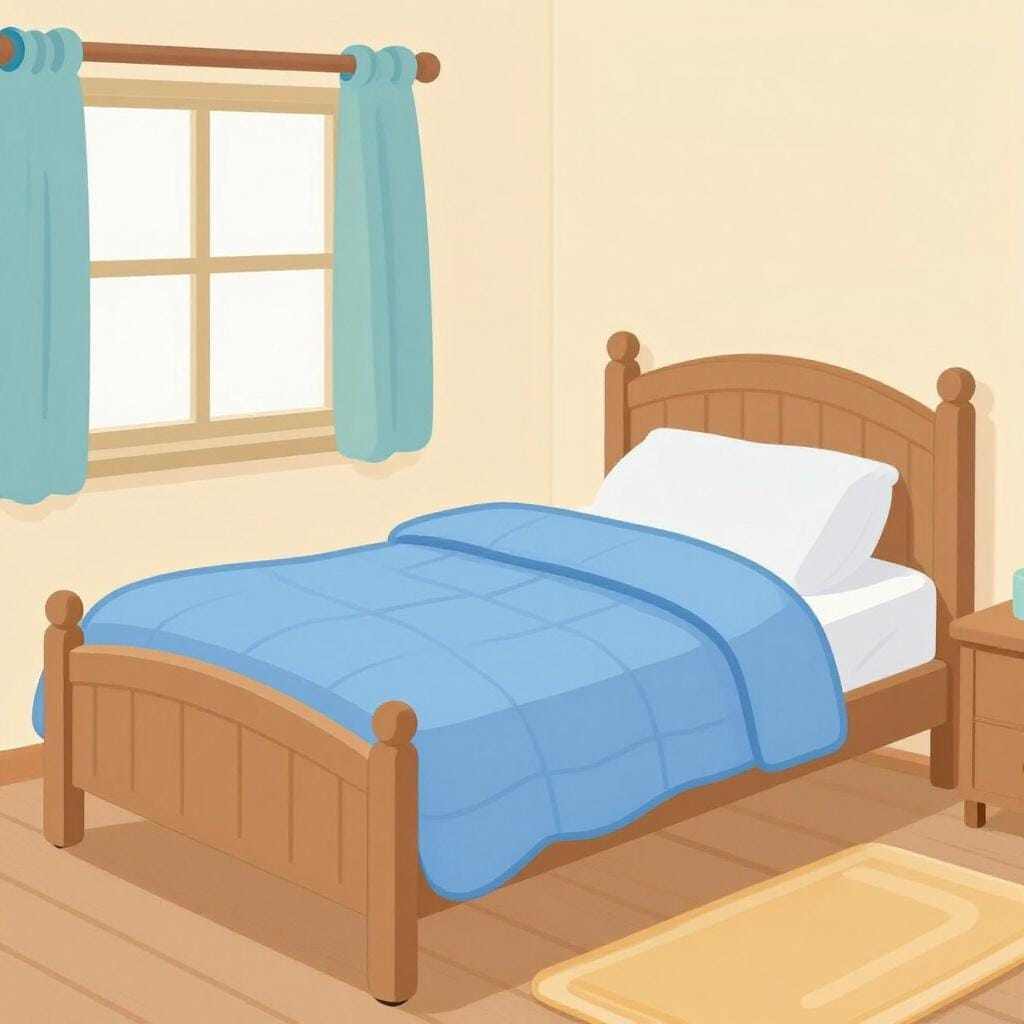
El caballero se retiró a su aposento para descansar.
The knight retired to his chamber to rest.
Los criados prepararon los aposentos reales antes de la llegada del rey.
The servants prepared the royal quarters before the king's arrival.
En los aposentos de la planta alta no se oye el ruido de la calle.
In the upper-floor rooms, you can't hear the noise from the street.
Masculine Noun Ending
Since it ends in -o, it follows the standard pattern of being a masculine word. Always use 'el' or 'un'.
Formal Usage
Think of this as a fancy version of 'habitación.' You wouldn't use it for your laundry room, but you might use it for a grand bedroom in a palace.
Using it for 'Apartment'
Mistake: “Vivo en un aposento pequeño.”
Correction: Vivo en un apartamento pequeño. 'Aposento' refers to a specific room or lodging, not an entire modern apartment unit.
General vs. Specific Accommodation
Related Translations
Learn Spanish with Inklingo
Interactive stories, personalized learning, and more.