siento
“siento” means “I'm sorry” in Spanish. It has 2 different meanings depending on context:


I'm sorry, I feelAlso: I regret, I sense

📝 In Action
Lo siento, no puedo ir a la fiesta.
A1I'm sorry, I can't go to the party.
Siento mucho frío, ¿puedes cerrar la ventana?
A1I feel very cold, can you close the window?
Hoy me siento muy feliz.
A2Today I feel very happy.
Siento que esta es la decisión correcta.
B1I feel that this is the right decision.
Word Connections
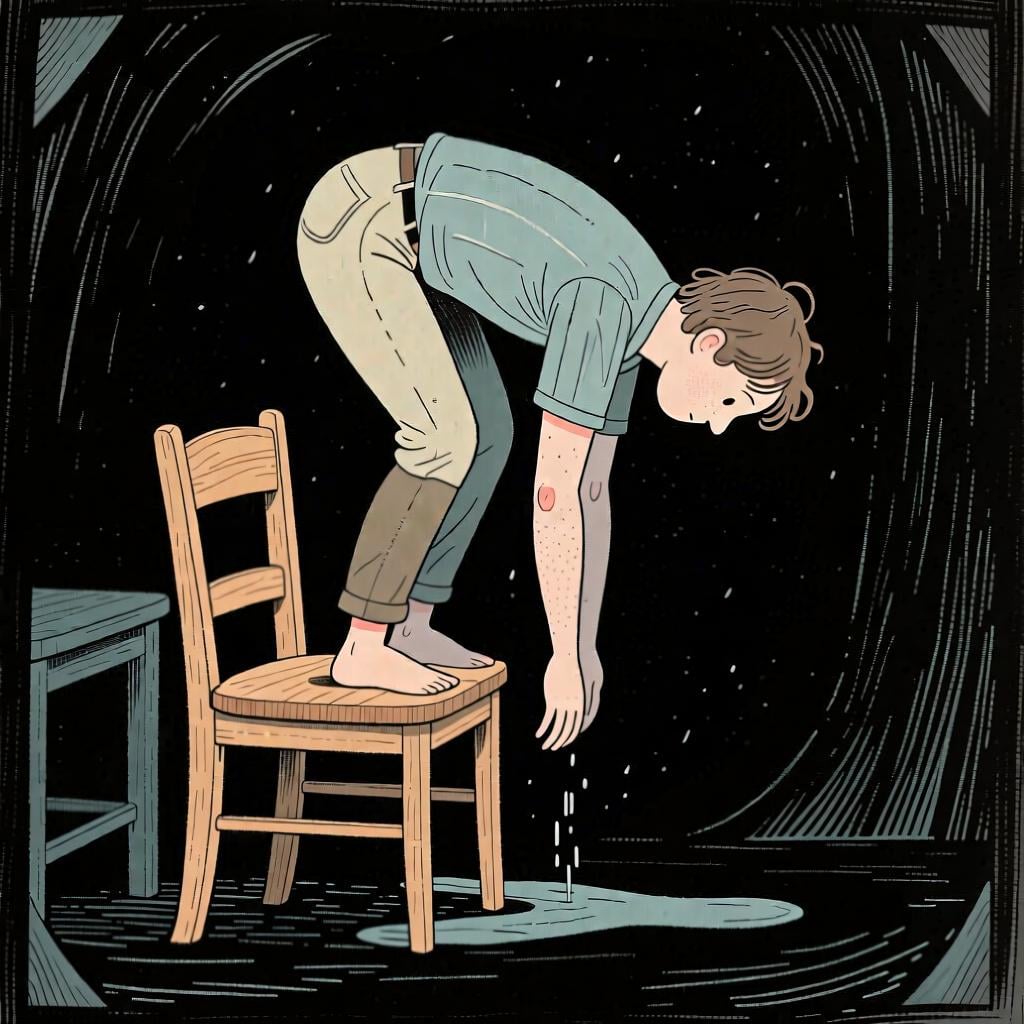
I sit downAlso: I seat, it sits/suits me
📝 In Action
Me siento aquí, al lado de la ventana.
A2I'll sit here, next to the window.
Cada mañana, me siento a la mesa para desayunar.
A2Every morning, I sit at the table to have breakfast.
Siento al niño en su sillita para el coche.
B1I seat the child in his car seat.
Word Connections
Indicative
Present
Imperfect
Preterite
Subjunctive
Present Subjunctive
Imperfect Subjunctive
Translate to Spanish
✏️ Quick Practice
Quick Quiz: siento
Question 1 of 2
Which sentence means 'I sit on the blue chair'?
📚 More Resources
👥 Word Family
📚 Etymology
'Siento' comes from two different Latin words. The meaning 'I feel' is from `sentīre`, which meant 'to feel' or 'to perceive'. The meaning 'I sit' comes from a later Latin word, `sedentāre`, which meant 'to be seated,' related to `sedēre`, 'to sit'. Even though they sound the same now, they started as completely separate ideas.
First recorded: Before the 12th century
Cognates (Related words)
💡 Master Spanish
Take your Spanish to the next level. Read 200+ illustrated and narrated Spanish stories tailored to your level with the Inklingo app!
Frequently Asked Questions
What's the difference between 'siento', 'me siento', and 'lo siento'?
It's simple! 'Lo siento' means 'I'm sorry.' 'Me siento' means 'I sit down.' And 'siento' by itself means 'I feel' something, like 'Siento frío' (I feel cold).
Why do 'sentir' and 'sentar' both become 'siento'?
It's just a coincidence of Spanish evolution! They come from different Latin words but ended up with the same spelling for the 'I' form. The context, and especially the little word 'me' for sitting, helps you tell them apart.