How to Say "enclosure" in Spanish
The most common Spanish word for “enclosure” is “anexo” — use 'anexo' when referring to a document, file, or other item that is attached to or included with a main communication, like an email or letter.


anexo
ah-NEK-soaˈnekso

Examples
Te envío el contrato en un anexo.
I am sending you the contract in an attachment.
La oficina está en el anexo del edificio principal.
The office is in the annex of the main building.
Consulta el anexo para ver la lista completa de datos.
Check the appendix to see the full list of data.
Always Masculine
When used as a naming word (noun) to mean an attachment or building, it is always 'el anexo' regardless of the object it's referring to.
Placement in Documents
Just like in English, an 'anexo' usually comes at the very end of a document or book.
Email Confusion
Mistake: “Te mando un adjunto (when referring specifically to the section name).”
Correction: While 'adjunto' is more common for the file itself, 'anexo' is used for the formal section or legal attachment.
recinto
reh-SEEN-tohreˈsinto
Examples
El recinto ferial es enorme y tiene muchos puestos de comida.
The fairgrounds are huge and have many food stalls.
Está prohibido fumar en todo el recinto hospitalario.
Smoking is prohibited throughout the hospital grounds.
El concierto se trasladó a un recinto cubierto por la lluvia.
The concert was moved to an indoor venue because of the rain.
Recinto is Masculine
Even though it doesn't refer to a person, it always uses masculine markers: 'el recinto' or 'un recinto'.
Using 'en' vs 'al'
Use 'en el recinto' to say you are inside it, and 'al recinto' when you are moving toward or entering it.
Recinto vs. Habitación
Mistake: “Using 'recinto' to describe a small bedroom.”
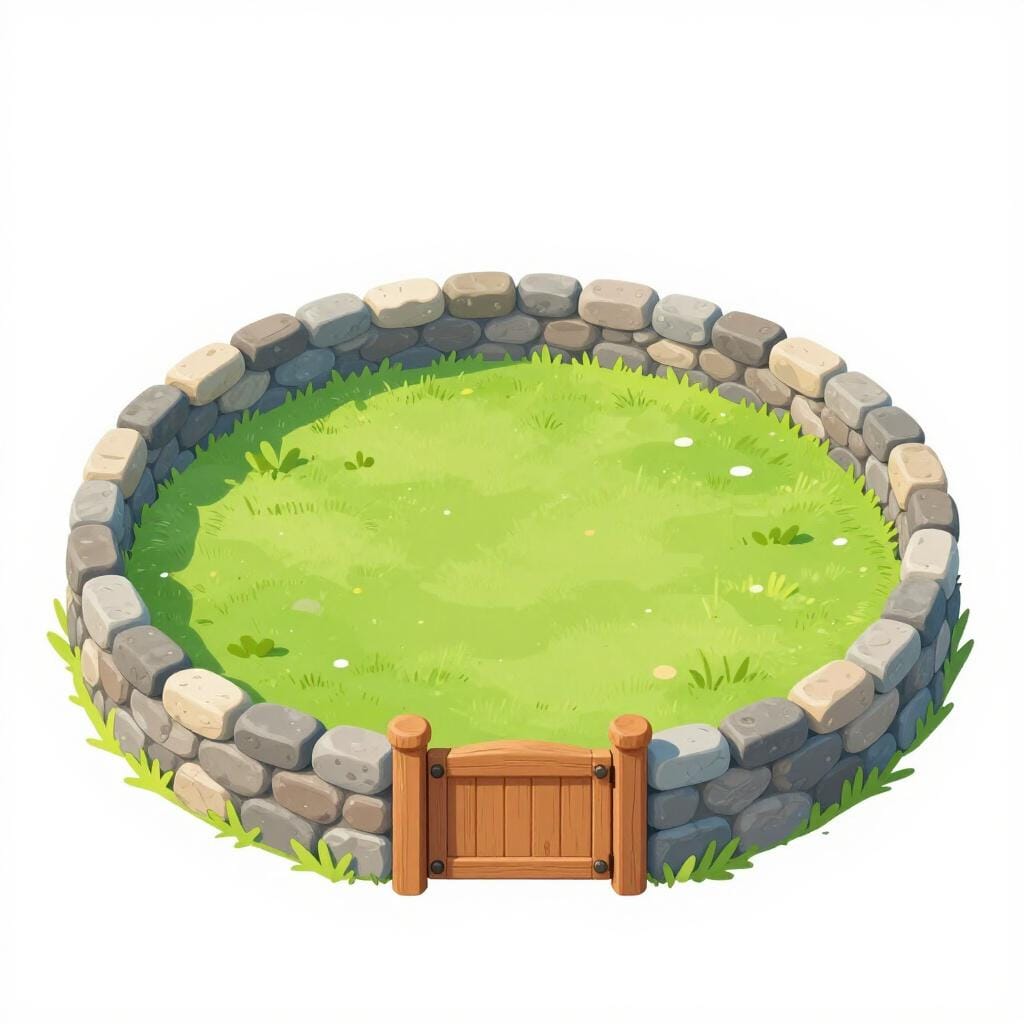
Correction: Use 'habitación' for rooms in a house. 'Recinto' implies a larger, usually gated or walled-off complex or venue.
False Friend Alert
Mistake: “Confusing 'recinto' with 'receta'.”
Correction: A 'receta' is a food recipe or a doctor's prescription. A 'recinto' is a physical place.
cerrada
seh-RRAH-dahseˈraða

Examples
Tuvimos que reducir la velocidad al llegar a la cerrada de la montaña.
We had to slow down when we reached the tight bend in the mountain road.
La casa estaba al final de una pequeña cerrada, lejos del pueblo.
The house was at the end of a small, secluded road/enclosure, far from the town.
Feminine Noun
When used as a noun, 'cerrada' is always feminine, requiring 'la' or 'una' before it.
cierro
SYEH-rrohˈsje.ro
Examples
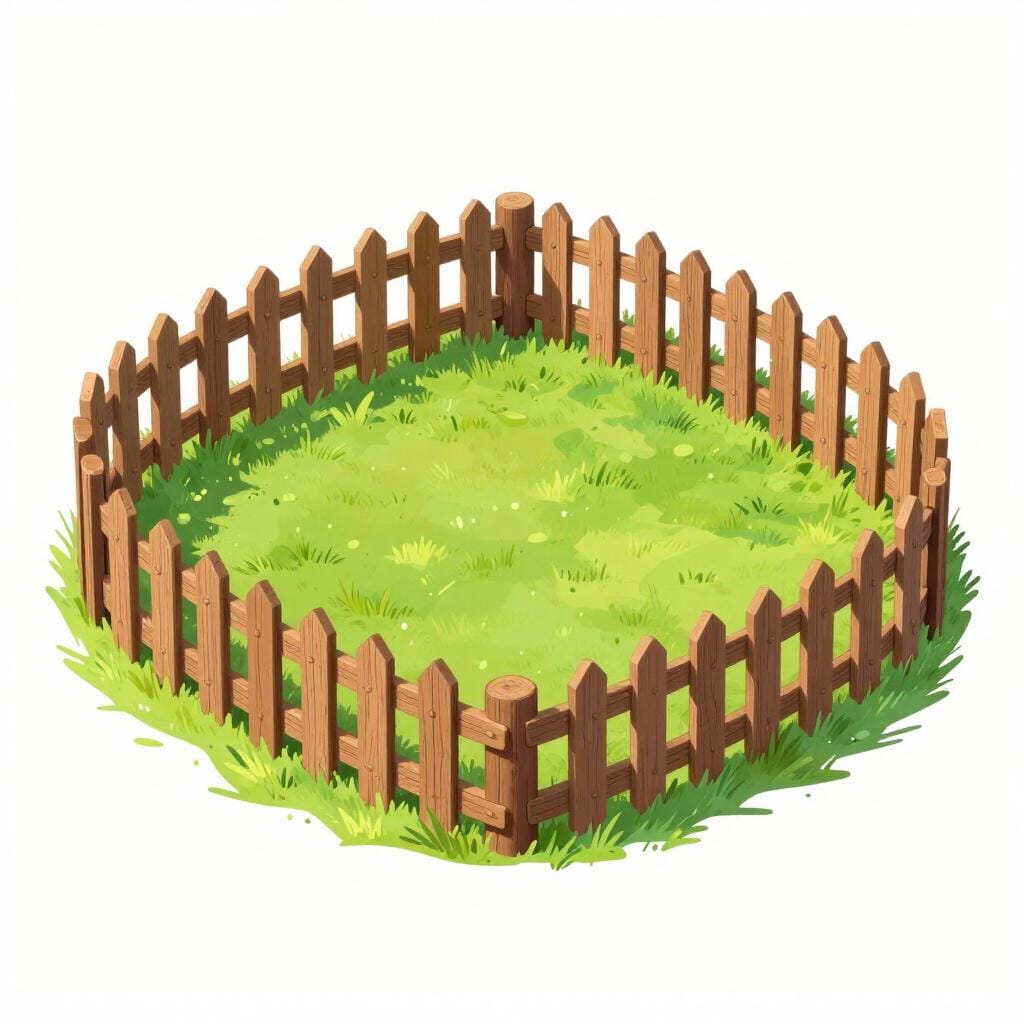
El cierro de la finca es de piedra antigua.
The enclosure of the estate is made of ancient stone.
clausura
klau-SOO-rahklau̯ˈsuɾa
Examples
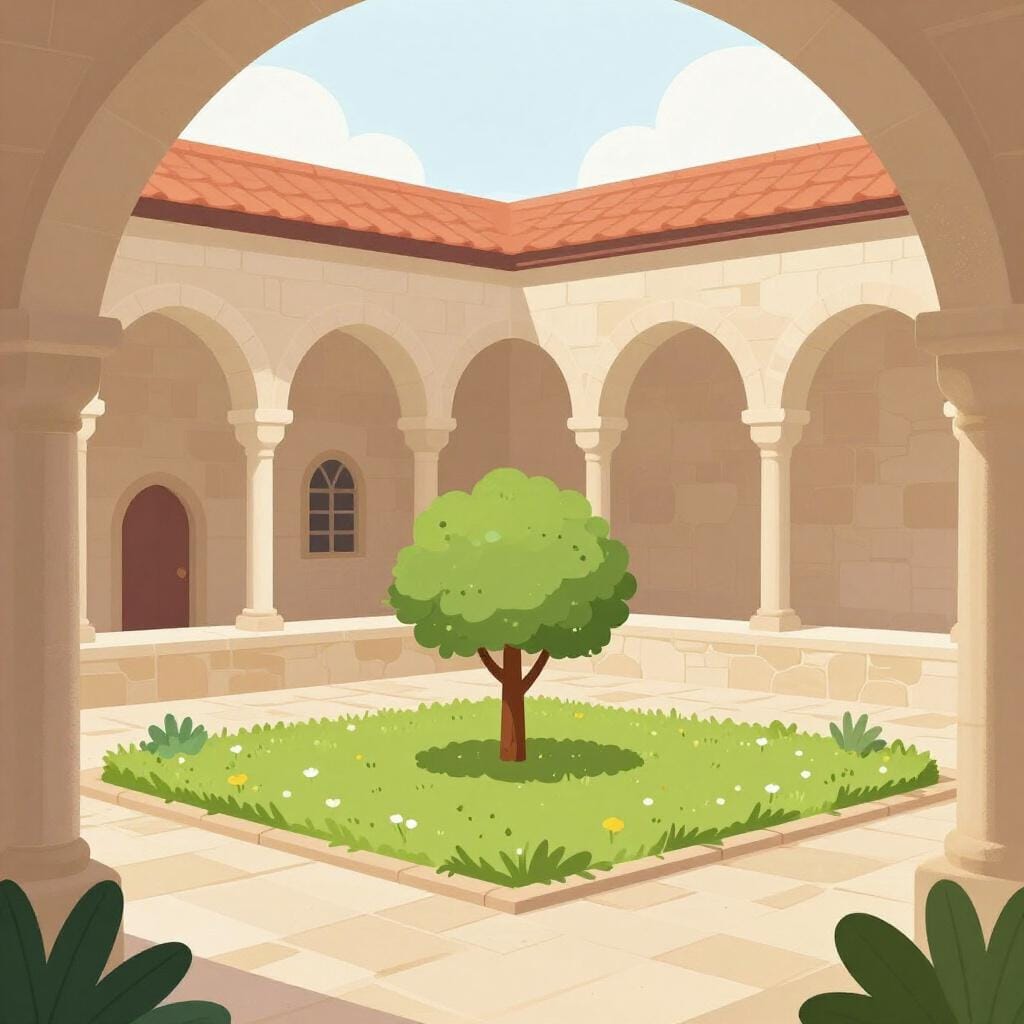
Es un convento de estricta clausura.
It is a convent of strict enclosure (cloister).
Las monjas han vivido en clausura durante treinta años.
The nuns have lived in seclusion for thirty years.
Romper el voto de clausura es algo muy serio en su orden.
Breaking the vow of seclusion is very serious in their order.
Preposition 'En'
When talking about religious life, we usually say someone lives 'en clausura' (in seclusion).
Physical vs. Digital Enclosures
Related Translations
Learn Spanish with Inklingo
Interactive stories, personalized learning, and more.