How to Say "attachment" in Spanish
The most common Spanish word for “attachment” is “adjunto” — use this when referring to a file, document, or image that is sent along with an email.


adjunto
ad-HOON-tohadˈxunto

Examples
No puedo abrir el adjunto.
I can't open the attachment.
El adjunto es demasiado grande para el correo.
The attachment is too big for the email.
Using it as a Thing
When used as a noun (the thing itself), it is almost always masculine ('el adjunto'), regardless of what is inside the file.
anexo
ah-NEK-soaˈnekso

Examples
Te envío el contrato en un anexo.
I am sending you the contract in an attachment.
La oficina está en el anexo del edificio principal.
The office is in the annex of the main building.
Consulta el anexo para ver la lista completa de datos.
Check the appendix to see the full list of data.
Always Masculine
When used as a naming word (noun) to mean an attachment or building, it is always 'el anexo' regardless of the object it's referring to.
Placement in Documents
Just like in English, an 'anexo' usually comes at the very end of a document or book.
Email Confusion
Mistake: “Te mando un adjunto (when referring specifically to the section name).”
Correction: While 'adjunto' is more common for the file itself, 'anexo' is used for the formal section or legal attachment.
accesorio
ahk-seh-SOH-ryohak.se.ˈso.ɾjo

Examples
Ella lleva muchos accesorios, como collares y pulseras.
She is wearing many accessories, like necklaces and bracelets.
El procesador de alimentos tiene un accesorio para picar hielo.
The food processor has an attachment for crushing ice.
Puedes comprar este accesorio por separado en la tienda.
You can buy this accessory separately at the store.
Always Masculine as a Noun
When talking about an item (like a watch or a belt), 'accesorio' is always masculine, even if the item itself is feminine.
Pluralization
To make it plural, just add an -s: 'accesorios'. It follows the standard rule for words ending in vowels.
Accesorias?
Mistake: “Me gustan estas accesorias.”
Correction: Me gustan estos accesorios. Even if you are referring to feminine items like earrings (arracadas), the word 'accesorio' stays masculine.
afecto
ah-FECK-tohaˈfekto
Examples
Ella siempre me muestra mucho afecto.
She always shows me a lot of affection.
El afecto entre hermanos es muy importante.
The affection between siblings is very important.
Les envío mi más sincero afecto a todos.
I send my sincerest fondness to everyone.
Gender Rule
Even though it ends in '-o', remember that 'afecto' is a masculine noun and requires masculine articles ('el afecto', 'un afecto').
Using the Feminine Form
Mistake: “La afecto es importante.”
Correction: El afecto es importante. (The noun is always masculine, regardless of who is feeling it.)
afección
Examples
Siente una profunda afección por los libros antiguos.
He feels a deep affection for old books.
fijación
Examples
La fijación de los precios depende del mercado.
The setting of prices depends on the market.
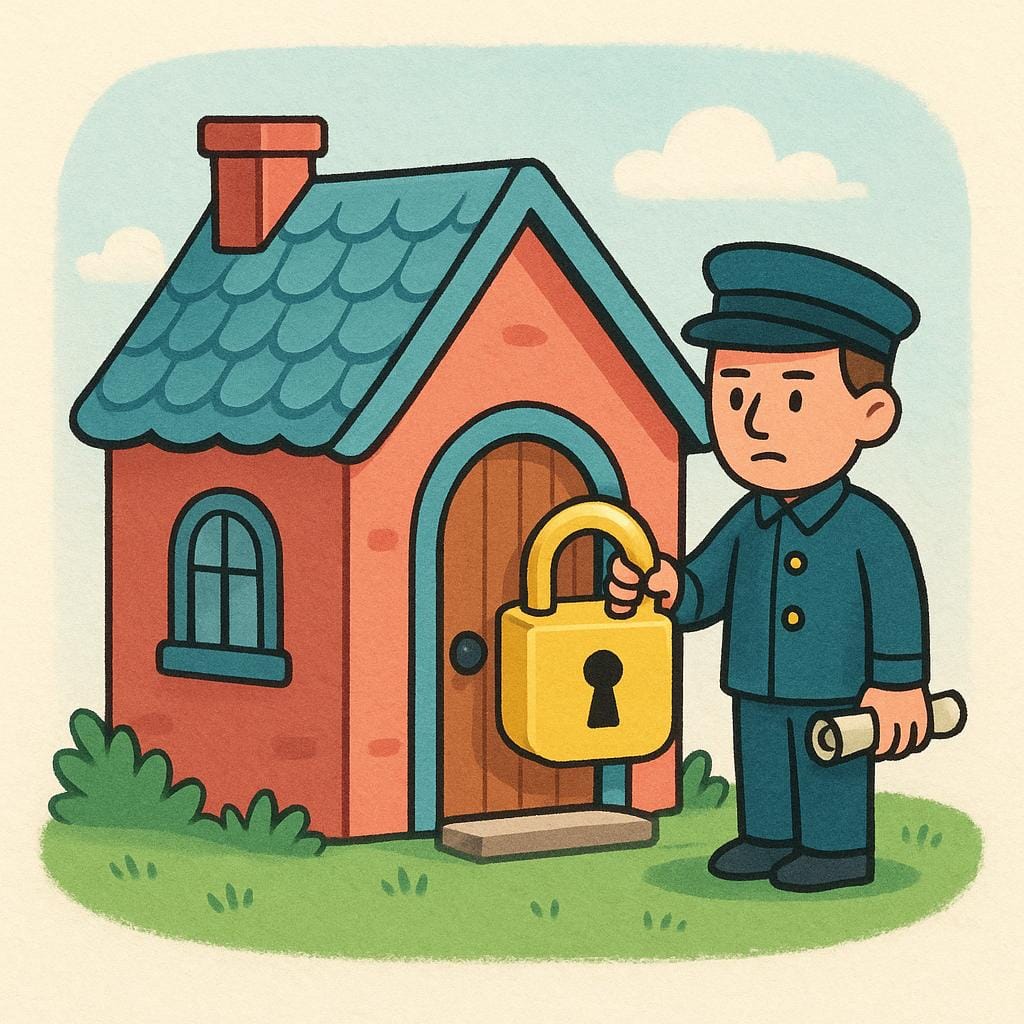
embargo
em-BAR-goemˈbaɾ.ɣo
Examples
El banco inició el proceso de embargo de su casa por falta de pago.
The bank began the foreclosure process on his house for non-payment.
Recibió una orden de embargo sobre su salario para pagar la deuda.
He received a wage garnishment order to pay the debt.
Email Attachments vs. Emotional Attachments
Related Translations
Learn Spanish with Inklingo
Interactive stories, personalized learning, and more.