How to Say "affection" in Spanish
The most common Spanish word for “affection” is “cariño” — use 'cariño' for a general feeling of fondness or warmth, often used for people or pets you feel a close, familiar connection with.


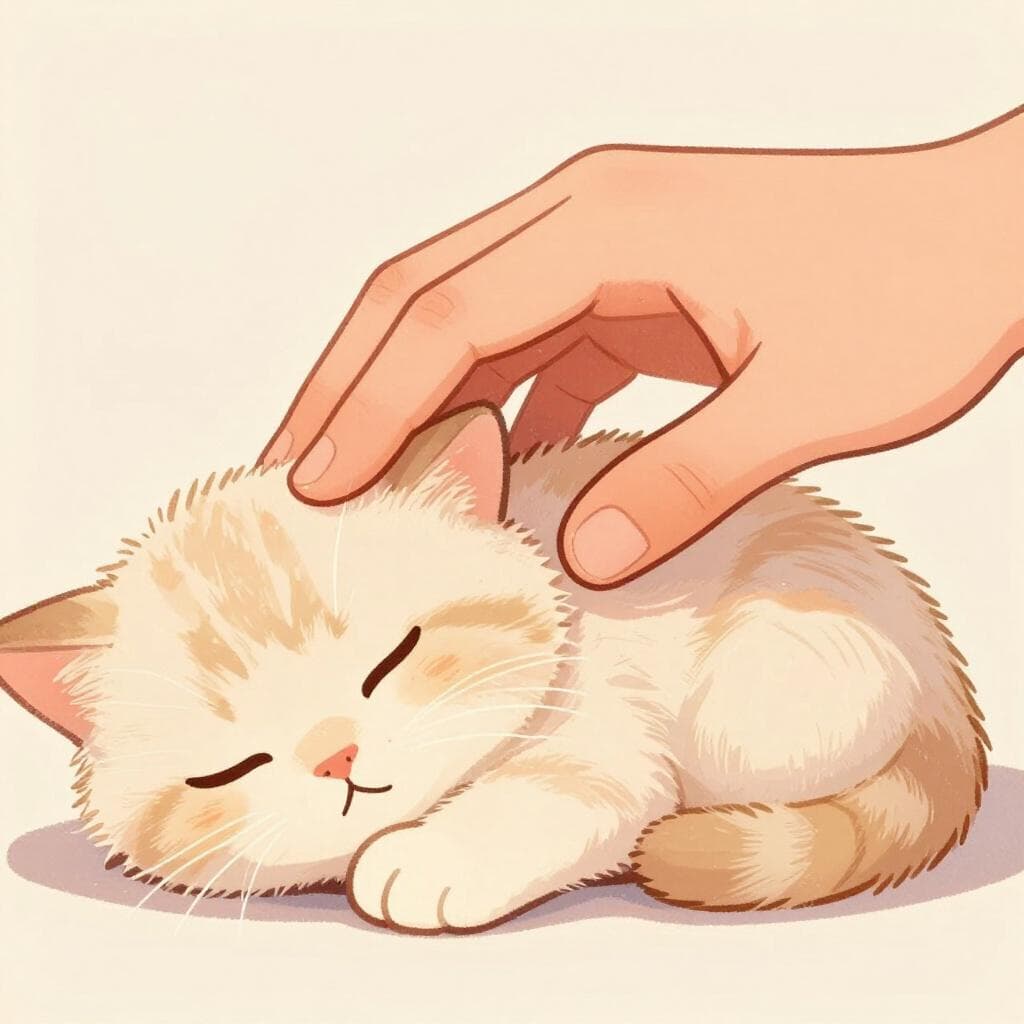
cariño
Examples
Le tengo mucho cariño a mi abuela.
I have a lot of affection for my grandmother.
afecto
ah-FECK-tohaˈfekto

Examples
Ella siempre me muestra mucho afecto.
She always shows me a lot of affection.
El afecto entre hermanos es muy importante.
The affection between siblings is very important.
Les envío mi más sincero afecto a todos.
I send my sincerest fondness to everyone.
Gender Rule
Even though it ends in '-o', remember that 'afecto' is a masculine noun and requires masculine articles ('el afecto', 'un afecto').
Using the Feminine Form
Mistake: “La afecto es importante.”
Correction: El afecto es importante. (The noun is always masculine, regardless of who is feeling it.)
amor
ah-moraˈmoɾ

Examples
El amor de una madre es incondicional.
A mother's love is unconditional.
Siento un gran amor por ti.
I feel a great love for you.
Tiene un amor increíble por la música clásica.
He has an incredible love for classical music.
Always Masculine: 'el amor'
Even when you're talking about love for a woman or something seen as feminine, the word 'amor' itself is always masculine. So, you'll always say 'el amor' (the love) or 'un amor' (a love).
Using 'amor' for Everyday 'Likes'
Mistake: “Tengo amor por la pizza.”
Correction: Me encanta la pizza. 'Amor' is a very strong word, usually saved for people, pets, or deep passions like art or music. For everyday things you enjoy, even a lot, it's more natural to use 'me gusta' (I like) or 'me encanta' (I love/adore).
ternura
ter-NOO-rahteɾˈnuɾa
Examples
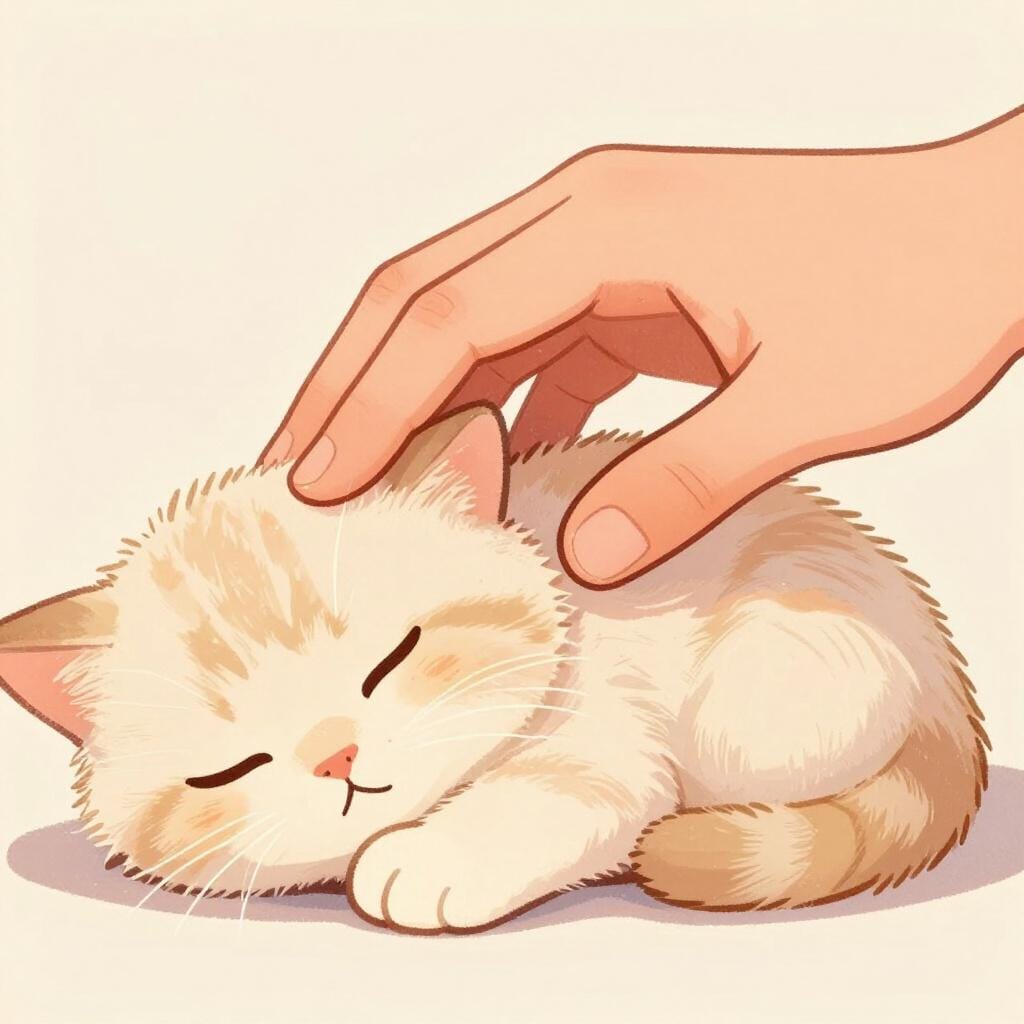
Siento mucha ternura cuando veo a mi perro dormir.
I feel a lot of tenderness when I see my dog sleeping.
Ella me miró con una ternura infinita.
She looked at me with infinite tenderness.
La ternura del filete era increíble.
The tenderness of the steak was incredible.
Using 'Dar' vs 'Sentir'
To say something is 'cute' or makes you feel tender, use the verb 'dar' (to give). For example: 'Ese gato me da ternura' (That cat gives me tenderness/makes me feel tender).
Abstract Nouns
Like many Spanish words ending in '-ura', this is an abstract noun. It describes a quality rather than a physical object you can hold.
Ternura vs. Tierno
Mistake: “Esa película es mucha ternura.”
Correction: Esa película tiene mucha ternura OR Esa película es muy tierna.
afección
Examples
Siente una profunda afección por los libros antiguos.
He feels a deep affection for old books.
Choosing Between 'Cariño', 'Afecto', and 'Amor'
Related Translations
Learn Spanish with Inklingo
Interactive stories, personalized learning, and more.