How to Say "darling" in Spanish
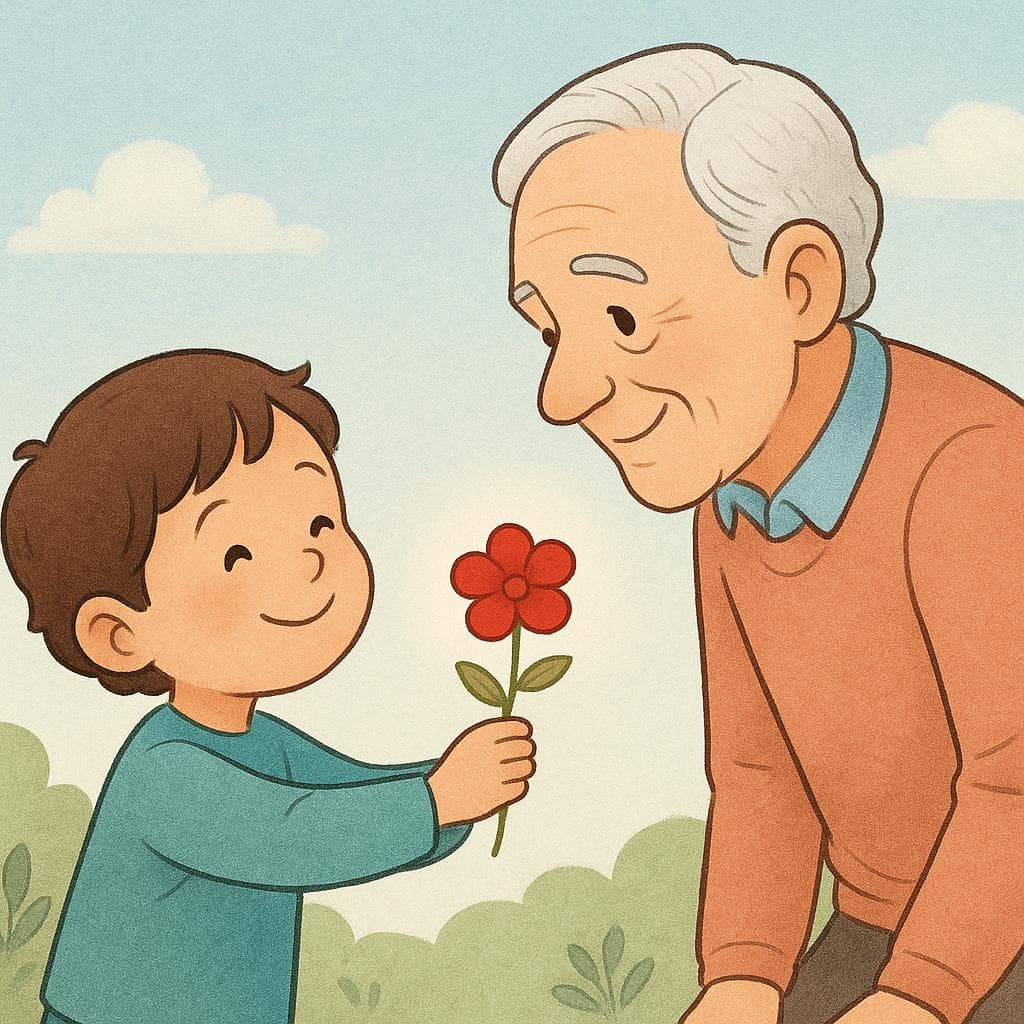
The most common Spanish word for “darling” is “cariño” — use this as a general, very common term of endearment, similar to 'honey' or 'sweetheart', for partners, children, or close friends. It's a safe and widely understood option.







cariño
Examples
Hola, cariño, ¿cómo estás?
Hi, darling, how are you?
tesoro
teh-SOH-rohteˈsoro

Examples
¡Hola, tesoro! ¿Cómo te fue en la escuela?
Hello, darling! How was school?
No te preocupes, mi tesoro, todo estará bien.
Don't worry, my sweetheart, everything will be fine.
Gender Consistency
Even when calling a girl or woman 'tesoro,' the word itself remains masculine: 'Tú eres mi tesoro.' (You are my treasure/darling).
Using the Feminine Form
Mistake: “Using *tesora* when referring to a woman.”
Correction: The word *tesoro* does not change gender when used as a term of endearment. Always use *tesoro* for both men and women.
querido
keh-REE-dohkeˈɾiðo

Examples
Querido papá: Te escribo para contarte mis noticias.
Dear Dad: I'm writing to tell you my news.
Es un profesor muy querido por todos sus alumnos.
He is a professor beloved by all his students.
Mis queridas amigas, ¡qué alegría verlas!
My dear friends, what a joy to see you!
Matching the Noun
Like many describing words in Spanish, 'querido' changes its ending to match the person or thing it's describing. Use 'querido' for masculine (querido amigo) and 'querida' for feminine (querida amiga). For groups, use 'queridos' or 'queridas'.
Word Order
When used to mean 'dear' out of affection, 'querido' usually comes before the person's name or title (e.g., 'mi querido Juan'). This placement adds an emotional touch.
Confusing with 'Caro'
Mistake: “'Mi caro amigo' to mean 'my dear friend'.”
Correction: Use 'Mi querido amigo'. While 'caro' can sometimes mean 'dear', it usually means 'expensive'. 'Querido' is the best choice for affection.
angelito
ahn-heh-LEE-tohaŋxeˈlito

Examples
El bebé duerme como un angelito.
The baby is sleeping like a little angel.
Mi abuela dice que mi hermano es un angelito.
My grandma says my brother is a little angel.
Pobre angelito, no sabía lo que estaba pasando.
Poor little thing, he didn't know what was happening.
The '-ito' ending
By adding '-ito' to the word 'ángel', you make it sound smaller and more affectionate. It's like adding 'little' or 'dear' in English.
Gender remains the same
Even though 'angelito' ends in 'o', it is almost always masculine. If you are specifically talking about a little girl, you can say 'angelita'.
Using it for adults seriously
Mistake: “Calling your boss 'angelito'.”
Correction: Only use this for children or very close loved ones, otherwise it sounds patronizing or sarcastic.
amado
ah-MAH-dohaˈmaðo

Examples
Este es mi libro más amado; lo he leído diez veces.
This is my most beloved book; I have read it ten times.
Mi amado esposo siempre me apoya.
My beloved husband always supports me.
Gender and Number Agreement
Like all Spanish adjectives, 'amado' must match the gender (masculine/feminine) and number (singular/plural) of the person or thing it describes: 'amada' (f), 'amados' (m. pl.), 'amadas' (f. pl.).
Forgetting Agreement
Mistake: “La ciudad es amado por sus habitantes.”
Correction: La ciudad es amada por sus habitantes. (Since 'ciudad' is feminine, 'amado' must become 'amada'.)
nena
NEH-nahˈnena

Examples
Hola, nena, ¿cómo estuvo tu día?
Hi, babe, how was your day?
Te quiero mucho, nena.
I love you so much, baby.
Nena, ¿quieres ir al cine esta noche?
Babe, do you want to go to the movies tonight?
preciosa
preh-SYOH-sahpɾeˈθjosa

Examples
Hola, mi preciosa. ¿Cómo te fue el día?
Hello, my darling. How was your day?
Gracias por la ayuda, preciosa.
Thank you for the help, sweetheart.
Using 'Mi'
When using 'preciosa' as a noun (sweetheart), it is often preceded by 'mi' (my) to make it sound more affectionate: 'mi preciosa'.
princesa
prin-SEH-sah[pɾinˈse.sa]

Examples
Hola, princesa. ¿Cómo te fue en la escuela?
Hello, darling. How did school go for you?
Tráele el juguete, no seas así. Es mi pequeña princesa.
Bring her the toy, don't be like that. She is my little princess (sweetheart).
No puedes esperar que todos te sirvan; ¡deja de actuar como una princesa!
You can't expect everyone to serve you; stop acting like a princess!
Contextual Affection
Mistake: “Using 'princesa' as a term of endearment for someone you don't know well.”
Correction: Only use this meaning with people you have a close, familiar relationship with (family, partners, close friends), as it can sound overly familiar or slightly sarcastic otherwise.
angel
AHN-helˈaŋxel
Examples
Mi hija es un ángel, nunca se queja.
My daughter is an angel; she never complains.
¡Gracias por la ayuda, eres un ángel!
Thank you for the help, you are an angel!
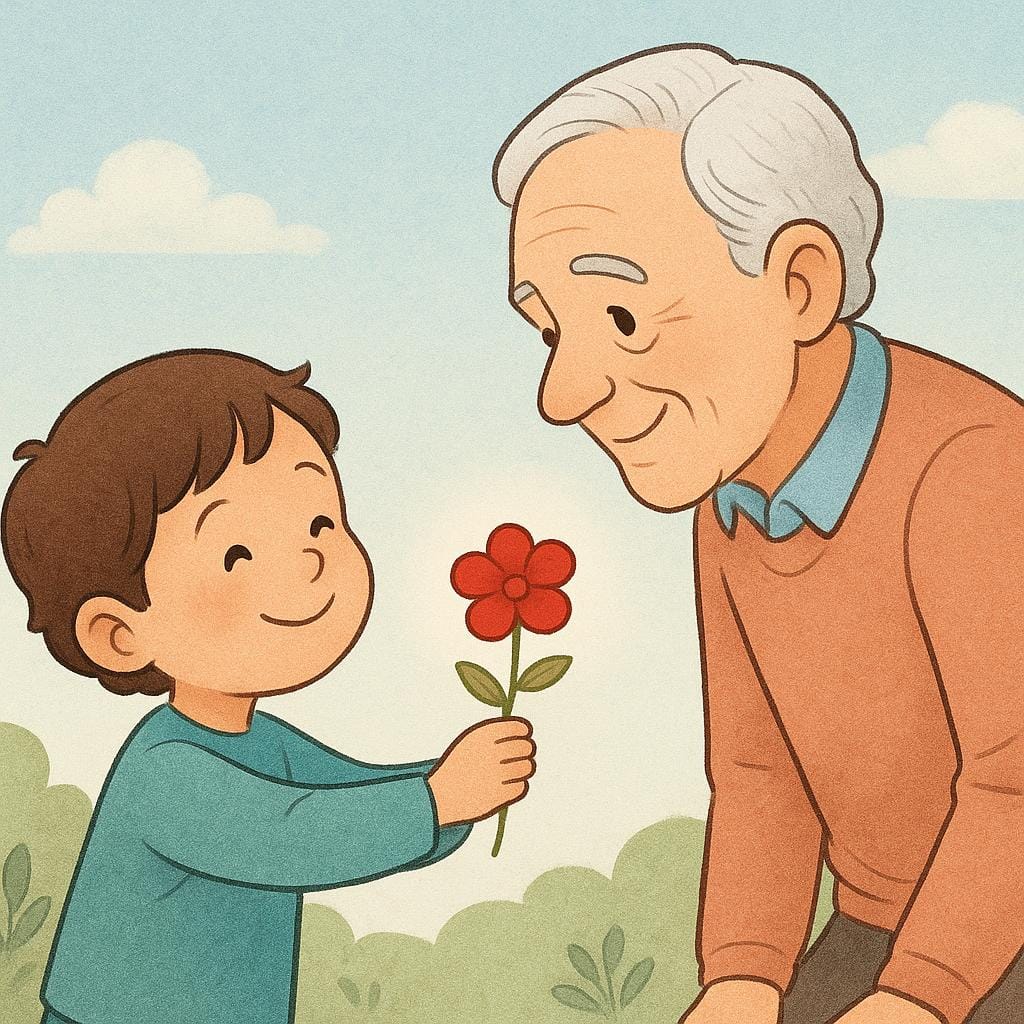
Su novio es un ángel; siempre le trae flores.
Her boyfriend is a sweetheart; he always brings her flowers.
Gender Stays Masculine
When you call a woman or girl 'an angel,' the word 'ángel' itself remains masculine: 'Ella es un ángel.' (She is an angel.) You do not change it to 'ángela'.
Mixing up Gender
Mistake: “Mi hermana es una ángela.”
Correction: Mi hermana es un ángel. ('Ángel' is always masculine, even if the person is female.)
Distinguishing 'Cariño', 'Tesoro', and 'Amado'
Related Translations
Learn Spanish with Inklingo
Interactive stories, personalized learning, and more.