How to Say "sweetheart" in Spanish
The most common Spanish word for “sweetheart” is “cariño” — use this as a general, affectionate term of endearment for a partner, child, or close friend, similar to 'darling' or 'honey'.









cariño
Examples
Hola, cariño, ¿cómo estás?
Hi, darling, how are you?
corazón
Examples
Te quiero con todo mi corazón.
I love you with all my heart.
tesoro
teh-SOH-rohteˈsoro
Examples
¡Hola, tesoro! ¿Cómo te fue en la escuela?
Hello, darling! How was school?
No te preocupes, mi tesoro, todo estará bien.
Don't worry, my sweetheart, everything will be fine.
Gender Consistency
Even when calling a girl or woman 'tesoro,' the word itself remains masculine: 'Tú eres mi tesoro.' (You are my treasure/darling).
Using the Feminine Form
Mistake: “Using *tesora* when referring to a woman.”
Correction: The word *tesoro* does not change gender when used as a term of endearment. Always use *tesoro* for both men and women.
bebé
BEH-beh'be.βe

Examples
El bebe está durmiendo en su cuna.
The baby is sleeping in his crib.
Ven aquí, mi bebe, te doy un abrazo.
Come here, my sweetheart (baby), I'll give you a hug.
The Accent Distinction
The noun meaning 'baby' is correctly written 'bebé' (with an accent). The stress changes the meaning entirely. However, 'bebe' (no accent) is often used informally or quickly, especially when spoken, but you should try to write it with the accent ('bebé').
Misspelling
Mistake: “Writing 'bebe' when you mean 'baby'.”
Correction: The noun must carry the accent on the second 'e': 'bebé'.
amada
ah-MAH-dahaˈmaða

Examples
El poeta dedicó su mejor verso a su amada.
The poet dedicated his best verse to his beloved (sweetheart).
Cada noche, sueña con el rostro de su amada.
Every night, he dreams of the face of his love.
From Adjective to Person
When 'amada' is used as a noun (often preceded by 'mi,' 'su,' or 'la'), it refers directly to the person who is loved, usually a romantic interest.
querida
keh-REE-dahkeˈɾi.ða

Examples
Hola, querida, ¿cómo estuvo tu día?
Hello, darling, how was your day?
No te preocupes, querida, todo va a estar bien.
Don't worry, sweetheart, everything is going to be okay.
Used Like a Name
When used this way, 'querida' acts like a nickname or a name. You use it to talk directly to a woman or girl you feel affection for.
enamorado
eh-nah-moh-RAH-dohena.moˈɾa.ðo

Examples
Mi enamorado me envió un mensaje dulce.
My sweetheart/boyfriend sent me a sweet message.
Los enamorados se dieron la mano mientras caminaban.
The lovers (couple) held hands while they walked.
Gender Swap
When used as a noun, the gender changes the person you are talking about. 'El enamorado' is a male partner, and 'la enamorada' is a female partner.
guapo
gwah-pohˈɡwapo

Examples
¡Buenos días, guapo! ¿Dormiste bien?
Good morning, dear! Did you sleep well?
Mi guapo me trajo flores.
My handsome man (or 'my sweetheart') brought me flowers.
Using 'Guapo' as a Noun
When used as a noun, 'guapo' acts like a person's name or title, often preceded by 'mi' (my) or used directly to call someone (like 'Hey, handsome!').
preciosa
preh-SYOH-sahpɾeˈθjosa

Examples
Hola, mi preciosa. ¿Cómo te fue el día?
Hello, my darling. How was your day?
Gracias por la ayuda, preciosa.
Thank you for the help, sweetheart.
Using 'Mi'
When using 'preciosa' as a noun (sweetheart), it is often preceded by 'mi' (my) to make it sound more affectionate: 'mi preciosa'.
princesa
prin-SEH-sah[pɾinˈse.sa]

Examples
Hola, princesa. ¿Cómo te fue en la escuela?
Hello, darling. How did school go for you?
Tráele el juguete, no seas así. Es mi pequeña princesa.
Bring her the toy, don't be like that. She is my little princess (sweetheart).
No puedes esperar que todos te sirvan; ¡deja de actuar como una princesa!
You can't expect everyone to serve you; stop acting like a princess!
Contextual Affection
Mistake: “Using 'princesa' as a term of endearment for someone you don't know well.”
Correction: Only use this meaning with people you have a close, familiar relationship with (family, partners, close friends), as it can sound overly familiar or slightly sarcastic otherwise.
nene
NEH-nehˈne.ne

Examples
¿Qué quieres de cenar, nene?
What do you want for dinner, honey?
Hola, nene. ¿Cómo te fue en el trabajo?
Hello, sweetheart. How was work?
bombón
Examples
Tu hermano es un bombón, todas las chicas lo miran.
Your brother is a hottie, all the girls look at him.
ángel
AHN-helˈaŋxel
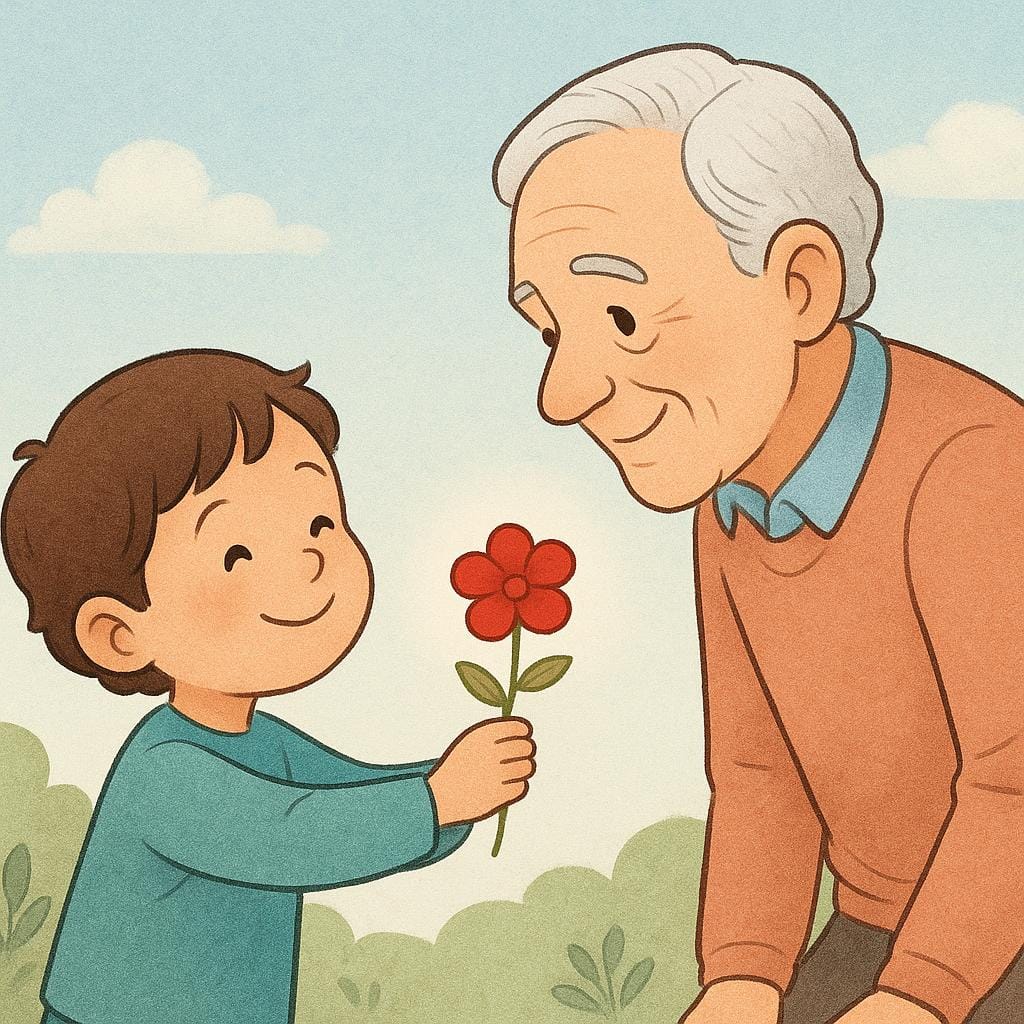
Examples
Mi hija es un ángel, nunca se queja.
My daughter is an angel; she never complains.
¡Gracias por la ayuda, eres un ángel!
Thank you for the help, you are an angel!
Su novio es un ángel; siempre le trae flores.
Her boyfriend is a sweetheart; he always brings her flowers.
Gender Stays Masculine
When you call a woman or girl 'an angel,' the word 'ángel' itself remains masculine: 'Ella es un ángel.' (She is an angel.) You do not change it to 'ángela'.
Mixing up Gender
Mistake: “Mi hermana es una ángela.”
Correction: Mi hermana es un ángel. ('Ángel' is always masculine, even if the person is female.)
cosita
ko-SEE-tahkoˈsita

Examples
¡Qué cosita más linda es tu bebé!
What a beautiful little thing your baby is!
Hola, cosita, ¿cómo estás?
Hello, sweetheart, how are you?
encanto
en-KAHN-tohenˈkanto

Examples
Fue un encanto conocer a tu familia.
It was a delight (or pleasure) to meet your family.
Mi jefe es un encanto, siempre nos trae café.
My boss is a delight (or a lovely person), he always brings us coffee.
¡Qué encanto de regalo!
What a lovely gift!
Using 'Ser' with 'Encanto'
When you use 'ser' (to be) with 'encanto' to describe a person ('Eres un encanto'), you are giving a fixed, positive compliment. Even if the person is female, the noun 'encanto' remains masculine.
valentín
Examples
Le compré un valentín muy bonito a mi novia.
I bought a very nice valentine (gift/card) for my girlfriend.
Choosing Between General Affection and Romantic Love
Learn Spanish with Inklingo
Interactive stories, personalized learning, and more.